Okay, settle in. Dim the lights, maybe pour something strong. We're venturing back to that grimy, glorious corner of the video store, the one plastered with lurid covers promising delights both forbidden and frankly deranged. Tonight's feature: the infamous Doctor Butcher M.D. (1980), a title that practically drips with sleaze and the unmistakable aroma of Italian exploitation cinema hitting American shores with all the subtlety of a chainsaw through bone.
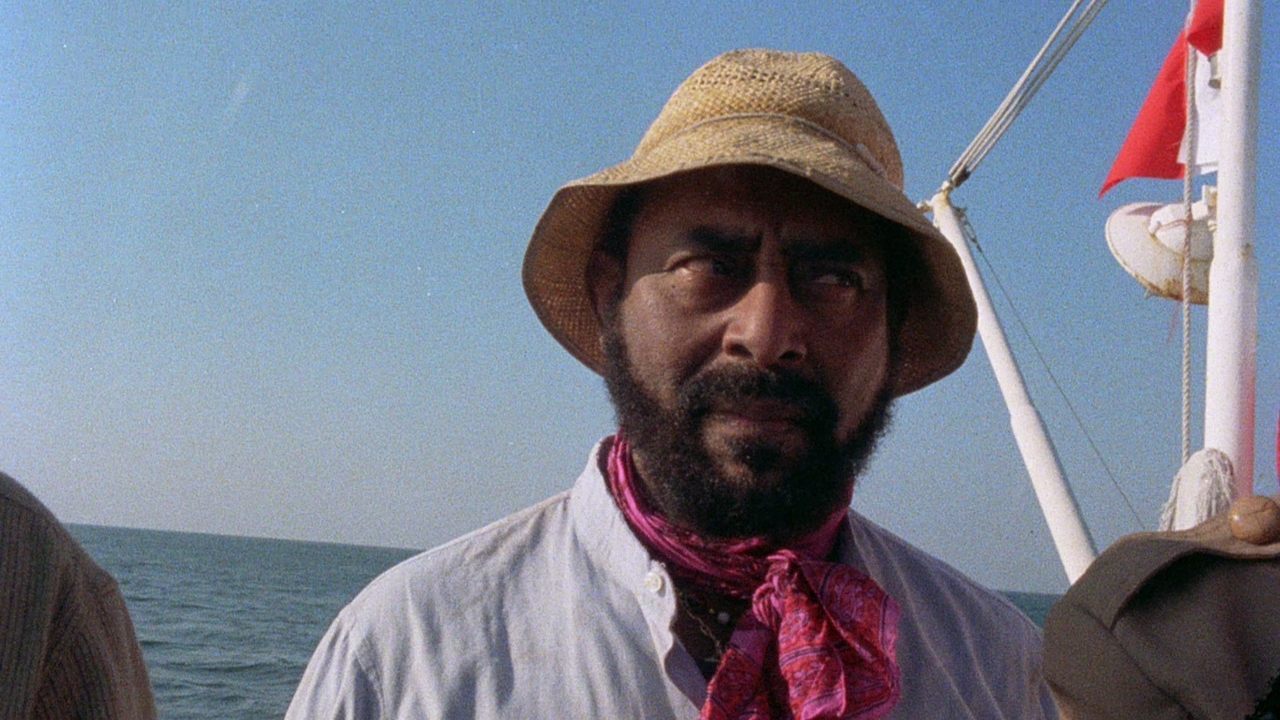
This film arrived on VHS shelves under a cloud of confusion, often bearing the title Zombie Holocaust in other territories. But the American distributor, Aquarius Releasing, masters of the grindhouse hustle, slapped on the "Doctor Butcher" moniker, even crudely inserting unrelated footage featuring a supposed "Dr. Butcher" (actually from a different, unreleased jungle film!) to justify the name change. It’s a Frankenstein's monster of marketing, stitched together with the kind of cynical genius that defined low-budget distribution back then. Does anyone else remember picking up that VHS box, with its stark, almost medical warning design, and feeling a jolt of illicit curiosity?
A Recipe for Mayhem
The plot, such as it is, feels like a greatest hits compilation of early 80s Italian horror tropes. We follow Dr. Peter Chandler (Ian McCulloch, fresh off battling the undead in Lucio Fulci's Zombi 2) and anthropologist Lori Ridgeway (Alexandra Delli Colli) as they investigate a series of gruesome hospital thefts involving human body parts in New York City. The trail leads them, inevitably, to the remote tropical island of Kito, home to rumors of cannibalism and something far worse. Sound familiar? The echoes of Zombi 2 are strong, almost distractingly so, yet director Marino Girolami (credited often as Frank Martin) carves out his own particular brand of mayhem. It's less the dreamlike dread of Fulci and more a relentless, almost workmanlike procession of graphic violence.
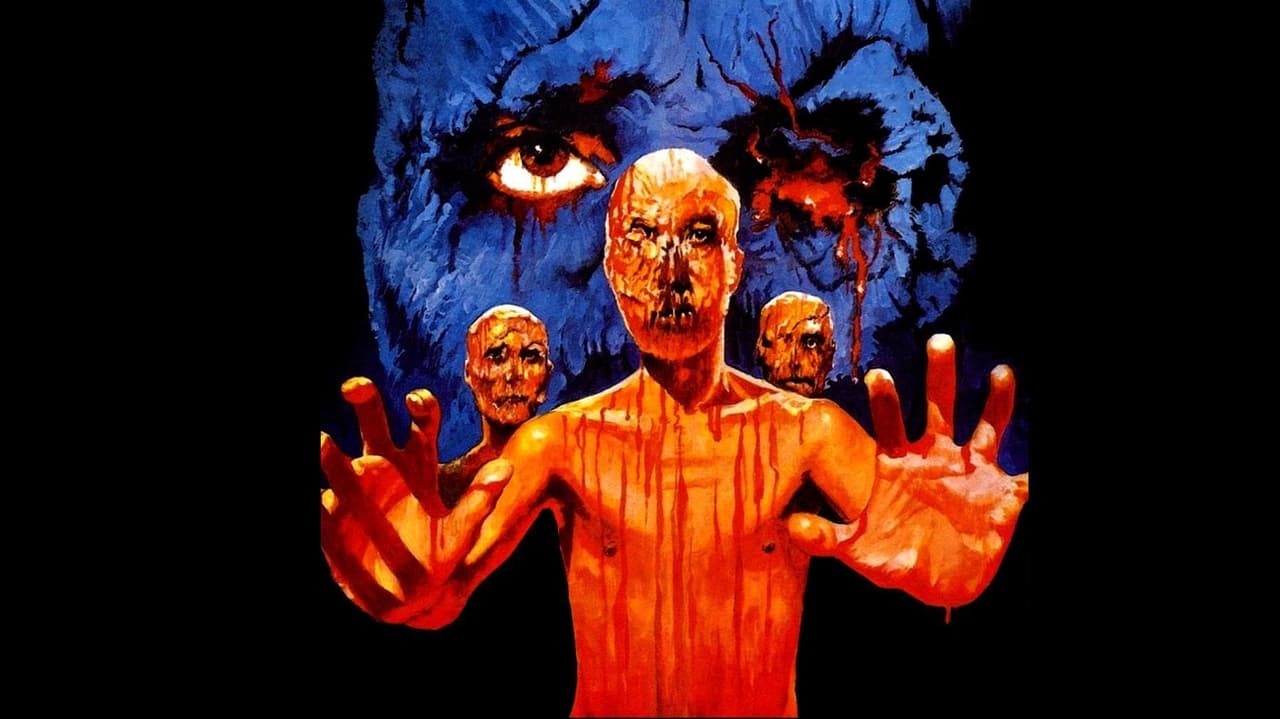
The Gore-Soaked Main Course
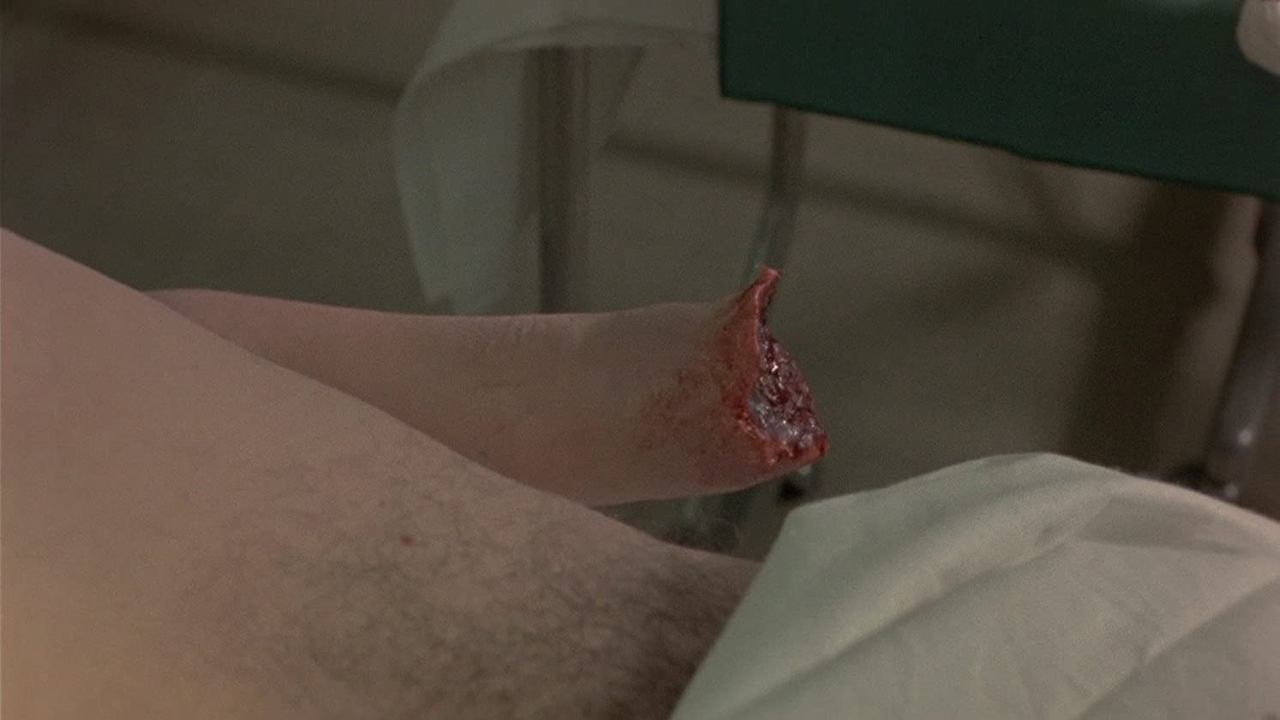
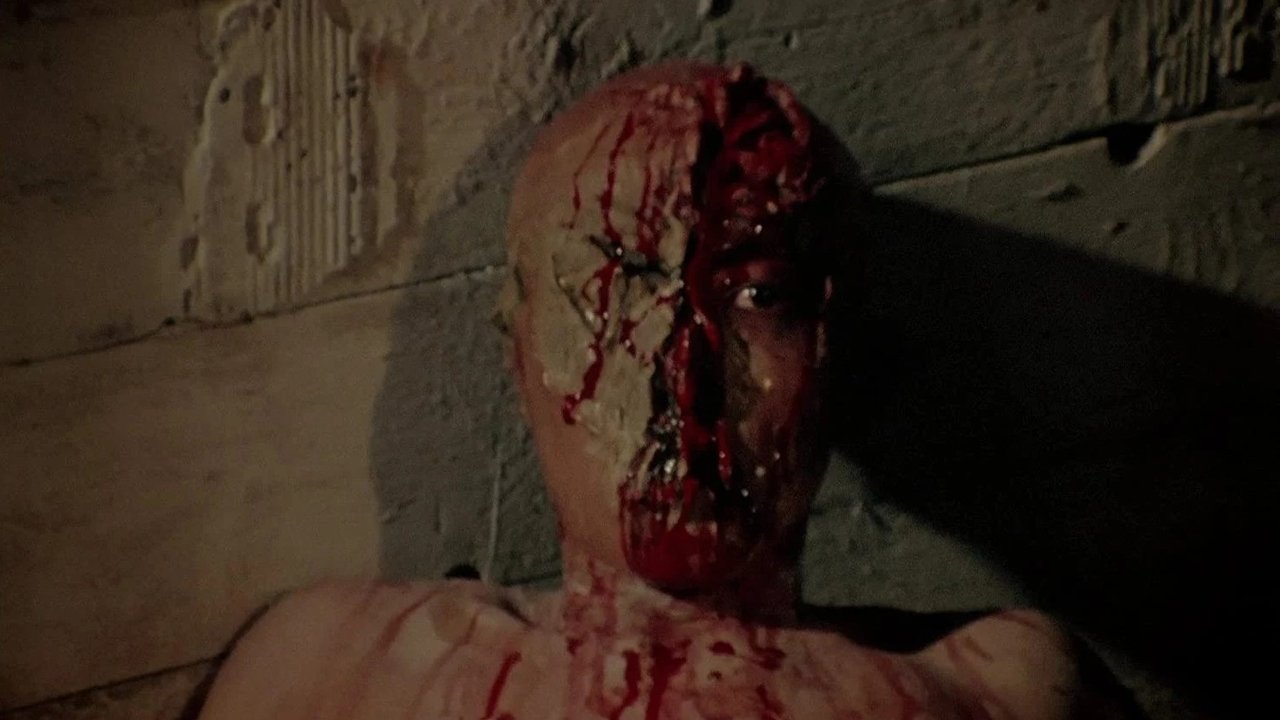
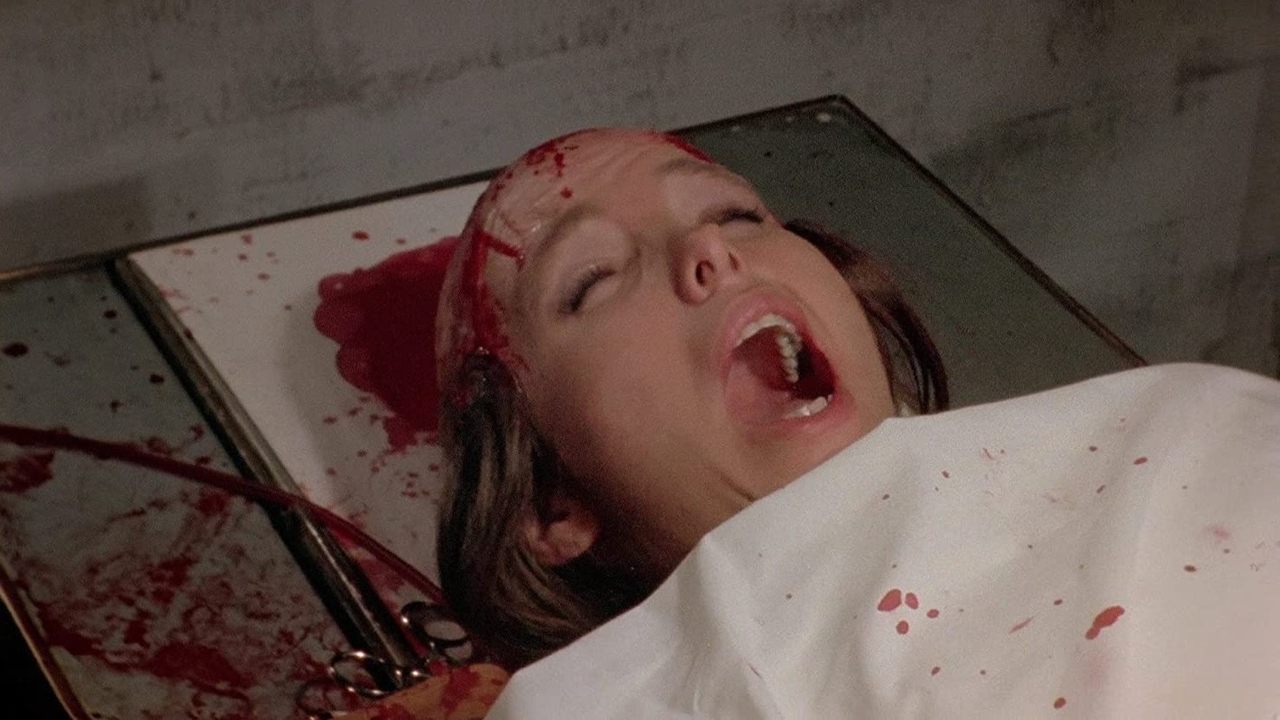
Let's be blunt: you don't watch Doctor Butcher M.D. for nuanced character development or intricate plotting. You watch it for the gore. And on that front, it delivers with the enthusiasm of a butcher indeed. While the effects maestro behind Zombi 2, Giannetto De Rossi, isn't officially credited here, his influence feels palpable, or perhaps it's just the shared DNA of Italian splatter from the era. The practical effects, though undeniably dated now, carried a squishy, visceral weight on flickering CRT screens. Remember that infamous autopsy scene early on? Or the truly unpleasant encounter with an outboard motor? These moments were designed purely to shock and revolt, and back in the day, they absolutely succeeded. There's a raw, unpleasant tangibility to the entrails and severed limbs that CGI rarely captures. The island setting, reportedly filmed in Colombia under challenging conditions, adds a layer of sweaty, oppressive atmosphere that enhances the feeling of inescapable dread, even amidst the chaos.
The film throws everything at the wall – cannibal tribes, flesh-eating zombies (created by the titular mad doctor, naturally), booby traps, and that uniquely Italian ability to make lush tropical locations feel claustrophobic and threatening. McCulloch brings a weary stoicism, essentially reprising his Zombi 2 role, while Delli Colli provides the requisite screaming and wide-eyed terror. It’s not Shakespeare, but they navigate the escalating carnage with professional commitment. The script itself, by Romano Scandariato and Enzo Milioni, feels cobbled together, a vehicle designed solely to link one graphic set-piece to the next. Rumors abound about on-set difficulties and budget limitations forcing creative, often gruesome, solutions – a hallmark of the resourceful, if often reckless, Italian genre filmmaking of the period. The entire production feels slightly unhinged, teetering on the edge of absurdity but held together by sheer, gory momentum.
Island of Lost Plots and Found Footage
The weirdest part remains that tacked-on "Doctor Butcher" prologue and epilogue, featuring footage completely unrelated to the main Zombie Holocaust narrative. It’s a baffling choice that speaks volumes about the anything-goes nature of exploitation distribution. Did they think audiences wouldn't notice? Or did they simply not care, figuring the promise of a "Doctor Butcher" was enough to lure punters in? It adds another layer of strangeness to an already bizarre film, making the VHS experience feel even more like discovering some forbidden, half-garbled transmission from another dimension. It’s estimated the original Zombie Holocaust cost around $200,000 – a shoestring even then – making its enduring cult status and graphic impact all the more remarkable.
Legacy of the Butcher
Doctor Butcher M.D. isn't a "good" film by conventional standards. The pacing lurches, the acting is variable, and the plot is derivative. But its historical significance in the gorehound canon is undeniable. It represents a specific, potent strain of Italian horror: unapologetically graphic, narratively loose, and strangely compelling in its crudeness. It lacks the artistic pretensions of Argento or the surreal horror of Fulci at his peak, opting instead for straightforward, stomach-churning spectacle. It’s a relic of a time when video stores offered pathways into genuinely shocking and transgressive cinema, unfiltered and untamed. Does that central zombie/cannibal reveal still pack a punch, or just feel like genre-mashing overload?
VHS Heaven Rating: 4.5/10
Justification: This score reflects the film's status as a cult artifact primarily notable for its extreme gore (for the time) and bizarre release history. It earns points for its infamous practical effects, its connection to the Italian horror boom (Ian McCulloch linking it directly to Zombi 2), and its sheer audacity. However, it loses significant points for its derivative plot, inconsistent tone (especially with the tacked-on footage), often wooden acting, and overall crudeness. It's essential viewing for hardcore gore fans and Italian horror completists, but objectively flawed and often nonsensical. It delivers exactly what the lurid cover promised, nothing more, nothing less.
Final Cut: Doctor Butcher M.D. is a fascinating, messy, and often repellent slice of exploitation history. It’s the kind of film that feels like it shouldn’t exist, cobbled together from spare parts and fueled by a desire to simply gross out the audience. Watching it today is like unearthing a grimy time capsule – a potent reminder of just how wild and unrestrained genre cinema could be in the VHS era, warts, entrails, and all.