The flickering static of a dying broadcast, the hum of unseen machinery somewhere in the city's decaying guts... some films don't just depict urban dread, they are urban dread, distilled onto magnetic tape. Abel Ferrara's 1979 debut feature, The Driller Killer, is one such transmission from the grimy heart of late-70s New York. Forget polished slashers; this is a raw, festering wound of a movie, less concerned with plot mechanics than with plunging the viewer into the psychic freefall of its protagonist.
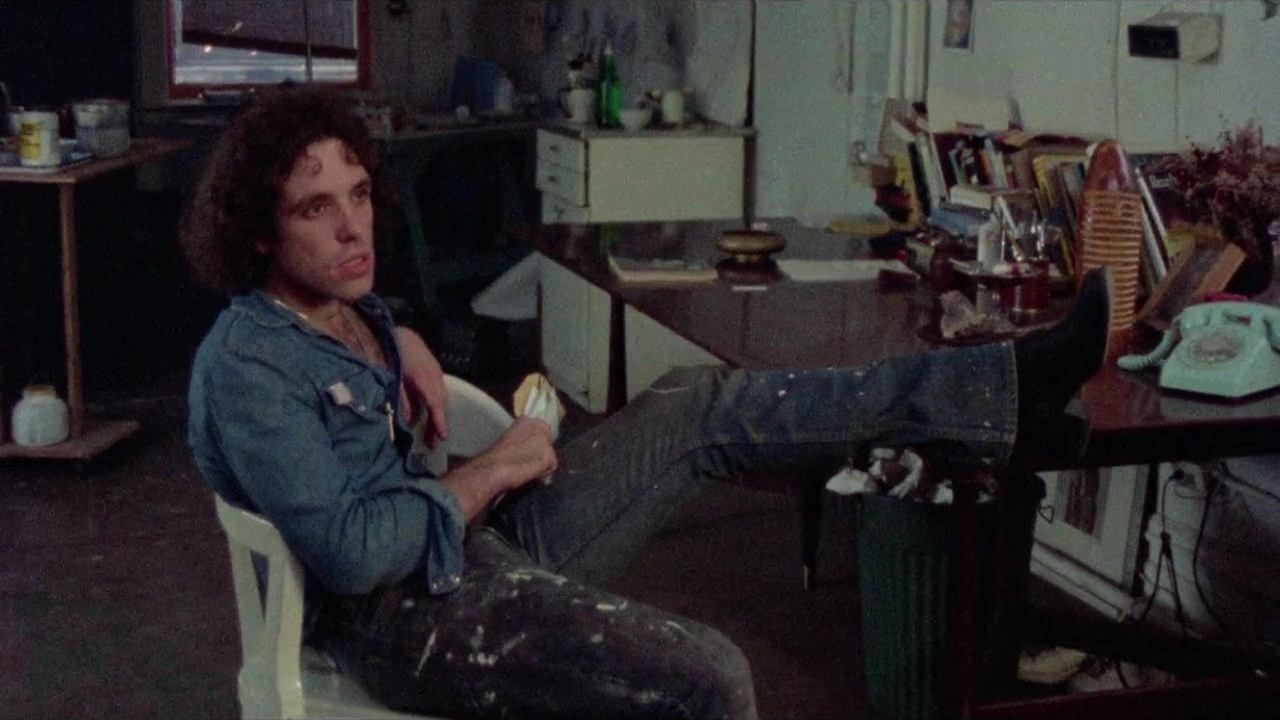
Portrait of the Artist as a Young Madman
We follow Reno Miller (played with unnerving intensity by Ferrara himself, credited as Jimmy Laine), a struggling painter sharing a cramped, squalid apartment in Union Square with two women, Carol (Carolyn Marz) and Pamela (Baybi Day). He's drowning – financially, creatively, emotionally. The rent is overdue, his ambitious buffalo painting isn't selling, and the noise... oh god, the noise. A neighbouring No Wave band, Tony Coca-Cola and the Roosters (featuring Ferrara’s actual band at the time), rehearses relentlessly, driving Reno further towards the edge. It's this cacophony, combined with mounting pressures and disturbing visions, that pushes him to pick up a power tool and begin stalking the city's derelicts.
This wasn't filmed on pristine sound stages; Ferrara shot The Driller Killer guerrilla-style on the mean streets and in actual dilapidated apartments – including, famously, his own Union Square digs – for a reported shoestring budget sometimes cited as low as $20,000. You can practically smell the garbage and feel the grime clinging to the celluloid. The authenticity is suffocating, contributing massively to the film's oppressive atmosphere. It captures a specific moment in New York history – bankrupt, dangerous, but buzzing with a raw, creative energy that permeates even this bleak tale.
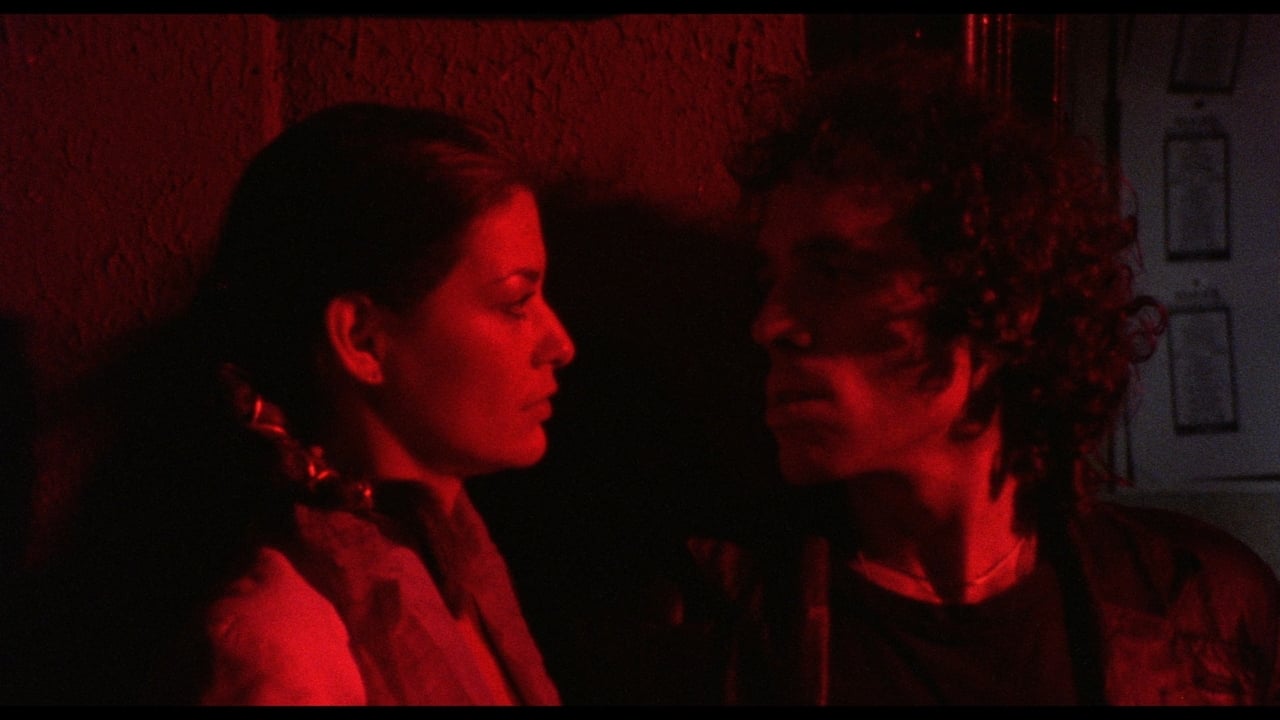
The Grindhouse Gaze
The Driller Killer isn't a conventional horror film. The pacing is deliberate, almost meandering, spending significant time observing Reno's deteriorating mental state, his interactions within the city's art scene (portrayed with a certain cynical eye), and his increasingly unhinged behaviour. The actual "driller killing" scenes, when they arrive, are brutal and shocking, rendered with crude but effective practical effects that feel disturbingly real precisely because of their low-fi nature. There’s a notorious sequence involving a homeless man that is genuinely hard to watch, less for explicit gore and more for its sheer, nihilistic cruelty. Interestingly, Ferrara often kept the drill unplugged during filming for safety, relying on sound design and performance to sell the horror – a testament to low-budget ingenuity.
Ferrara's own performance is key. Largely internal, Reno is a pressure cooker of frustration and repressed violence. Ferrara conveys this less through dialogue and more through haunted stares, sudden bursts of agitation, and a chillingly vacant expression as he descends into madness. The supporting cast often feels non-professional, which, rather than detracting, adds to the film's cinéma vérité feel, grounding the horror in a disturbingly plausible reality.
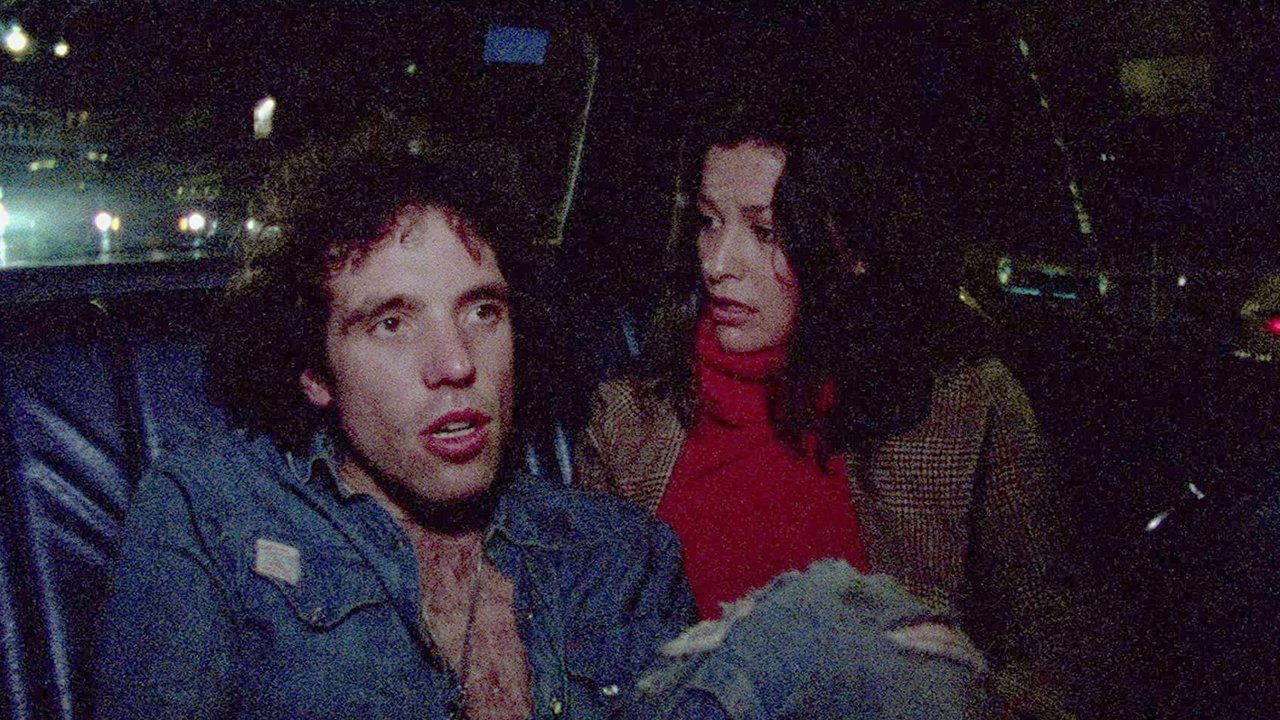
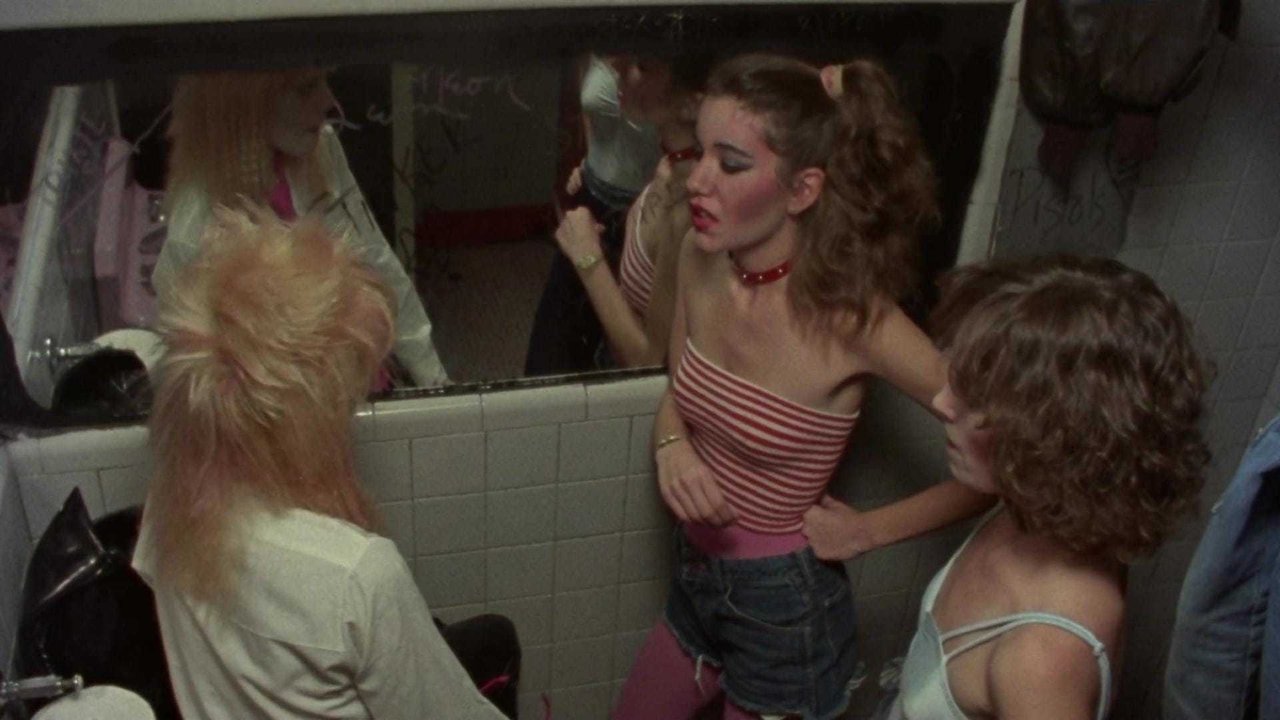
Anatomy of a Video Nasty
Of course, you can't discuss The Driller Killer without mentioning its infamous status as one of the UK's original "Video Nasties." Its lurid, drill-centric cover art (often more graphic than the film itself) made it a prime target during the moral panic surrounding home video in the early 80s. Banned for years, this controversy ironically cemented its cult legacy, making it a sought-after tape for horror fans craving something truly transgressive. Did you manage to track down a bootleg copy back in the day, feeling like you possessed forbidden knowledge? The initial marketing, pushing it as a straightforward slasher, perhaps did it a disservice; it’s far more a psychological study wrapped in exploitation clothing. Legend even has it that Black & Decker, whose Porto-Pak battery belt powers the drill, were none too pleased with the association.
Watching it now, it’s clear The Driller Killer is more art-house grit than pure slasher fare. It’s a primal scream from a filmmaker already exploring themes that would dominate his later, more celebrated works like King of New York (1990) or Bad Lieutenant (1992): urban decay, Catholic guilt (notice the stigmata-like imagery), fragile masculinity, and the thin line between artistic expression and destructive impulse.
The Verdict
The Driller Killer is undeniably rough around the edges. The pacing can drag, some scenes feel improvised to the point of aimlessness, and the technical limitations are apparent. Yet, its raw power is undeniable. It's a visceral, deeply unpleasant film that captures a specific time and place with unnerving accuracy. It burrows under your skin not with jump scares, but with a pervasive sense of dread and existential despair. It feels dangerous, like something you weren't supposed to see.

Rating: 6/10
Justification: While undeniably influential and atmospherically potent, The Driller Killer is hampered by its pacing issues and extremely rough production values, even by grindhouse standards. Its power lies in its raw authenticity, Ferrara's committed performance, and its unflinching depiction of psychological collapse amidst urban squalor. It earns points for its historical notoriety and proto-Ferrara themes, but its narrative looseness and technical crudity prevent a higher score.
Final Thought: For fans of raw, uncompromising 70s cinema and the grimy origins of a major directorial talent, The Driller Killer remains essential, if deeply uncomfortable, viewing – a true artifact of the VHS underground. It’s less a movie you "enjoy" and more one you endure, and perhaps respect, for its sheer, unvarnished nerve.