It’s a pairing that, on paper, might have sounded utterly bizarre back in 1992: Charles Dickens’ timeless, sometimes grim, morality tale of redemption, A Christmas Carol, performed largely by... the Muppets. Yet, watching that familiar oversized clamshell VHS case slide out of its cardboard sleeve, there was an immediate sense of warmth and rightness about it. The Muppet Christmas Carol wasn't just another adaptation; it felt like an event, a bold statement about carrying on a beloved legacy, and it delivered something truly special that still resonates decades later.

A Masterclass in Playing it Straight
The absolute linchpin of this entire fuzzy, felt-filled enterprise is Sir Michael Caine as Ebenezer Scrooge. Fresh off films like Dirty Rotten Scoundrels (1988) and Noises Off... (1992), Caine made a decision that proved ingenious: he would play Scrooge absolutely straight, as if he were performing opposite the Royal Shakespeare Company, not Gonzo the Great and Rizzo the Rat. There's no winking at the camera, no acknowledging the absurdity of conversing with talking frogs or pigs. His commitment grounds the entire film, allowing the Muppets' inherent charm and humor to shine without overwhelming the story's emotional core. Watching Caine deliver lines laced with bitterness and regret to Kermit the Frog’s Bob Cratchit (Steve Whitmire, also taking on Rizzo) is a masterclass in acting, lending the familiar narrative a surprising weight. It’s this very seriousness that makes Scrooge’s eventual transformation so joyous and earned.
Dickens, As Narrated by Gonzo
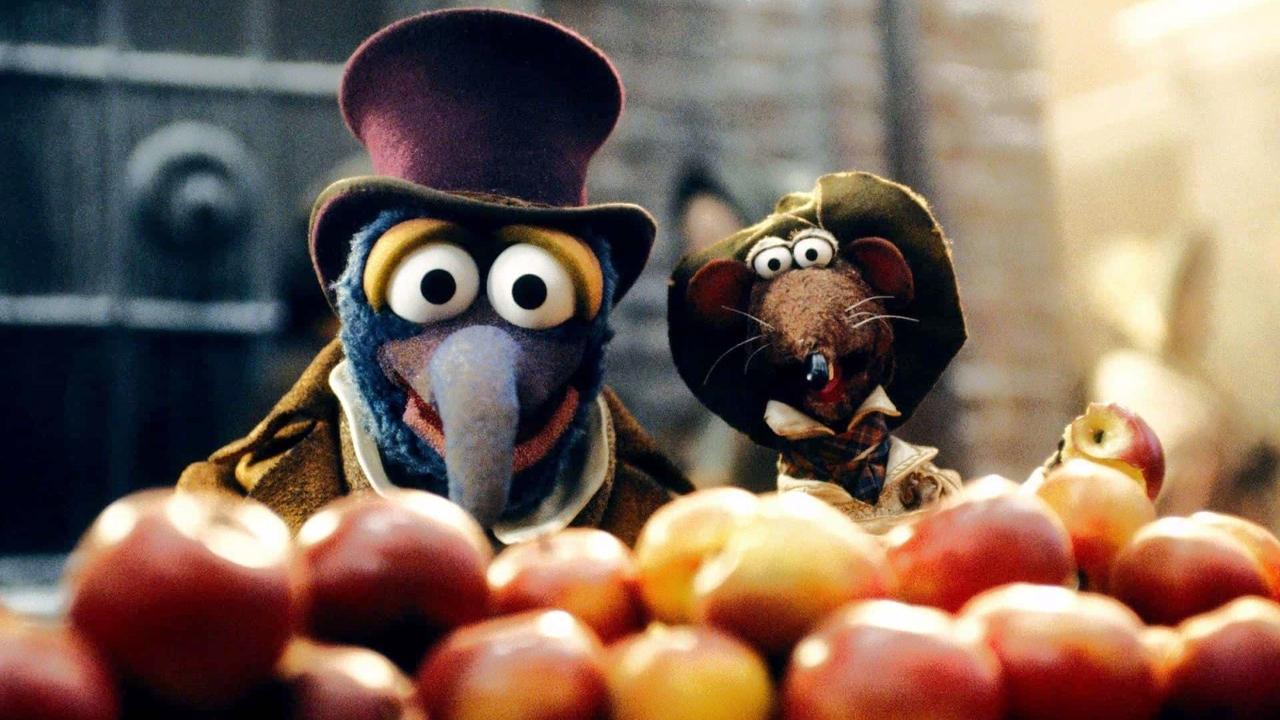
Taking on the daunting task of directing the first Muppet feature film after the profound loss of Jim Henson was his son, Brian Henson. The pressure must have been immense, but he navigated it beautifully, honouring his father’s creations while finding a distinct tone for this new chapter. The film wisely employs Gonzo (Dave Goelz) as Charles Dickens himself, with Rizzo the Rat tagging along as his, well, Rizzo. This narrative device, conceived by screenwriter Jerry Juhl (a longtime Muppet collaborator), is brilliant. It allows the film to retain much of Dickens’ rich prose while providing ample opportunity for classic Muppet banter and meta-commentary ("He's scary!" / "AndCompilerContextualHelp="> famous!"). Their presence ensures the film never gets too dark, providing levity just when needed.
The production design deserves special mention, too. They didn't skimp on creating a genuinely atmospheric Victorian London, full of fog, cobblestones, and gaslight. It looks like a proper Christmas Carol, providing a rich backdrop for the Muppet performers and adding to the surprising cinematic quality of the whole affair. Shot primarily at Shepperton Studios in the UK, the film feels both authentically British and uniquely Muppetational.
Songs You Can't Forget (Even If They Tried)
No Muppet production is complete without music, and The Muppet Christmas Carol features a truly wonderful score and songs primarily penned by Paul Williams, marking his triumphant return to the Muppet fold after his iconic work on The Muppet Movie (1979). From the boisterous ensemble number "Scrooge" to the hauntingly beautiful "Bless Us All" and the sheer fun of "Marley and Marley" (featuring Statler and Waldorf, naturally!), the songs integrate perfectly, advancing the plot and deepening the emotion.
And then there's "When Love Is Gone." Ah, the song that launched a thousand home video debates! Sung by Belle (Meredith Braun) to a younger Scrooge, this poignant ballad was famously cut from the theatrical release by then-Disney chairman Jeffrey Katzenberg, who felt it slowed the pace and wouldn't appeal to children. Brian Henson fought for it, arguing it was crucial to Scrooge's character arc. While it vanished from cinemas, many of us remember it vividly from the original VHS and LaserDisc releases, where it was thankfully restored. Its later absence on DVD and early streaming releases only cemented its status as a beloved, slightly elusive piece of the film's history, finally making a more permanent return in recent extended cuts. Knowing this backstory adds another layer to those cozy VHS viewings – we had the real version!
More Than Just Felt and Fur
Despite the inherent silliness of seeing Fozzie Bear as "Fozziwig," the film doesn't shy away from the story's darker elements or its powerful message. The Ghost of Christmas Past is ethereal and slightly unsettling, the Ghost of Christmas Yet to Come genuinely imposing, and the plight of Tiny Tim (played by Robin the Frog) still tugs at the heartstrings. It manages that tricky balance of Muppet mayhem and heartfelt sincerity, a testament to both the script and the performers – human and felt alike.
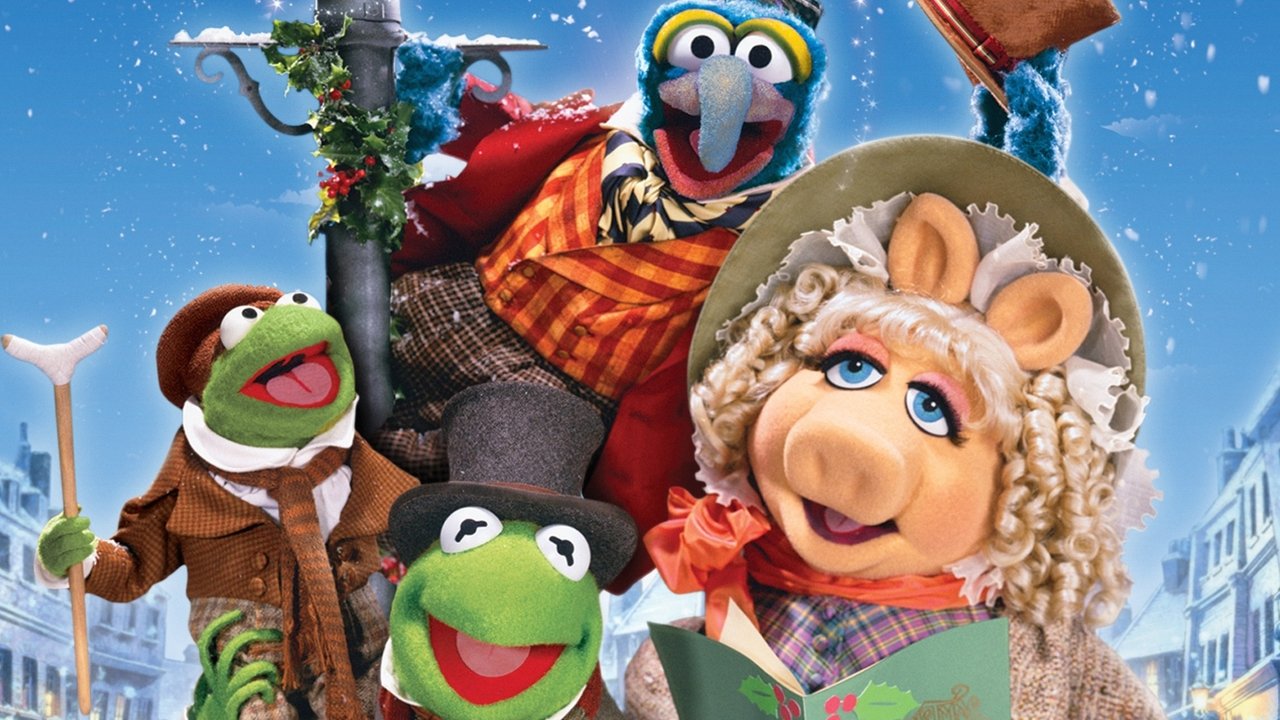

Made on a modest budget of around $12 million, The Muppet Christmas Carol went on to earn over $27 million domestically, finding its true success not just at the box office, but in becoming an enduring holiday tradition for countless families. Its IMDb score sits at a cozy 7.8/10, reflecting its beloved status. It proved the Muppets could thrive beyond their creator, tackling classic literature with humour, heart, and a surprising degree of faithfulness.
***
VHS Heaven Rating: 9/10
Justification: The Muppet Christmas Carol is a near-perfect blend of Muppet charm and Dickensian heart. Michael Caine's phenomenal performance anchors the film, allowing the Muppets to be themselves without sacrificing the story's emotional weight. Coupled with memorable songs by Paul Williams, atmospheric production design, and Brian Henson's sensitive direction, it transcends being just a "kids' movie" or a novelty adaptation. The slight deduction accounts for minor pacing quibbles (even with "When Love Is Gone" included, which feels essential), but its warmth, humour, and genuine spirit make it an absolute triumph.
Final Thought: Like finding that favourite festive ornament tucked away safely each year, popping The Muppet Christmas Carol into the VCR (or hitting play today) feels like welcoming an old, fuzzy friend home for the holidays. It’s proof that even Marley and Marley can deliver pure Christmas magic.