Alright, fellow tapeheads, settle in. Tonight, we're digging out a gem that might not have the explosions of Commando or the high-tech gloss of RoboCop, but packs a different kind of punch – a sharp, satirical jab right to the ribs that still smarts today. We're talking about the 1980 Turkish classic, Zübük, a film that gave a name to a particularly insidious kind of con artist and cemented Kemal Sunal's place as more than just the lovable goofball.

### More Than Just Laughs: Enter the Zübük
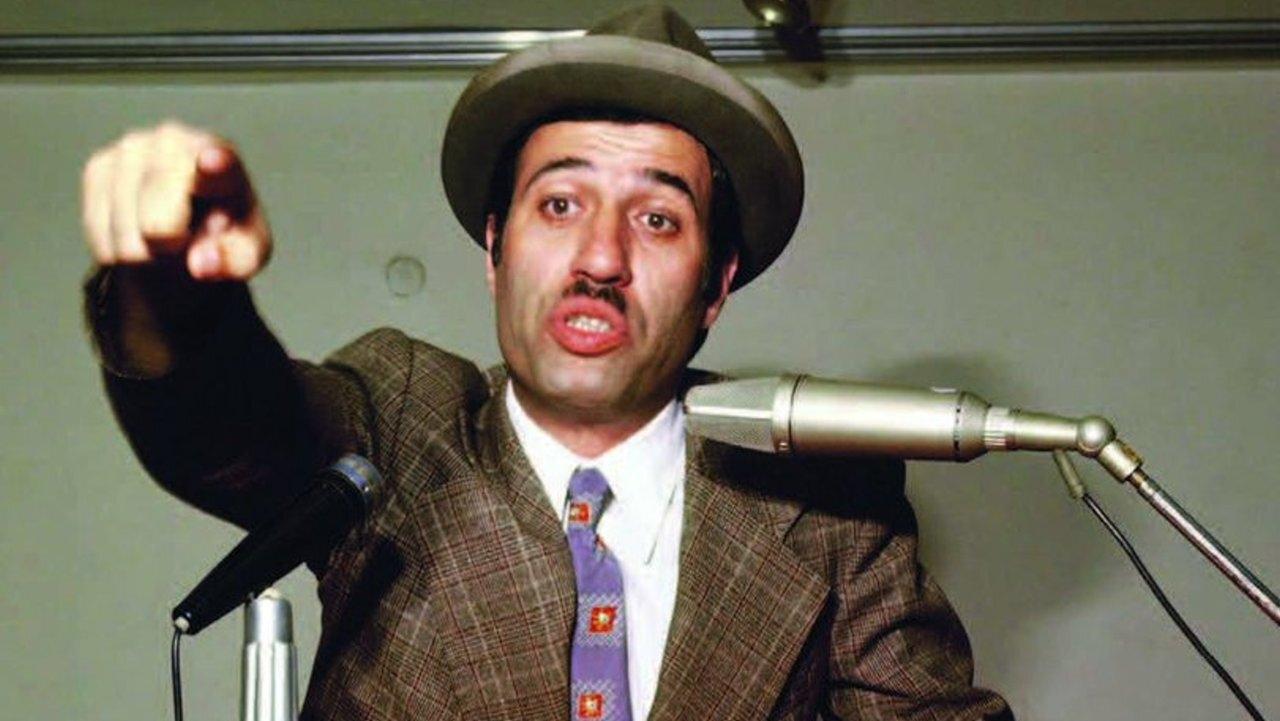
Forget fuzzy memories of tracking adjustments; the image Zübük burns into your mind is crystal clear: the grinning, manipulative face of İbrahim Zübükzade. Based on the fiercely critical novel by the legendary satirist Aziz Nesin, the film introduces us to this utterly shameless character – a man who lies, cheats, and charms his way up the political and social ladder in a small Anatolian town. The term "Zübük" itself, largely popularized by Nesin's work and this very film, became shorthand in Turkish for an opportunistic, populist, and morally bankrupt charlatan. Seeing this film again, possibly on a slightly worn tape sourced from a relative's collection, reminds you just how potent satire could be, especially when delivered with such unsettling charisma.
Kemal Sunal, an absolute icon of Turkish cinema often remembered for his naive, good-hearted characters in films like the Hababam Sınıfı series, takes a daring turn here. Watching him as Zübük is genuinely startling. He weaponizes his familiar comedic timing and expressive features, twisting them into something darker. His İbrahim isn't just funny; he's dangerously persuasive, a whirlwind of empty promises and barefaced lies, and Sunal plays him with a chilling conviction. It’s a performance that demonstrated his incredible range, proving he could handle sharp social commentary as effectively as slapstick. This wasn't just another Kemal Sunal comedy; it was a statement.
### The Anatomy of a Con
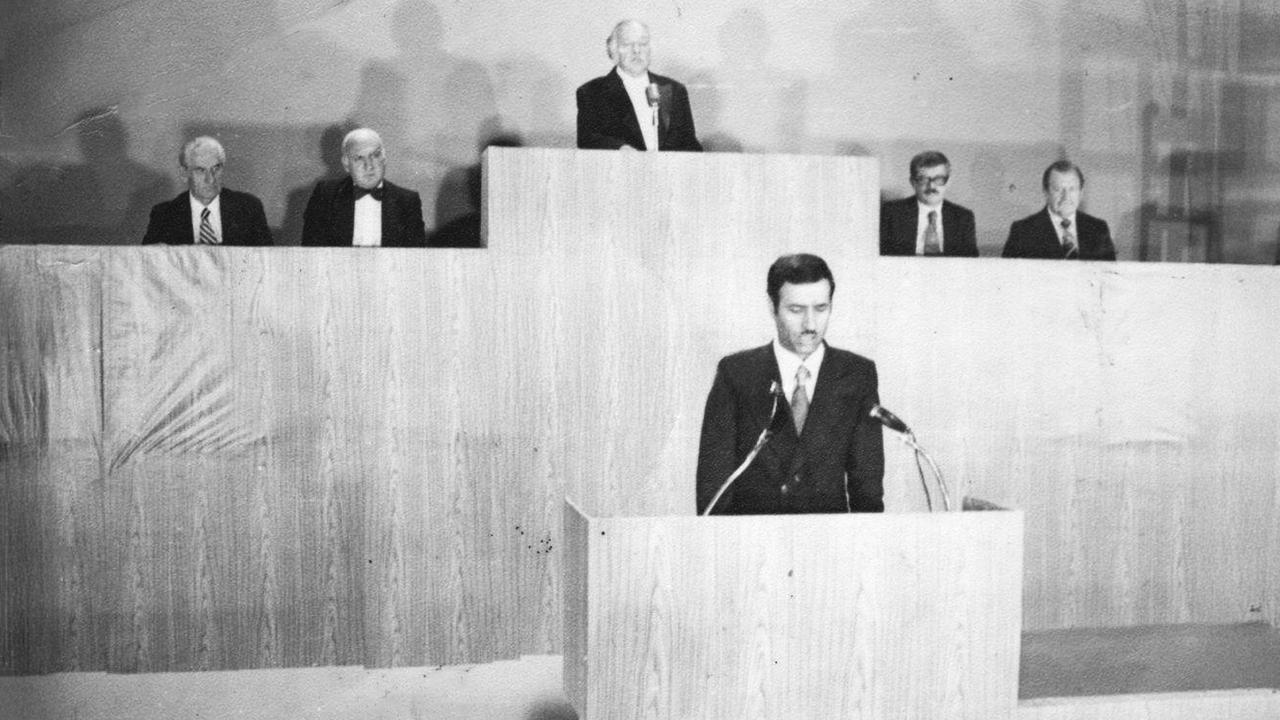
The film, directed by Kartal Tibet – himself a famous actor before stepping behind the camera (remember him in classics like Tarkan?) – unfolds as a journalist investigates Zübük's past after he's seemingly run out of town. Through flashbacks narrated by the very people Zübük duped, we see his calculated rise. Tibet, working closely with veteran filmmaker Atıf Yılmaz (credited as supervisor/writer alongside Ümit Ömer Sevindik adapting Nesin's work), crafts a narrative that peels back the layers of deception. It’s less about what Zübük does (though his schemes are audacious) and more about how he gets away with it, preying on greed, ambition, ignorance, and the desperate desire for easy answers.
The "action" here isn't physical, but psychological and social. The tension builds not from chases, but from watching Zübük effortlessly manipulate situations, turning potential disasters into personal triumphs. Remember how certain characters in 80s thrillers could talk their way out of anything? Zübük is the political, small-town version of that, and the "special effect" is simply Sunal's powerhouse performance and Nesin's razor-sharp dialogue hitting home. The production itself feels very grounded, very real in that specific way Turkish films from the era often did – shot on location, capturing the textures of village life, which makes Zübük's cynical manipulations feel even more jarringly effective against the authentic backdrop.
### Echoes in the Village Square
The supporting cast is crucial, representing the spectrum of Zübük's victims and enablers. Nevra Serezli as Yektane, Zübük's equally calculating wife, is a fantastic foil, matching his energy with a cool pragmatism. The villagers, played by a host of familiar faces from Turkish cinema like Köksal Engür, aren't just caricatures; they embody the societal weaknesses Zübük exploits. Their initial anger giving way to justifications and even admiration for his sheer audacity is perhaps the film's most uncomfortable truth. Wasn't that dynamic – the charismatic liar winning over the crowd – something that felt disturbingly familiar even back then?
Zübük arrived just before the 1980 military coup in Turkey, a period of significant political and social turmoil. While not overtly referencing specific events, its critique of populism, corruption, and the manipulation of the masses resonated deeply. Aziz Nesin was often a controversial figure for his pointed social commentary, and this film adaptation pulled no punches. It wasn't universally loved by critics initially, perhaps uncomfortable with seeing a beloved comedic star in such a cynical role, but audiences recognized the truth in its portrayal. Its enduring legacy is undeniable – the word "Zübük" remains embedded in the language, a testament to the film's (and novel's) cultural impact.
### The Verdict on Zübükzade
Rewatching Zübük is a potent reminder of Kemal Sunal's genius and the power of sharp, unflinching satire. It might lack the visual pyrotechnics we often associate with 80s VHS favourites, but its impact is just as explosive in its own way. The filmmaking is straightforward but effective, letting the performances and the biting script do the heavy lifting. It captures a specific moment in Turkish social commentary, yet its themes feel depressingly timeless.
Rating: 9/10
Justification: This score reflects the film's brilliance as a piece of sharp political satire, anchored by a career-defining, brave performance from Kemal Sunal. Its cultural impact in Turkey is immense, and its core message remains incredibly relevant. While perhaps visually plain compared to international blockbusters of the era, its substance, wit, and fearless commentary make it a standout classic of Turkish cinema.
Final Take: Forget the multiplex bombast; sometimes the most powerful explosions are the ones that happen when uncomfortable truths are spoken, especially with a grin as unsettling as Zübük's. A vital piece of 80s cinema that proves satire, when done right, never gets old – it just gets more relevant.