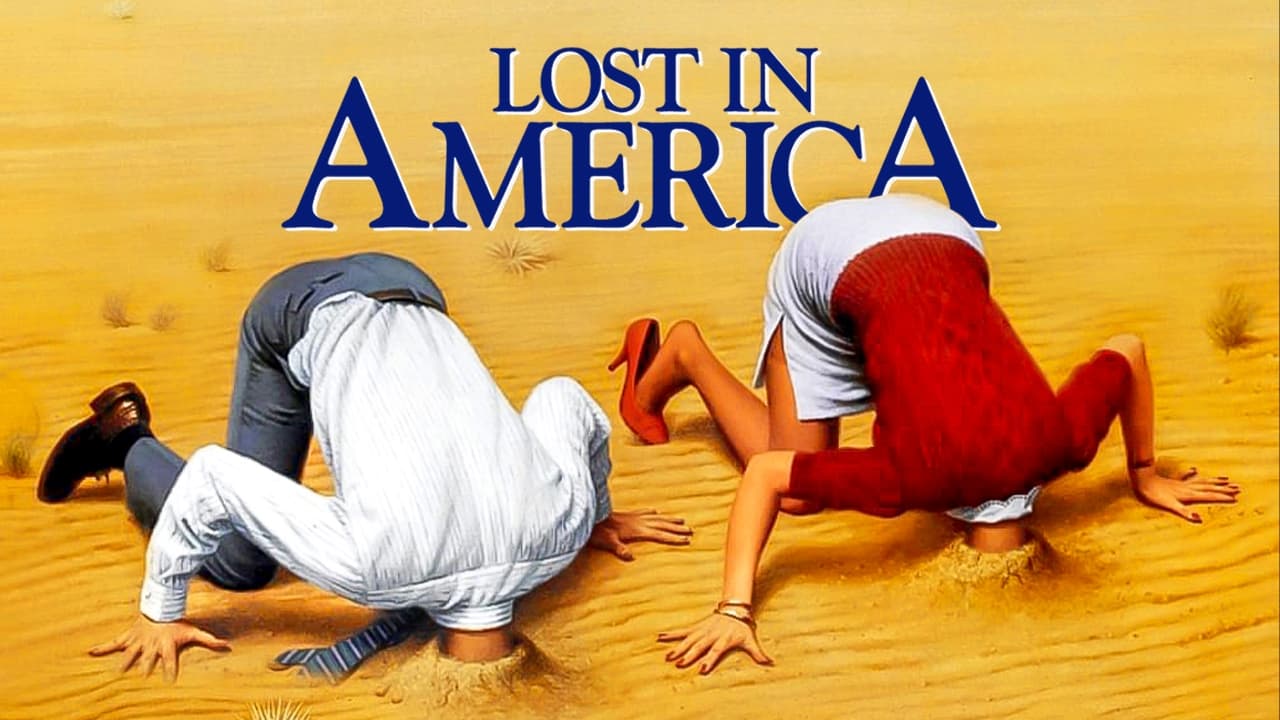
Alright, fellow tapeheads, slide that worn copy of Lost in America into the VCR, ignore the slightly fuzzy tracking lines, and let’s talk about one of the sharpest, funniest, and most painfully relatable satires the 80s ever produced. This isn't your typical explosion-filled blockbuster, no, this is something quieter, smarter, and arguably more devastating: a meticulously crafted takedown of the yuppie dream, wrapped in the shell of a road trip comedy.
Dropping Out, Tuning In, Freaking Out
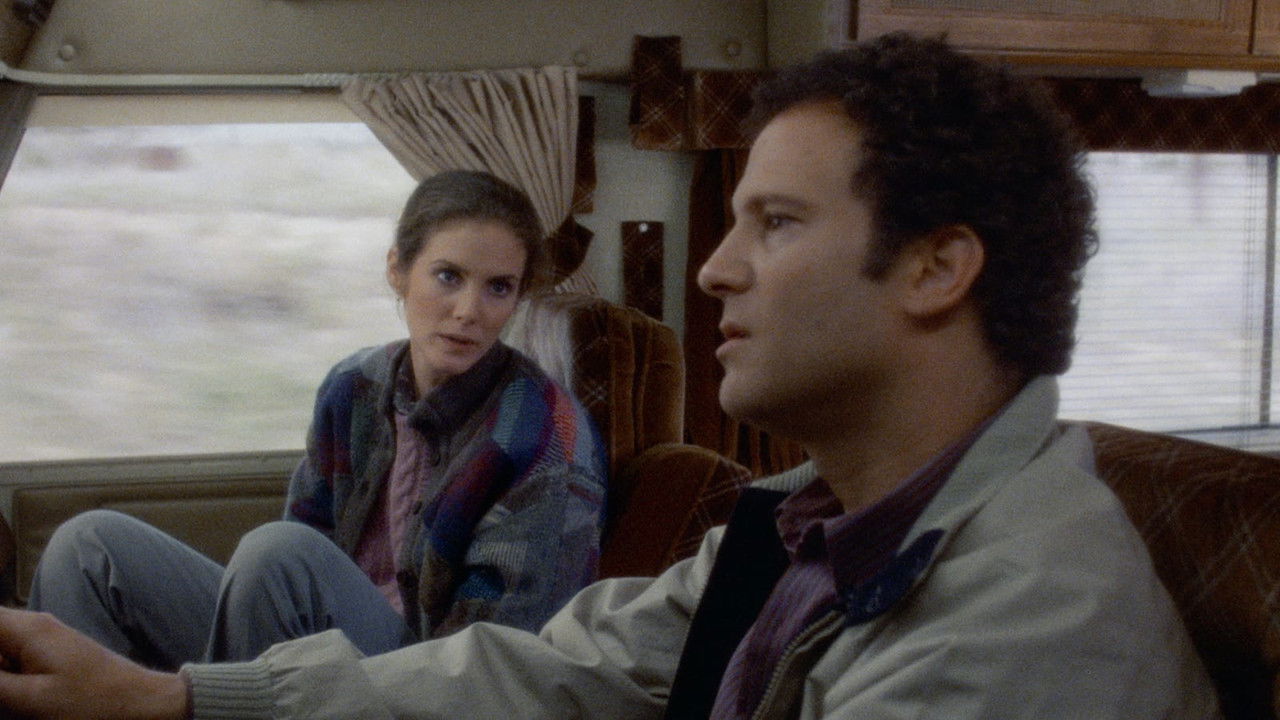
The premise, cooked up by the master of neurotic observation, Albert Brooks (who also directs, co-writes, and stars), is pure gold. David Howard (Brooks) is an advertising exec on the cusp of a big promotion and a new house. His wife, Linda (Julie Hagerty, perfectly cast after her iconic turns in Airplane!), is supportive, if perhaps a bit detached. When the promotion doesn't materialize – instead, he's offered a transfer to New York he absolutely refuses to take – David has a full-blown corporate meltdown. In a fit of rebellious pique fueled by visions of Easy Rider (a film they clearly misunderstood), he convinces Linda they should quit their jobs, sell everything, buy a massive Winnebago, and just... drop out. Find themselves. Touch Indians. You know, really live.
It’s a fantasy many harbored during the high-pressure Reagan years, the idea of chucking it all for freedom on the open road. But Brooks, along with co-writer Monica Johnson (a frequent collaborator who helped hone his distinct voice), isn't interested in fantasy. He’s interested in the hilarious, cringe-inducing reality check that awaits those who confuse a movie montage with actual life. Brooks actually pitched the idea to Warner Bros. where it was initially greenlit, but after a management change, the new brass wasn't quite as sold, granting him only a modest budget. Perhaps that constraint helped focus the film's intimate, character-driven core.
The Thirty-Thousand Dollar Speed Bump
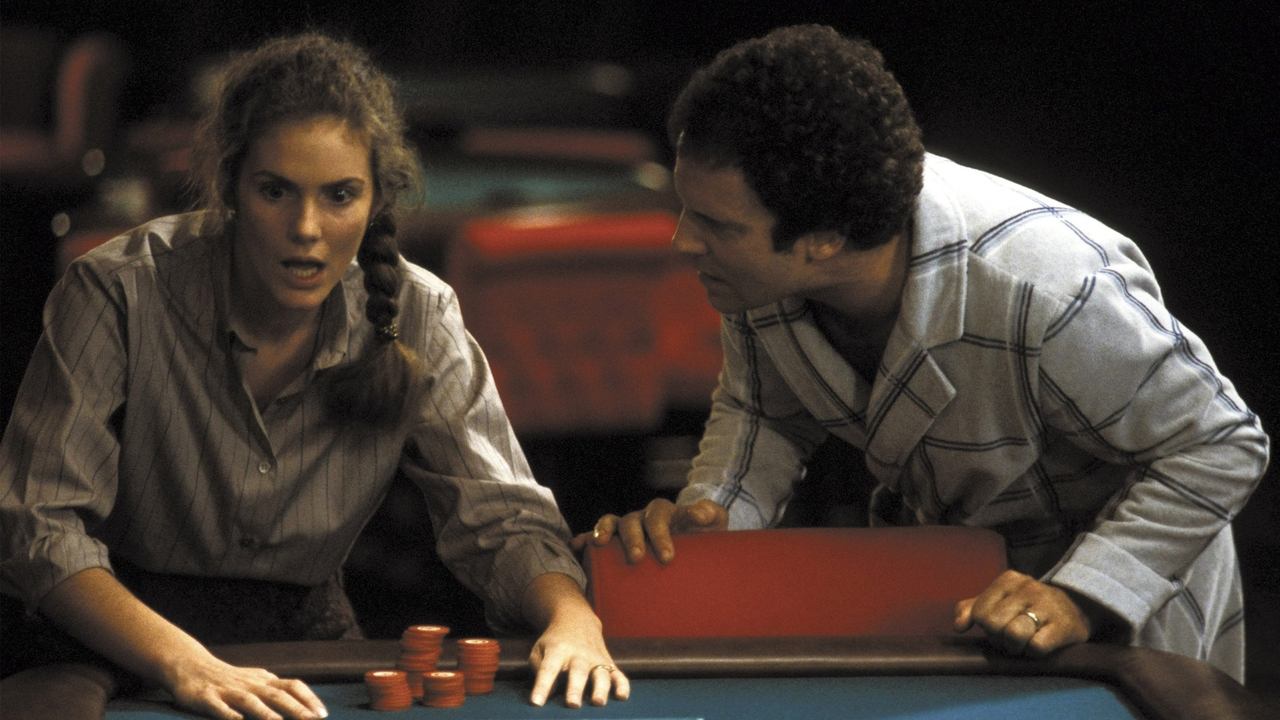
Their idealized journey in that gleaming, ridiculously oversized Winnebago lasts about as long as it takes to get to Las Vegas. This is where Lost in America delivers one of the all-time great comedy sequences, a scene born from Brooks' own admitted anxieties about gambling. Linda, encouraged by David to be more spontaneous and "dangerous," decides to try her luck at roulette while David sleeps. She doesn't just try her luck; she methodically loses their entire nest egg. All $22,000 (which felt like a king's ransom back then – roughly $65,000 today!).
The ensuing confrontation back in the hotel room is pure comedic agony. Brooks cycles through disbelief, rage, forced calmness, and utter despair, while Hagerty delivers Linda’s infamous explanation – "I went over the plan!" – with a wide-eyed innocence that’s both infuriating and weirdly endearing. Remember how palpable David's panic felt? It’s Brooks at his absolute peak, turning raw anxiety into excruciatingly funny cinema.

Meeting the Man
Their desperate attempt to recover the funds leads them to the casino manager, played in a stroke of genius casting by director/producer/actor Garry Marshall. Known more for helming hits like Pretty Woman (1990) or creating Happy Days, Marshall brings a world-weary pragmatism to the role that is the perfect brick wall against David's frantic pleading. His deadpan delivery of lines like, "I'm gonna stop you there... 'cause I know this story," and the legendary dismissal after David tries to invoke the spirit of Easy Rider ("Have you seen the movie? They get shot in the end!") is simply perfect. It’s the moment their naive fantasy slams headfirst into unyielding reality. No heroic movie logic applies here; they screwed up, and the house always wins.
Reality Bites, Hard
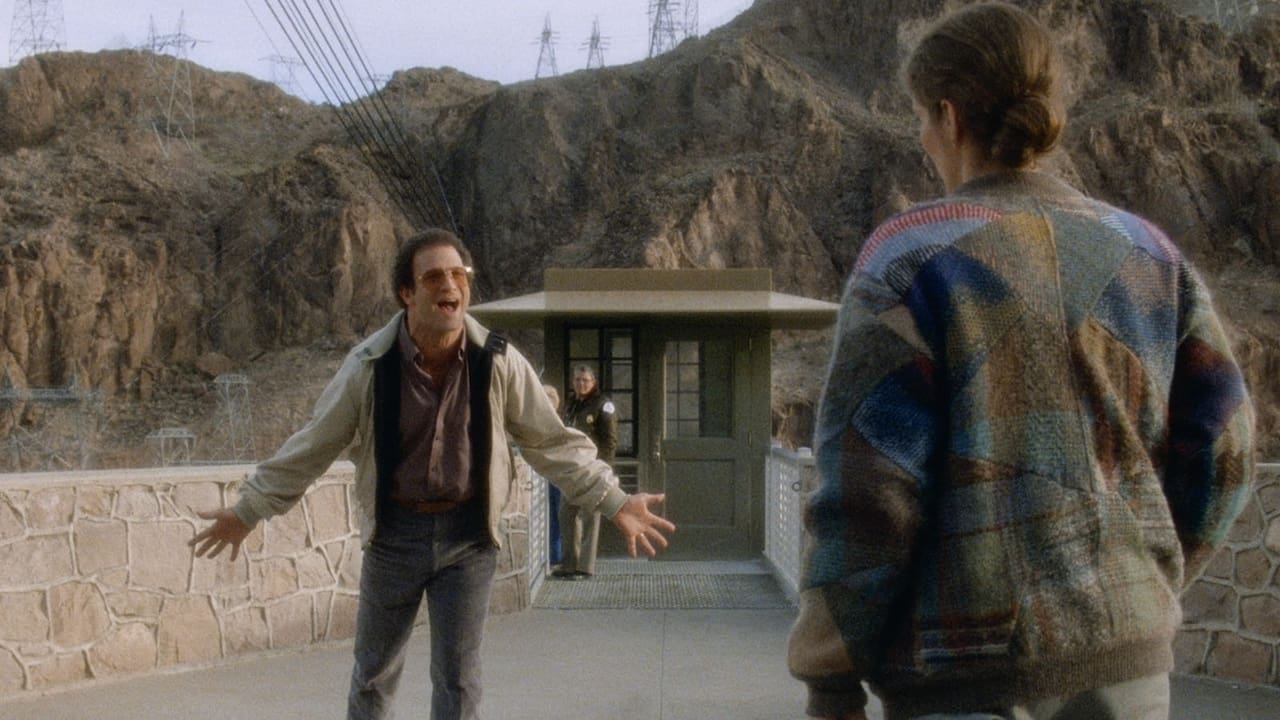
Defeated and nearly broke, the Howards limp towards the Hoover Dam (a suitably massive symbol of man-made structure overwhelming nature, perhaps?) and end up in the small Arizona town of Safford. Their attempts to rejoin the workforce at the bottom rung – David as a crossing guard, Linda as an assistant manager at a fast-food joint (Wiener Burger!) – are humbling and hilarious. They are completely unequipped for minimum-wage life, their former privilege rendering them useless. The film doesn't mock the jobs, but it perfectly skewers the Howards' inability to adapt, highlighting the chasm between their former lives and their current predicament. Seeing Brooks try to assert authority over schoolchildren while wearing a ridiculous yellow vest is a masterclass in comedic deflation.
Brooks' Enduring Edge
Lost in America wasn't a huge box office smash ($10.1 million against maybe $4.5 million budget), but critics adored it, and its reputation as a defining 80s satire has only grown. Watching it on VHS back in the day, maybe rented from a dusty shelf at Blockbuster, it felt uniquely sharp. It wasn't filled with broad slapstick; its humor came from recognition, from the uncomfortable truth beneath the jokes about materialism, the emptiness of the corporate ladder, and the sheer difficulty of actually living the romantic notions we absorb from pop culture. Brooks’ directorial style is observational, patient, letting the absurdity bloom naturally from the characters and situations. It lacks flashy visuals, focusing instead on dialogue and performance, which gives it a timeless quality despite its very 80s anxieties.
---
VHS Heaven Rating: 9/10
Justification: This film earns a high score for its brilliant concept, razor-sharp script, perfect lead performances from Brooks and Hagerty, and its enduringly relevant satire. The humor is intelligent, cringe-inducing, and deeply funny, stemming directly from relatable human flaws and anxieties. The iconic Vegas sequence alone is worth the price of admission (or rental!). It might lack the pyrotechnics of other 80s fare, but its comedic precision and thematic depth are top-tier. It only loses a point perhaps for a slightly less biting final act compared to the ferocious middle section, though even the ending feels appropriately compromised.
Final Rewind: Lost in America is the cinematic equivalent of realizing your escape plan involves accidentally burning the map and losing the car keys. A brutally funny reminder from the VHS vaults that sometimes, the American Dream is just a Winnebago parked sideways in reality. Still hilariously sharp today.