There’s a certain kind of magic, isn’t there, that cinema captures so well? Not necessarily the flash-bang sorcery of wizards, but the quieter, more profound magic of believing in something – or someone – when the world tells you not to. It’s the magic of potential realised, of finding strength you didn’t know you possessed. That feeling is the beating heart of There's Only One Jimmy Grimble (2000), a film that arrived just as the millennium turned but feels deeply rooted in the earnest, hopeful spirit we often associate with the best underdog tales from the decades before.
Rain, Grit, and a Glimmer of Hope
The film immediately plunges us into the damp, grey reality of working-class Manchester. Young Jimmy Grimble, portrayed with a wonderfully understated vulnerability by newcomer Lewis McKenzie, is navigating the treacherous waters of secondary school. He's painfully shy, relentlessly bullied, and harbours a secret passion: football. Specifically, Manchester City, a choice that, back then, often felt like an embrace of perpetual hope over expectation – a fitting parallel for Jimmy himself. His own footballing skills are hampered by nerves and lack of confidence, making him a benchwarmer for the hapless school team, managed by the well-meaning but utterly overwhelmed PE teacher, played with delightful comedic anxiety by Ben Miller.
The atmosphere is captured perfectly – the echoing school corridors, the muddy playing fields under perpetually overcast skies, the slightly worn-down but resilient spirit of the community. Director John Hay, who also co-wrote the screenplay adapted from Simon Mayle's novel, crafts a world that feels authentic and lived-in. It’s a setting where dreams often feel like luxuries, making Jimmy's burgeoning talent all the more precious.

The Boots Maketh the Man?
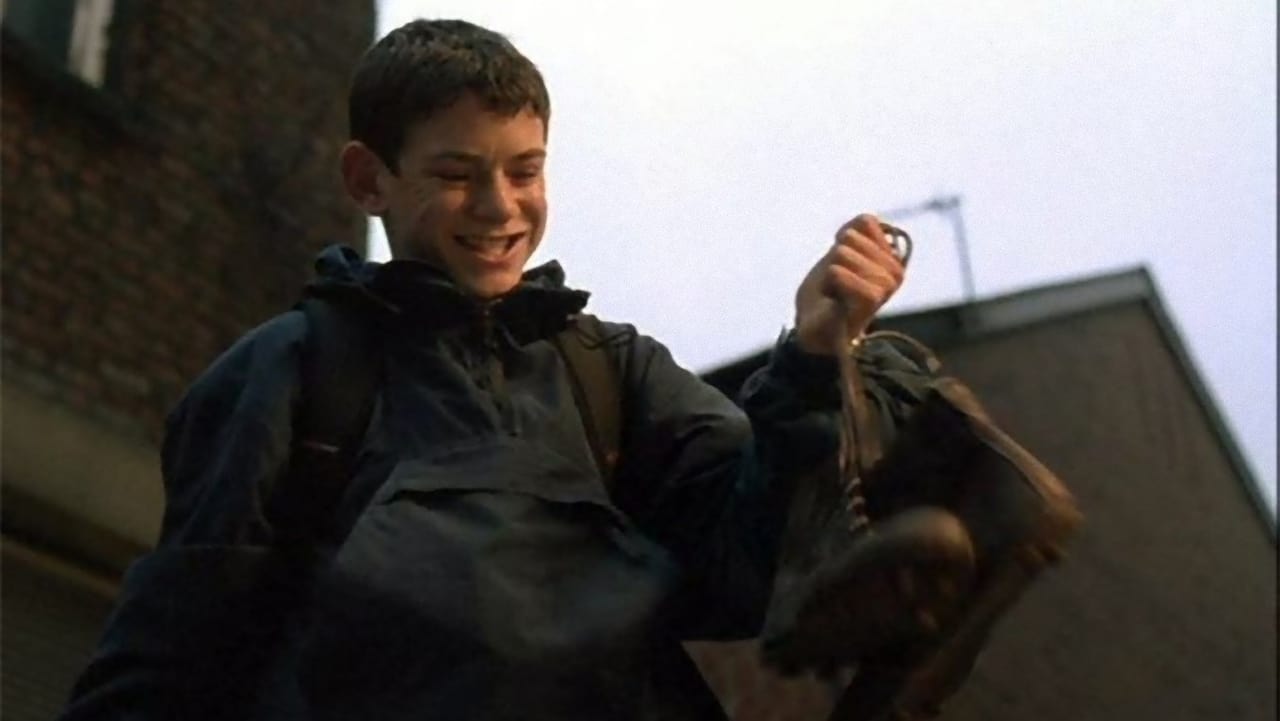
The catalyst for change arrives in the form of a pair of old, seemingly discarded football boots, gifted to Jimmy by a mysterious homeless man (also Ben Miller in a quirky dual role as 'Johnny Two Dogs'). These aren't just any boots; they once belonged to a legendary City player. When Jimmy puts them on, something shifts. Suddenly, he’s weaving past defenders, scoring impossible goals, transforming from a timid benchwarmer into the team's star player.
But is it truly the boots? The film cleverly plays with this ambiguity. We see Jimmy's confidence soar, his posture change, his eyes light up. Lewis McKenzie truly shines here, subtly conveying this internal transformation alongside the dazzling on-pitch footwork. It raises that timeless question: does the magic reside in the object, or in the belief it inspires within the wearer? Doesn't finding that external symbol sometimes just unlock what was inside all along? It's a potent metaphor for finding one's own power, whether through a lucky charm, a mentor's encouragement, or simply a shift in self-perception.
Redemption on the Sidelines
While Jimmy's journey is central, the film gains significant emotional weight from the presence of Robert Carlyle as Eric Wirral, the team's new coach. Carlyle, who could command the screen with ferocious energy in films like Trainspotting (1996) or heartbreaking vulnerability in The Full Monty (1997), brings a quieter intensity here. Eric is a former professional footballer whose own dreams crumbled; now driving a laundrette van, he sees echoes of his younger self in Jimmy.
His coaching is less about tactics and more about mentorship, about rebuilding Jimmy's shattered self-esteem. Carlyle masterfully portrays Eric's own internal struggles – the ghosts of his past failures, his tentative steps towards finding purpose again through guiding these kids. His scenes with McKenzie are the film's emotional core, a beautifully depicted relationship between a reluctant mentor and a boy desperately needing someone to believe in him. Adding another layer of gritty authenticity is Ray Winstone as Harry, the intimidating coach of the rival school team, embodying the win-at-all-costs mentality that Eric and Jimmy must overcome.
More Than a Game
There's Only One Jimmy Grimble uses football as a lens to explore broader themes. It’s about overcoming adversity, the corrosive effects of bullying, the importance of community spirit, and navigating complex family dynamics. Gina McKee provides a warm, grounded presence as Jimmy’s supportive mum, Donna, quietly dealing with her own challenges. The film doesn't shy away from the harsh realities of school life but balances it with genuine moments of camaraderie and humour.
Filmed largely on location in Oldham, Greater Manchester, the film has an unmistakable sense of place. The soundtrack, featuring tracks from iconic Manchester bands like Oasis, further roots it in its setting. Though released in 2000, its straightforward narrative, focus on character, and lack of cynicism give it a nostalgic quality, reminiscent of classic British films that find drama and heart in everyday lives. It's a modest production, reportedly made for around £2 million, but its impact far outweighs its budget. It even picked up the Crystal Bear for Best Feature Film in the Children's Jury section at the Berlin International Film Festival in 2001, a testament to its universal appeal.
The story handles the 'magic boots' element with satisfying nuance. Ultimately, the film suggests that the real magic isn't sewn into the leather, but discovered within Jimmy himself. The boots were merely the key that unlocked the door.
***
Rating: 8/10
This rating feels earned due to the film's immense heart, the genuinely touching performances (especially from McKenzie and Carlyle), and its authentic portrayal of adolescent struggles and triumphs. It successfully transcends the sports movie formula by focusing on character development and emotional resonance. While the plot follows familiar underdog beats, it does so with such sincerity and warmth that predictability hardly matters. It's a film that captures the specific anxieties and joys of being young and finding your footing, wrapped in a quintessentially British sensibility.
There's Only One Jimmy Grimble is a film that stays with you, not for dazzling special effects or shocking twists, but for its simple, powerful message about belief – in yourself, in others, and maybe, just maybe, in a little bit of everyday magic. It’s a reminder that sometimes, the greatest victories aren't just won on the pitch, but within our own hearts. A true gem that feels like pulling on a comfortable old jumper – familiar, warm, and deeply comforting.