Some doors are meant to remain locked. Behind them lie not treasures, but truths steeped in privilege and shadow, secrets guarded by generations who value loyalty above all else – even life. The allure of the forbidden, the promise of power whispered in ivy-clad halls... that's the intoxicating darkness at the heart of The Skulls, a film that tapped into the persistent, unsettling myths surrounding elite secret societies just as the millennium turned. It arrived on video store shelves like a glossy, forbidden invitation, promising a glimpse into a world most of us could only imagine, or perhaps, fear.
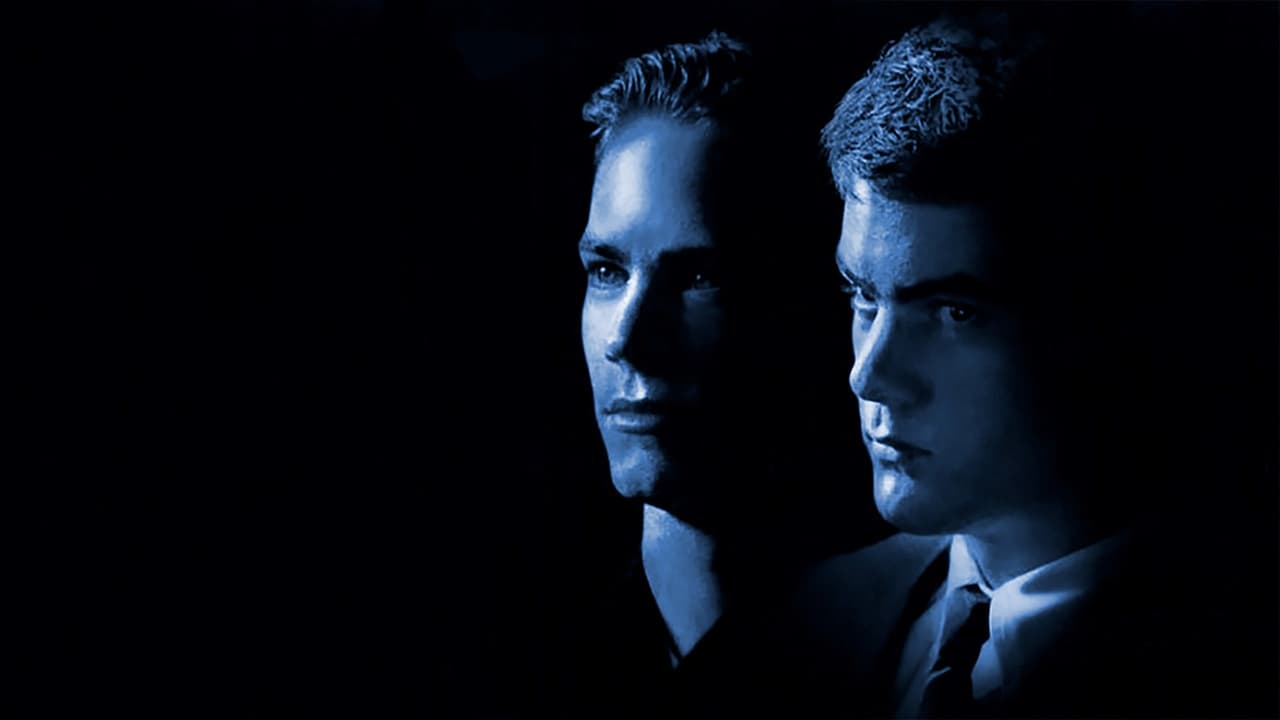
Gothic Whispers on Campus
Director Rob Cohen (Dragonheart, Daylight), working from a script by John Pogue, crafts a vision of university life less concerned with keg stands and finals, and more with clandestine rituals and the corrupting influence of absolute power. The film leans heavily into its gothic atmosphere. While supposedly set at Yale, the hallowed halls are convincingly portrayed by the University of Toronto and other Canadian locations like Osgoode Hall. The ‘Tomb’, the Skulls’ impenetrable headquarters (exteriors filmed at Deer Park United Church), feels appropriately ancient and foreboding, a stone fortress guarding dark secrets. Inside, flickering candlelight, heavy wood panelling, and hushed ceremonies create a palpable sense of stepping outside the modern world and into something older, more sinister. It tapped directly into those real-world whispers about Yale's actual Skull and Bones society – the rumoured stolen artefacts, the powerful alumni network – giving the film’s premise a veneer of chilling plausibility, even if fictionalized.
The Chosen Few
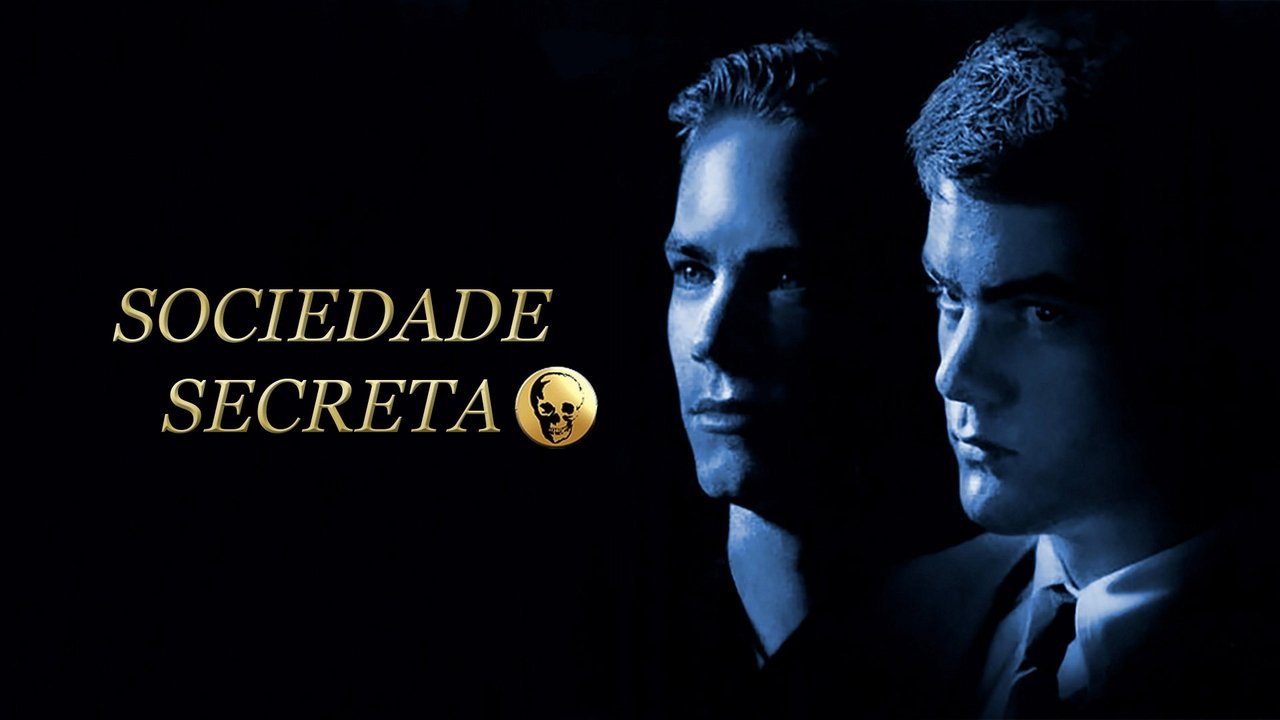
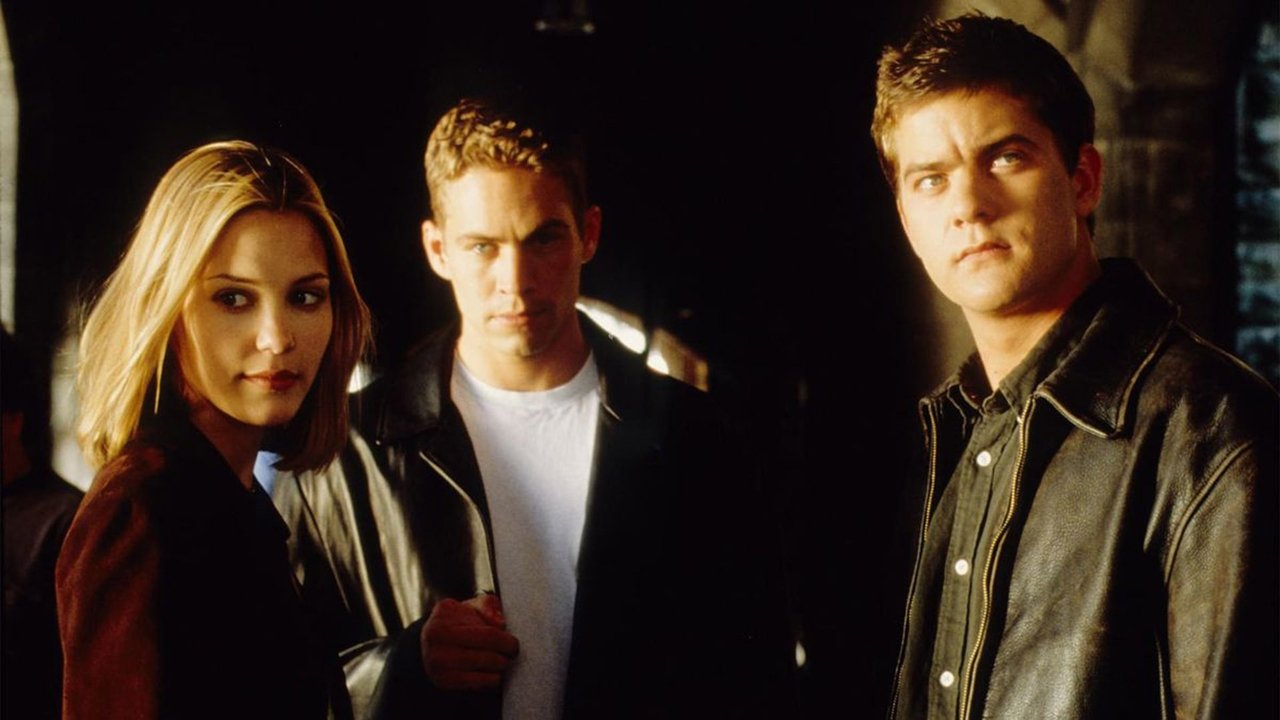
At the center are Luke McNamara (Joshua Jackson, then riding high on Dawson’s Creek fame) and Caleb Mandrake (Paul Walker, already carving his niche before hitting superstardom with Cohen again in The Fast and the Furious the following year). Luke is the working-class townie, rowing his way to opportunity, drawn by the promise of connections and financial security the Skulls offer. Caleb is the scion of privilege, his father (a suitably stern Craig T. Nelson) a prominent member and federal judge. Their dynamic, the outsider welcomed into the inner circle only to discover its rotten core, forms the film's spine. Jackson plays the earnest, increasingly desperate protagonist well, while Walker embodies the conflicted golden boy, torn between loyalty and conscience. Hill Harper as Will, Luke’s initially sceptical roommate, provides the crucial moral anchor, his fate becoming a catalyst for the unfolding dread. The performances capture that specific brand of early-2000s young adult intensity, a seriousness that feels both fitting for the thriller elements and perhaps a touch melodramatic in hindsight.
Behind the Ivy Curtain
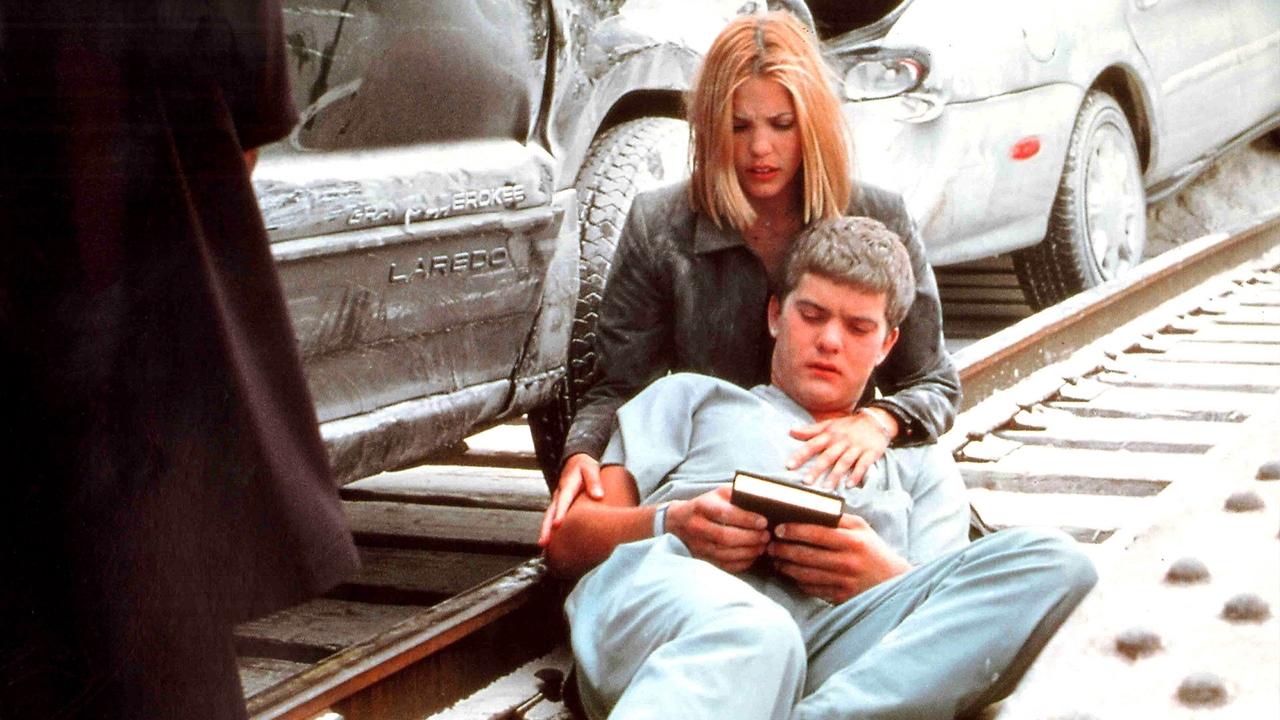
The film doesn't shy away from depicting the allure before revealing the horror. Lavish parties, access to wealth, the seductive promise that membership guarantees success – Cohen effectively portrays why someone like Luke would be tempted. Yet, beneath the surface, the tension mounts. Initiation rituals hint at darker traditions, and the absolute secrecy demanded by the Skulls begins to feel less like camaraderie and more like a cage. When a supposed suicide rocks the campus, Luke's investigation pulls him deeper into a conspiracy where the society’s influence reaches terrifyingly high. The script cleverly uses the real legends surrounding Skull and Bones – its powerful alumni in government and industry – to fuel the paranoia. You start to wonder, could something like this actually happen? That slight shiver of doubt is where the film finds its most effective chills. It wasn't just a movie plot; it felt like tapping into a conspiracy theory many had already heard murmured.
A Product of Its Time?
Watching The Skulls now, nestled comfortably back on the sofa decades after first sliding that tape into the VCR, its turn-of-the-millennium thriller mechanics are apparent. The plot twists might feel a bit predictable to seasoned genre fans, and some dialogue definitely lands with the specific earnestness of its era. Yet, there’s an undeniable charm to its straightforward approach. This wasn't a deconstruction or a meta-commentary; it was a slickly produced thriller aiming squarely for suspense and intrigue, built on a premise that felt genuinely unnerving. It found its audience, pulling in over $50 million worldwide against a $15 million budget, proving the fascination with secret societies was strong. Critics at the time were less kind, but for many teenagers and young adults renting it that year, it delivered the promised shadowy thrills. Remember the slightly clunky early internet scenes, or the sheer intensity of the rowing duels meant to symbolize deeper conflicts? It’s pure Y2K-era filmmaking.
Enduring Echoes
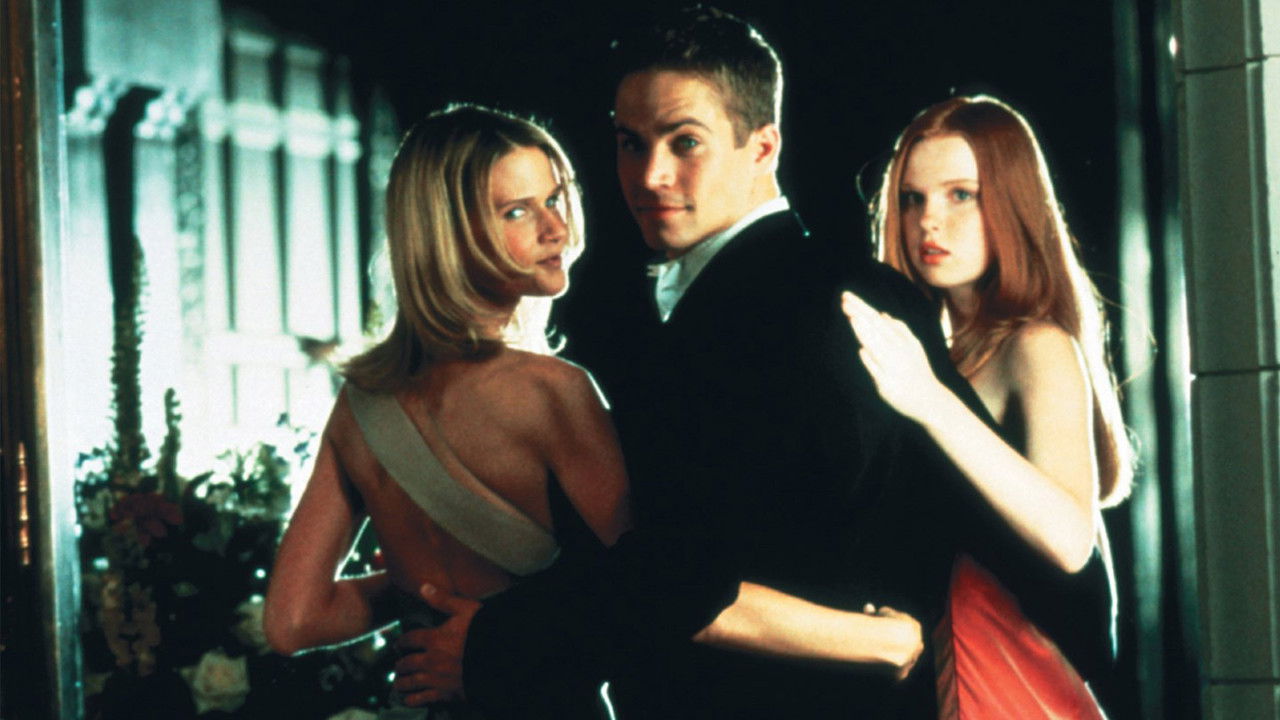
The Skulls may not be a forgotten masterpiece, but it remains a fascinating snapshot. It captured a specific anxiety about power, privilege, and the unseen forces shaping the world, packaging it into an accessible thriller format. It capitalized on the charisma of its rising stars and leaned into a perpetually intriguing real-world mystery. While it spawned two direct-to-video sequels (The Skulls II in 2002 and The Skulls III in 2004), neither recaptured the modest zeitgeist moment of the original. Does the central mystery still hold water? Perhaps not entirely, but the atmosphere Cohen builds, the potent paranoia it evokes, and the memory of watching Jackson and Walker navigate this shadowy world still resonate.
Rating: 6/10
The score reflects a film that successfully creates a moody atmosphere and leverages a compelling premise, anchored by committed performances from its young leads. It delivers decent thriller mechanics typical of its time, even if predictability and some dated elements hold it back from true greatness. It's a solid, enjoyable slice of Y2K-era paranoia that perfectly captures the allure and fear of secrets kept behind closed doors. It remains a quintessential late-night VHS rental – intriguing, slightly conspiratorial, and best watched with the lights down low.