Okay, pull up a beanbag chair and let’s dim the lights. Tonight, we’re popping in a tape – alright, maybe more likely an early DVD for this one – that might have initially slipped past your radar amidst the late-90s blockbuster noise, but absolutely deserves a spot in our hall of retro fame. We're venturing slightly past our usual cutoff to the year 2000, but trust me, The Foul King (반칙왕 - Banchikwang) feels spiritually connected to the character-driven comedies and underdog stories we cherished on VHS. It arrived just as South Korean cinema was starting its incredible global ascent, offering a unique blend of slapstick, pathos, and surprisingly painful-looking wrestling slams.
Remember those expanding "World Cinema" sections in the video store, tucked away near the documentaries? Finding a film like The Foul King felt like uncovering a secret handshake, a gateway into something vibrant and different. And at its heart is a performance that remains utterly captivating.
The Cubicle and The Canvas
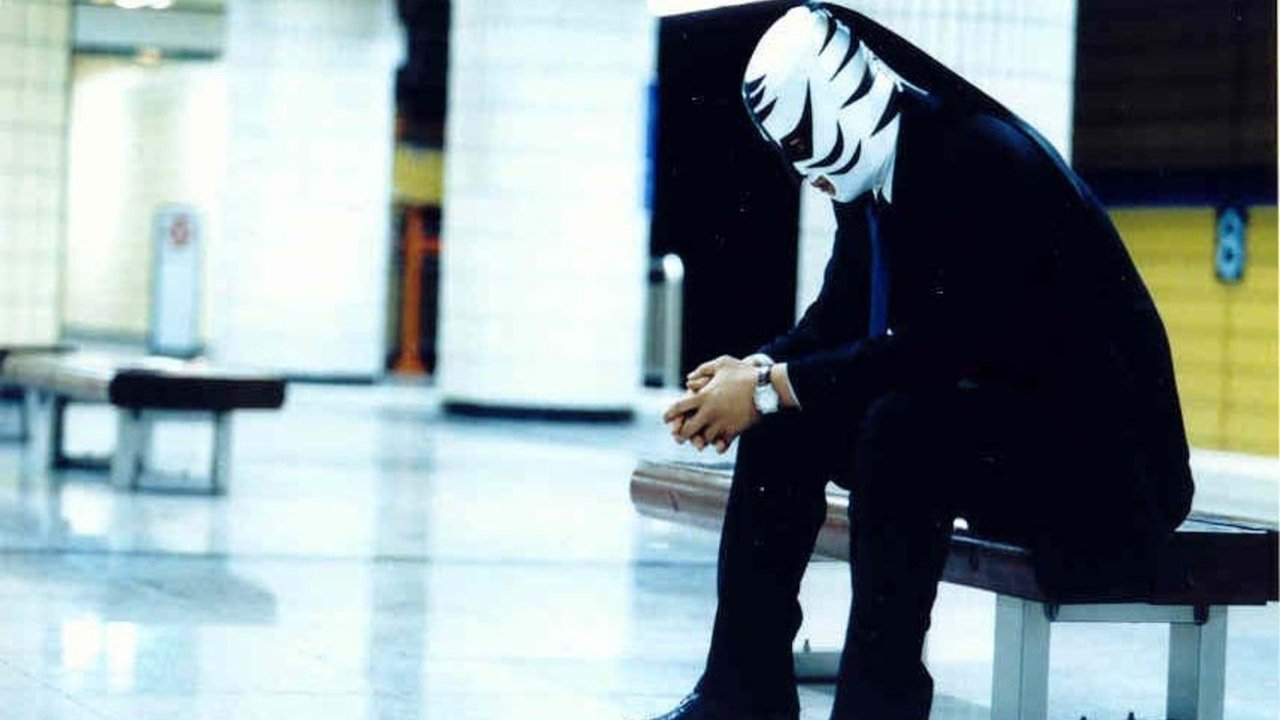
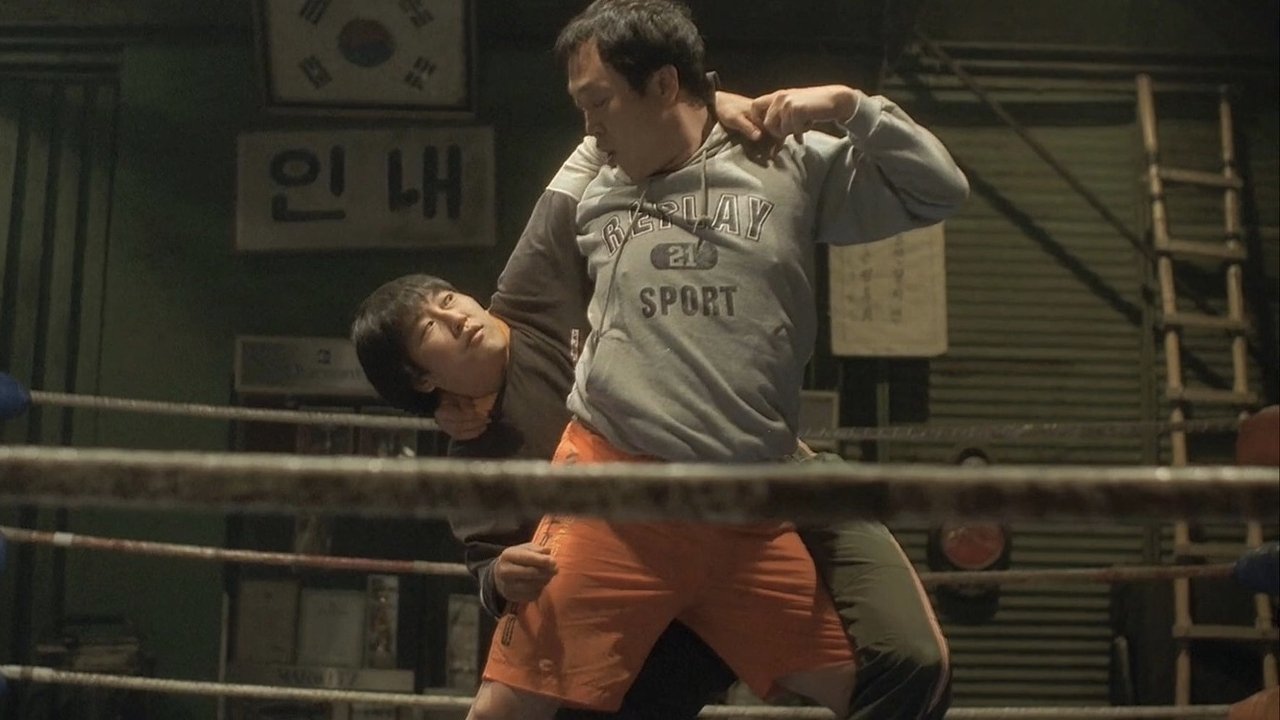
The film introduces us to Im Dae-ho, played by the incomparable Song Kang-ho (long before his Oscar triumph with Parasite (2019), but already showcasing the immense talent that would define his career – think back to his earlier intense roles in films like Shiri (1999) or Joint Security Area (2000), released the same year!). Dae-ho isn’t just meek; he’s practically invisible. Trapped in the soul-crushing routine of a bank clerk job, he endures constant belittlement from his arrogant boss (that headlock scene – painfully funny, wasn't it?). He’s the archetypal everyman pushed too far, drowning in quiet desperation. Song Kang-ho embodies this crushing normality with heartbreaking authenticity. You see the weight of the world in his slumped shoulders and defeated eyes. His quiet suffering is palpable, making his eventual transformation all the more compelling. What does a man do when the pressure becomes unbearable?
Enter the Squared Circle
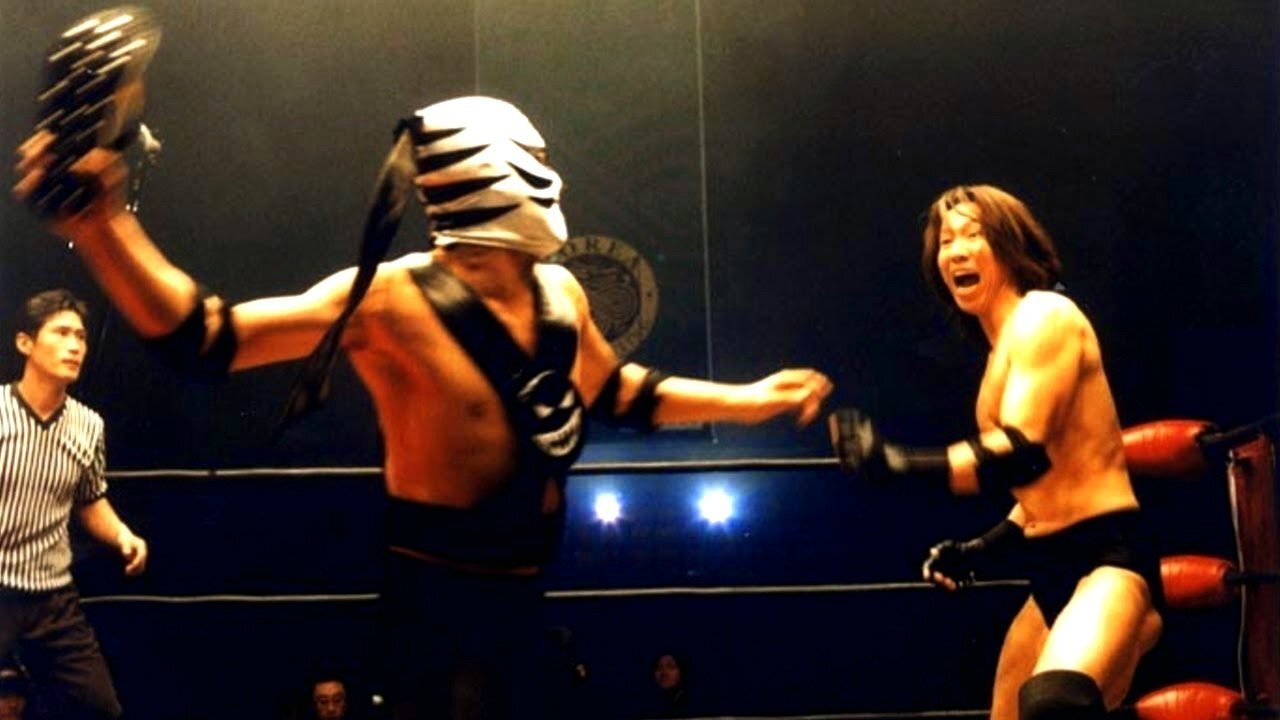
Dae-ho’s unlikely salvation comes in the form of professional wrestling. Seeking an outlet – initially, just a way to put his boss in a headlock without consequence – he stumbles into a dilapidated gym run by a washed-up former wrestler, played with gruff charm by Park Sang-myun. What follows is a journey into the bizarre, physically demanding world of staged combat. This isn't the polished spectacle of late-90s WWF; it feels grittier, more local, almost endearingly ramshackle. Director Kim Jee-woon, who would later give us visually stunning and often brutal films like A Tale of Two Sisters (2003) and I Saw the Devil (2010), demonstrates his versatility here, masterfully balancing the physical comedy of Dae-ho's training mishaps with the genuine pain and effort involved.
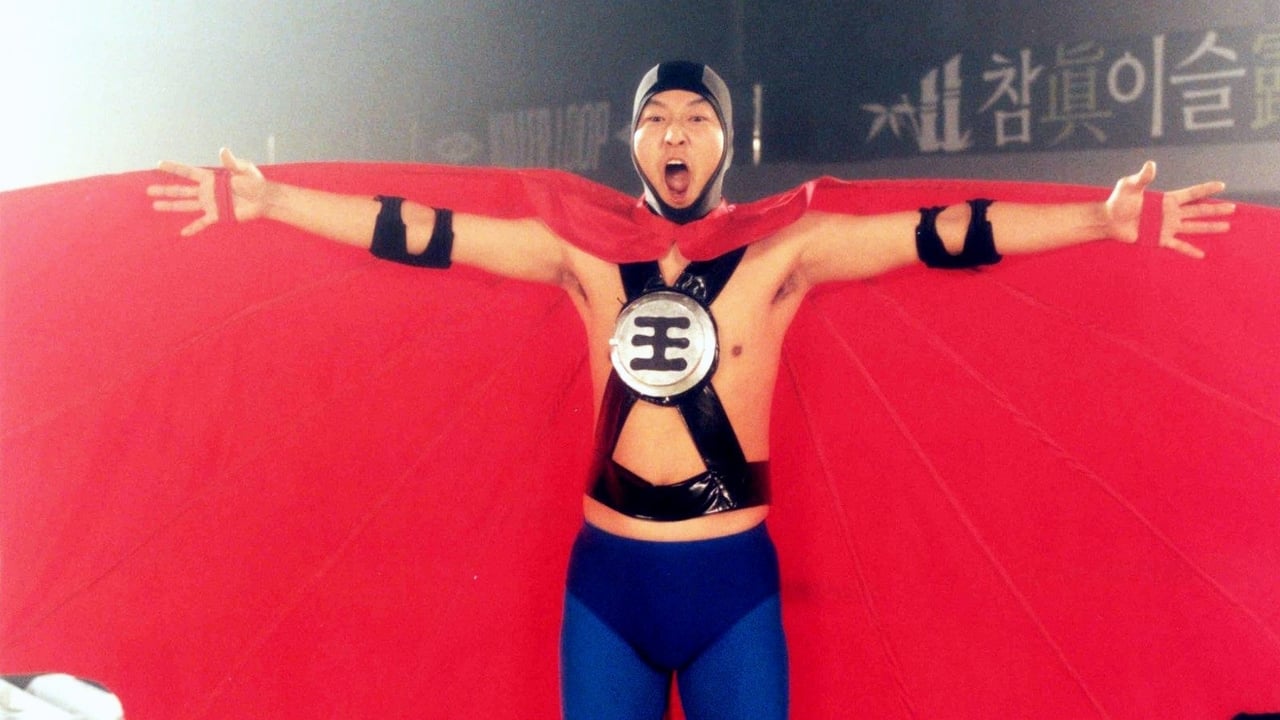
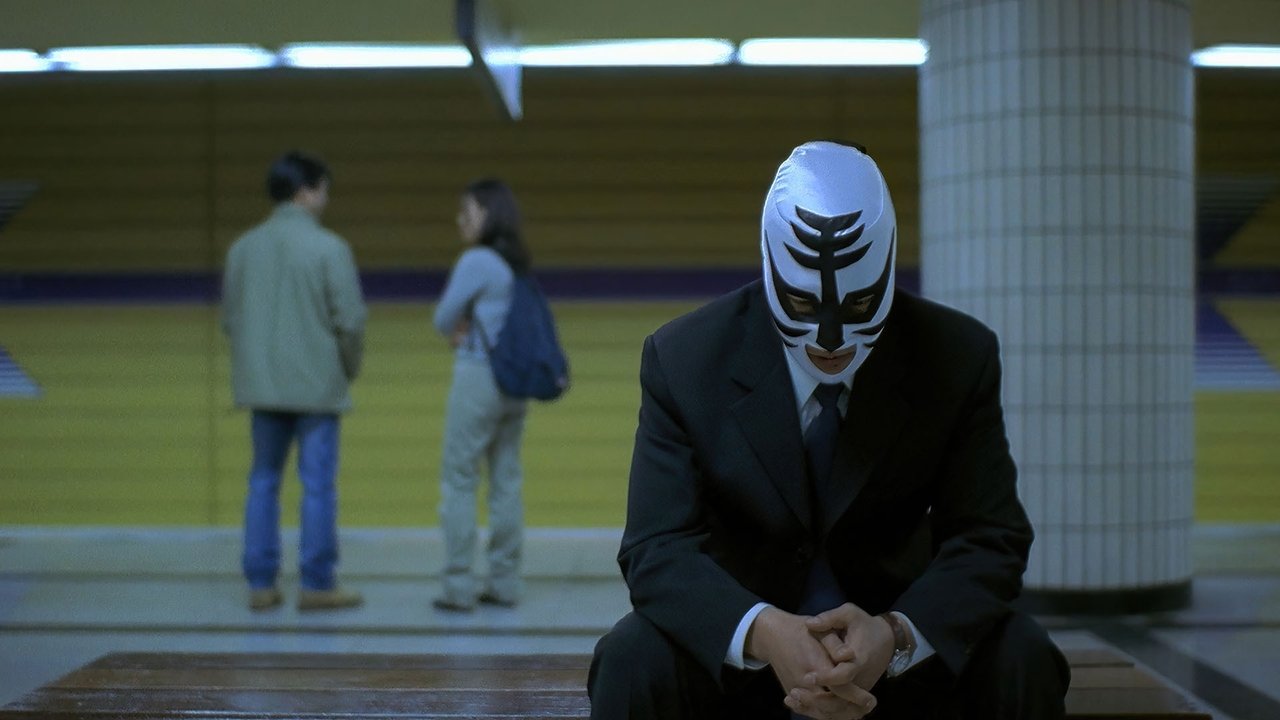
And the effort was real. Song Kang-ho, dedicated as ever, reportedly performed around 90% of his own wrestling stunts. He trained extensively for months, learning falls, throws, and holds, and inevitably picked up injuries along the way. Knowing this adds another layer to watching those scenes – the slams look painful because, well, they often were. It wasn't just acting; it was sheer physical commitment, selling both the absurdity and the unexpected grace Dae-ho finds in his masked persona, the titular "Foul King." His chosen gimmick? The heel, the rule-breaker, the villain everyone loves to hate – a perfect contrast to his timid real-life self.
More Than Just Laughs and Luchadors
While the premise invites broad comedy, and The Foul King certainly delivers laughs (the training sequences alone are gold), the film resonates because it never loses sight of its emotional core. Dae-ho's journey isn't just about learning wrestling moves; it's about finding a voice, reclaiming agency, and discovering a hidden strength. His growing confidence, symbolized by the mask that allows him to shed his inhibitions, is genuinely affecting. The supporting characters, particularly Jang Jin-young as the wrestler daughter of the gym owner who sees something special in Dae-ho, add warmth and grounding. Her belief in him feels earned and provides a crucial emotional anchor.
Kim Jee-woon skilfully uses the wrestling world as a metaphor. Is the performative aggression inside the ring any less real than the passive aggression Dae-ho endures daily at the bank? The film asks us to consider where we find our own masks and what hidden personas allow us to cope or thrive. It’s a theme that feels timeless, doesn’t it? That search for an escape, a place where you can finally be seen, even if it's under the guise of a cheating wrestler in spandex.
A True Contender
The Foul King was a smash hit in South Korea, further solidifying Song Kang-ho as a major star and showcasing Kim Jee-woon's directorial range early in his career. For international audiences discovering it on DVD around the turn of the millennium, it was often a delightful introduction to the richness and variety of Korean filmmaking. It expertly mixes genres – it’s a workplace comedy, a sports movie, a character drama, and a touching underdog story all rolled into one. The pacing feels right, building Dae-ho’s journey organically, leading to a climax that is both thrilling and emotionally satisfying. The practical nature of the wrestling, the slightly worn look of the gym – it all feels tangible, grounded, much like the best character pieces of the preceding decades we often celebrate here at VHS Heaven.
Rating: 8.5/10
This score reflects a film that achieves exactly what it sets out to do, blending humor and heart with exceptional skill. Song Kang-ho's performance is magnetic, anchoring the film with vulnerability and physicality. While technically a 2000 release, its spirit – the focus on character, the blend of tones, the underdog narrative, and its arrival during that transitional physical media period – makes it feel right at home in our collection. It might lack the high-octane gloss of some Western counterparts, but its authenticity and emotional resonance are undeniable.
The Foul King is more than just a quirky comedy; it’s a reminder that sometimes, you need to put on a mask to finally show your true face. A gem that absolutely holds up and still brings a smile – and maybe a sympathetic wince – decades later.