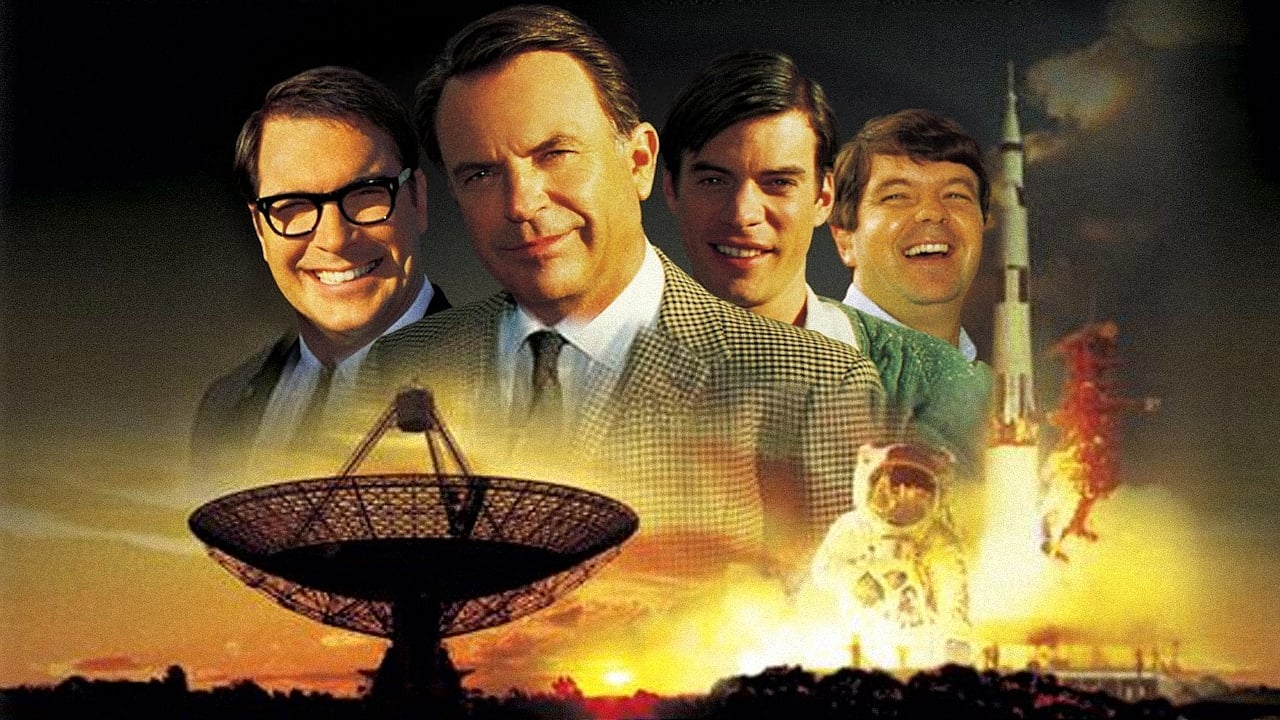
It’s a strange thing, isn't it? How monumental history can intersect with the most ordinary of places. One minute you're worrying about the local dance, the next you're a critical link in broadcasting mankind's first steps on the Moon to a watching world. That delightful, slightly surreal collision is the heart of The Dish, a film that arrived right at the dawn of the new millennium (2000) but possessed a spirit that felt instantly familiar, like a well-loved tape discovered at the back of the shelf. It captures a moment – July 1969 – with such warmth and gentle humour that it feels like a memory unearthed, polished, and presented with a fond smile.
A Sheep Paddock on the World Stage
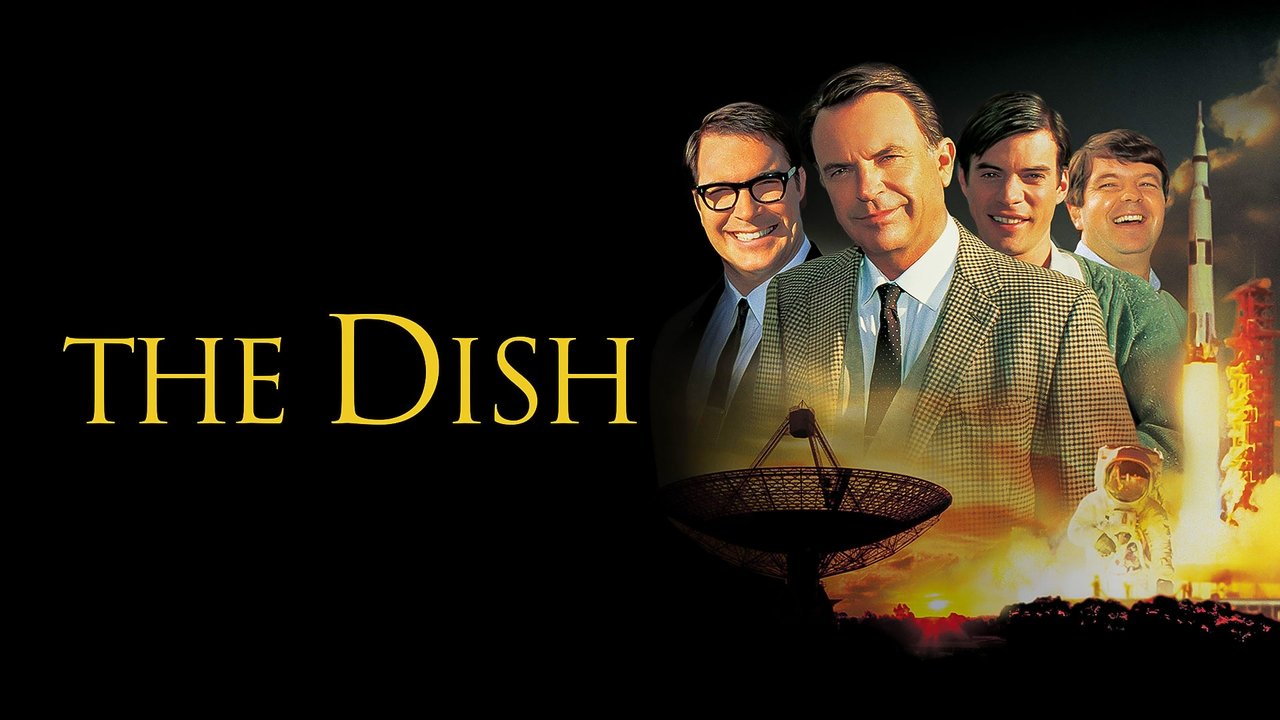
The setting itself is half the charm. Parkes, New South Wales: a rural Australian town known more for its sheep farming than its astrophysics. Yet, nestled nearby sits the Parkes Observatory, a massive radio telescope – "The Dish" – contracted by NASA to help relay the television signals from the Apollo 11 mission. The film, directed by Rob Sitch (part of the brilliant Australian comedy troupe Working Dog, who gave us the utterly quotable The Castle in 1997), finds endless, affectionate comedy and quiet drama in the juxtaposition. We have the slightly bewildered, fiercely proud local team, led by the steady, thoughtful Cliff Buxton (Sam Neill), grappling with immense responsibility, quirky equipment, and the occasional cultural misunderstanding with the by-the-book NASA representative, Al Burnett (Patrick Warburton, perfectly cast).
What unfolds isn't a high-stakes techno-thriller, but something far more resonant: a character study of a community caught up in something far bigger than itself. The screenplay, penned by Sitch and his long-time collaborators Santo Cilauro, Tom Gleisner, and Jane Kennedy, excels at finding the human moments amidst the technical jargon. The anxieties aren't just about signal lock and trajectory; they're about proving their worth, managing local politics (personified by the wonderfully puffed-up Mayor Bob McIntyre, played by Roy Billing), and navigating the personal lives that continue even as history unfolds overhead.
Understated Excellence
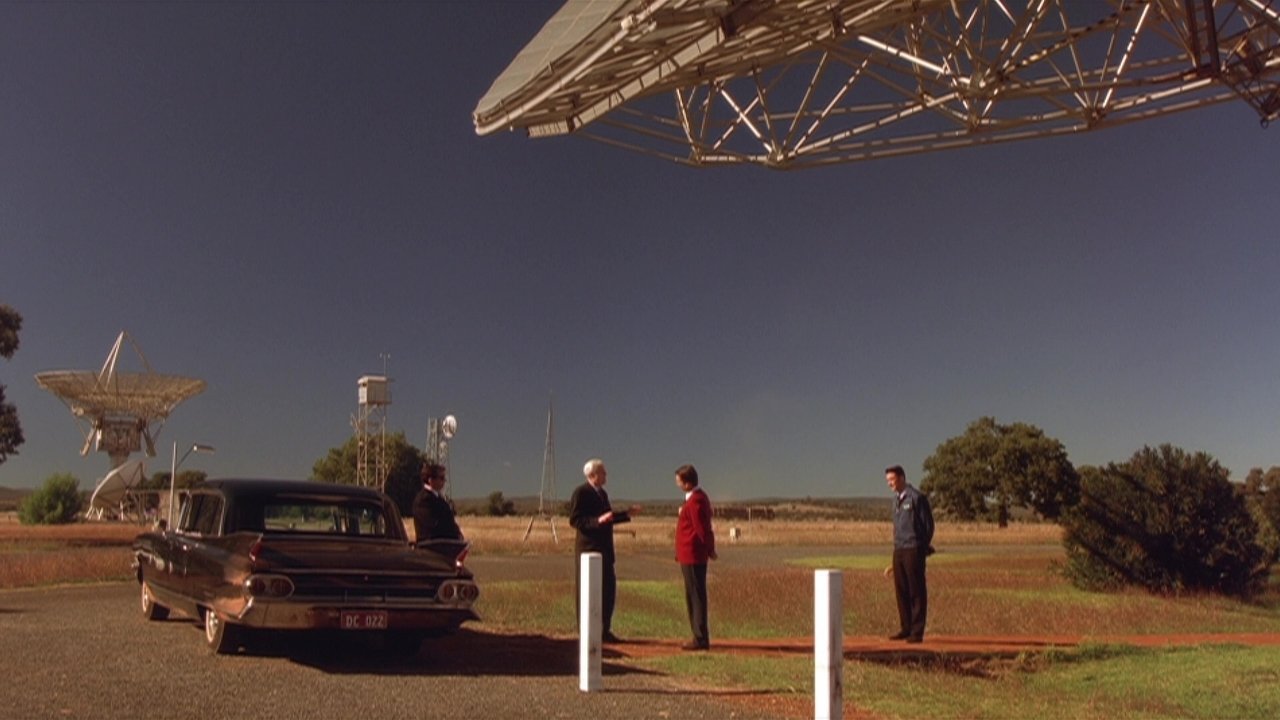
The performances are key to the film's enduring appeal. Sam Neill, always an actor of quiet integrity, embodies Cliff Buxton with a wonderful blend of capability and weary decency. He’s the calm centre around which the charmingly eccentric chaos revolves. We see the weight of the world on his shoulders, but also the quiet pride in his team. That team, including the eager Mitch (Kevin Harrington) and the scientifically brilliant but socially awkward Glenn (Tom Long), feels utterly authentic. Their camaraderie, their minor squabbles, their shared moments of panic and triumph – it all rings true. There’s a distinct lack of Hollywood gloss here; these feel like real people doing their best under extraordinary circumstances.
This authenticity extends to the film's gentle humour. It arises naturally from character and situation – the townspeople attempting Beatles covers, the subtle cultural clashes, the sheer absurdity of playing cricket in the shadow of the giant dish. It never feels forced or mean-spirited; it’s observational comedy born from affection for its subjects. It’s the kind of humour that invites you in, making you feel part of the Parkes community for a couple of hours.
Spinning Fact into Charming Fiction
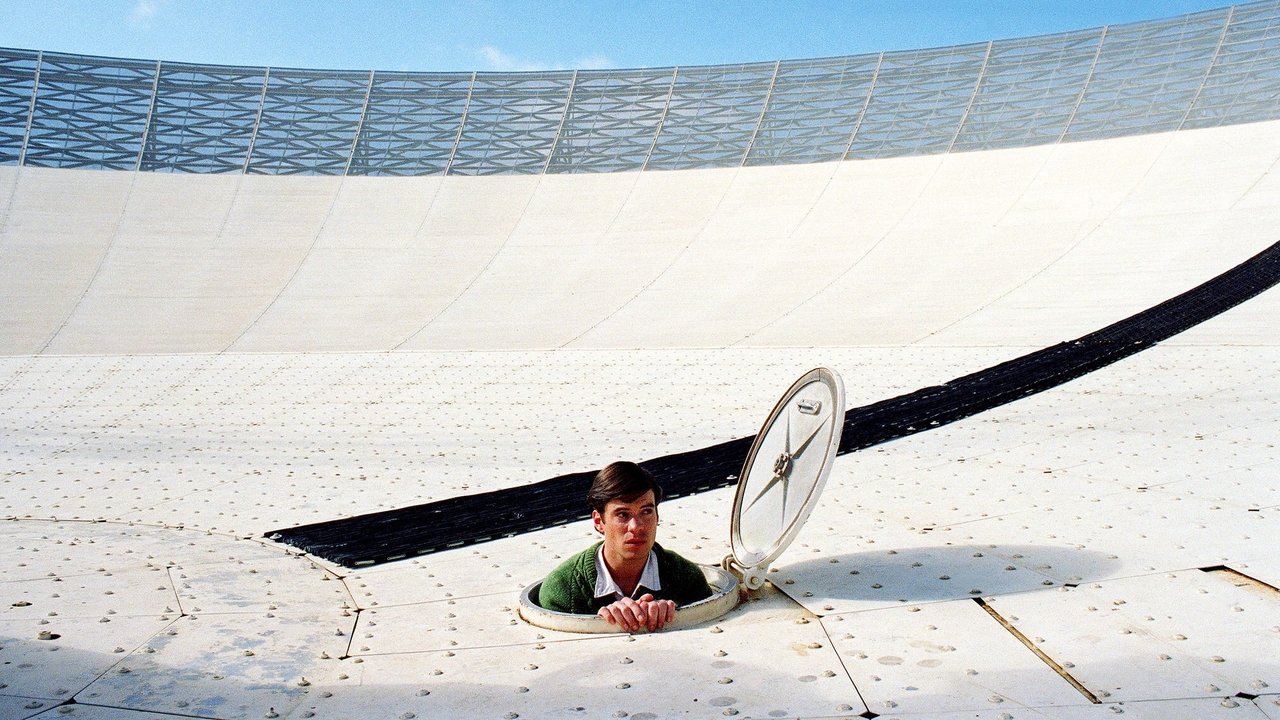
Now, it's worth noting for the history buffs among us that The Dish takes considerable dramatic license. While the Parkes Observatory did play a vital role (transmitting those iconic primary images of the moonwalk after overcoming technical hitches and strong winds – the film amusingly elevates these winds to near-hurricane levels!), certain events – the complete power failure requiring backup generators, the Prime Minister's ill-timed visit during the landing, the dish "losing" the astronauts – were largely fabricated for narrative spice. Does it matter? Not really. The Working Dog team weren't aiming for a documentary; they were capturing the spirit of the event, the feeling of national pride and the slightly chaotic, can-do attitude that felt uniquely Australian. They successfully transformed historical footnotes into engaging mini-stories that serve the larger themes of teamwork and quiet heroism. The film, made for a relatively modest budget (around AUD $11 million), became a significant success, particularly in Australia, precisely because it tapped into this national sentiment so effectively.
The production itself feels grounded, reflecting its subject. The period detail is spot-on without being distracting, capturing the look and feel of 1969 Australia. The use of actual archival footage from the moon landing, interwoven seamlessly, adds a layer of poignant reality. Watching those grainy black-and-white images flicker across the monitors in the control room, you share the characters' sense of awe. It reminds us, perhaps, of a time when the world could unite, even briefly, around a shared moment of wonder. Doesn't that feeling itself evoke a certain nostalgia?
The Verdict
The Dish isn't flashy or complex, but its charm is undeniable and deeply felt. It’s a film about ordinary people achieving something extraordinary, told with warmth, wit, and a profound sense of humanity. It reminds us that history isn't just made by famous names in faraway places, but also by dedicated individuals in quiet corners of the world, trusting each other and doing their jobs. The performances are uniformly excellent, capturing the understated Australian character beautifully, and the direction finds the perfect balance between gentle comedy and genuine heart. It might have missed the main VHS rental boom by arriving in 2000, but its spirit feels perfectly aligned with the best kind of character-driven, feel-good cinema we remember fondly from the shelves of our local store.
Rating: 9/10
This score reflects the film's near-perfect execution of its goals. It blends humour, history (albeit embellished), and heartfelt performances into an incredibly charming and rewatchable whole. It achieves a specific, warm tone and maintains it beautifully, carried by an excellent ensemble cast led by a wonderfully grounded Sam Neill. It’s a cinematic comfort food that reminds you of the power of community and shared endeavour.
What lingers most after the credits roll? Perhaps it’s the simple, powerful idea that even amidst the static of everyday life, moments arrive when we all look up at the same sky, united in awe.