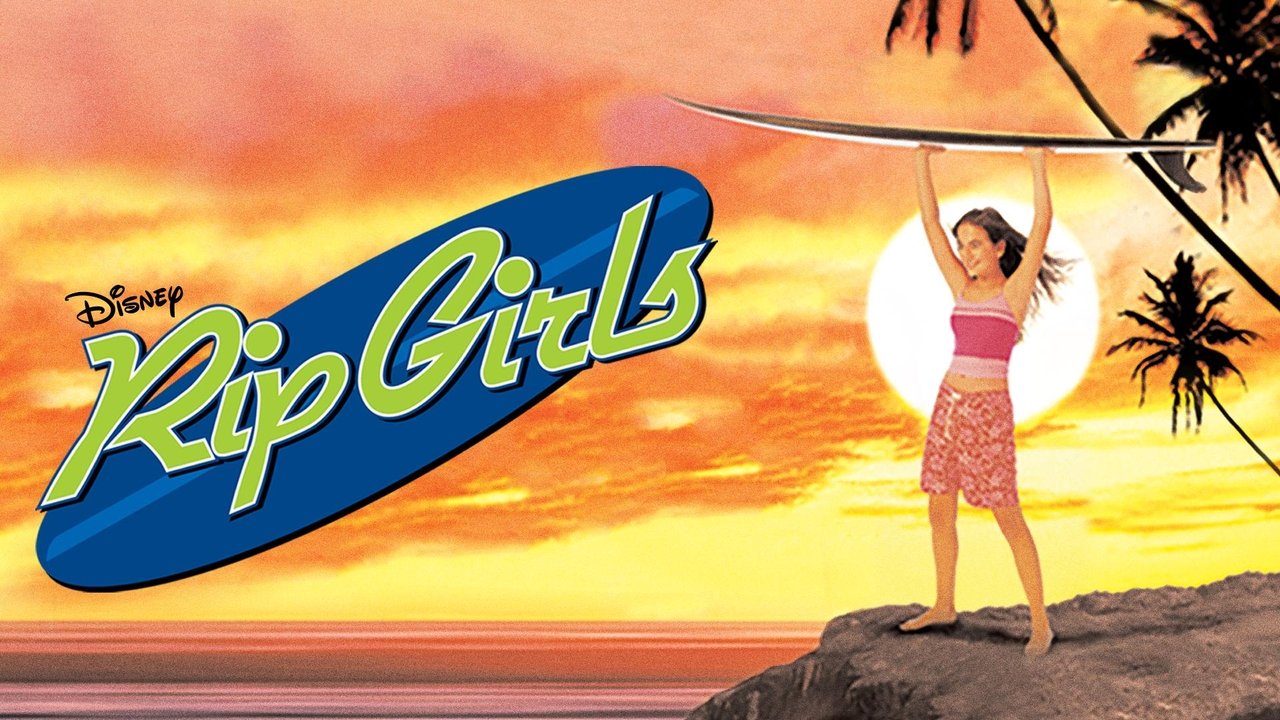
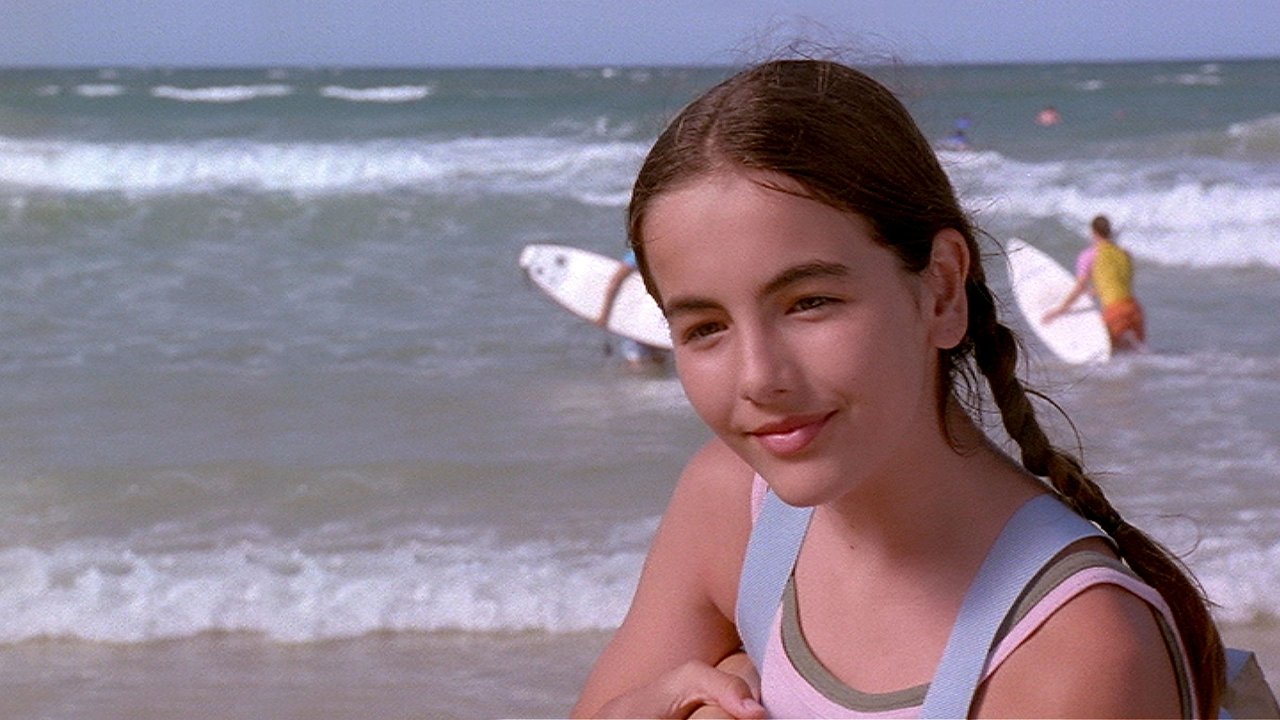
The image that often surfaces first when thinking back on Rip Girls isn't the crashing surf, picturesque as it was, but the quiet confusion and burgeoning understanding on a young girl's face. It’s the look of someone realizing the ground beneath their feet holds more history, more weight, than they ever imagined. Released in 2000, right on the cusp of a new millennium but still firmly rooted in the earnest storytelling style we often found on the Disney Channel during the late VHS era, Rip Girls offered something a little different: a coming-of-age story steeped in sunshine, saltwater, and the ghosts of the past.
### An Unexpected Inheritance
The premise draws you in with a classic fish-out-of-water setup. Thirteen-year-old Sydney Miller (Camilla Belle), living a typically suburban life, suddenly inherits a sizable piece of land – including a somewhat neglected plantation house – on a Hawaiian island she never knew existed. This inheritance comes from a maternal branch of the family she barely remembers, her mother having died when Sydney was very young. Accompanied by her well-meaning but slightly adrift father Ben (Dwight Schultz, instantly recognizable to many of us as 'Howling Mad' Murdock from The A-Team) and stepmother (Susan Brady), Sydney arrives in paradise facing culture shock, unresolved grief, and the daunting task of deciding the fate of her ancestral land. It’s a setup that promises not just external conflict over property development, but internal discovery.
### Riding the Waves of Identity

What elevates Rip Girls beyond a simple teen drama is its gentle exploration of identity through multiple lenses. Sydney's journey is inextricably linked to the land and the ocean. Learning to surf becomes a potent metaphor for her finding balance in her own life, navigating the unpredictable currents of adolescence, grief, and newfound responsibility. The film doesn't shy away from her struggles – the awkwardness, the fear, the feeling of being an outsider. These moments feel authentic, thanks in large part to a remarkably grounded central performance.
Camilla Belle, in one of her earliest significant roles (for which she deservedly won a Young Artist Award), carries the film with a quiet intensity. She portrays Sydney’s mix of vulnerability and emerging strength convincingly. You see the gears turning behind her eyes as she processes the fragments of information about her mother, a skilled surfer whose spirit seems to linger in the waves and the whispers of the locals. There’s a scene where Sydney finds her mother's old surfboard; it's not just an object, but a tangible link to a past she's desperately trying to understand. Belle makes you feel the weight of that connection. It’s also a quiet pleasure seeing Dwight Schultz step away from his more manic television persona to play a father grappling, gently, with his own memories and his daughter’s transition.
### Island Vistas and Production Notes
Filmed on location across Oahu, Hawaii, the movie undeniably benefits from its stunning backdrop. The lush greenery, the sparkling Pacific – it’s more than just scenery; it’s integral to the story’s soul. Director Joyce Chopra, whose earlier work includes the critically acclaimed and far more intense coming-of-age drama Smooth Talk (1985), brings a certain sensitivity to the proceedings. While operating within the family-friendly constraints of a Disney Channel Original Movie (DCOM), you can sense an attempt to find emotional nuance. The surfing scenes, often tricky to capture effectively on a TV budget, blend footage of the actors with likely some skilled doubles, managing to convey the exhilaration and challenge of the sport without feeling overly slick or unbelievable for the context. It captures that specific DCOM aesthetic – hopeful, sun-drenched, earnest – that defined so many viewing experiences for kids and teens around the turn of the century. I distinctly remember catching this one weekend, likely rented from Blockbuster or aired during a DCOM marathon, and being swept away by the idea of discovering such a profound connection to a place and a past.
The film also subtly touches upon themes of land ownership, community, and respecting heritage – big ideas handled with a light touch suitable for the intended audience. The dilemma Sydney faces – sell the land for development or preserve it – feels like a genuine struggle, raising questions about progress versus preservation, albeit simplified. It doesn’t delve deeply into the complex history of Hawaiian land ownership or colonialism, naturally, but the presence of these undercurrents adds a layer of thoughtfulness often missing from simpler teen fare.
### Echoes on the Shore
Does Rip Girls feel dated now? In some ways, certainly. The fashion, the dialogue – it's firmly a product of its time. Yet, its core emotional journey remains relatable. The search for identity, the longing to connect with a lost parent, the struggle to find where you belong… these are timeless themes. Watching it again evokes that specific brand of turn-of-the-millennium optimism, a feeling captured on countless tapes lining the shelves of video stores back then. It lacks the cynicism that would creep into later teen media, offering instead a sincere story about growth and connection. It wasn't trying to be edgy; it was trying to be heartfelt, and largely succeeded.
It stands as a strong entry in the DCOM canon, perhaps less flashy than Zenon: Girl of the 21st Century (1999) or less focused on extreme sports thrills than Johnny Tsunami (1999), but possessing a quiet charm and emotional resonance all its own. It captured that feeling of summer, discovery, and the bittersweet process of growing up.
Rating: 7/10
Justification: While predictable in places and adhering to the DCOM formula, Rip Girls rises above thanks to its beautiful Hawaiian setting used effectively, a genuinely touching central performance from Camilla Belle, and its thoughtful, if gentle, exploration of themes like identity, heritage, and loss. It avoids melodrama, aiming for sincerity, and the direction feels a cut above standard TV movie fare. It might not be a complex masterpiece, but it's a well-crafted, emotionally resonant film that perfectly captures a specific moment in time for family entertainment and likely holds a fond place in the memories of those who grew up with it.
Final Thought: More than just a surf movie, Rip Girls is a quiet meditation on how the places and people we come from shape the shores we eventually land on. It reminds us that sometimes, the biggest waves we need to conquer are the ones within ourselves.