It’s easy to forget now, gazing back from our current animation-saturated landscape, but the mid-90s animated feature scene felt like a kingdom largely ruled by one Mouse House. Yet, venturing forth with considerable ambition and fairytale charm in 1994 came The Swan Princess, a film that fluttered onto screens – and more significantly, into our VCRs – offering a different kind of animated magic. Based loosely on the classic Swan Lake ballet, it wasn't a Disney production, but it certainly carried the DNA of one, thanks to its director, a veteran of the very studio it aimed to compete with.

Directed by Richard Rich, whose animation roots ran deep at Disney with credits including co-directing The Fox and the Hound (1981) and helming the darker, cult-favorite The Black Cauldron (1985), The Swan Princess felt both familiar and distinct. Rich, alongside writer Brian Nissen (who also co-wrote the story with Rich), crafted a classic tale of cursed royalty, true love, and dastardly villains, leaning heavily into the musical romance formula that defined so much of 90s animation.
A Feathered Fairy Tale
The story follows Princess Odette and Prince Derek, betrothed since childhood in a politically convenient arrangement that blossoms, rather bumpily, into genuine affection. Odette, voiced with sweetness and spirit by Michelle Nicastro, isn't just waiting for her prince; she values intellect and kindness over mere looks ("Is beauty all that matters to you?"). Derek, voiced by Howard McGillin, has that earnest, slightly goofy charm common to animated princes of the era. Their courtship hits a snag, sending Odette fleeing... right into the clutches of the sorcerer Rothbart. Cursed to be a swan by day, only regaining her human form under the moonlight on a specific lake, Odette's hope lies in Derek's vow of everlasting love.

It’s pure, unadulterated fairytale stuff, the kind that felt instantly comfortable slipping into that worn VHS sleeve. The animation, while perhaps not possessing the sheer fluidity or budget-busting spectacle of, say, The Lion King released the same year, holds a distinct charm. It's classic 2D hand-drawn animation, filled with expressive character designs and some genuinely lovely sequences, particularly Odette's transformations under the silvery moon glow. There's a warmth and sincerity to the artistry that shines through.
That Villain and Those Tunes
No fairytale is complete without a memorable villain, and The Swan Princess delivers with Rothbart. Voiced with delicious, gravelly menace by the legendary Jack Palance (known for iconic roles like in Shane (1953) and his Oscar-winning turn in City Slickers (1991)), Rothbart is a classic antagonist – power-hungry, dramatically hammy, and capable of transforming into a truly fearsome "Great Animal." Hearing Palance chew the scenery, particularly in his villain song "No More Mr. Nice Guy," is an absolute treat. He brings a weight and theatricality that elevates the film.
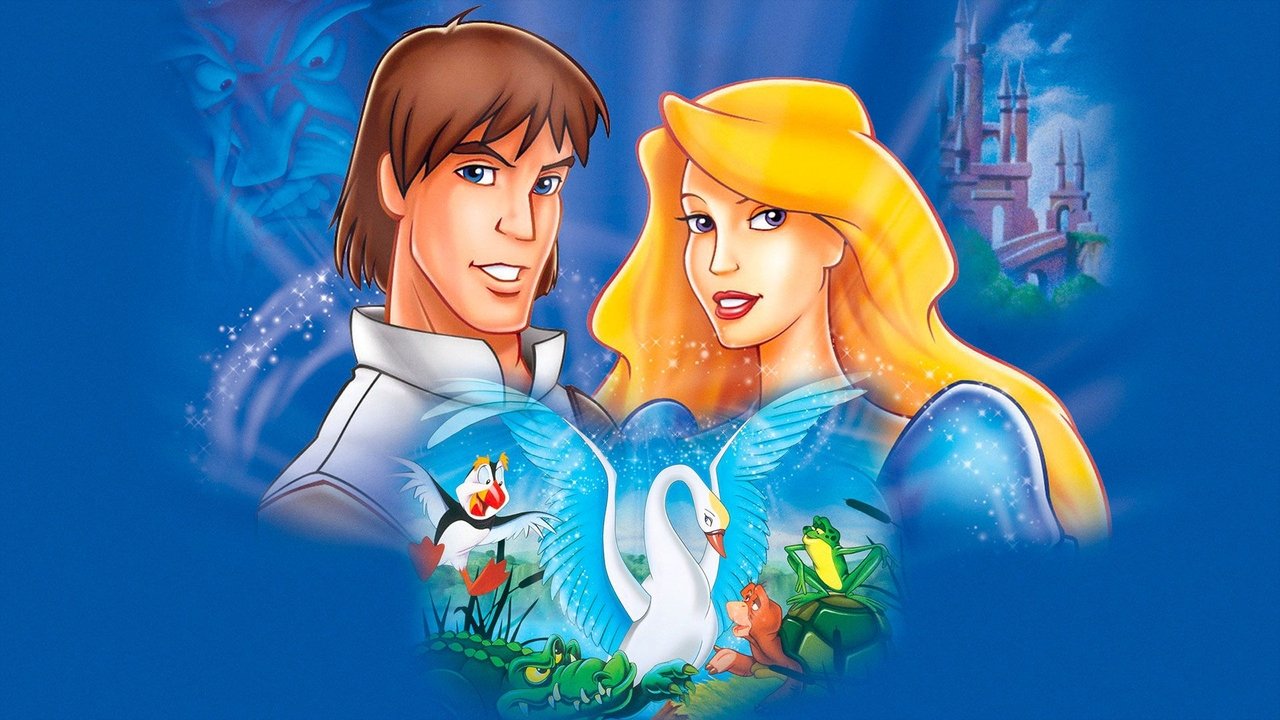
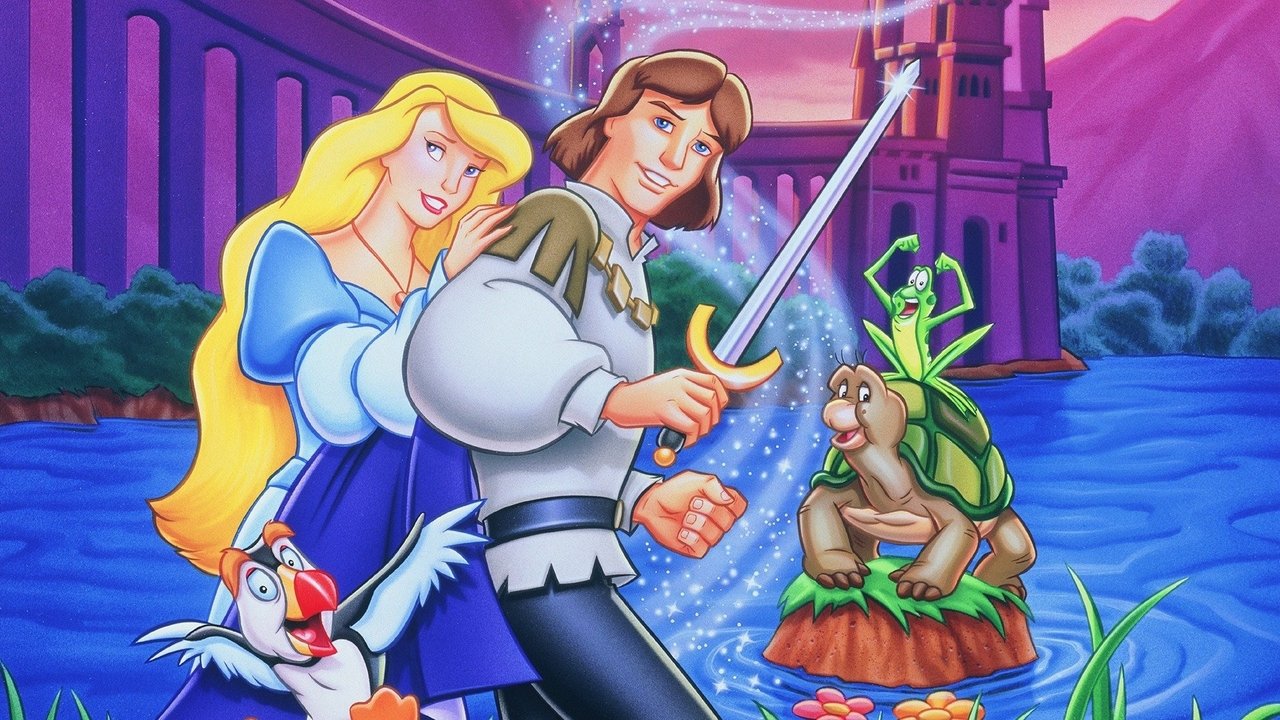
And speaking of songs, the score by Lex de Azevedo is packed with catchy, Broadway-esque numbers. "Far Longer Than Forever," the central love duet, lodged itself firmly in the brains of many a 90s kid, becoming the kind of song you’d belt out (badly) with your friends. "Practice, Practice, Practice" and Jean-Bob the frog's lament "No Fear" add humour and character. While maybe not every tune reaches the iconic status of its Disney rivals, the soundtrack is undeniably memorable and contributes significantly to the film's appeal. I still find myself humming "Far Longer Than Forever" sometimes, decades later!
Finding Its Wings on Video
Here’s a fascinating bit of trivia: despite its solid production values and fairytale pedigree, The Swan Princess didn't exactly set the box office alight upon its theatrical release. Made for a reported $21 million, it grossed less than $10 million in the US. Competition was fierce, and perhaps audiences weren't sure what to make of a major animated musical not bearing the Disney castle logo.
But oh, how the story changed on home video! This film absolutely thrived in the rental market and on retail shelves. That distinctive VHS cover, often featuring Odette mid-transformation, became a familiar sight. It found its audience, children and families who embraced its earnest romance, comedic sidekicks (Puffin, Speed the turtle, and the aforementioned Jean-Bob), and thrilling climax. Its success on VHS proved so potent that it launched a surprisingly enduring franchise, spawning numerous direct-to-video sequels long after its theatrical run ended – a testament to the connection it forged with viewers at home. Remember seeing those sequels pop up years later and thinking, "Wow, they made more?"
A Nostalgic Gem
Looking back, The Swan Princess occupies a special place. It's a charming, well-crafted piece of traditional animation that dared to swim against the dominant tide. It has heart, memorable characters, genuinely catchy songs, and a villain performance for the ages from Jack Palance. While its animation might occasionally show its budget constraints compared to the absolute titans of the era, its storytelling is sincere and its emotional core resonates. It captured that feeling of epic fairytale romance and adventure perfectly for a generation discovering it on their television screens. It wasn't trying to reinvent the wheel, but it rolled along with grace and melody.
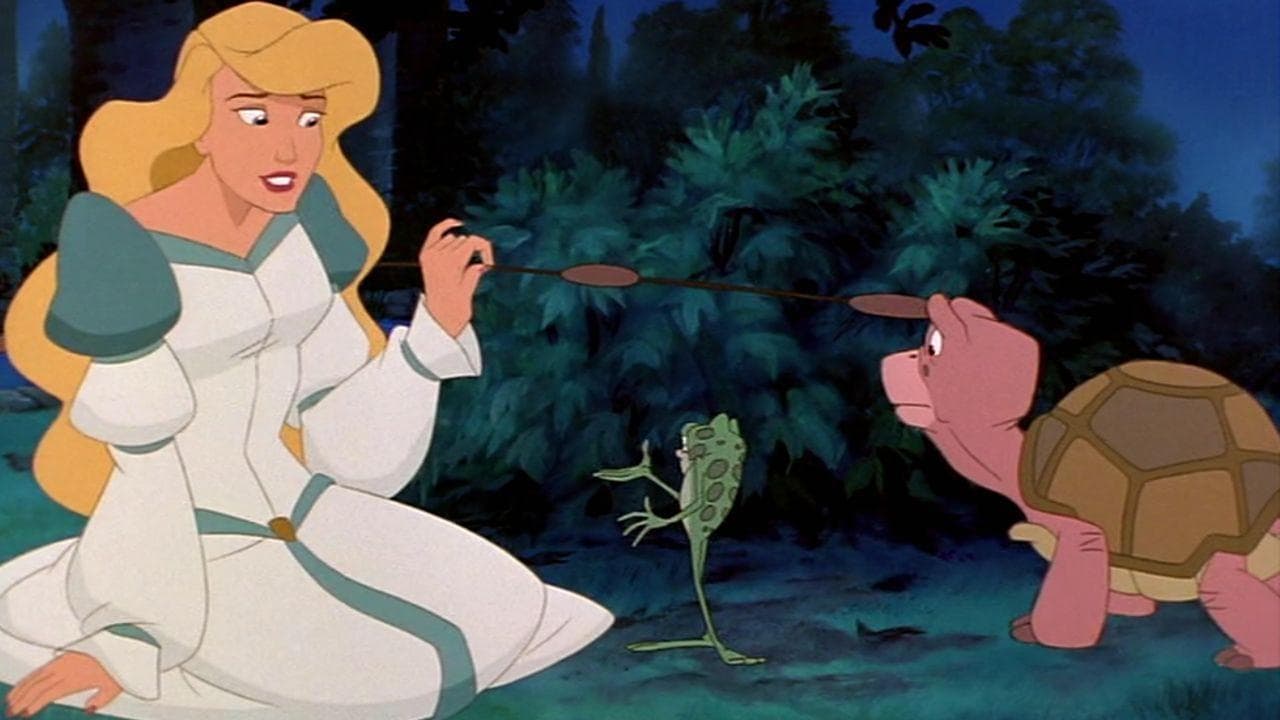
VHS Heaven Rating: 7/10
This score reflects the film's genuine charm, memorable music, strong villain, and significant nostalgic value, especially for those who discovered it on VHS. It's a solid, enjoyable animated musical that holds up well, even if it doesn't quite reach the technical or narrative heights of the very best of the Disney Renaissance. It earns its points for sheer heart and for carving out its own niche.
The Swan Princess may have been an underdog at the box office, but it gracefully swan-dived into the hearts of many via the magic of home video, leaving behind a wake of catchy tunes and warm, feathered memories.