It lands with the peculiar charm of a delightful, slightly eccentric guest at a party – you’re not quite sure how it fits in, but you can’t help but be intrigued. Kenneth Branagh's 2000 adaptation of Love's Labour's Lost wasn't exactly a fixture on the 'New Releases' wall at Blockbuster during the peak VHS era, arriving just as DVDs were truly taking hold. Yet, its spirit feels deeply nostalgic, a bold, perhaps slightly mad, attempt to fuse the intricate wordplay of Shakespeare with the effervescent joy of a 1930s Hollywood musical. It’s the kind of high-concept gamble that makes you wonder, even decades later, "What were they thinking… and why do I still find it kind of fascinating?"
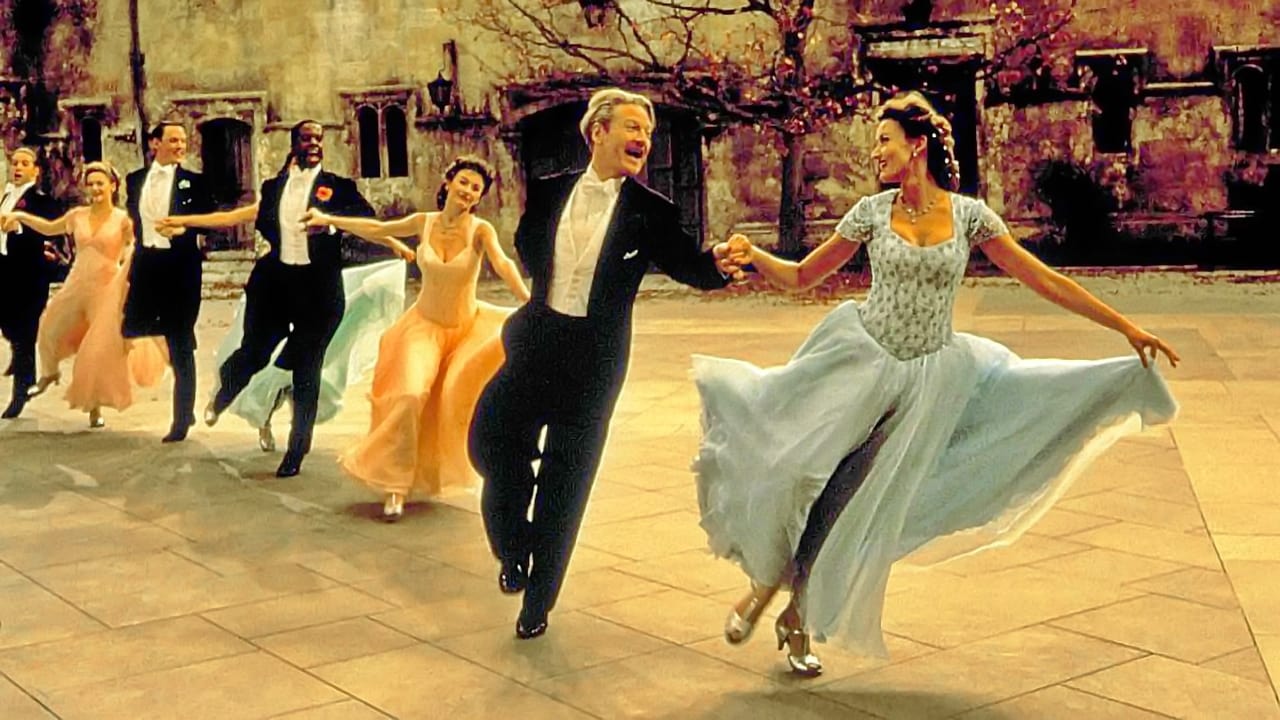
Shakespeare Meets Show Tunes
The premise itself is audacious. Branagh, already renowned for breathing cinematic life into the Bard with triumphs like Henry V (1989) and the sun-drenched Much Ado About Nothing (1993), didn't just adapt Shakespeare's early comedy; he radically reimagined it. He transports the King of Navarre and his bookish companions, who swear off women for three years of study, to the cusp of World War II in 1939. Their academic retreat is promptly shattered by the arrival of the Princess of France and her dazzling attendants. Crucially, Branagh jettisons much of Shakespeare's dense text, replacing lengthy soliloquies and witty exchanges with classic song-and-dance numbers from the Great American Songbook – think Cole Porter, Irving Berlin, and George Gershwin.
It's a decision that instantly polarizes. Purists might balk, missing the intricate linguistic gymnastics that define the original play. Yet, there's an undeniable logic to Branagh's choice. The 1930s musical, with its escapist fantasies and stylized romance, offers a unique lens through which to view the play’s themes of youthful idealism, the folly of grand pronouncements about love, and the inevitable intrusion of reality. The impending war, subtly hinted at through newsreels, adds a layer of poignant context to the characters’ romantic entanglements, mirroring the play's surprisingly somber ending.
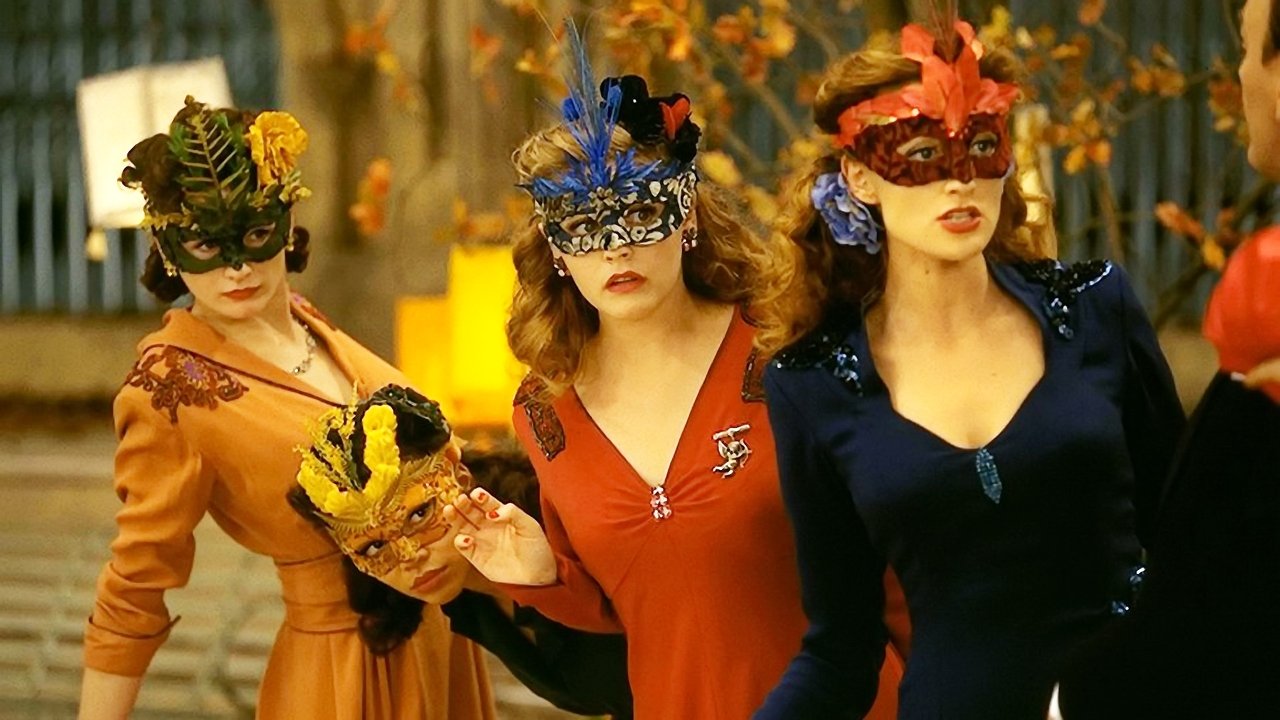
An Ensemble Effort
Branagh assembles a game cast, mixing established thespians with contemporary stars. He himself plays Berowne, the most eloquent and conflicted of the King’s men, navigating both the remaining Shakespearean dialogue and the demands of hoofing it with characteristic energy. Adrian Lester as Dumaine and Matthew Lillard (then hot off Scream and SLC Punk!) as Longaville bring youthful vigour, while Alessandro Nivola is suitably regal as King Ferdinand. On the women's side, Alicia Silverstone, as the Princess, radiates a classic movie star charm, even if the Shakespearean cadence occasionally feels less natural than it does for someone like Natascha McElhone (Rosaline), who handles the blend with more practiced ease.
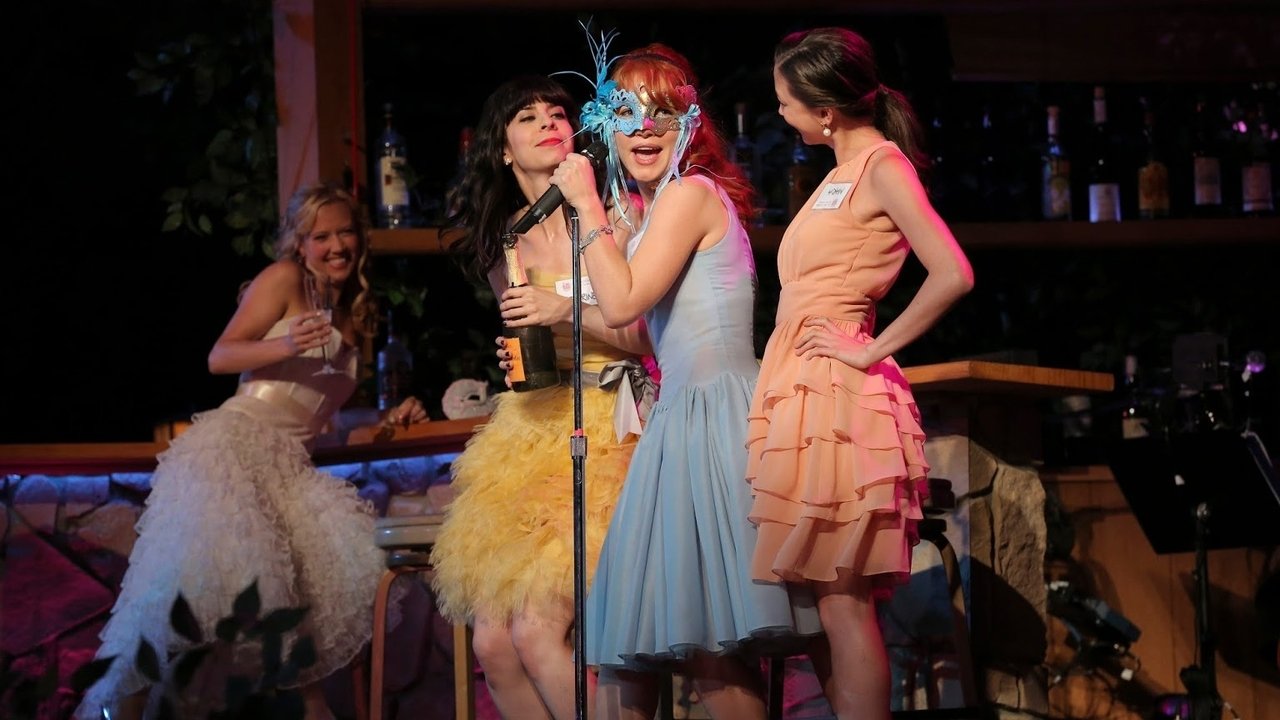
A standout, perhaps unsurprisingly, is Nathan Lane as the comedic Costard. Freed somewhat from the constraints of romantic plotting, Lane leans into his Vaudeville sensibilities, delivering slapstick and song with infectious gusto. His rendition of George Gershwin's "I've Got a Crush on You" is a pure delight. The ensemble numbers, choreographed with period flair, are often the film's highlights, capturing the sheer, unadulterated joy Branagh clearly feels for the classic musical form.
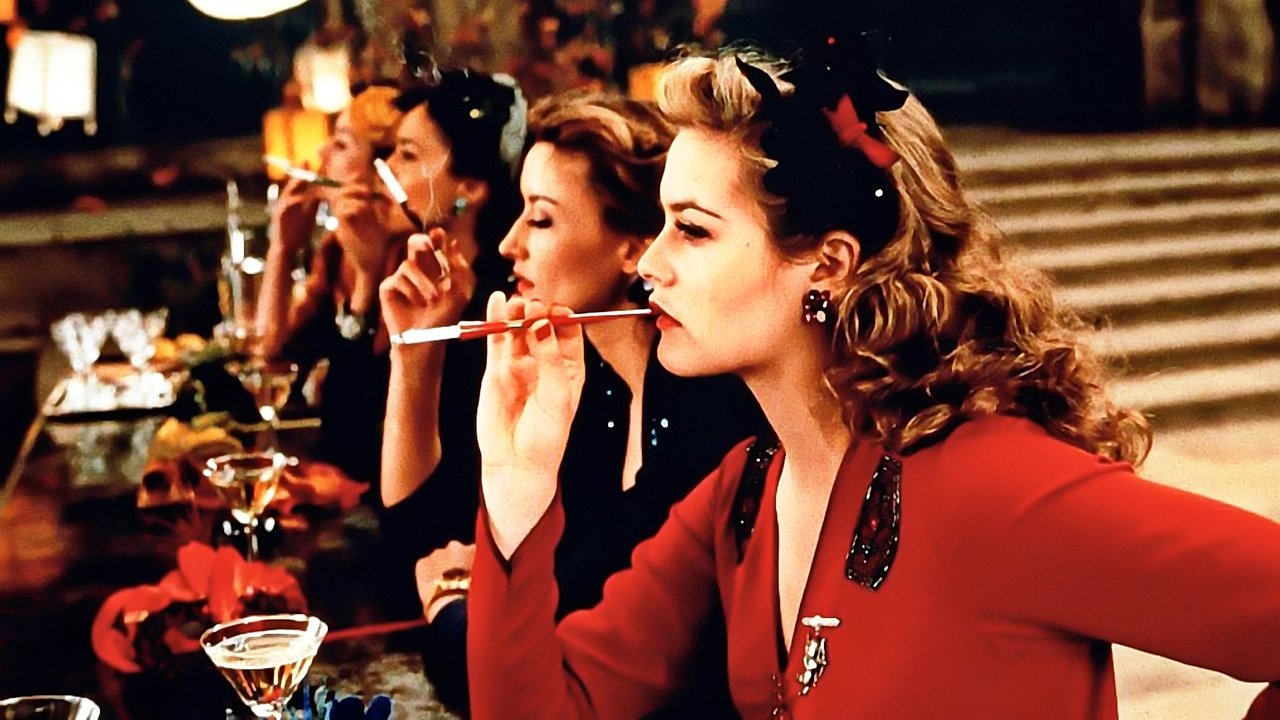
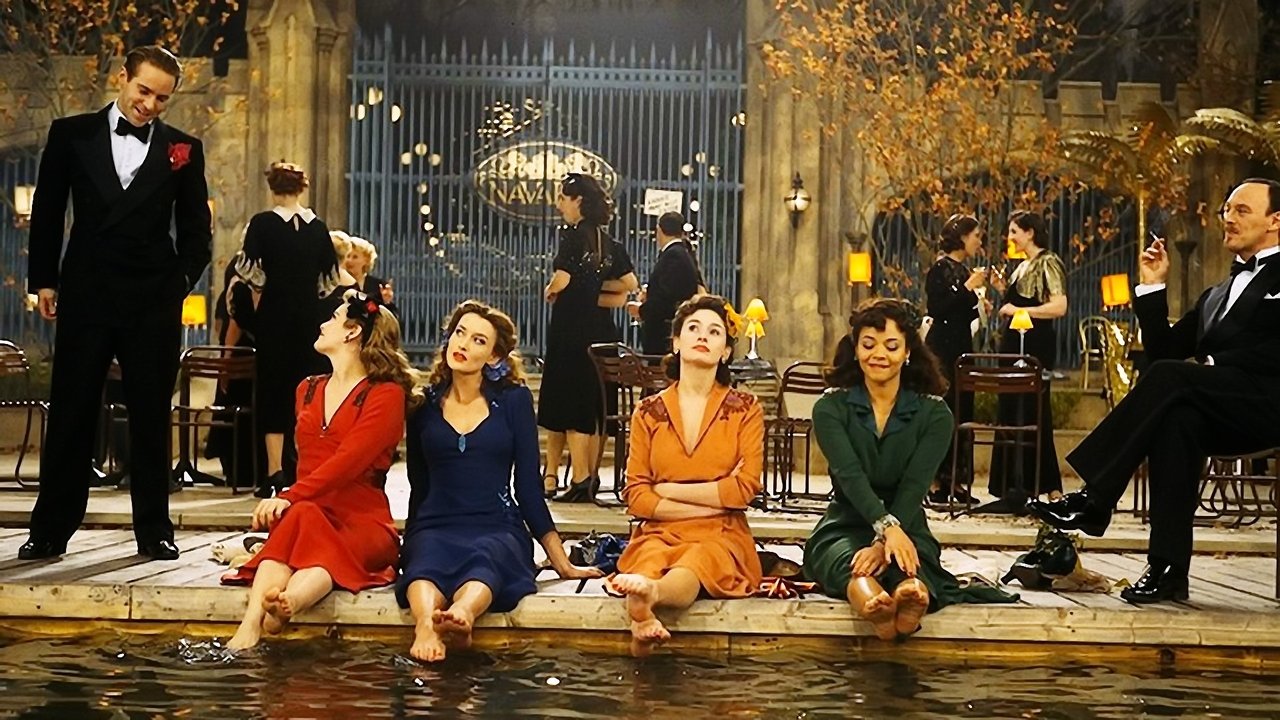
A Grand, Flawed Experiment
So, does it work? The answer, honestly, is complicated. Filmed primarily at Shepperton Studios, a legendary home for British cinema, the production looks lovely, capturing the artifice and glamour of the era it emulates. Branagh’s direction is clearly impassioned; you feel his love for both Shakespeare and classic Hollywood radiating from the screen. The use of pre-existing songs is clever, tapping into a shared cultural memory that enhances the nostalgic feel. Who can resist hearing standards like Irving Berlin's "Cheek to Cheek" or "There's No Business Like Show Business"?
However, the fusion isn't seamless. Truncating the play means losing some of its sophisticated wordplay and thematic depth. The shift between the remaining snippets of original text and the musical numbers can sometimes feel abrupt. And while the cast is enthusiastic, not everyone seems equally comfortable in both worlds. Critically and commercially, the film was met with a lukewarm reception, grossing a modest $15.8 million worldwide against its $13 million budget. Perhaps the concept was simply too niche, too strange for mainstream audiences in 2000. It wasn't quite Shakespeare, not quite a traditional musical, existing in a curious, charming space in between.
The Lingering Question
Watching Love's Labour's Lost today feels like unearthing a quirky artifact. It’s easy to see why it didn't set the box office alight, yet it's hard to dismiss entirely. There's a sincerity to its ambition, a palpable joy in its execution of the musical sequences, and a unique melancholy created by setting this tale of fleeting romance against the backdrop of impending global conflict. It makes you ponder the nature of adaptation – how far can you stretch source material before it becomes something else entirely? And can sheer creative enthusiasm overcome conceptual hurdles?
For me, I remember grabbing the DVD release, intrigued by the very oddity of the premise after enjoying Branagh's earlier Shakespeare films immensely. It wasn't what I expected, and certainly not a patch on Much Ado, but its willingness to take such a wild swing has always stuck with me.
Rating: 6/10
This rating reflects the film's undeniable charm, ambition, and moments of genuine cinematic pleasure, particularly in the musical numbers and Nathan Lane's performance. However, it's tempered by the sometimes awkward blend of styles, the loss of Shakespearean depth, and the fact that the central conceit doesn't always fully land. It's a noble experiment, flawed but fascinating.
Love's Labour's Lost remains a cinematic curiosity, a testament to Branagh's adventurous spirit. It asks us to embrace its unique blend, even if imperfectly mixed – a cinematic cocktail that’s perhaps not for every taste, but memorable nonetheless.