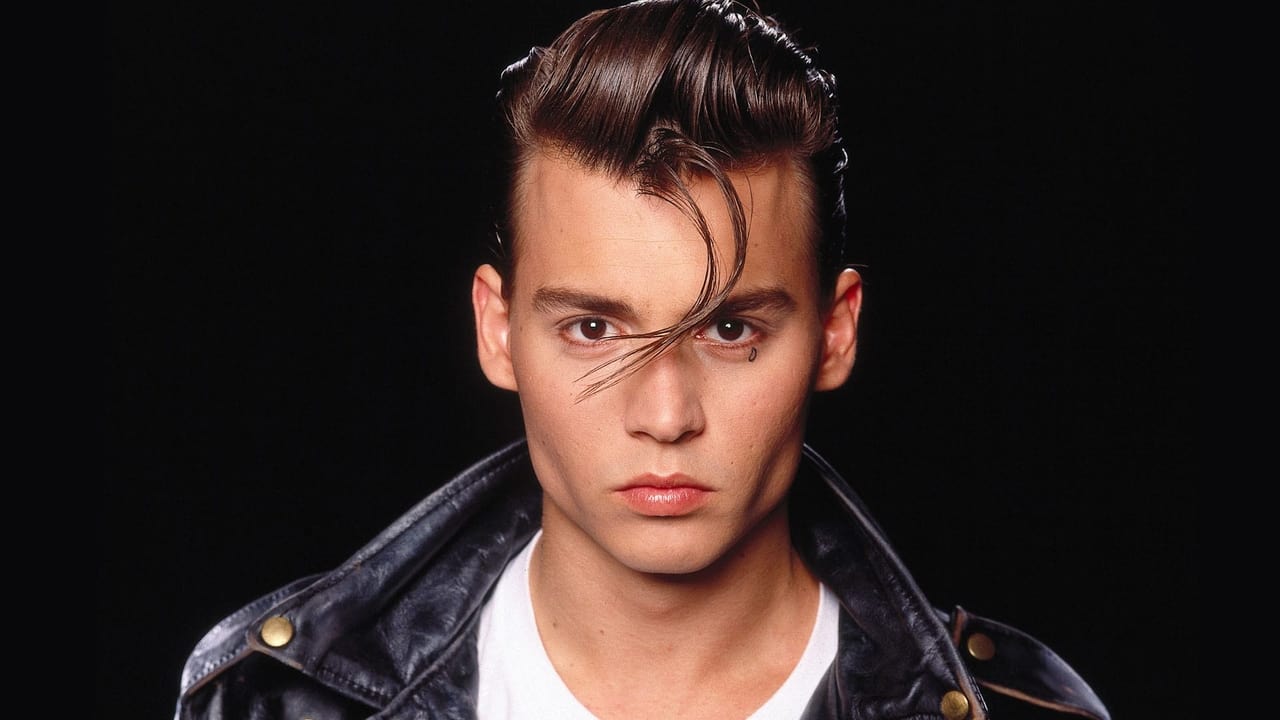
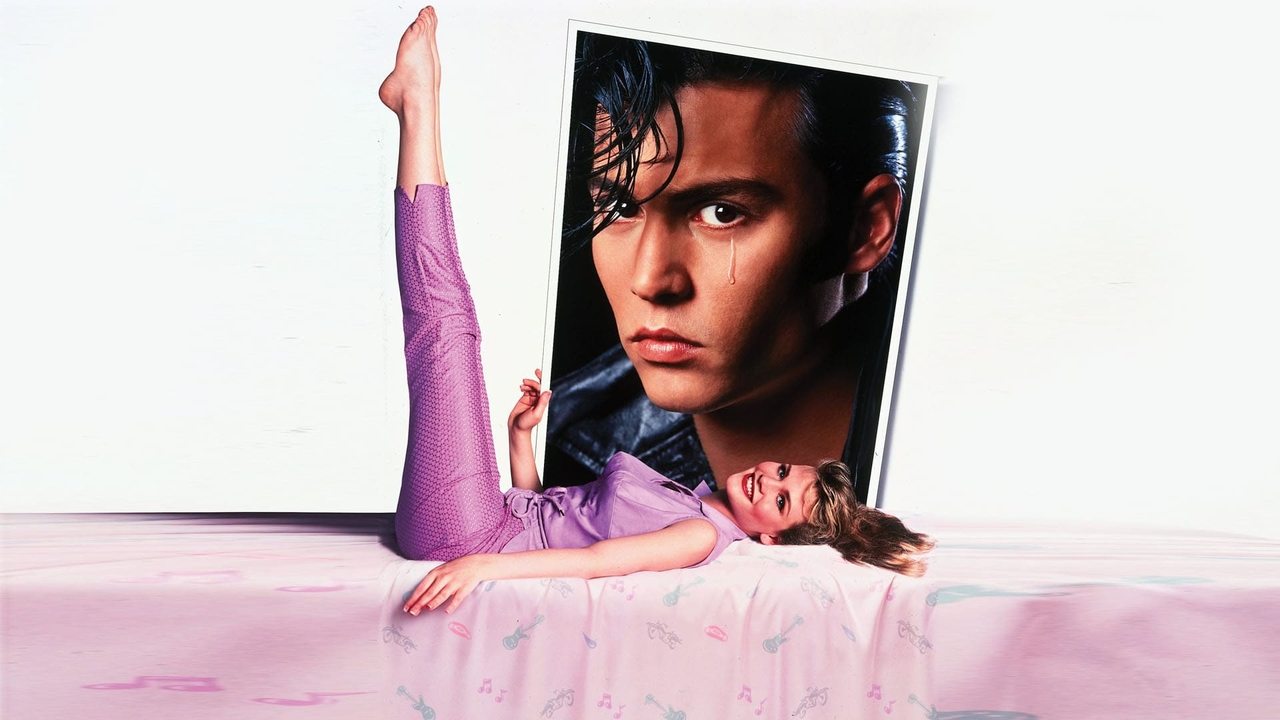
Alright, fellow tapeheads, let’s rewind to 1990. Picture this: you’re scanning the aisles of the local video store, maybe Blockbuster, maybe some beloved mom-and-pop place. Your eyes land on a box featuring a brooding Johnny Depp, slicked-back hair, single tear tracing a path down his cheek. The title? Cry-Baby. You might think, "Okay, teen heartthrob drama?" Oh, how deliciously wrong you’d be. What you actually held in your hands was a hyper-stylized blast of delinquent energy, a musical fever dream filtered through the gloriously trashy lens of the Pope of Trash himself, John Waters.
### Drapes vs. Squares: A Technicolor Turf War
Cry-Baby plunges us headfirst into 1954 Baltimore, a world divided into the squeaky-clean "Squares" and the rockabilly-loving juvenile delinquents known as the "Drapes." At the heart of the Drapes is Wade "Cry-Baby" Walker (Johnny Depp), the orphaned leader whose ability to shed a single, perfect tear drives girls wild. He's pure James Dean by way of Elvis, filtered through Waters' signature smirk. When Cry-Baby falls for Allison Vernon-Williams (Amy Locane), a beautiful Square tired of her vanilla world, sparks fly, societal lines blur, and musical numbers erupt with infectious absurdity.
This wasn't Depp as the sensitive outsider of Edward Scissorhands (released the same year, believe it or not). This was Depp actively torpedoing his 21 Jump Street teen idol image, embracing the weird and proving he had charisma to burn, even when playing a caricature. It's a wildly committed performance; he sells the absurdity. Interestingly, while Depp learned the guitar parts, his singing voice was actually provided by musician James Intveld, a common practice back then but something that adds another layer to the film's manufactured, yet heartfelt, aesthetic.

### A Sideshow of Glorious Weirdos
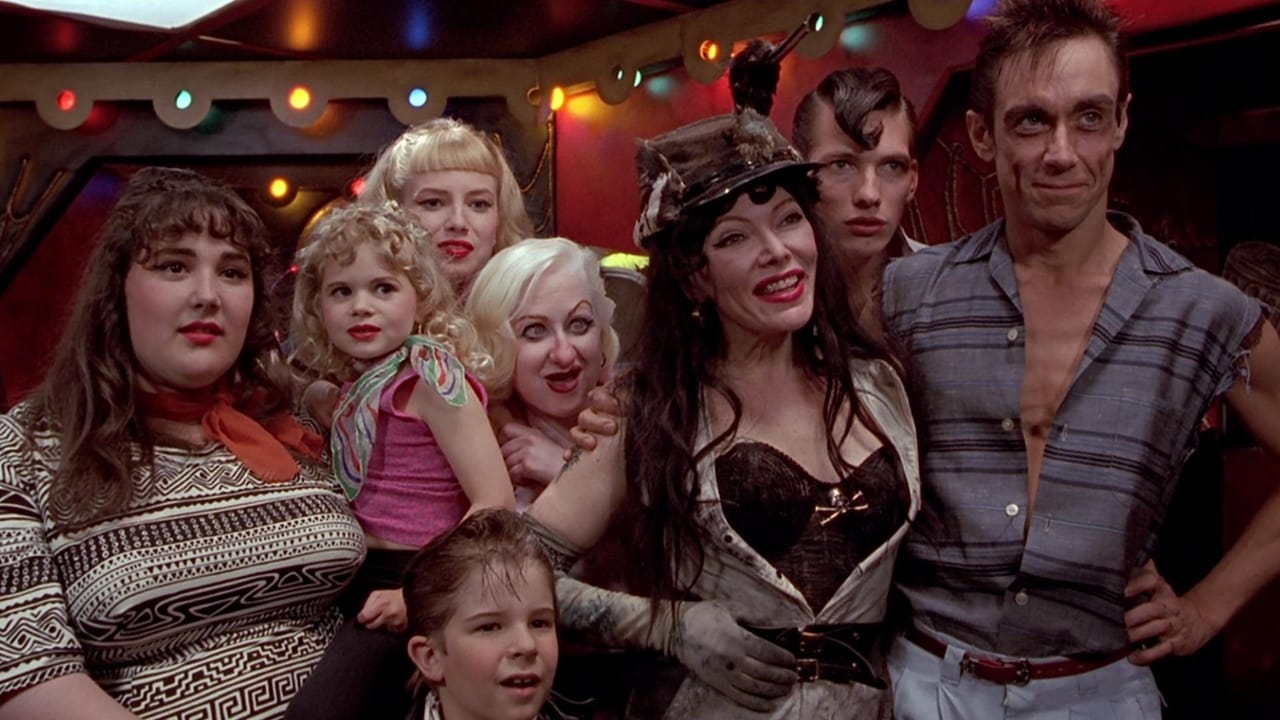
But Cry-Baby Walker doesn't ride alone. John Waters assembled a cast that feels like a rogue's gallery curated from the fringes of pop culture. We have the unforgettable Susan Tyrrell as Ramona Rickettes, Cry-Baby's gloriously unhinged grandmother, looking like she stepped out of a Russ Meyer film crossed with a punk rock show. Iggy Pop pops up as Belvedere Rickettes, Ramona's equally eccentric husband, adding his unique brand of raw energy. And who could forget the rest of the Drapes? Hatchet-Face, played with grotesque glee by Kim McGuire (whose distinctive look reportedly took hours of makeup); the perpetually pregnant Pepper Walker (Ricki Lake, a Waters regular); and the vampy Wanda Woodward, marking Traci Lords' first major role in a mainstream Hollywood film after leaving the adult film industry – a typically provocative casting choice by Waters.
Even Amy Locane as Allison holds her own, perfectly capturing the good-girl-gone-bad allure. Waters apparently screen-tested numerous actresses for Allison, wanting someone who could project innocence but hint at a wilder side simmering beneath. The chemistry between her and Depp, exaggerated and heightened like everything else in the film, fuels the central romance amidst the delightful chaos.
### Waters' World: Deliberately Deliciously Tacky
This is John Waters slightly sanding down his most extreme edges for a major studio (Universal Pictures, who gave him a relatively modest budget of around $8-12 million), but his fingerprints are all over it. Cry-Baby is less shocking than his earlier underground work like Pink Flamingos (1972), but it retains that unmistakable celebration of outsiders, bad taste elevated to high art, and a deep love for the very 1950s B-movies and rock 'n' roll culture it parodies. Remember the sheer look of this film? The eye-popping colours, the exaggerated costumes, the sets that felt both lovingly detailed and intentionally artificial – it’s pure cinematic eye candy, shot on location in Waters' beloved Baltimore. There’s a tactile quality here, a handcrafted feel you just don’t get with slicker, more modern productions.
The musical numbers are highlights, staged with infectious energy by choreographer Kenny Ortega (yes, the same Kenny Ortega who would later give us Dirty Dancing and the High School Musical phenomenon!). From the iconic "King Cry-Baby" introduction to the raucous "Please, Mr. Jailer," the songs perfectly capture the film's blend of earnestness and parody. They weren't aiming for realism; they were aiming for pure, unadulterated fun.
### From Box Office Blip to Cult King
Upon release, Cry-Baby wasn't exactly a smash hit. It made back its budget ($8.3 million gross in the US) but didn't set the box office alight. Critics were somewhat divided, unsure what to make of this strange, campy musical that wasn't quite wholesome family fun but wasn't pure underground transgression either. But then came VHS and cable television. Cry-Baby found its true audience – kids discovering it at sleepovers, cult film fans embracing its weirdness, anyone charmed by its unique blend of rockabilly rebellion and heartfelt absurdity. I distinctly remember renting this tape multiple times, drawn back by its sheer, unashamed energy and Depp's magnetic performance. It became a beloved midnight movie staple, its reputation growing steadily over the years.

Rating: 8/10
Why the score? Cry-Baby earns its high marks for its sheer audacity, infectious energy, unforgettable characters, killer soundtrack, and John Waters' unique directorial vision. It's a perfectly crafted piece of retro-pastiche that fully commits to its own glorious absurdity. While its campy nature might not appeal to everyone, and it’s certainly lighter fare than Waters’ earlier work, it succeeds brilliantly on its own terms as a celebration of rebellion and outsider pride, wrapped in a ridiculously fun musical package. The performances, particularly Depp's star-making turn against type and Susan Tyrrell's scene-stealing mania, are pitch-perfect for the film's tone. It’s a movie that knows exactly what it is and revels in it.
Final Thought: Cry-Baby is pure, uncut Waters weirdness filtered through a jukebox fever dream – still gleefully contagious and refreshingly bizarre after all these years. Pop that tape in (or fire up the streamer) and let the glorious delinquency wash over you.