Okay, settle back into that comfy spot on the couch, maybe imagine the satisfying clunk of a VHS tape sliding into the VCR. Today, we're rewinding to 1981 for a transatlantic trip filled with felt, felonies, and fabulous fashion – it's Jim Henson's delightful directorial feature debut (and, surprisingly, his only one for a Muppet film!), The Great Muppet Caper. If The Muppet Movie was about getting there, this one was about what happens when our favourite troupe arrives, specifically in London, ready to crack a case… or at least stumble into one with style.
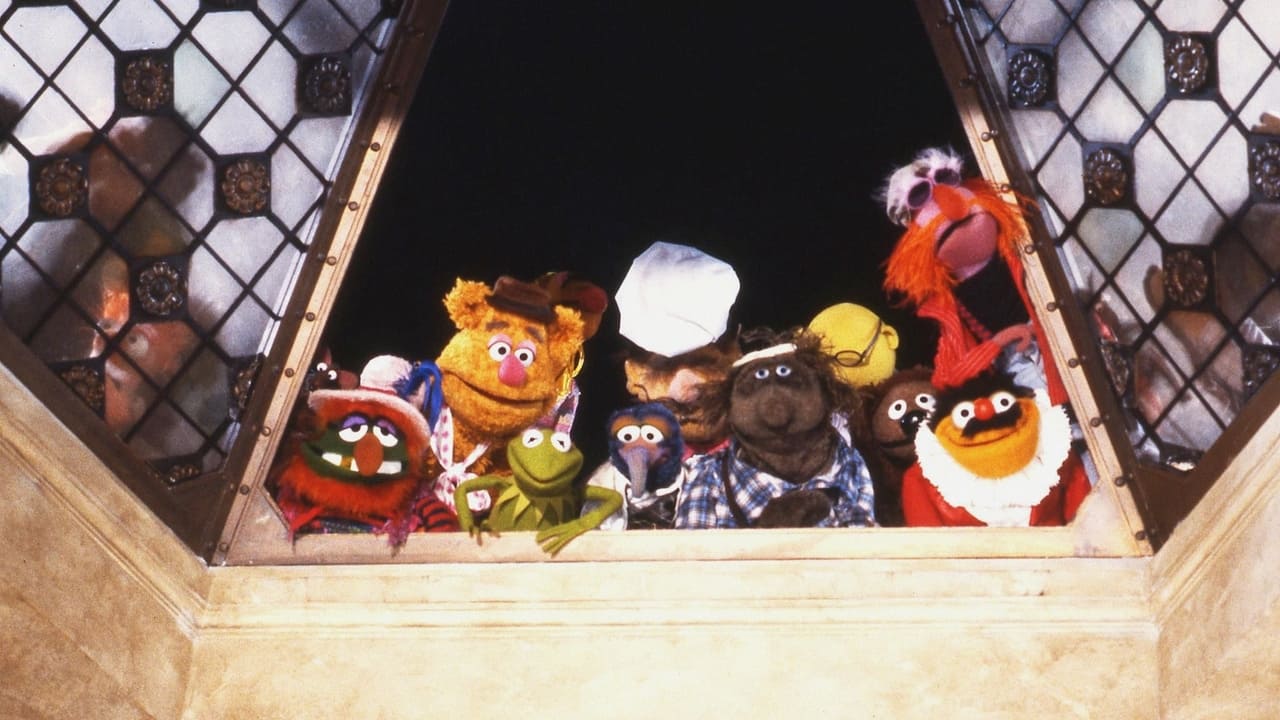
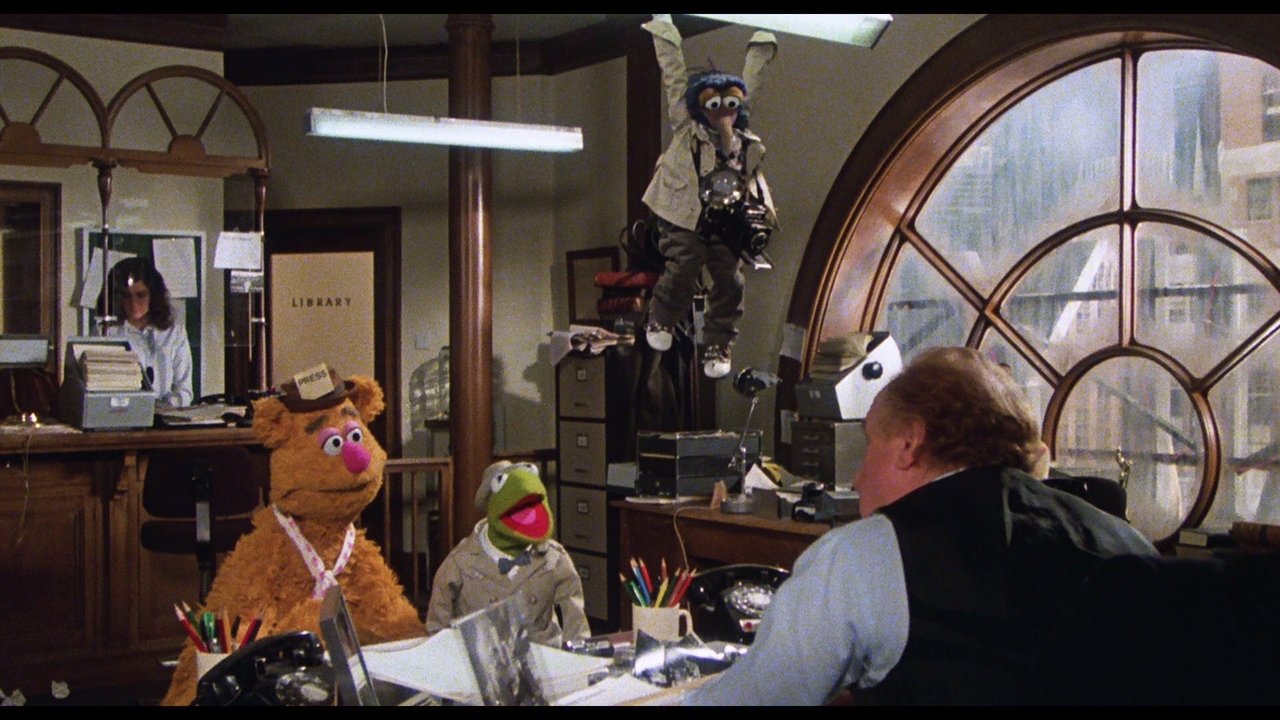
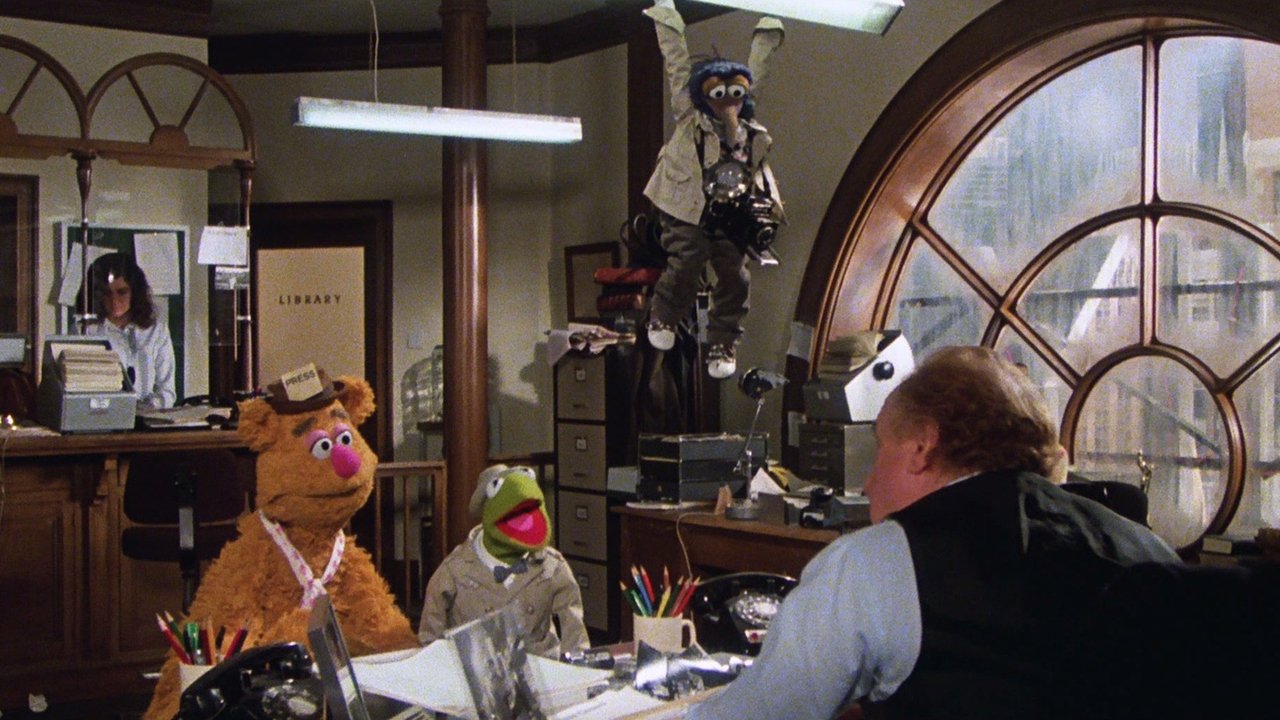
The film throws us right into the mix with Kermit, Fozzie, and Gonzo as intrepid newspaper reporters for the Daily Chronicle. Fired for failing to report on a major jewel robbery right under their noses (literally), they bravely decide to fly themselves to London (in the cargo hold of a plane, naturally) to chase the story and clear their names. What follows is less a hard-boiled detective story and more a joyous, often surreal blend of musical numbers, mistaken identities, and classic Muppet mayhem, all centered around the fabulous fashion designer Lady Holiday (Diana Rigg, clearly having an absolute ball) and her scheming, utterly smitten brother Nicky (Charles Grodin, delivering a masterclass in deadpan villainy).
A London Adventure with Strings Attached
Right from the opening number, "Hey A Movie!", The Great Muppet Caper winks knowingly at its audience. This isn't just a story; it's a movie, complete with musical cues, dramatic entrances, and the Muppets themselves acknowledging the absurdity of it all. This self-aware humour, a Henson trademark, feels particularly sharp here. Landing in London (much of it filmed at the legendary Elstree Studios, alongside genuine city locations), the film truly embraces its setting. We get Muppets navigating double-decker buses, checking into the gloriously run-down "Happiness Hotel," and attempting to infiltrate high society. The production design does a wonderful job of grounding the Muppets in a tangible reality, which only makes their inherent Muppet-ness even funnier. Seeing Gonzo attempt investigative photography or Fozzie try to blend in feels both ridiculous and utterly charming.
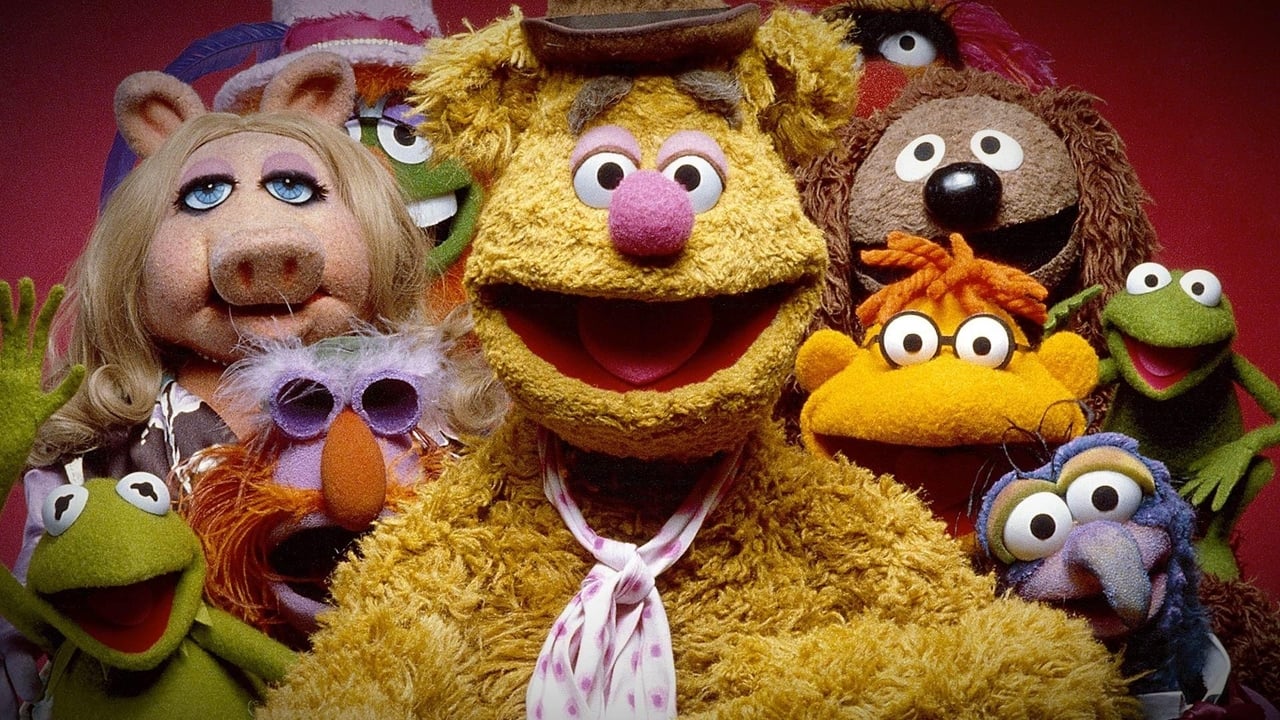
It's here we meet Lady Holiday, played with sophisticated glee by the marvellous Diana Rigg, who reportedly adored working with her felt co-stars. And then there's Charles Grodin as Nicky Holiday. His performance is a comedic gem; playing the romantic foil to Miss Piggy with absolute seriousness, his understated frustration and barely concealed nefariousness are pitch-perfect counterpoints to the Muppets' energetic chaos. Their interactions, particularly Piggy's immediate conviction that Nicky is Kermit in disguise (leading to some wonderfully awkward serenades), are pure gold.
Henson Behind the Camera: Ambition in Action
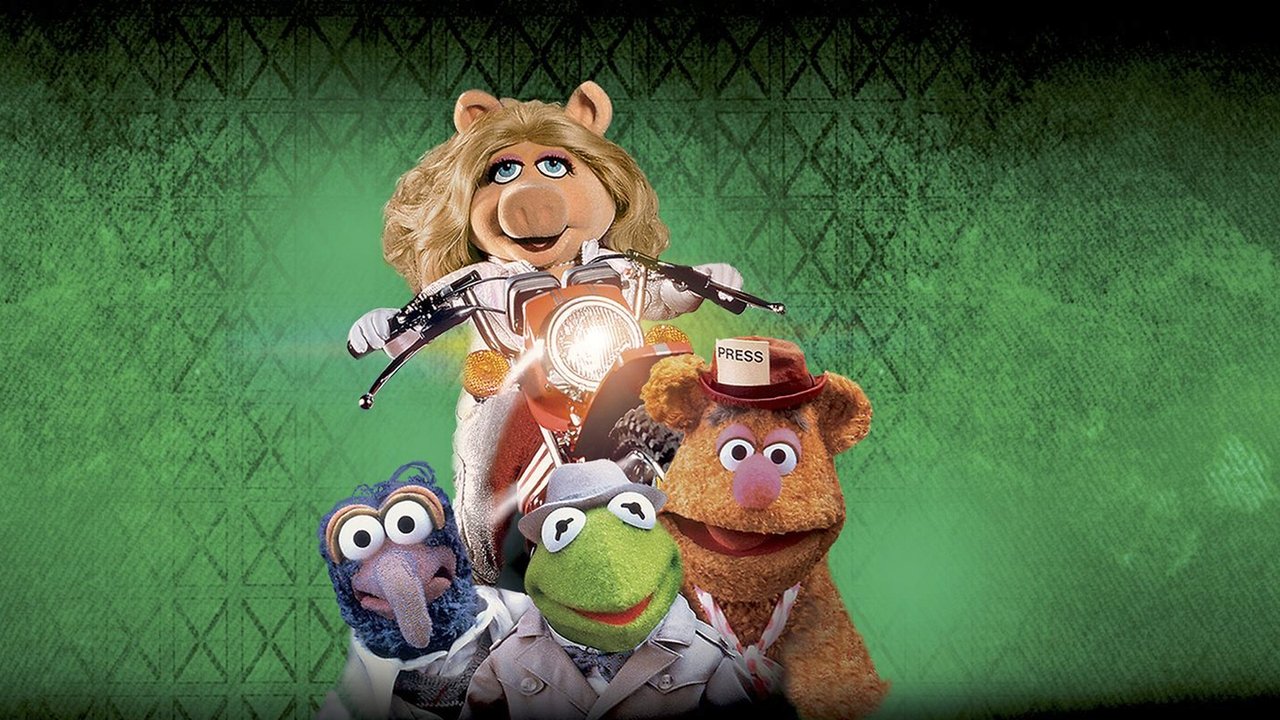
Directing his fuzzy family for the big screen, Jim Henson didn't shy away from ambition. While the $14 million budget wasn't astronomical even then (it brought in a respectable $31 million at the box office), the film pushes the boundaries of puppetry. Think about that iconic scene where the Muppets ride bicycles through Battersea Park – a moment that likely left many young viewers (myself included!) utterly baffled and amazed. How did they do that? It involved complex rigs, hidden puppeteers, and sheer ingenuity, a testament to the practical magic Henson's team could conjure. Miss Piggy's dazzling water ballet sequence in the style of Esther Williams, or her dramatic motorcycle escape, further showcase this commitment to elaborate, visually impressive set pieces that blend puppetry and live-action seamlessly. Long-time Muppet performers like Frank Oz (performing Piggy, Fozzie, Animal, Sam Eagle) and Dave Goelz (Gonzo, Zoot, Beauregard) deliver the character work that makes it all believable, injecting heart and humour into every twitch of felt.
And let's not forget the music! Joe Raposo, who penned classics for Sesame Street and the first Muppet movie, delivers another delightful score. Songs like the cheerfully chaotic "Happiness Hotel" or the genuinely lovely ballad "The First Time It Happens" (originally written for The Muppet Movie but fitting perfectly here) add layers of emotion and fun. They aren’t just breaks in the action; they’re integral parts of the Muppet tapestry.
Retro Fun Facts & Famous Faces
Part of the joy of rewatching these films is spotting the details. The Great Muppet Caper is packed with wonderful cameos, brief but memorable appearances from British stalwarts like John Cleese (as a wealthy homeowner bemused by Piggy's impromptu arrival), Peter Ustinov, Robert Morley, and Jack Warden. Even Peter Falk pops up in a brilliant little meta gag. Keep an eye out for creator Jim Henson himself making a background cameo in the restaurant scene! It's also fun to remember this film came from ITC Entertainment, run by the legendary Lew Grade – a company known for bringing many beloved British series (like The Prisoner and Thunderbirds) to international screens, adding another layer of retro TV cred.
Why It Still Sparkles
Sure, the plot involving stolen jewels (the fabulous Baseball Diamond!) is enjoyably thin, serving mostly as a framework for gags, songs, and character moments. But that's the point. The Great Muppet Caper isn't aiming for intricate plotting; it's aiming for pure, unadulterated fun. It captures that unique Muppet blend of slapstick silliness, surprisingly witty wordplay, and genuine warmth. Watching Kermit navigate his feelings for the relentlessly glamorous Miss Piggy (who gets a fantastic arc here, moving from aspiring model to accidental investigator), or Gonzo's unwavering commitment to his... whatever Gonzo is... remains as endearing now as it was decades ago. It’s a film filled with quotable lines and visual gags that stick with you. Remember trying to figure out how they pulled off Piggy's dramatic entrance through the restaurant window? That’s the magic.
Rating: 8/10
The Great Muppet Caper might not have the emotional pull of the Muppets' origin story, but it arguably doubles down on the inventive comedy, musical spectacle, and sheer technical ambition. It’s a wonderfully crafted piece of entertainment, showcasing Jim Henson's directorial eye and the boundless creativity of his team. The human cast integrates perfectly, the songs are catchy, and the jokes land beautifully for both kids and adults. It's a near-perfect example of Muppet magic – clever, funny, visually impressive for its era, and brimming with heart.