It starts, perhaps, with a feeling rather than a specific image – that delightful disorientation when a character on screen, deep in mundane conversation or quiet contemplation, suddenly bursts into… someone else’s song. Not singing, mind you, but lip-syncing perfectly to a snippet of a famous French chanson, their innermost thoughts momentarily hijacked by pop music. This is the unique, beguiling heart of Alain Resnais' 1997 film Same Old Song (or On connaît la chanson, for those who haunted the 'Foreign Films' aisle back in the day), a viewing experience that lingers long after the tape clicked off in the VCR.
Finding this one felt like discovering a secret pathway in the video store. Here was a film by Resnais, a name synonymous with the weighty, time-bending artistry of Hiroshima mon amour (1959) or Last Year at Marienbad (1961), yet trafficking in romantic entanglements, Parisian anxieties, and sudden pop interludes. It was a delightful surprise, a reminder that even revered auteurs could pivot and play, crafting something accessible without sacrificing intelligence.
Parisian Lives, Pop Soundtracks
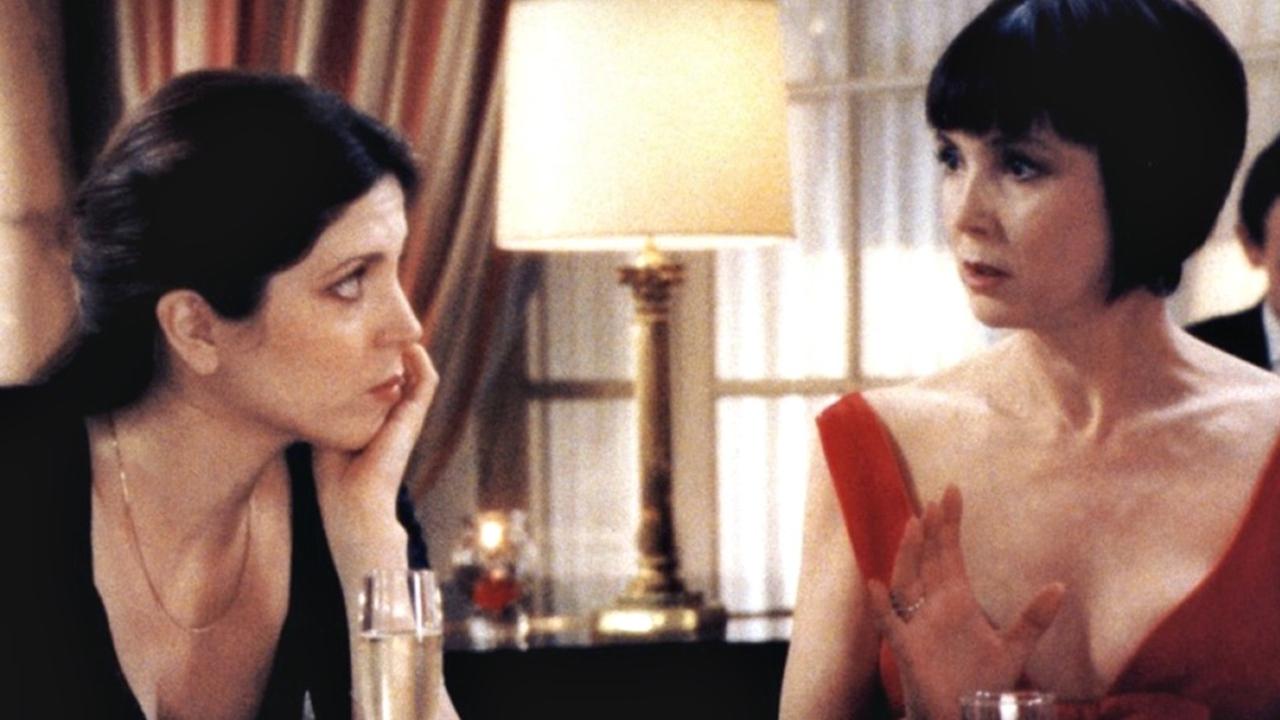
The film weaves together the lives of several interconnected Parisians navigating love, careers, and real estate woes. There's Odile (Sabine Azéma, a frequent Resnais muse), contemplating an affair; her sister Camille (Agnès Jaoui, who also co-wrote the screenplay), a history student and tour guide catching the eye of Nicolas (Jean-Pierre Bacri, Jaoui's writing partner and co-star) and the smooth-talking Simon (André Dussollier); Marc (Lambert Wilson), Simon's boss; and Claude (Pierre Arditi), Odile's outwardly confident but internally flustered husband. Their interactions form a complex, often funny, sometimes poignant tapestry of middle-class life.
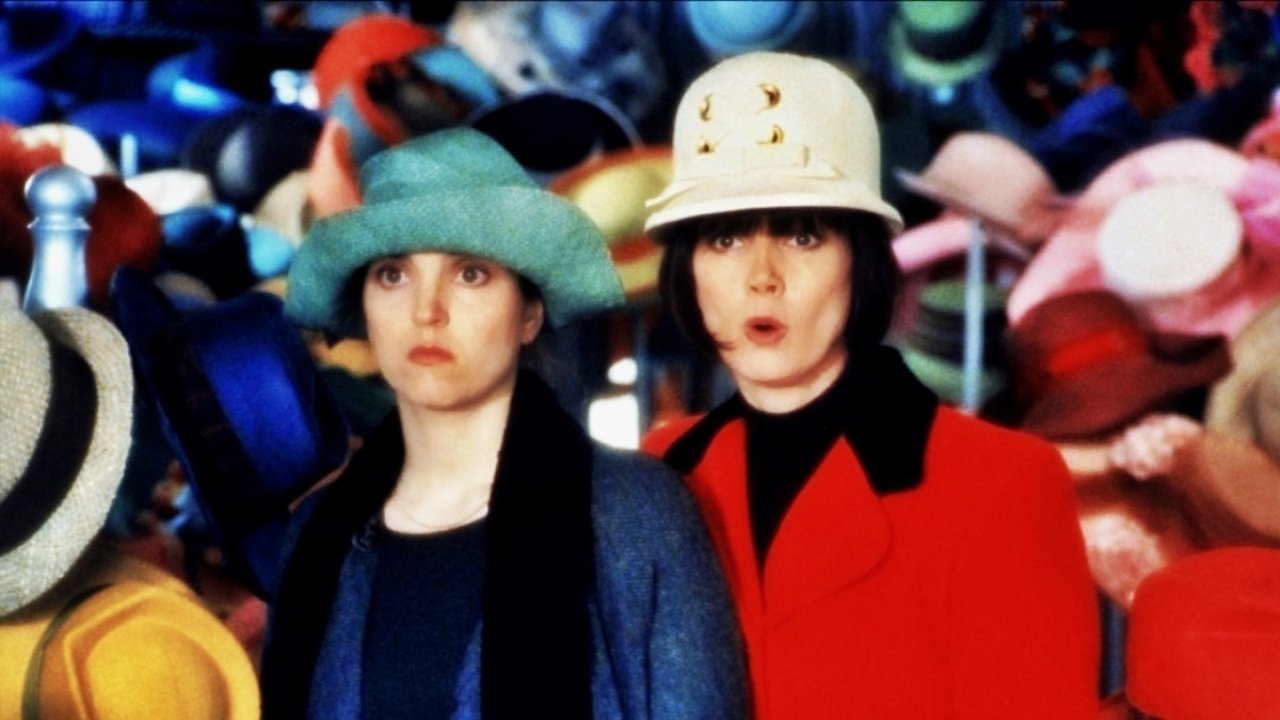
But it's the musical conceit that elevates Same Old Song beyond a standard ensemble comedy-drama. At moments of heightened emotion – desire, frustration, insecurity, joy – the characters don't confide or monologue; they mime along to well-known French pop songs, from classics by Edith Piaf and Charles Aznavour to more contemporary hits (at the time) by artists like Alain Souchon or Téléphone. It’s a gamble that could have easily tipped into sheer gimmickry, but under Resnais' deft hand, and thanks to the superb script by Jaoui and Bacri, it becomes a strangely effective window into their souls.
More Than Just Lip Service
The genius lies in how these musical interruptions function. Sometimes they are hilariously inappropriate, the bombast of the song contrasting sharply with the mundane setting. Other times, they are surprisingly touching, giving voice to feelings the characters cannot articulate themselves. It’s a cinematic device that acknowledges the way pop music often becomes the soundtrack to our own internal lives, articulating our feelings better than we sometimes can. The selection of songs isn't random; each snippet feels deliberately chosen to reflect or ironically comment on the character's state of mind.
This unique approach was a critical and commercial smash in France, sweeping the César Awards (the French Oscars) with seven wins, including Best Film, Best Director for Resnais, Best Writing for Jaoui and Bacri, Best Actor for Pierre Arditi, Best Supporting Actor for Bacri, and Best Supporting Actress for Jaoui. It proved that audiences were ready for something inventive and playful, even from a director associated with more challenging fare. It reportedly cost around $7 million USD to make and became one of Resnais' biggest box office successes.
The Jaoui-Bacri Effect
The film crackles with the sharp, observational wit and understated melancholy that became the trademark of the Agnès Jaoui and Jean-Pierre Bacri writing team (who would later give us gems like The Taste of Others (2000)). Their dialogue feels authentic, capturing the rhythms of everyday conversation, the anxieties simmering beneath polite surfaces, and the frequent misunderstandings that define human relationships.
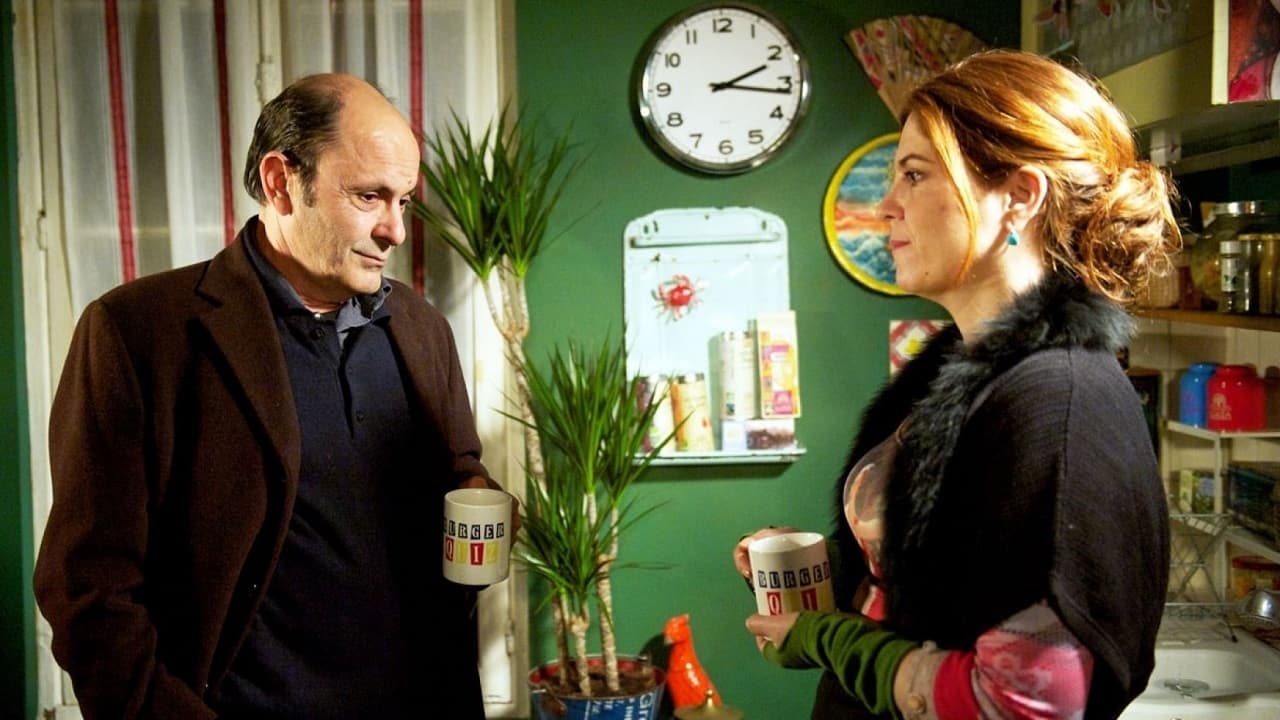
As performers, they are equally compelling. Jaoui brings a relatable intelligence and vulnerability to Camille, navigating the confusing attentions of potential suitors. Bacri, as the perpetually grumpy but secretly sensitive Nicolas, is a masterclass in conveying exasperation and longing, often simultaneously. His character's research into historical texts about chivalry provides a subtle, ironic counterpoint to the messy realities of modern romance playing out around him. Sabine Azéma is luminous as Odile, torn between stability and desire, while Pierre Arditi perfectly captures Claude's attempts to maintain control amidst growing chaos, his César-winning performance a study in barely concealed panic. And André Dussollier is effortlessly charming and slightly slippery as Simon, the character whose reliance on quoting others feels like a non-musical echo of the film's main conceit.
A Rewarding Discovery
Watching Same Old Song today evokes a particular kind of nostalgia – not just for the 90s setting, but for the thrill of cinematic discovery that felt so potent in the video rental era. Finding a film like this, one that played with convention so confidently and winningly, felt like uncovering a treasure. It wasn't the typical blockbuster fare stacked near the entrance, but something tucked away, waiting for the curious viewer. It's a film that trusts its audience's intelligence, blending humor, heartache, and musical surprises into a uniquely satisfying whole. The lip-syncing never feels forced; instead, it becomes an integral part of the film's language, a shared secret between the film and the viewer.
Rating: 8.5/10
This score reflects the film's sheer invention, the brilliance of the Jaoui/Bacri script, the superb ensemble cast, and Resnais' masterful, playful direction. It successfully integrates a high-concept gimmick into a genuinely moving and funny character study. While perhaps not possessing the earth-shattering impact of Resnais' earlier masterpieces, its charm, wit, and emotional honesty are undeniable, making it a standout of 90s French cinema and a perfect example of the unique finds the VHS era offered.
Same Old Song remains a testament to the power of creative risk-taking, a reminder that even familiar stories of love and longing can feel fresh and surprising when told with wit, heart, and a perfectly timed pop song. What lingers most is that feeling of delight each time a character breaks the diegetic mold – a cinematic wink that still feels wonderfully clever.