Okay, fellow travellers through time and tape, let's dust off a slightly newer cassette for today's rewind – one that bridges the gap between the classic VHS era and the dawn of the digital disc. Remember 2000? The anxieties of Y2K had (mostly) fizzled out, and British comedy was still riding high. It’s in this climate that Ben Elton, a name synonymous with biting satire and stand-up brilliance (The Young Ones, Blackadder), stepped behind the camera for his directorial debut: Maybe Baby. Does the memory flicker warmly, or is it a title that’s gathered a bit more dust on the mental shelf?
### When Laughter Meets Longing
What immediately strikes you rewatching Maybe Baby isn't just the familiar faces, but the film's earnest, sometimes awkward, attempt to grapple with a profoundly sensitive subject through the lens of a romantic comedy. We meet Sam Bell (Hugh Laurie) and Lucy Bell (Joely Richardson), a seemingly perfect couple living a comfortable London life. He's a commissioning editor at the BBC, she's a talent agent. They adore each other, they have successful careers... but they can't conceive a child. The film charts their increasingly desperate, often humiliating, and occasionally darkly funny journey through the world of fertility treatments and adoption attempts. It’s a premise that feels both deeply personal and universally understandable, asking: how far would you go for the dream of a family? And what happens to love when it's put under such relentless pressure?
### The Elton Imprint
This film feels unmistakably like a Ben Elton project. Adapted from his own 1999 novel, Inconceivable, the dialogue crackles with his signature wit and observational sharpness, particularly in the cynical media world Sam inhabits. Elton, directing his own material, brings a certain rawness to the proceedings. Knowing that Elton and his wife went through IVF themselves lends the narrative an undeniable layer of authenticity, a sense of lived experience beneath the comedic sheen. This isn't just a writer tackling a topic; it's someone who seemingly understands the emotional rollercoaster firsthand. However, this personal connection sometimes feels like it pulls the film in two directions. The desire to inject trademark Elton humour occasionally sits uneasily beside the genuine pain of the Bells' situation. There are moments of near-slapstick (the infamous sperm sample sequence comes to mind) that, while perhaps intended to lighten the mood, can feel tonally jarring against the backdrop of profound disappointment.
### Laurie and Richardson: A Study in Chemistry Under Strain
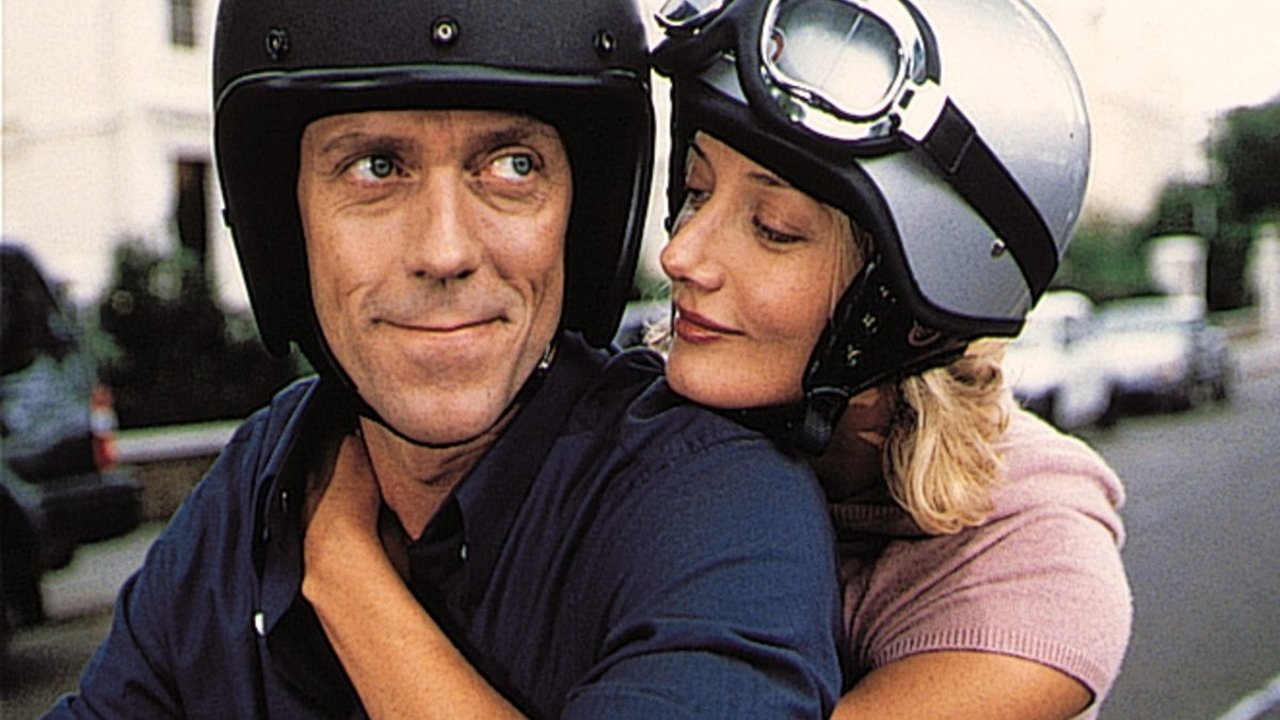
The absolute anchor of Maybe Baby is the central pairing. Hugh Laurie, caught here in that fascinating career space between his beloved comedic roles and the global phenomenon of House, is simply brilliant. He imbues Sam with a nervous energy, a charm that curdles into desperation, and a vulnerability that makes his sometimes questionable decisions (like cynically mining their ordeal for a screenplay) feel tragically human rather than purely villainous. You see the charm, the wit, but also the fraying edges of a man cracking under pressure.
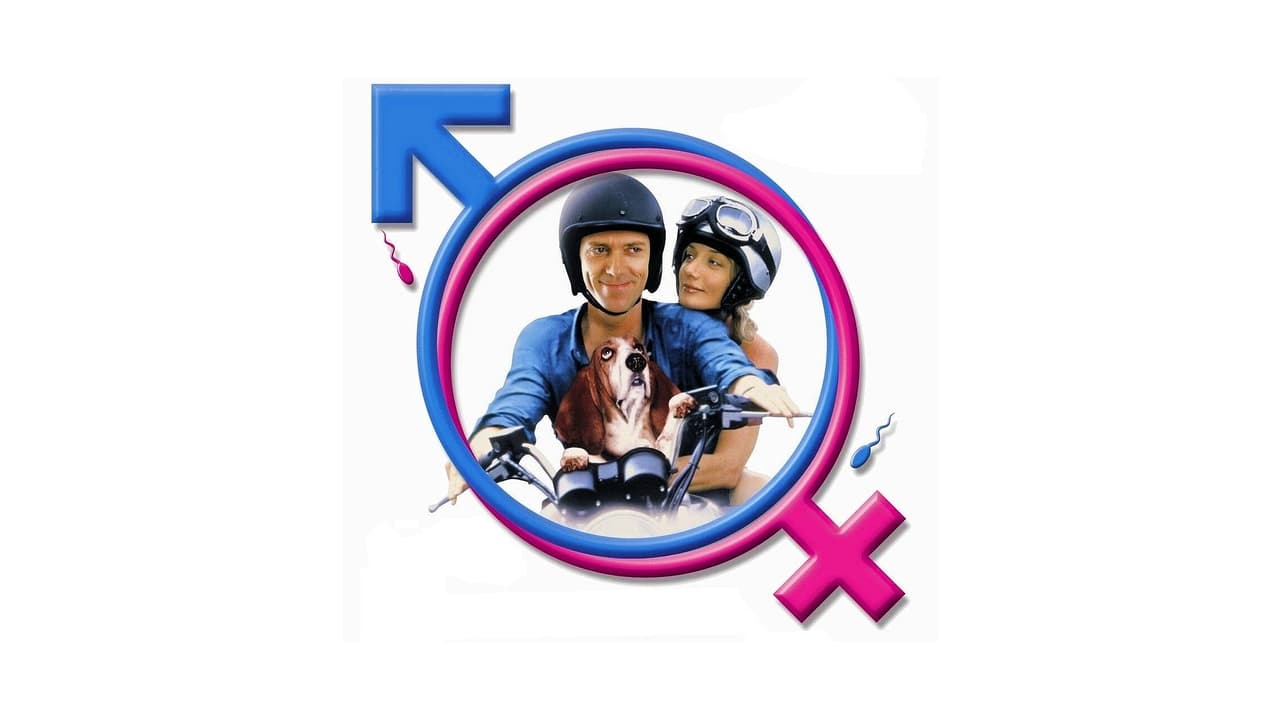
Joely Richardson, meanwhile, provides the film's emotional core. Lucy bears the physical and emotional brunt of the infertility journey, and Richardson portrays her resilience, hope, and devastating heartbreak with understated grace. Her performance grounds the film, ensuring the central struggle never feels trivialised, even when the script veers towards broader comedy. Their chemistry is palpable, making their moments of connection tender and their arguments genuinely painful to watch. Do their struggles resonate with the pressures couples still face today, perhaps even more intensely in our hyper-aware world?
### Cameos, Context, and That Early 2000s Feel
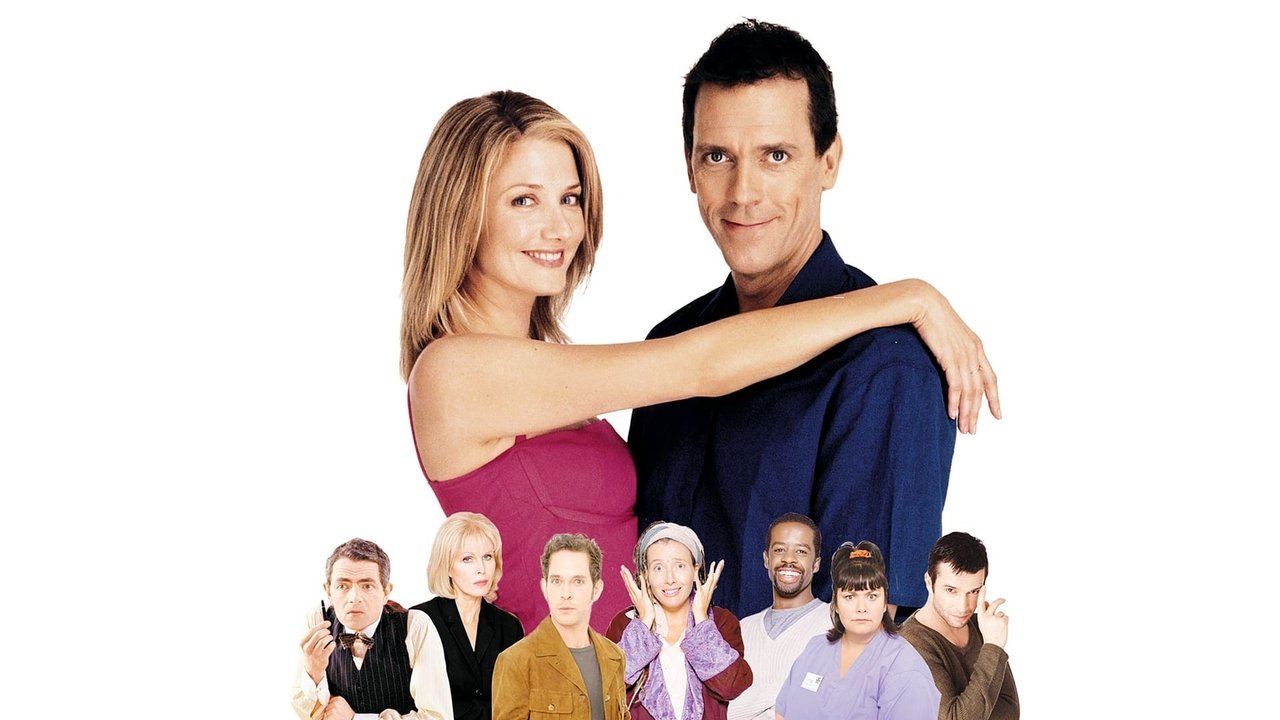
Part of the fun of revisiting Maybe Baby now is spotting the incredible roster of British comedy royalty popping up in supporting roles and cameos. Keep your eyes peeled for Rowan Atkinson as the wonderfully awkward gynecologist Mr. James, Emma Thompson and Joanna Lumley as new-agey therapy types, and Dawn French as Sam's forthright Australian colleague. These appearances feel less like stunt casting and more like friends rallying around Elton's debut, adding texture and moments of genuine hilarity. Interestingly, Tom Hollander also appears as Ewan Proclaimer, one half of the film's parody of The Proclaimers – a gag that lands with varying degrees of success.
Filmed on location in London, the movie captures that specific turn-of-the-millennium aesthetic – slightly less gritty than the 90s, not quite the sleekness that would follow. It sits in that interesting transition period, much like its home video release straddling VHS and DVD. While not a massive box office smash (reportedly grossing around $7 million worldwide against its budget), it found its audience on home rental, becoming one of those familiar titles you’d see nestled between the bigger hits at Blockbuster. Was it ever a tape you wore out, or more of a ‘one and done’ rental? I distinctly remember picking this one up, drawn by Laurie and the promise of Brit-com comfort food, and being surprised by its emotional heft.
### Final Thoughts: A Flawed but Affecting Journey
Maybe Baby isn't a perfect film. Its tonal shifts can be uneven, and some of the comedic subplots (particularly Sam's screenplay efforts) feel a touch contrived compared to the raw honesty of the central infertility narrative. Yet, there's a sincerity and warmth here that’s hard to dismiss. It tackles a difficult subject with intelligence and heart, anchored by two superb central performances. It captures the anxieties, the absurdities, and the aching longing that accompany the struggle to conceive, wrapping it in a package that, while occasionally bumpy, remains affectingly human.
Rating: 7/10
The score reflects the film's strengths – primarily Laurie and Richardson's performances and the script's moments of sharp insight – tempered by its occasional tonal inconsistencies and slightly dated comedic elements. It earns its points for tackling a tough subject with genuine empathy, even if the execution isn't always seamless.
What lingers after the credits roll isn't necessarily the big laughs, but the quiet moments of shared vulnerability between Sam and Lucy. It leaves you pondering the complex interplay of hope, humour, and heartbreak in the face of life's unexpected challenges – a theme as relevant now as it was at the dawn of the new millennium.