Alright, settle in and adjust the tracking, because tonight on VHS Heaven, we're popping in a tape that’s pure champagne fizz amidst the usual cacophony of explosions and laser beams: Blake Edwards' sparkling 1982 gem, Victor/Victoria. Forget the sticky floors of the multiplex for a moment; finding this on the video store shelf felt like discovering a hidden speakeasy behind the action aisle. It promised something different, something witty and glamorous, and boy, did it deliver.
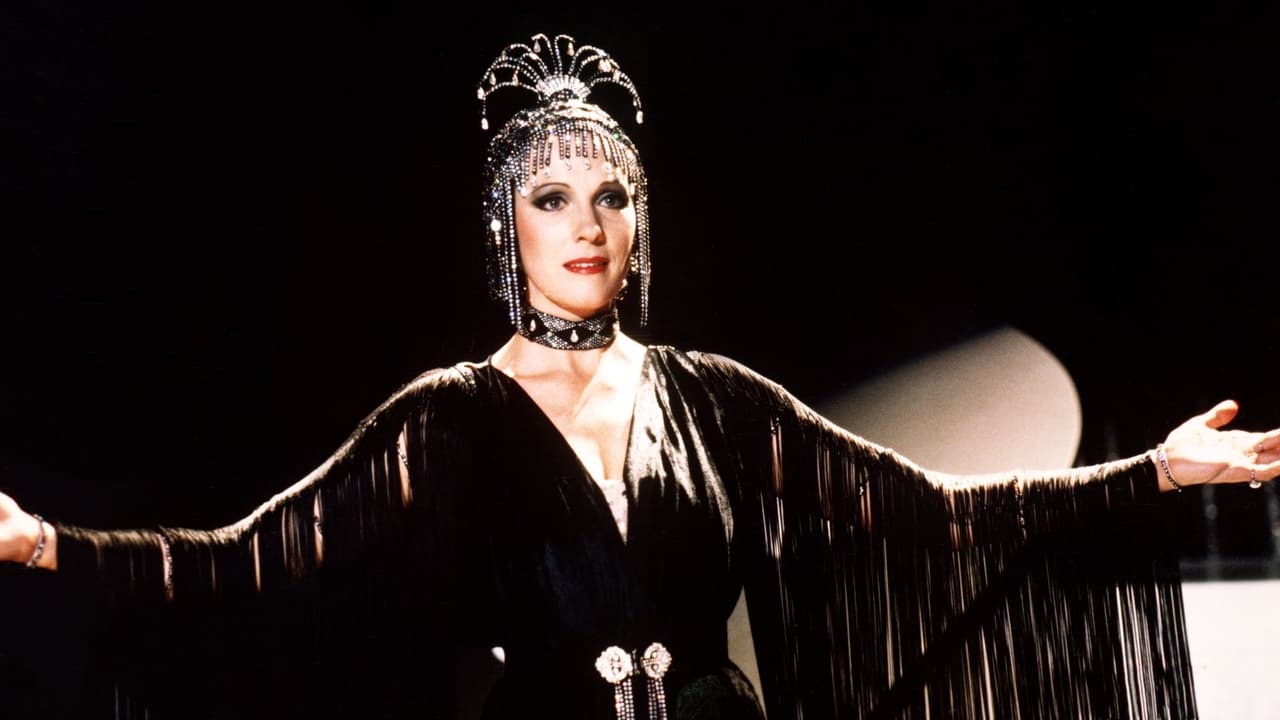
This wasn't your typical early-80s fare. While Stallone was flexing and spaceships were zapping, Edwards, already a master of sophisticated comedy (Breakfast at Tiffany's, the Pink Panther series), crafted this audacious musical farce set in the dazzling, decadent world of 1930s Paris. The premise alone was enough to raise eyebrows back then: a down-on-her-luck soprano, Victoria Grant (Julie Andrews), finds stardom by pretending to be a man, Count Victor Grazinski, performing as a female impersonator. Got that? It's a delightful pretzel of gender-bending confusion, executed with astonishing style and wit.
### More Than Just Mary Poppins
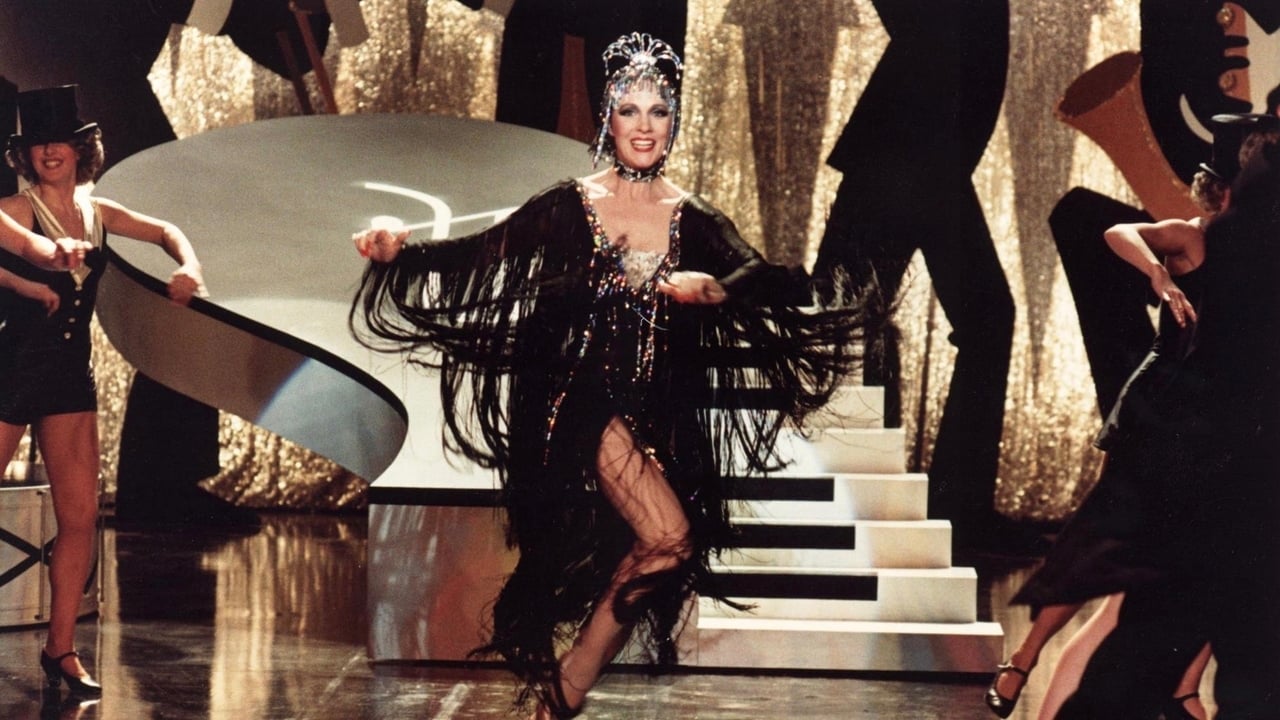
Let's talk about Julie Andrews. Seeing her in this role, especially back in the day on a slightly fuzzy CRT, was a revelation. This was the beloved governess, the singing nun, stepping into a role that was sophisticated, funny, and daringly complex. Watching her navigate the dual identity, belt out those incredible numbers (like the showstopper "Le Jazz Hot"), and handle the screwball situations with perfect timing is sheer joy. It’s a performance that reminds you just how versatile she truly is. A fascinating bit of trivia: this film was based on a 1933 German movie, Viktor und Viktoria, but Edwards and Andrews (his wife, adding another layer of creative intimacy to the project) made it entirely their own. The film snagged Andrews a well-deserved Oscar nomination for Best Actress.
But Victoria/Victor isn't alone in this charade. The film hinges on a brilliant ensemble. Enter Carroll "Toddy" Todd, played with infectious, scene-stealing gusto by the legendary Robert Preston (The Music Man). Toddy is the flamboyant, aging gay performer who masterminds the entire scheme. Preston is simply magnificent, delivering every line with relish and warmth. He earned an Oscar nomination for Best Supporting Actor, and honestly, watching him, you feel he was robbed. He’s the heart and soul of the picture, grounding the high-concept premise with genuine emotion. I remember thinking even then, watching my rented copy, how effortlessly charming and funny he was – a performance that felt both classic and ahead of its time.
### Chicago Comes to Paris
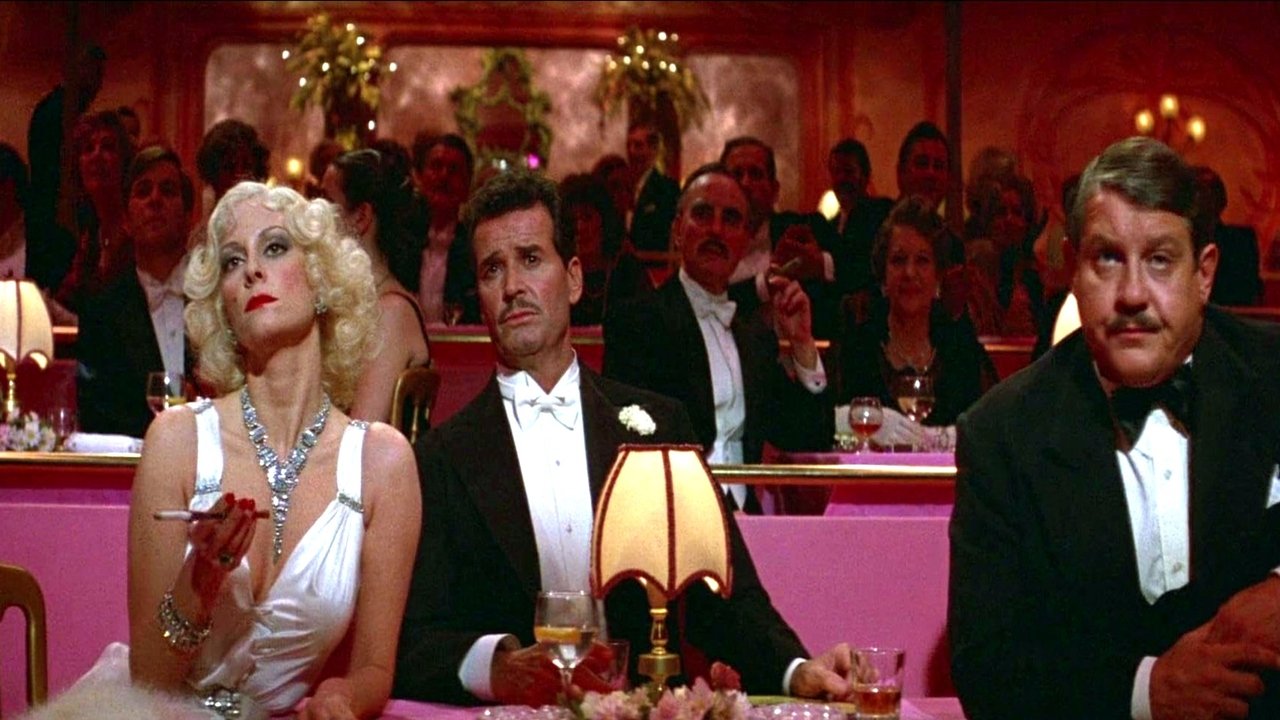
Then there's James Garner as King Marchand, a Chicago nightclub owner (with implied gangster ties, naturally) who finds himself bafflingly attracted to Victor, shaking his very definition of masculinity. Garner, always the epitome of suave charisma, plays King’s confusion and dawning realization with hilarious subtlety. His interactions with his ditzy blonde moll, Norma Cassidy (played pitch-perfectly by Lesley Ann Warren, who also snagged a Supporting Actress nomination), are comedic gold. Remember her shriek during the cockroach scene? Pure comedic perfection, delivered with wide-eyed conviction. Warren nearly walks away with the entire film in her supporting role.
Edwards directs with a light touch but a keen eye for visual comedy and pacing. The film looks spectacular. Forget CGI cityscapes; this is the magic of practical filmmaking. The entire evocation of 1930s Paris was constructed on soundstages at Pinewood Studios in England. The Art Deco sets are lush, the costumes by Patricia Norris are stunning (another Oscar nomination!), and the whole production just drips with old-Hollywood glamour, even through the VCR's sometimes-temperamental playback. You could almost smell the cigarette smoke and champagne.
### The Music and the Magic
And the music! Oh, that score by the incomparable Henry Mancini, with lyrics by Leslie Bricusse, is unforgettable. It won the film its only Oscar (for Best Original Song Score and Its Adaptation or Adaptation Score), and rightly so. From the smoky ballads to the high-energy cabaret numbers, the music is woven seamlessly into the narrative, driving the plot and amplifying the emotions. "Le Jazz Hot," "The Shady Dame from Seville," "Crazy World" – these aren't just songs; they're character pieces, full of wit and feeling. Listening to Andrews sing these numbers, knowing the vocal cord issues she tragically faced later in her career, adds a layer of poignancy to revisiting this film today. Her voice here is simply pristine.
Victor/Victoria wasn’t just critically acclaimed; it felt like a sophisticated treat audiences embraced. It navigated its potentially controversial themes of gender identity and sexuality with remarkable grace and humour for 1982. It never felt preachy, just playfully observant about societal expectations and the fluid nature of attraction. It asks questions, makes you laugh, and leaves you utterly charmed. Sure, some of the comedic setups might feel familiar now, but the execution remains top-notch.
Final Rating: 9/10
This score reflects the film's masterful blend of comedy, music, performance, and style. It’s witty, visually stunning, impeccably acted by the entire cast (especially Andrews, Preston, and Warren), and boasts a timeless score. It loses perhaps a single point only because the pacing occasionally dips slightly in the middle, but it's a minor quibble in a near-perfect concoction.
Final Take: Victor/Victoria is a sophisticated screwball delight, a reminder of when mainstream Hollywood could be this smart, funny, and daring. It’s a film that sparkled on the VHS shelf and shines even brighter today – proof that true style and wit never go out of fashion. Press play and pour yourself something bubbly.