Okay, settle in and rewind with me for a moment. While the neon glow of the 80s and the grunge-tinged cynicism of the 90s are our usual haunts here at VHS Heaven, sometimes a film arrives just as the calendar flips, carrying the echoes of the decade we just left behind. Such is the case with Valerie Breiman's Love & Sex (2000), a film that landed on video store shelves feeling less like a shiny new millennium offering and more like a final, brutally honest conversation held over from the independent boom of the late 90s. Its very title feels like a gauntlet thrown down – no euphemisms, no meet-cutes promised, just the raw, messy stuff.

### More Than Just a Headline
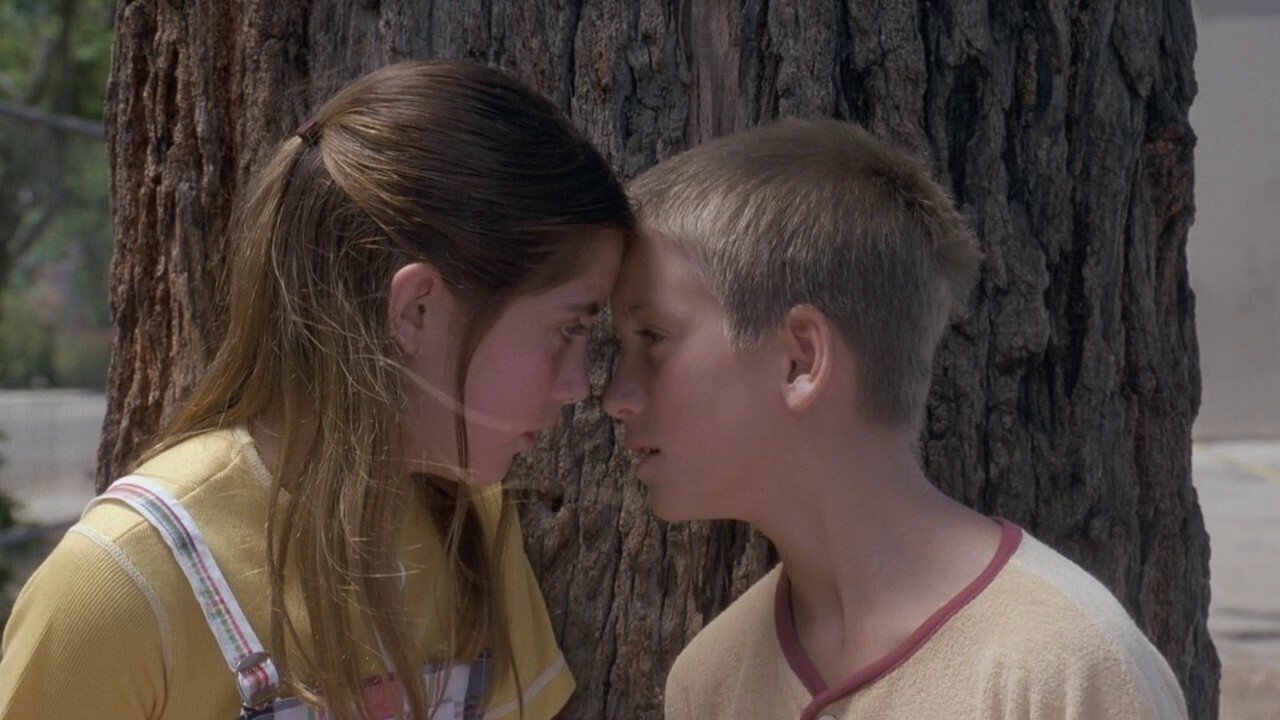
The film doesn't shy away from its title's promise. We follow Kate Welles (Famke Janssen), a magazine journalist handed the fluffiest of assignments: write an article titled "How to Have Great Sex." Facing writer's block and perhaps a touch of existential dread, Kate instead dives headfirst into a candid, often unflattering dissection of her own romantic and sexual history, primarily focusing on her tumultuous, on-again, off-again relationship with Adam Levy (Jon Favreau), a struggling painter with a penchant for witty banter and frustrating unavailability. Doesn't that premise itself feel like a specific flavour of late-90s self-examination, the kind that permeated indie cinema back then?
What strikes you immediately is the film's voice. Breiman, pulling double duty as writer and director, crafts dialogue that feels refreshingly, sometimes uncomfortably, real. This isn't the polished repartee of a high-budget rom-com; it's the stumbling, awkward, occasionally mean-spirited way people actually talk when navigating the minefield of attraction, commitment, and disappointment. Remember those conversations you had in your twenties or thirties, the ones where you tried to articulate what went wrong, only to trip over your own justifications and hurt feelings? That's the territory Love & Sex explores.

### The Chemistry Experiment
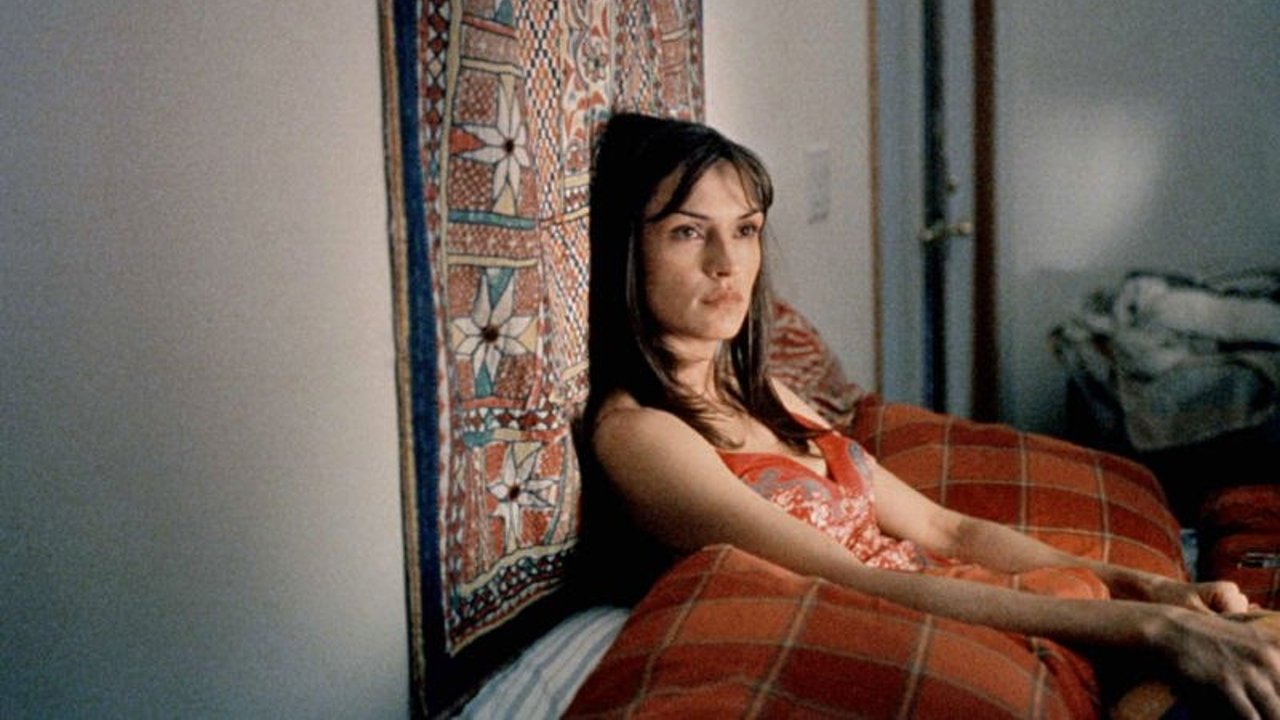
At the heart of it all are the performances. Famke Janssen, known then primarily for more glamorous or action-oriented roles like Xenia Onatopp in GoldenEye (1995) or Jean Grey in the first X-Men (released the same year!), reveals a vulnerability and sharp comedic timing as Kate. She makes Kate’s neuroses and professional frustrations relatable, grounding the character even when her choices are questionable. You see the intelligence warring with insecurity, the desire for connection battling the fear of being hurt again. It's a performance that feels lived-in, authentic.
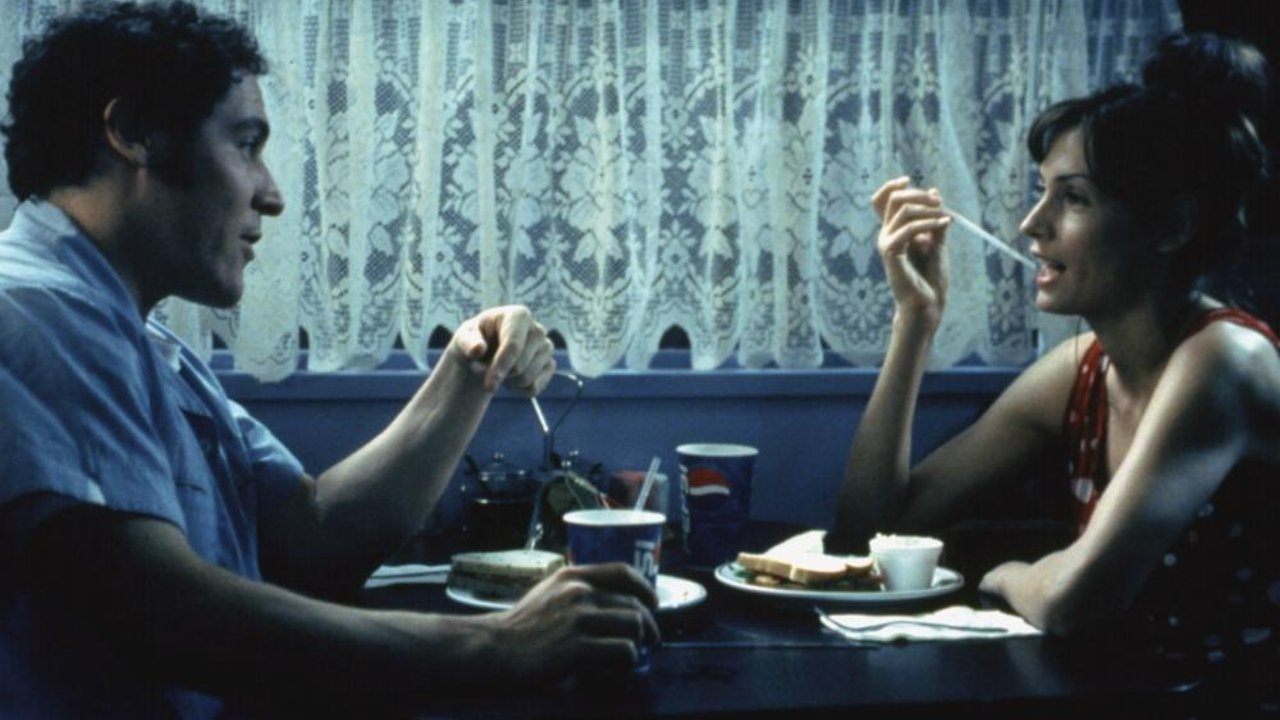
And then there's Jon Favreau. This was before he became a blockbuster director (Iron Man, The Mandalorian) or the beloved Happy Hogan. Here, as Adam, he embodies that specific type of charmingly flawed guy so many encountered – talented, funny, capable of deep affection, but also self-absorbed and commitment-phobic. The chemistry between Janssen and Favreau sizzles and sputters exactly as it should. You believe their history, their attraction, and crucially, the reasons they keep colliding and pulling apart. Their scenes together are the film’s engine, oscillating between genuine tenderness and teeth-grinding frustration. Look out too for a solid supporting turn from Noah Emmerich (The Truman Show, The Americans) as Adam's more grounded best friend, often serving as the exasperated voice of reason.
### Indie Spirit, Enduring Questions
Filmed on a relatively modest budget (reportedly around $2.5 million), Love & Sex carries that distinct early 2000s indie aesthetic. It’s not visually flashy, focusing instead on character interactions and dialogue. Breiman’s direction is unfussy, allowing the script and the actors to carry the weight. The film premiered at the Sundance Film Festival in 2000, a natural home for its brand of character-driven, observational storytelling. It didn't set the box office alight, but like many worthwhile indies from that era, it found its audience on home video – that trusty VHS tape (or maybe an early DVD!) passed between friends with a knowing nod: "You gotta see this one."
What makes it stick, I think, is its refusal to offer easy answers. It doesn't necessarily condemn or celebrate its characters' choices. Instead, it lays bare the complexities: the way ego gets tangled up in intimacy, how past hurts shape present interactions, the gap between what we say we want in a relationship and what we actually pursue. It asks, implicitly, how much of our romantic lives are driven by genuine connection versus habit, fear, or the simple desire not to be alone? These aren't questions confined to the turn of the millennium; they resonate just as strongly today. Does Kate’s journalistic framing device – analyzing her past loves like case studies – ultimately help her understand, or just intellectualize the mess?
### Final Thoughts: The Unvarnished Truth
Love & Sex might technically be a 2000 release, but its heart beats with the frank, sometimes cynical, yet deeply human spirit of the 90s indie scene many of us remember so fondly from those video store aisles. It's a film that values conversation over spectacle, honesty over aspiration. It might make you laugh, it might make you cringe with recognition, and it will definitely make you think about the intricate, often illogical dance between – well, love and sex.
Rating: 7.5/10
Justification: The film earns this score through its sharp, refreshingly honest writing, the compelling and believable chemistry between Janssen and Favreau, and its willingness to tackle relationship complexities without resorting to easy clichés. It captures a specific moment in indie filmmaking and holds up as a smart, insightful character study, even if its modest production values occasionally show. It loses a few points perhaps for a slightly episodic feel at times and a resolution that might feel a touch abrupt to some, but its core strengths are undeniable.
VHS Heaven Rewind: A smart, funny, and sometimes painfully real look at modern relationships that felt like a spiritual successor to the best 90s indie talkies, perfect for a thoughtful evening rental back in the day. It lingers because it dares to suggest that understanding love isn't always about finding the answers, but about learning to ask the right questions.