Okay, fellow tape travelers, let's rewind to 1999. The decade was winding down, the shadow of Y2K loomed large (or maybe just medium), and amidst the burgeoning wave of teen comedies and slick action flicks, Garry Marshall, a director practically synonymous with heartwarming, star-driven fare like Pretty Woman (1990), delivered something a little different, yet unmistakably Marshall-esque: The Other Sister. It landed on video store shelves with its earnest heart pinned firmly on its sleeve, asking us to consider love, independence, and family through the lens of intellectual disability. But revisiting it now, decades later, does that earnestness still resonate, or does it feel like a product of a less nuanced time?
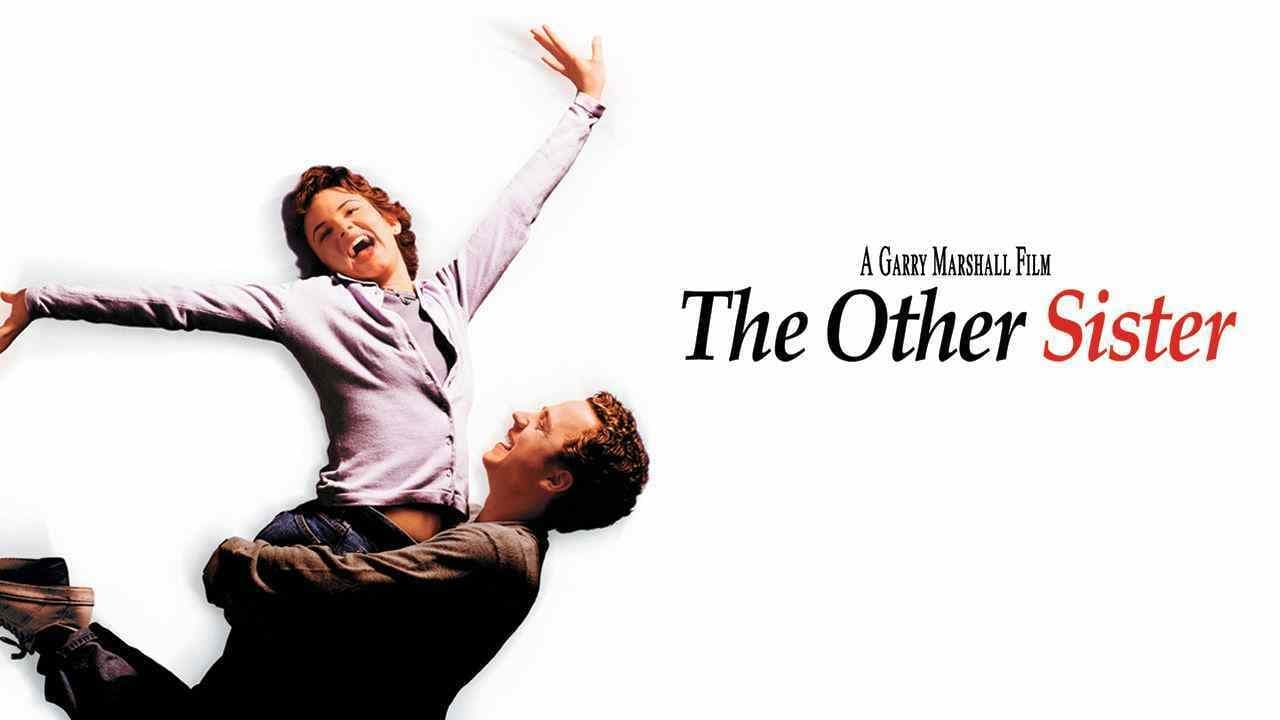
Finding a Voice, Seeking Independence
The core of The Other Sister is Carla Tate (Juliette Lewis), a young woman with a mild intellectual disability returning home after years at a specialized boarding school. She yearns for the 'normal' life her siblings enjoy: independence, college, romance. Her protective, upper-class mother, Elizabeth (Diane Keaton), however, struggles to see her daughter as anything other than vulnerable, creating a central conflict built on love but expressed through control. Her father, Radley (Tom Skerritt), offers a quieter, perhaps more understanding presence. Enter Daniel (Giovanni Ribisi), a fellow student at the polytechnic college Carla attends, who also has an intellectual disability. Their burgeoning romance forms the film's emotional engine.
It's a premise ripe for sentimentality, and Marshall, working from a script he co-wrote with Bob Brunner and Alexandra Rose, certainly doesn't shy away from tugging at the heartstrings. You feel his directorial hand guiding the emotional beats, sometimes gently, sometimes with the subtlety of a marching band – a signature Marshall trait, perhaps. Remember that prominent use of The Pretenders' "I'll Stand By You"? It wasn't just background music; it was practically a mission statement woven into the film's fabric.
A Performance of Fierce Commitment
What truly anchors the film, preventing it from drifting entirely into schmaltz, are the central performances. Juliette Lewis, an actress often known for her volatile, edgy roles (Natural Born Killers, Cape Fear), throws herself into Carla with an almost startling commitment. It’s a physical performance as much as an emotional one – the tilted head, the specific vocal patterns, the moments of unfiltered joy and frustration. Lewis avoids condescension, portraying Carla not as a caricature but as a young woman fighting to define herself against others' expectations and her own limitations. Does every aspect of the portrayal feel perfect through a modern lens? Perhaps not entirely, as our understanding and depictions of disability in media have evolved. But the sincerity of Lewis's effort, her dedication to finding Carla's truth, remains potent. I recall reading that Lewis spent considerable time interacting with individuals with similar disabilities to prepare, aiming for authenticity over imitation.
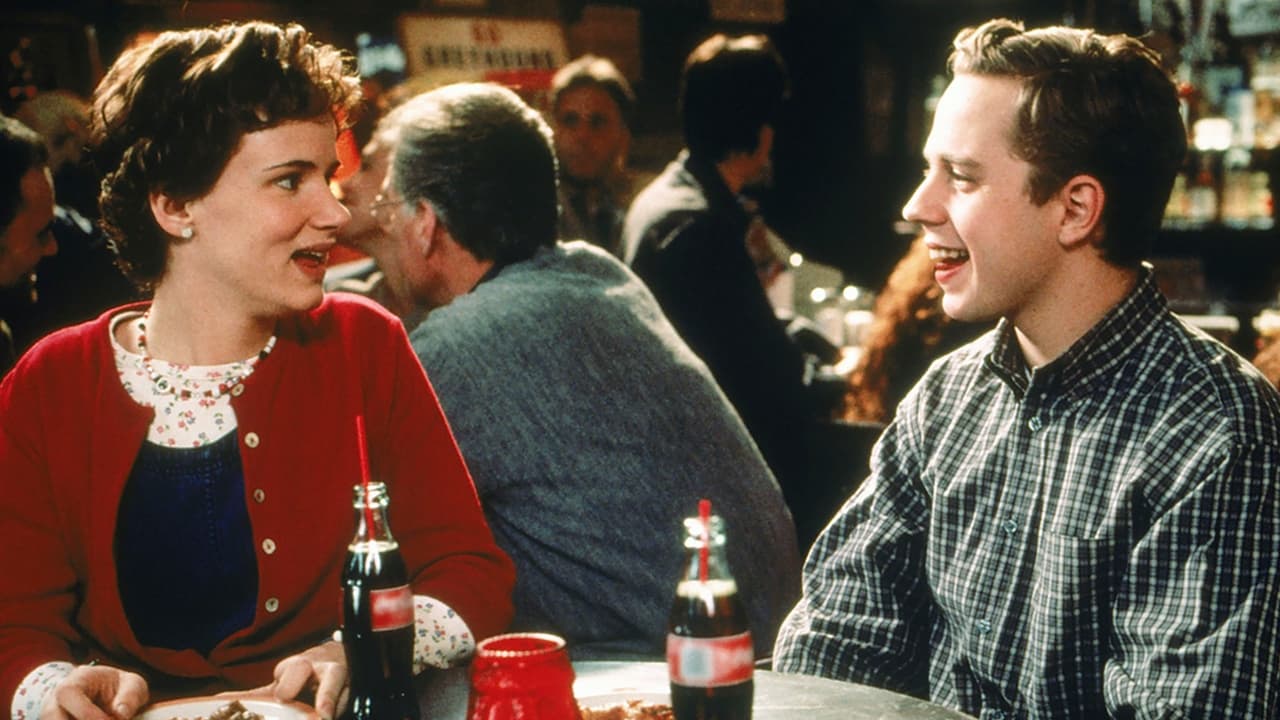
Matching her step for step is Giovanni Ribisi as Daniel. Ribisi, who had already shown remarkable range in films like Saving Private Ryan (1998), brings a gentle awkwardness and surprising depth to Daniel. His character provides not only romance but also a different perspective on navigating the world with a disability. Their shared scenes, particularly their charmingly imperfect attempts at courtship and their mutual support, are the film's undeniable highlights. Their connection feels genuine, a small bubble of understanding in a world that often misunderstands them both.
Family Dynamics and Marshall's Touch
Surrounding them, Diane Keaton delivers a performance perfectly calibrated to her established screen persona – anxious, loving, controlling, yet ultimately sympathetic. Her Elizabeth isn't a villain; she's a mother terrified of the world hurting her child, a fear that manifests as smothering protection. It’s a familiar dynamic, perhaps, but Keaton embodies it with conviction. Tom Skerritt, often the calm counterpoint in his roles (think Top Gun or Picket Fences), provides that grounding presence here, a father caught between his wife's anxieties and his daughter's burgeoning desires.
And, as is tradition in a Garry Marshall film, keep an eye out for familiar faces. Marshall's go-to good luck charm, Hector Elizondo, naturally appears, this time as a supportive tutor. Marshall often fostered a family atmosphere on set, which perhaps contributed to the warmth that permeates even the film's more dramatic moments. Despite tackling serious themes, there's an underlying optimism, a belief in the power of love and acceptance, that feels very much like Marshall's signature. Reportedly budgeted around $35 million, it didn't set the box office alight (grossing under $30 million domestically), suggesting maybe audiences found the blend of rom-com sweetness and disability drama a slightly uncertain mix back in '99.
Looking Back from VHS Heaven
Watching The Other Sister today is an interesting experience. It prompts reflection on how far mainstream cinema has come – and perhaps how far it still has to go – in portraying characters with disabilities. The film occasionally dips into overly simplistic resolutions or relies on convenient plot turns, hallmarks sometimes found in Marshall's crowd-pleasing style. The world Carla and Daniel navigate feels somewhat sanitized, perhaps lacking the sharper edges of reality.
Yet, there's an undeniable sweetness and sincerity here that's hard to dismiss entirely. It comes from a place of good intention, aiming to foster empathy and understanding. For many viewers back in the VHS era, renting this from Blockbuster or Hollywood Video might have been one of their first encounters with a mainstream film attempting to center characters like Carla and Daniel. It sparked conversations, even if the portrayal wasn't perfect. The film asks us to consider who gets to define a 'full life'. What does independence truly mean when viewed through the prism of family love and societal expectations?
Rating: 6/10
This rating reflects a film with undeniable heart and truly committed performances, particularly from Juliette Lewis and Giovanni Ribisi, nestled within a somewhat dated, occasionally simplistic Garry Marshall framework. Its earnestness is both its strength and, at times, its weakness when viewed through a contemporary lens. The film might oversimplify complex issues, but its core message about love, acceptance, and the universal desire for self-determination still holds a certain warmth.
It remains a noteworthy entry from the late 90s, a film that tried, with sincerity, to broaden the scope of the romantic drama, leaving you with a lingering sense of warmth, even if accompanied by questions about its approach. It’s a reminder that sometimes, the films that aim squarely for the heart, even imperfectly, are the ones that stick with you on the dusty shelves of memory.