It starts with a premise that feels almost like a dare: a Catholic priest and a Rabbi, inseparable best friends since childhood, find their lifelong bond tested when the dynamic girl they both grew up with, now a successful businesswoman, re-enters their lives in Manhattan. It’s a setup ripe for sitcom misunderstandings or perhaps even theological offense. Yet, Edward Norton’s directorial debut, Keeping the Faith (2000), navigates this potentially treacherous terrain with an unexpected and deeply winning combination of humour, heart, and surprising sincerity. This wasn't the intense, brooding Norton we knew from American History X (1998); behind the camera, he revealed a touch remarkably gentle and perceptive.

A Triangle of Faith and Affection
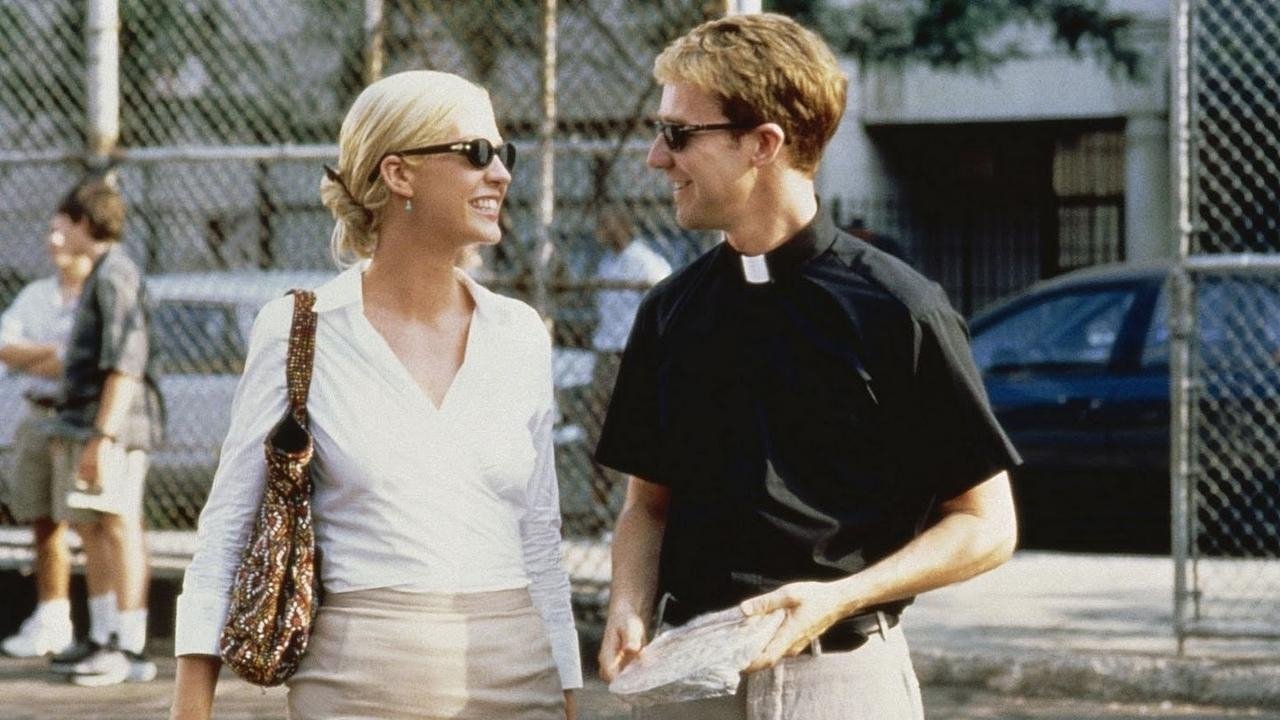
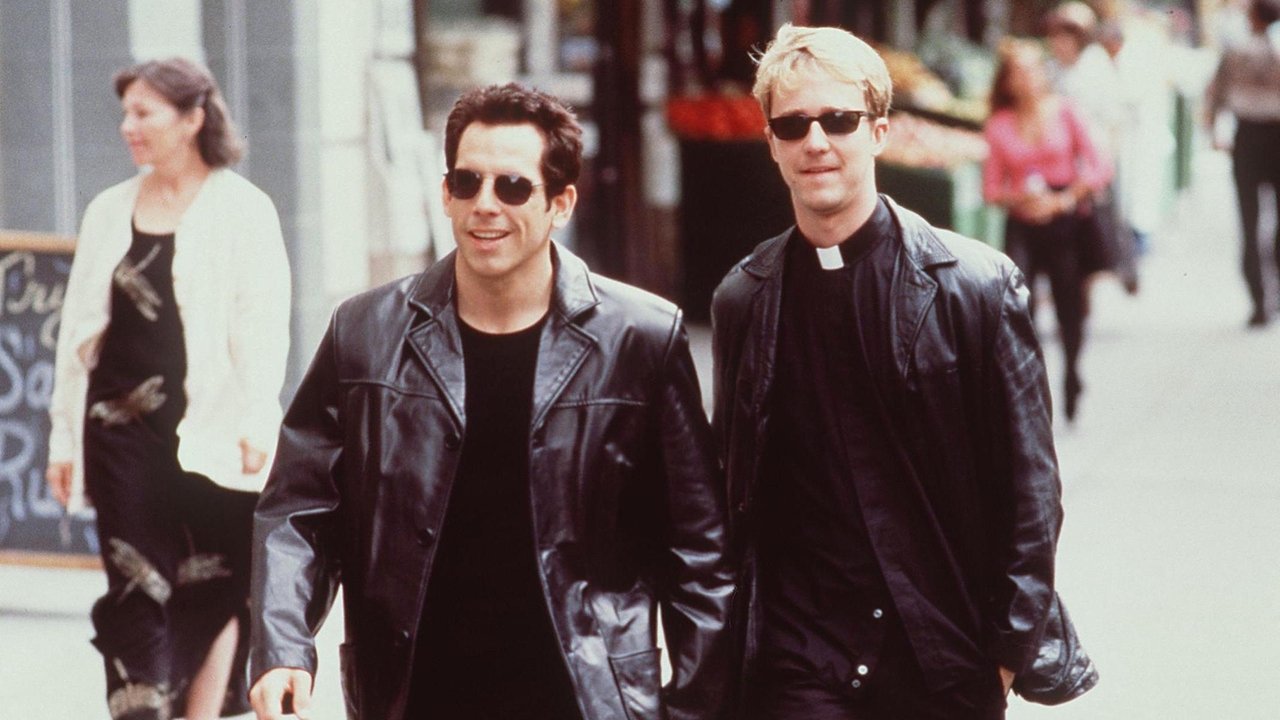
The story, penned by Stuart Blumberg (who would later co-write the acclaimed The Kids Are All Right), introduces us to Father Brian Finn (Edward Norton) and Rabbi Jacob "Jake" Schram (Ben Stiller). They aren't just men of the cloth; they're vibrant, modern figures deeply embedded in their Upper West Side communities, trying innovative ways to connect with their congregations – think karaoke nights and interfaith collaborations. Their comfortable world tilts when Anna Reilly (Jenna Elfman, radiating the infectious energy she brought to TV's Dharma & Greg), their childhood partner-in-crime, returns to New York for work. The old chemistry instantly reignites, but complicates things considerably. Brian has his vow of celibacy, Jake faces pressure from his synagogue elders (including the legendary Eli Wallach) to marry within the faith, and Anna finds herself genuinely drawn to both men who represent such different, yet equally fulfilling, paths.
What elevates Keeping the Faith beyond a standard romantic comedy is its genuine engagement with the characters' spiritual lives. It doesn't shy away from the real conflicts their faiths impose on their desires. Brian's struggle with his vows feels authentic, never played merely for laughs or melodrama. Jake’s conversations with his congregants, particularly the pushy but well-meaning matchmaking efforts led by characters played with delightful warmth by veterans like Anne Bancroft, feel grounded in cultural specificity without resorting to caricature. The film manages a delicate balancing act: it finds humour in their situations but never mocks their beliefs. Remember Jake awkwardly trying to explain his predicament to his congregation? It's funny, yes, but also laced with real vulnerability.
Performances That Ground the Premise
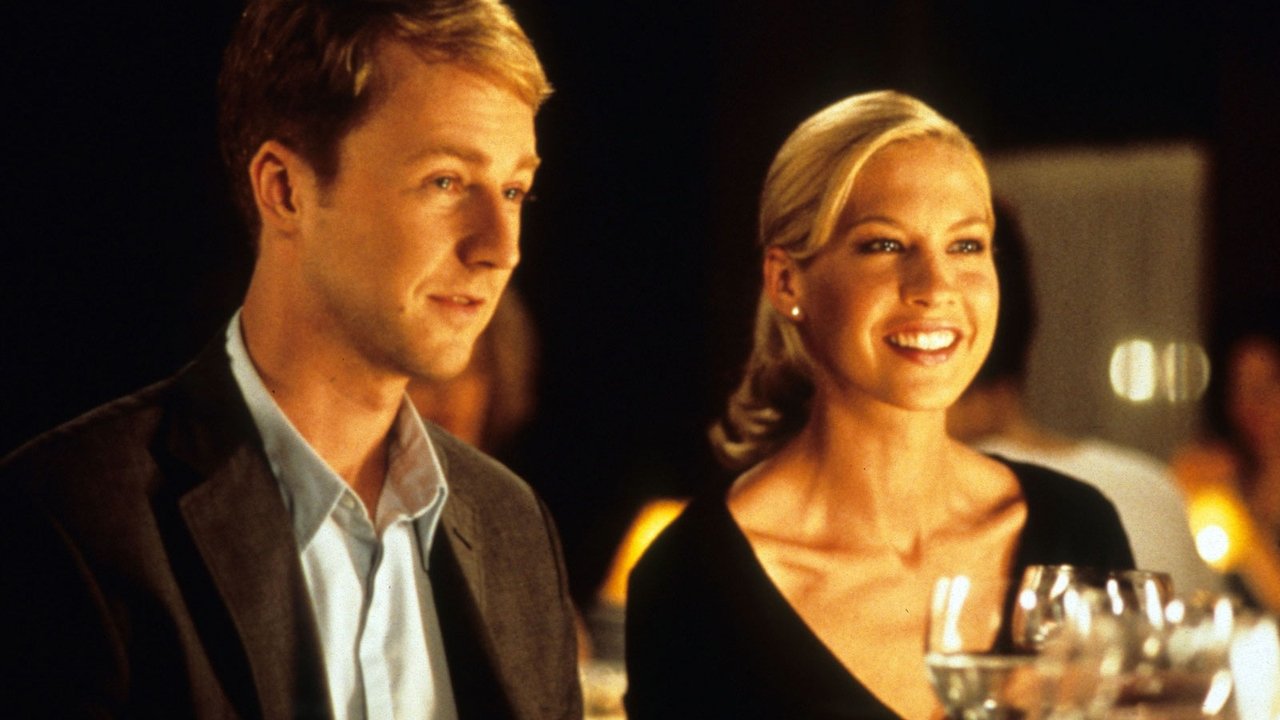
The film hinges entirely on the chemistry and credibility of its central trio, and thankfully, they deliver beautifully. Norton, directing himself, brings a quiet intelligence and soulful conflict to Father Brian. You see the genuine affection he has for Jake and Anna warring with his deep commitment to his calling. Stiller, often known for broader comedy, finds a perfect rhythm here as Jake. He’s charming, witty, and believably torn, showcasing a more sensitive side that complements his comedic timing perfectly. There's a natural ease in their banter, honed since childhood, that feels utterly convincing.
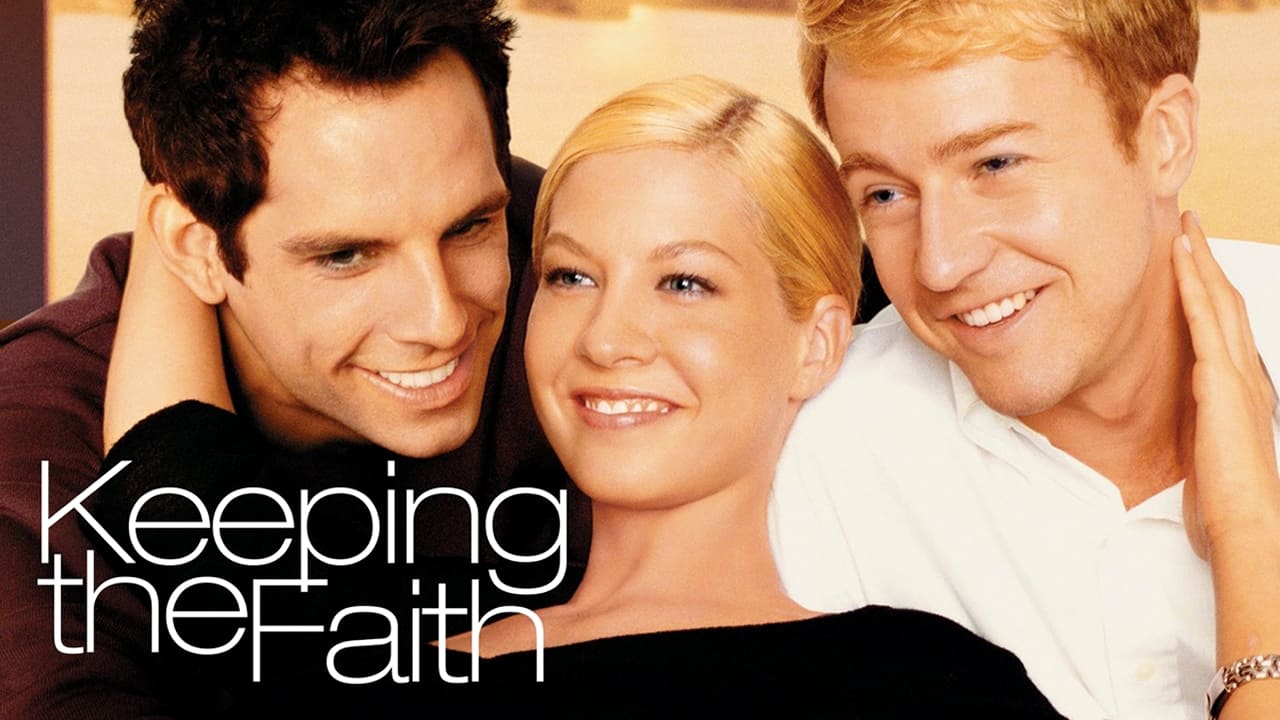
And then there's Jenna Elfman as Anna. She’s the catalyst, the magnetic force pulling these two men out of their routines. Elfman imbues Anna with a bright, captivating energy, but crucially, also intelligence and self-awareness. She's not just a prize to be won; she has her own desires, career ambitions, and complexities. Her connection with both men feels distinct yet equally valid, making the central dilemma resonate. Watching the three of them navigate dinners, city walks, and late-night talks captures that specific blend of old familiarity and new romantic tension that defines rekindled friendships.
Norton's Touch and Telling Details
As a director, Norton crafts a film that feels warm and lived-in. His depiction of New York City avoids tourist traps, focusing instead on the neighborhood feel of the Upper West Side, making it a character in itself. The pacing is patient, allowing moments of quiet reflection alongside the comedic beats. It’s clear this was a passion project; Norton dedicated the film to his late mother, Robin, who battled brain cancer, adding a layer of personal resonance.
While not a box office behemoth (grossing around $60 million worldwide on a $29 million budget – roughly $101 million on $49 million today), Keeping the Faith earned largely positive reviews upon release, praised precisely for its charm, intelligence, and the respectful handling of its subject matter. It sidestepped the usual rom-com pitfalls, offering something a bit more thoughtful, a bit more grown-up. It arrived just as the DVD era was dawning, but I distinctly remember seeing that blue-and-white VHS cover frequently at my local Blockbuster – a reliable rental for a night when you wanted something smart and sweet.
Why It Still Connects
Keeping the Faith holds up remarkably well. It’s a film about friendship as much as romance, and about navigating faith in a world that often feels secular. It asks gentle but persistent questions: How do we reconcile personal desire with deeply held beliefs? Can lifelong friendships endure fundamental changes? What does it truly mean to 'keep the faith' – in God, in oneself, and in each other? There's an optimism here, a belief in understanding and connection across differences, that feels particularly welcome. It avoids cynicism, opting instead for a heartfelt exploration of love in its many forms.
Rating: 8/10
This score reflects the film's successful blend of humour, romance, and genuine thematic depth. The performances are uniformly excellent, particularly the central trio's chemistry, and Norton's direction shows a surprising warmth and confidence for a debut. It tackles a unique and potentially tricky premise with grace and intelligence, avoiding easy stereotypes. While perhaps lacking the sharp edge or stylistic fireworks of some other films, its sincerity and emotional resonance make it a standout entry in the early 2000s rom-com landscape, thoroughly justifying its place as a fondly remembered rental favourite.
It leaves you not just with a smile, but with a quiet appreciation for the complexities of the human heart, and the enduring power of connection, whether spiritual or deeply personal.