Okay, settle in, maybe grab a Crystal Pepsi if you can find one (good luck!), because we're rewinding to 1995 for a film that feels like a half-remembered weekend visit itself: Bye Bye Love. It doesn't always hit the emotional highs or comedic peaks it aims for, but there’s a certain lived-in truthfulness to its portrayal of fractured families and enduring friendships that lingers, much like the faint scent of stale popcorn on an old VHS sleeve.
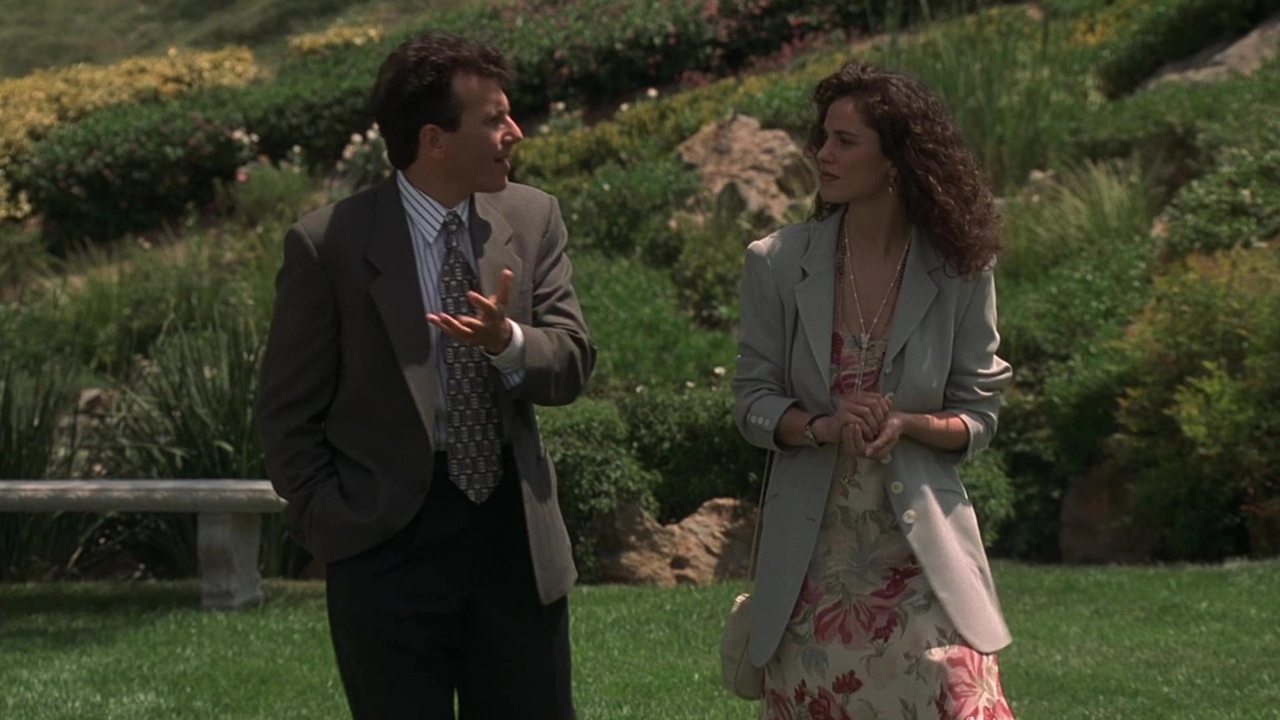
What strikes me most, rewatching it now, isn't the plot itself – a fairly straightforward chronicle of one weekend in the lives of three divorced dads – but the feeling it captures. That specific mid-90s blend of hope and exhaustion that seemed to permeate suburban life as the landscape of marriage and family was visibly shifting. The film centers on Dave (Matthew Modine), Vic (Randy Quaid), and Donny (Paul Reiser), friends united by the shared, often bewildering, experience of navigating weekend custody, awkward hand-offs, and the ghosts of relationships past.
The Weekend Gauntlet
The film, directed by Sam Weisman (who gave us the surprisingly fun George of the Jungle a couple of years later), unfolds over roughly 48 hours. We see the dads pick up their kids, stumble through attempts at quality time often mediated by fast food (those McDonald's scenes feel almost like designated neutral zones), grapple with their ex-wives (Amy Brenneman, Lindsay Crouse, and Janeane Garofalo’s memorable turn as Vic’s terrifyingly candid blind date), and try, with varying degrees of success, to piece together new romantic lives. It’s a structure that emphasizes the cyclical nature of their new reality – the Friday anticipation, the Sunday night drop-off, and the constant, low-level hum of chaos and compromise.
This framing allows writers Gary David Goldberg (the creative force behind TV's Family Ties) and Brad Hall to explore the multifaceted emotional toll of divorce, not just on the parents, but profoundly on the children too. Goldberg, known for finding warmth and humor in domestic situations, brought a certain observational sensitivity, reportedly drawing from real-life experiences he witnessed. You see it in the small moments: the kids acting out, the strained pleasantries between exes, the way the dads lean on each other for support, venting sessions acting as group therapy.
Three Dads, One Boat (Leaking)
The casting is key here. Matthew Modine plays Dave, perhaps the most outwardly adjusted but internally conflicted, still clearly nursing wounds over his ex-wife's new relationship. Modine brings a gentleness, a sense of a man trying hard to do the right thing even when he’s flailing. Paul Reiser, fresh off his Mad About You success, is Donny, delivering the expected wry observations and neurotic energy, a man whose defenses are built of witty remarks that barely conceal his loneliness. His interactions with his daughter (a young Eliza Dushku, already showing sparks of her future screen presence) have a genuine, if often awkward, tenderness.
Then there's Randy Quaid as Vic. His performance is perhaps the most volatile and, in some ways, the most poignant. Vic is a mess – bitter, prone to inappropriate outbursts, clinging desperately to the remnants of his past life. Quaid leans into the character's unpleasantness but also finds moments of vulnerability that make Vic more than just a caricature of the angry divorced guy. His disastrous blind date with Janeane Garofalo's character, Lucille, is a standout sequence – painfully funny and brutally honest, capturing the sheer terror and absurdity of re-entering the dating pool after years away. Garofalo, as always, steals her scenes with her deadpan delivery and refusal to suffer fools.
Finding the Funny in the Fractured
Bye Bye Love walks a tricky tightrope between comedy and drama, and it occasionally wobbles. Some of the gags feel a bit sitcom-y, remnants perhaps of Goldberg's TV roots, and the tone can shift quite abruptly. One minute we're dealing with a genuinely painful parent-child confrontation, the next we're in broader comedic territory. Yet, isn't that sometimes how life feels, especially during tumultuous periods? The ridiculous bumping right up against the heartbreaking?
One interesting production tidbit: the film aimed for a PG-13 rating, which meant navigating complex adult themes like infidelity, resentment, and loneliness without getting too heavy or explicit. This sometimes results in a slightly sanitized feel, but it also keeps the focus squarely on the relatable, everyday struggles of these characters rather than dwelling on darker aspects. It cost somewhere in the ballpark of $15-20 million but only managed about $13 million at the domestic box office, suggesting it didn't quite connect with a mass audience at the time, perhaps overshadowed by flashier 90s fare. It found its second life, as many films did, on home video – the perfect format for a movie that feels more like a quiet weekend rental than a blockbuster event.
The film's use of The Everly Brothers' titular song isn't just a catchy soundtrack choice; it underscores the central theme of loss and the bittersweet nature of moving on. It’s a lament woven through the narrative, a reminder of the love that’s been said goodbye to.
Does It Hold Up?
Watching Bye Bye Love today evokes a strong sense of mid-90s nostalgia – the fashion, the cars, the pre-digital simplicity of arranging meet-ups. But beyond the surface details, the core themes remain relevant. The challenges of co-parenting, the difficulty of forging new connections after deep heartbreak, the importance of friendship in weathering life's storms – these are timeless struggles.
Is it a perfect film? No. The pacing sometimes drags, and certain subplots feel underdeveloped. But its heart is undeniably in the right place. The camaraderie between Modine, Quaid, and Reiser feels authentic, a believable portrayal of male friendship built on shared experience and mutual support, even amidst their individual failings. It’s a film that acknowledges the messiness of life without offering easy answers.
Rating: 6/10
This rating reflects the film's genuine heart, relatable themes, and strong ensemble moments, particularly the central trio and Garofalo's scene-stealing turn. It captures a specific 90s zeitgeist around divorce with sincerity. However, it loses points for its uneven tone, occasionally veering into sitcom territory, and a narrative that sometimes feels disjointed or underdeveloped, preventing it from achieving greater dramatic or comedic impact. It’s a solid, often touching, but ultimately modest effort.
Bye Bye Love might not be the first film you reach for from the glorious chaos of the 90s video store shelf, but if you stumble across that familiar cover art, give it a spin. It’s a quiet reminder that sometimes, just getting through the weekend is its own kind of victory.