Okay, fellow tape travelers, let's slide a slightly newer spine onto the shelf today. It’s Finding Forrester from 2000 – technically the dawn of a new millennium, but spiritually, it feels like one of those comforting, character-driven dramas that were staples on the rental store shelves just a few years prior. It arrived just as DVD was starting its hostile takeover, but I bet many of us first encountered it on a trusty VHS cassette, perhaps rented on a quiet Friday night. There's a warmth to it, a sense of earned emotion that feels perfectly at home here at VHS Heaven.
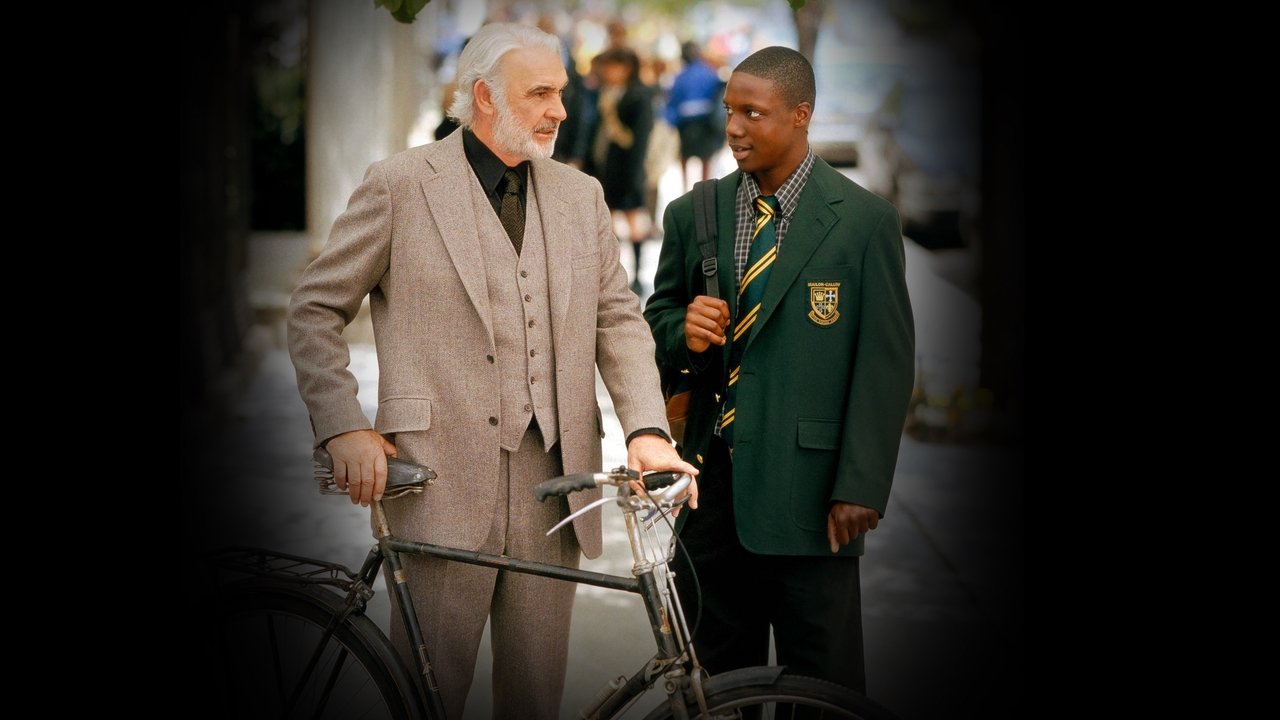
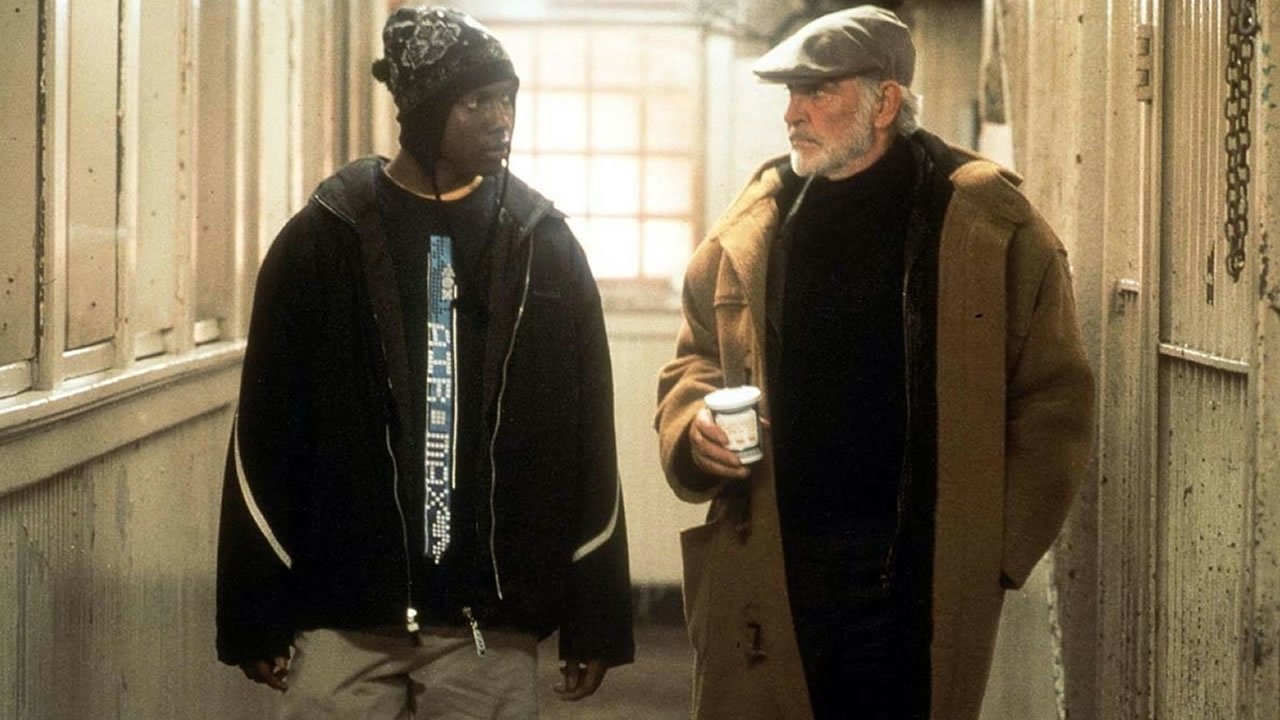
What strikes you first, perhaps, is the quiet observation. We see the world through two pairs of eyes: Jamal Wallace (Rob Brown), navigating the vibrant, sometimes perilous, basketball courts and classrooms of the Bronx, and William Forrester (Sean Connery), peering out from the dusty windows of his apartment, a fortress against the world that once celebrated him. How does connection form across such divides – geographical, generational, racial, experiential? This question sits at the very heart of the film.
An Unlikely Alliance Forged in Words
The premise is elegantly simple: Jamal, a talented basketball player harboring a secret passion and prodigious talent for writing, accidentally encounters Forrester, the long-reclusive author of a single, legendary Pulitzer Prize-winning novel. What begins with a clumsy dare evolves into a tentative, then profound, mentorship. Forrester, wary and hermit-like, agrees to help Jamal hone his craft under strict conditions, primarily that their association remains secret and Jamal never takes his writing out of the apartment.
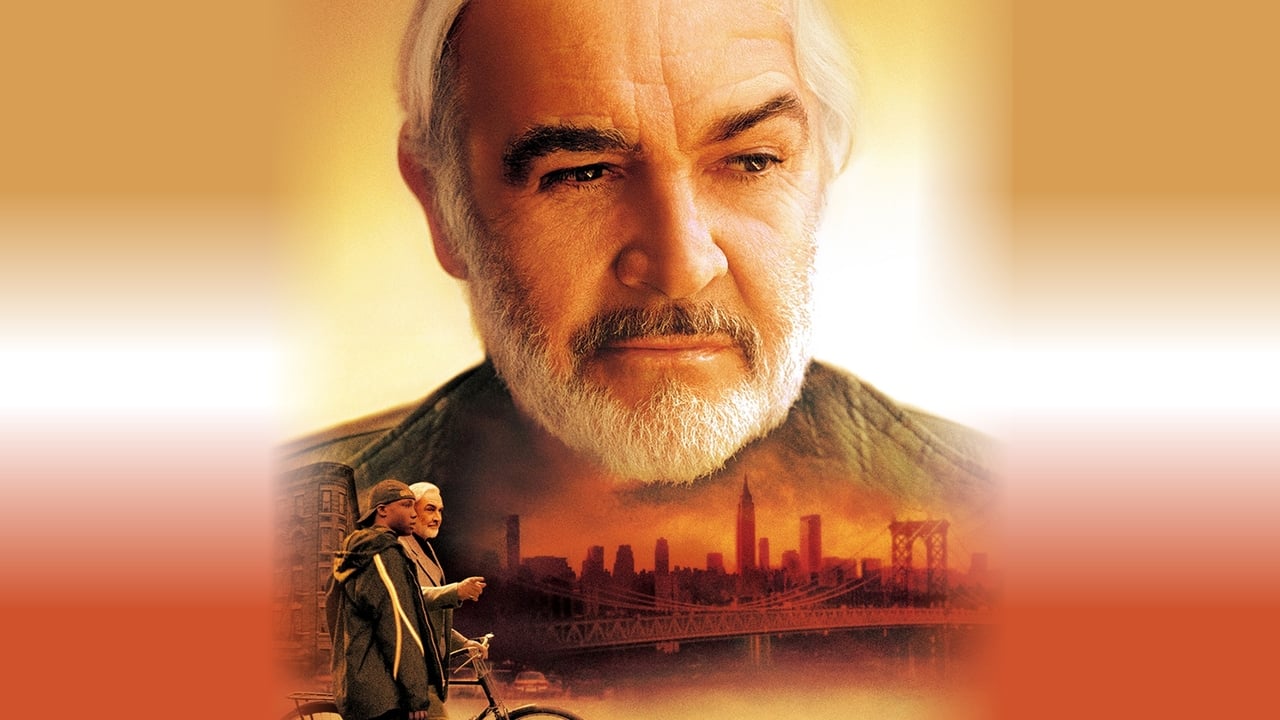
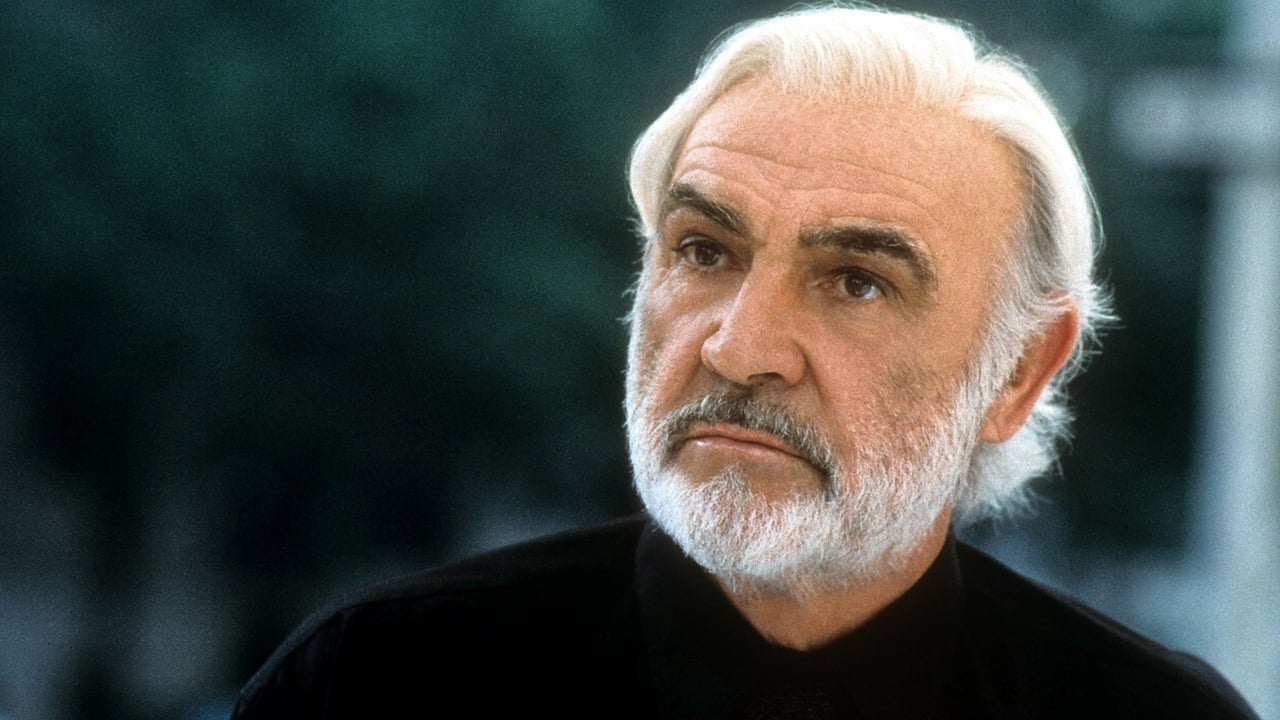
It’s this central relationship that anchors the entire film. Sean Connery, in one of his most memorable later roles, sheds the suave action hero persona almost entirely. His Forrester is gruff, haunted, witty, and deeply vulnerable beneath the layers of intellectual armor. He carries the weight of past fame and unspoken tragedy in his posture, in the weary cadence of his voice. It's a performance less about grand pronouncements and more about the subtle flicker of guarded emotion. You truly believe this is a man who found the world too loud, too demanding, and chose silence.
Opposite him, Rob Brown delivers a debut performance of astonishing naturalism. It's a fascinating bit of trivia that Brown wasn't even seeking an acting career; he answered an open casting call hoping to make some money as an extra. Director Gus Van Sant, who had previously guided another young talent (Matt Damon) through similar themes of hidden genius in Good Will Hunting (1997), reportedly saw something special in Brown's unpolished authenticity. It was a gamble that paid off spectacularly. Brown embodies Jamal's quiet intelligence, his street smarts, and the burgeoning confidence that Forrester helps unlock, holding his own against a screen legend with remarkable poise. Their scenes together crackle with intellectual energy and burgeoning respect, forming the undeniable soul of the movie.
Echoes of Salinger, Whispers of Class
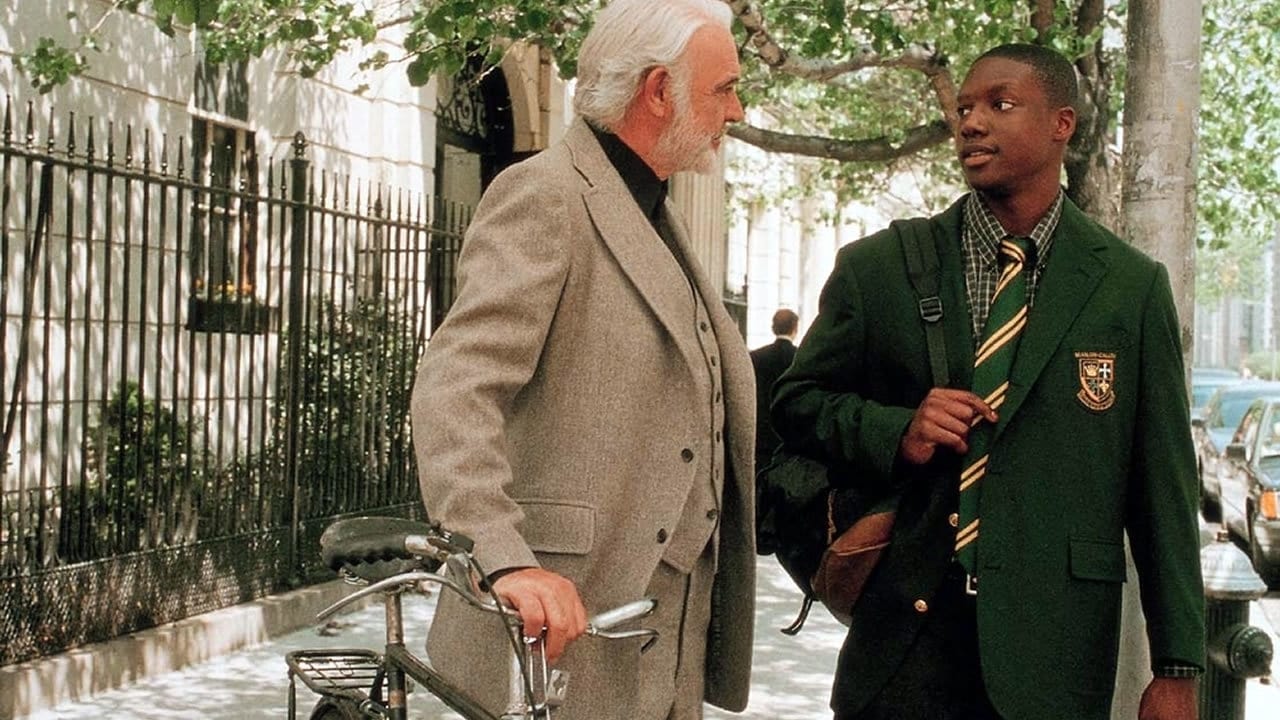
The screenplay, famously the first from writer Mike Rich (who apparently drew some inspiration from tales surrounding the notoriously reclusive J.D. Salinger, though Forrester is his own distinct character), is literate and thoughtful. It celebrates the power of language – not just as a tool for expression, but as a bridge between worlds. The scenes where Forrester critiques Jamal's work, dictating edits through the wall or challenging his assumptions, are some of the film's strongest. They feel like genuine moments of teaching and learning, sharp and insightful.
Beyond the central mentorship, the film touches thoughtfully on themes of race and class. Jamal attends a prestigious Manhattan prep school on a scholarship, where his background and assumptions about his abilities are challenged, particularly by the pompous Professor Crawford, played with effective condescension by F. Murray Abraham (forever etched in our minds as Salieri from 1984's Amadeus). The contrast between Jamal's Bronx neighborhood and the privileged halls of Mailor-Callow School underscores the hurdles he faces, making his bond with the equally outsider Forrester feel even more vital. Van Sant captures these different worlds with a steady, observant hand, never resorting to caricature.
A Story That Stays With You
Is Finding Forrester predictable? Perhaps, in its broad strokes. The antagonistic professor, the climactic moment of revelation – these elements follow familiar narrative paths. Yet, the film transcends formula through the sincerity of its emotions and the strength of its core performances. It doesn’t shout its themes; it allows them to unfold organically through the characters' interactions.
Watching it again now, it feels like a comforting balm. It’s a story about finding your voice, yes, but also about the courage it takes to let someone else in, to risk connection after building walls so high. It grossed a respectable $86 million worldwide against its $43 million budget – a solid performer, proving there was still an audience for well-told stories focused on human connection as the Y2K anxieties faded. It might not have the flashy effects or high-octane thrills of many VHS era staples, but its quiet power lingers.
Rating: 8/10
This score feels right because Finding Forrester achieves precisely what it sets out to do: deliver a heartfelt, superbly acted character study. The central performances from Connery and Brown are exceptional, forming a compelling and believable bond that elevates the entire film. While the plot incorporates some familiar tropes, particularly in the academic rivalry subplot, the core mentorship narrative is handled with intelligence and grace. It's a film that respects its audience and its characters, leaving you with a sense of warmth and thoughtful reflection rather than narrative whiplash.
It's a reminder that sometimes, the most profound adventures happen not in outer space or during explosive car chases, but within the quiet spaces where one mind meets another, sharing words on a page. Doesn't that feel like a story worth revisiting?