Okay, settle in. Let's rewind the tape back to 1997, a time when two relatively unknown guys from Boston somehow managed to write one of the most talked-about, heartfelt, and ultimately Oscar-winning films of the decade. Good Will Hunting landed with the kind of impact that felt both surprising and instantly right, like a missing piece of the cinematic puzzle we didn't know we needed. Popping this tape into the VCR back then, or even catching it in the cinema, felt like discovering something genuinely special, didn't it? It wasn't just another drama; it had a spark, a raw nerve it touched.
### From Southie Streets to Harvard Halls
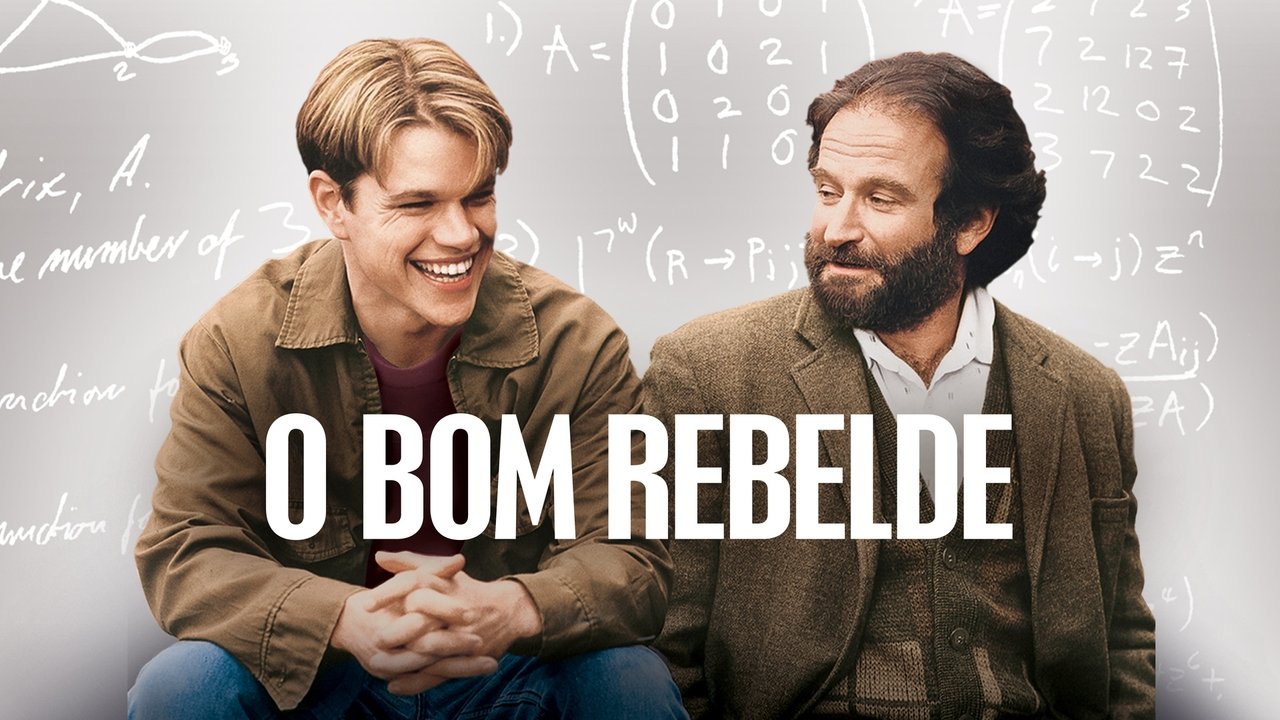
The premise itself is pure movie magic, almost leaning into fable: Will Hunting (Matt Damon), a janitor at MIT, possesses a staggering, off-the-charts intellect, solving complex mathematical problems left on chalkboards like doodles. Yet, he's also a troubled young man from South Boston, fiercely loyal to his buddies like Chuckie (Ben Affleck, Damon's real-life friend and co-writer), quick with his fists, and deeply scarred by a past he keeps locked away. When his genius is discovered by renowned mathematician Professor Lambeau (Stellan Skarsgård, who always brings such grounded intelligence to his roles), a deal is struck to keep Will out of jail: he must study mathematics under Lambeau's tutelage and attend therapy sessions. It's a setup ripe for conflict, exploring class divides, intellectual arrogance, and the hidden wounds that shape us.
### "It's Not Your Fault"
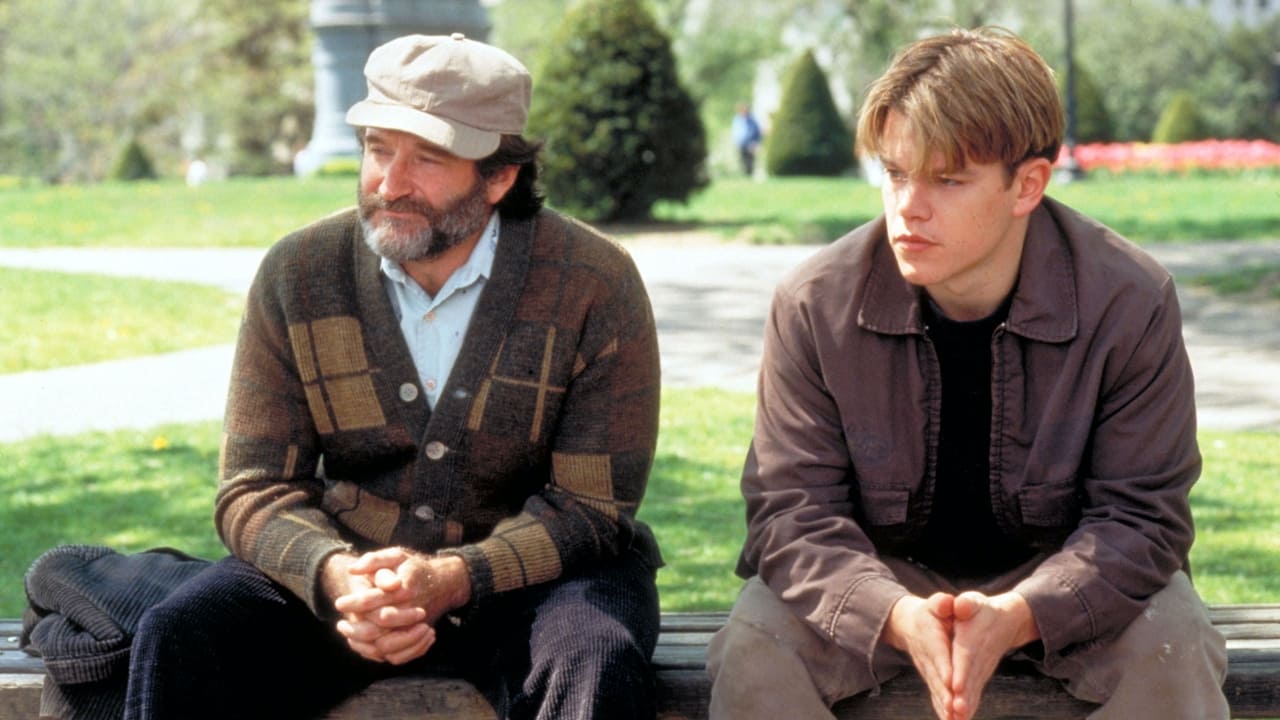
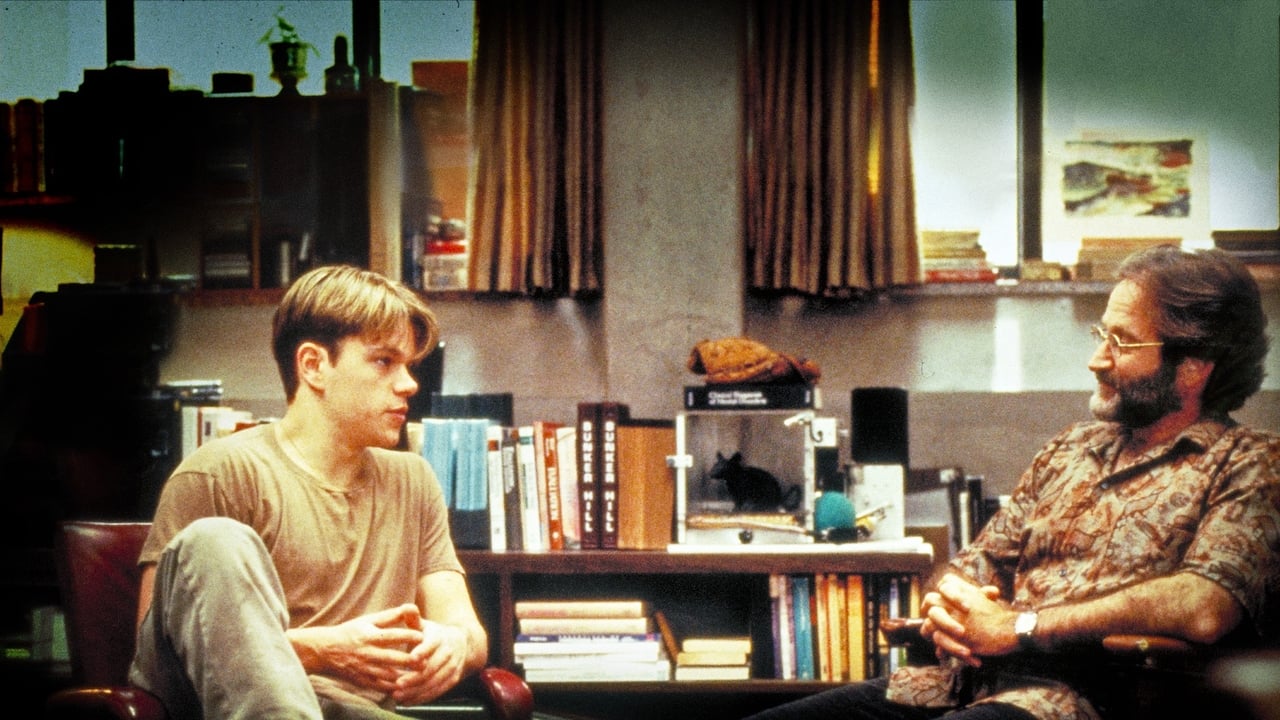
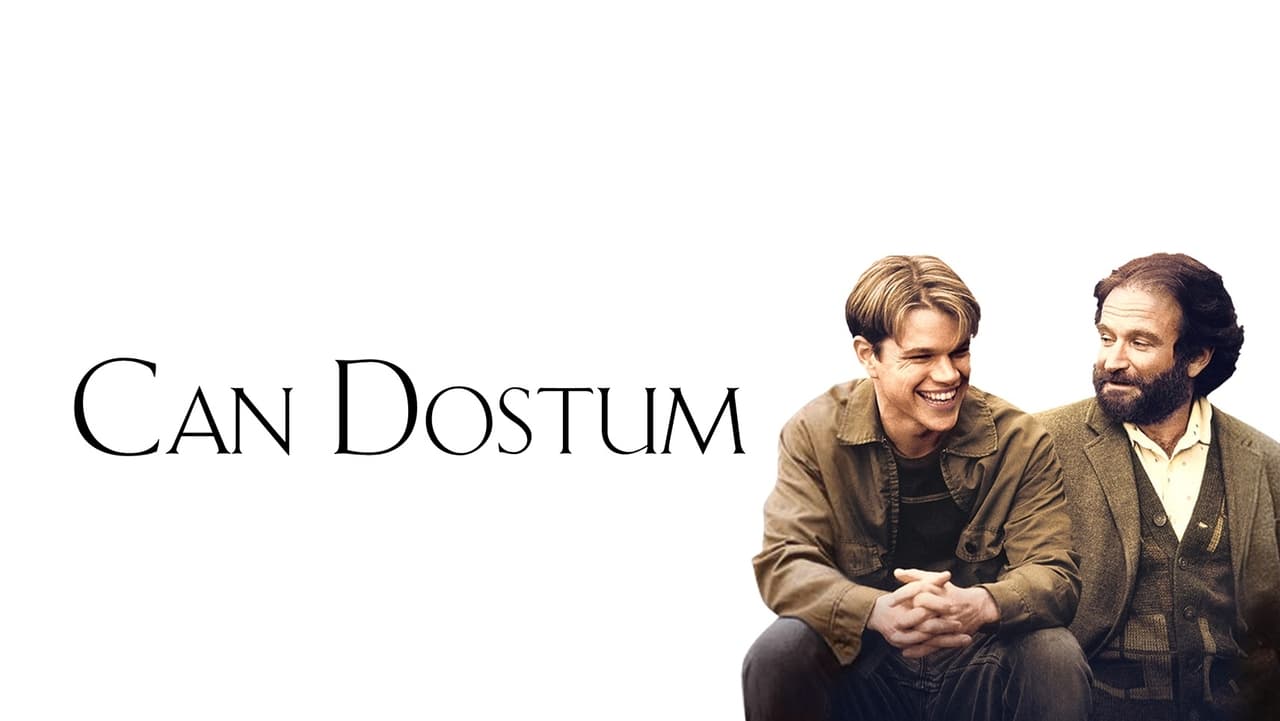
Of course, the therapy sessions become the heart and soul of Good Will Hunting. After cycling through a series of intimidated or outsmarted therapists, Will meets Sean Maguire (Robin Williams), Lambeau's estranged former college roommate, now a community college psychology professor. And this is where the film truly transcends. The scenes between Damon and Williams are electric, a masterclass in subtle power shifts, vulnerability, and raw emotional honesty.
It's easy to forget, amidst Robin Williams' incredible comedic legacy, just how profound and nuanced a dramatic actor he could be. Fresh off more family-friendly fare like Mrs. Doubtfire (1993) and Jumanji (1995), his portrayal of Sean is astonishingly grounded. This isn't the manic energy we often associate with him; it's quieter, wearier, steeped in his own grief and experience. He doesn't try to outsmart Will; he meets him on a human level, challenging his defensive intellectualism with genuine emotional insight. The famous "It's not your fault" scene remains one of the most powerful depictions of therapeutic breakthrough ever put on film, largely because Williams delivers it with such aching sincerity. It earned him a much-deserved Academy Award for Best Supporting Actor, a testament to the depth he brought to the role. Rumor has it that Williams improvised the lines about his character's wife farting in her sleep, leading to Matt Damon's genuine laughter in the take kept in the film – a perfect example of how Williams could blend humor and pathos so effectively, making Sean feel utterly real.
Matt Damon, in the role that launched him into superstardom, is equally compelling. He embodies Will's swagger and defensiveness, but crucially, lets us see the scared, vulnerable kid underneath. It's a performance layered with anger, intelligence, and deep-seated fear. You believe both his genius and his pain.
### More Than Just Talk
While the therapy sessions are central, the film paints a rich picture of Will's world. His relationship with Skylar (Minnie Driver, wonderfully bright and complex), a Harvard student from a privileged background, forces him to confront his deep-seated insecurities about class and intimacy. Their interactions crackle with witty banter but also expose Will's fear of being truly seen and potentially rejected.
And then there are his Southie friends, particularly Chuckie. Ben Affleck provides not just comic relief but genuine loyalty. The scene where Chuckie tells Will he owes it to himself to leave, that staying would be an insult to his friends who would love to have his opportunities ("You got somethin' none of us have"), is profoundly moving. It underscores the film's message about potential and the responsibility that comes with it. It’s moments like these that elevate the film beyond a simple troubled-genius narrative. It’s a story about finding the courage to choose your own path, even when held back by loyalty or fear.
The script itself, famously penned by Damon and Affleck, crackles with sharp dialogue and authentic character voices. It's hard to believe it started, legend has it, as something closer to a thriller before evolving into the character study we know. It won them the Oscar for Best Original Screenplay, a stunning achievement that felt like a victory for underdogs everywhere. Director Gus Van Sant (Drugstore Cowboy, My Own Private Idaho), known for his more indie sensibilities, brings a crucial understated quality to the film. He lets the performances breathe and captures the distinct atmosphere of Boston and Cambridge without resorting to clichés. The melancholic soundtrack, featuring the haunting songs of the late Elliott Smith, perfectly complements the film's introspective mood.
### Lasting Resonance
Watching Good Will Hunting today, perhaps on a worn-out VHS tape if you're lucky enough to still have one, it retains its power. The themes of mentorship, confronting trauma, the struggle between intellectual and emotional intelligence, and the courage it takes to break free from self-imposed limitations – they still hit home. It captured something essential about that late-90s moment, a kind of earnest grappling with finding one's place in the world, but its core message feels timeless.
It’s a film that reminds us that genius isn't just about solving equations; it’s about understanding oneself and connecting with others. It avoids easy answers, acknowledging the messy, difficult work involved in healing and growth.
Rating: 9/10
This score reflects the film's outstanding achievements: a near-perfect screenplay brimming with wit and wisdom, career-defining (and Oscar-winning) performances from Robin Williams and launching turns for Matt Damon and Ben Affleck, sensitive direction by Gus Van Sant, and an emotional core that resonates deeply. It falters perhaps only slightly in some familiar narrative beats, but the execution is so heartfelt and authentic that it overcomes any minor quibbles.
Good Will Hunting isn't just a great 90s movie; it's a film that stays with you, prompting reflection long after Will drives off towards a future he’s finally choosing for himself. How 'bout them apples?