### The Weight of a Mother's Love
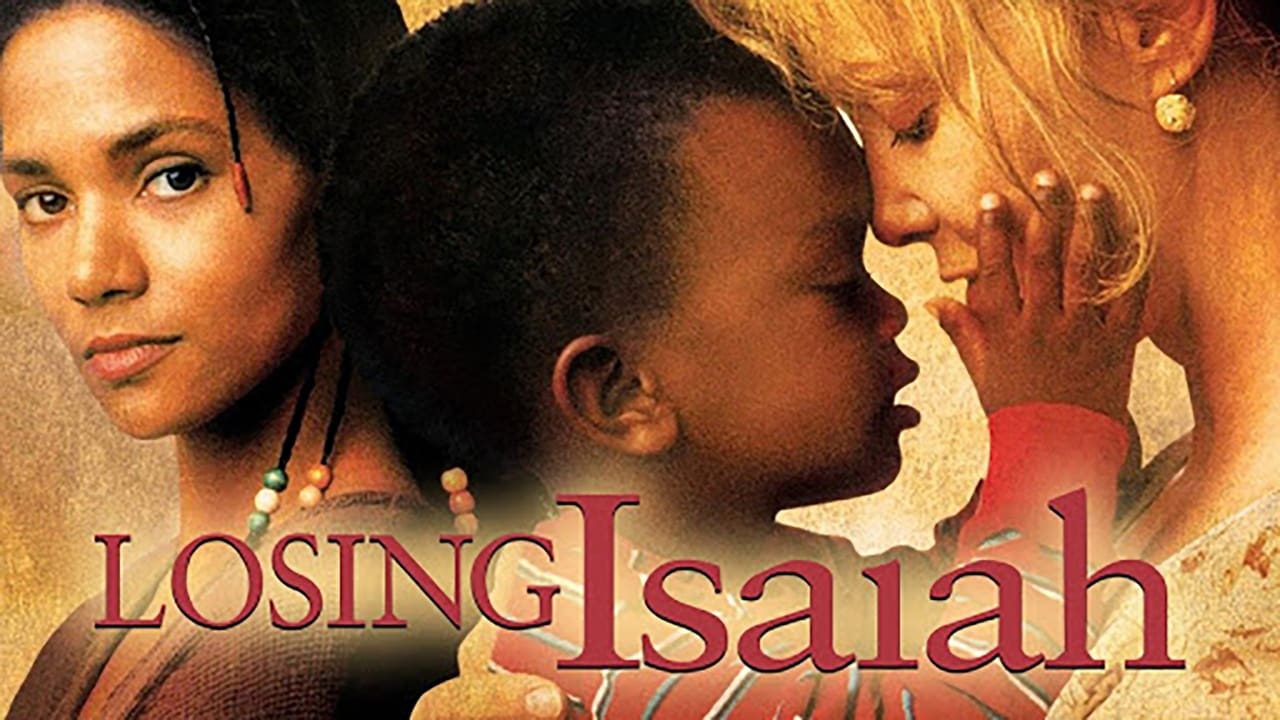
Some films don't just entertain; they burrow under your skin and force you to confront uncomfortable truths. Losing Isaiah (1995) is one such film. It arrived on video store shelves not with the explosive promise of an action blockbuster or the easy comfort of a romantic comedy, but with the quiet intensity of a gut punch. I remember seeing that VHS box, the stark image hinting at the emotional battlefield within, and knowing it demanded a certain kind of readiness from the viewer. This wasn't background noise; this was a film that asked you to sit forward, to engage, and maybe even to wrestle with your own convictions. What truly constitutes motherhood? And what happens when two fierce, desperate loves collide over the life of one small child?
An Agonizing Premise
The setup is heartbreakingly simple yet ethically complex. Khaila Richards (Halle Berry), lost in the throes of crack addiction, leaves her newborn son Isaiah in a dumpster, a desperate act born of utter despair. The infant is miraculously found and saved, eventually landing in the loving care of Margaret Lewin (Jessica Lange), a compassionate social worker, and her husband Charles (David Strathairn). They adopt Isaiah, providing him a stable, affluent home filled with affection. Years pass. Khaila, against formidable odds, gets clean, rebuilds her life, and discovers her son is alive. What follows is not a simple reunion, but a brutal custody battle that pits biological ties against adoptive bonds, challenging our assumptions about family, race, and redemption.
A Duel of Devastating Performances
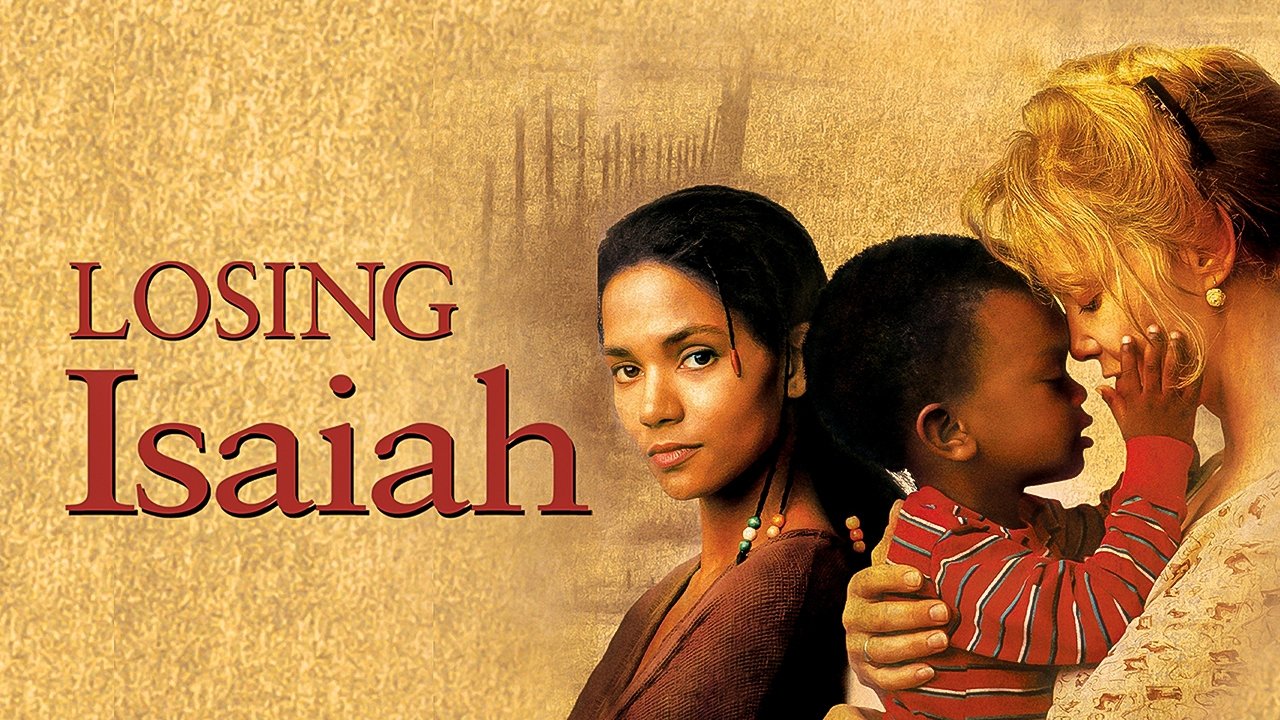
At its heart, Losing Isaiah is a showcase for two powerhouse performances that sear themselves into memory. Jessica Lange, already a titan known for capturing complex emotional landscapes (Tootsie (1982), Frances (1982)), embodies Margaret's fierce, protective love. It's not just tenderness; there's a possessiveness born of years of nurturing, a fear that feels primal. Lange makes you understand Margaret’s conviction that she is Isaiah’s mother, regardless of biology. Her anguish feels utterly authentic, her determination steely. You see the life she’s built around this child, the deep roots of their connection.
Then there's Halle Berry. This film arrived relatively early in her ascent to superstardom, following roles like Jungle Fever (1991) and Boomerang (1992), but her work here is raw, visceral, and profoundly moving. Berry doesn't shy away from Khaila's past desperation or the immense shame that accompanies it. Yet, she imbues Khaila with a resilience and a yearning that is equally powerful. Her fight isn't just about reclaiming her son; it's about reclaiming her own dignity, proving her capacity for love and responsibility. Witnessing her transformation, her quiet determination in the face of societal judgment and legal hurdles, is devastating. The scenes where these two women finally confront each other crackle with an almost unbearable tension, fueled by mutual pain and unwavering love for the same child. It's a testament to both actresses that you can deeply empathize with both positions, making the central conflict all the more wrenching.

Navigating Thorny Issues
The film, directed by Stephen Gyllenhaal (yes, father to Jake and Maggie) and penned by his then-wife Naomi Foner (adapting Seth Margolis's novel), doesn't offer easy answers. This family connection behind the camera perhaps lent a unique sensitivity to the portrayal of complex family dynamics on screen. It bravely wades into the murky waters of race and class – the stark contrast between the Lewins' comfortable white, middle-class existence and Khaila's struggle as a working-class Black woman navigating recovery and judgment. Does the film handle these aspects perfectly? Perhaps not by today's standards; some might argue it occasionally leans into stereotypes. Yet, for a mid-90s mainstream drama, its willingness to engage with these intersecting issues, particularly the added complexities of transracial adoption and the biases within the system (personified effectively by Samuel L. Jackson as Khaila's determined lawyer), felt significant. It forces viewers to consider how societal structures impact personal lives in deeply profound ways.
It’s worth noting that Berry reportedly threw herself into the role, spending time understanding the ravages of crack addiction to portray Khaila's journey with harrowing accuracy. That commitment shines through, elevating the character beyond a simple plot device into a fully realized human being fighting for a second chance.
More Than Just a "Social Issue" Movie
While Losing Isaiah certainly fits into the category of 90s films tackling tough social topics, it transcends being merely an "issue movie" thanks to its emotional core. Gyllenhaal's direction is steady and unfussy, wisely keeping the focus squarely on the characters and their internal struggles. There's little stylistic flourish; the power comes from the performances and the inherent drama of the situation. The film understands that the legal arguments, the discussions of "best interests," are secondary to the raw, human emotion driving the conflict. It asks: Can love be quantified? Can motherhood be defined by biology alone, or by the daily acts of care and devotion?
Watching it again now, decades after first sliding that tape into the VCR, the film retains its emotional weight. Sure, some elements feel distinctly of the 90s – the pacing, perhaps certain dialogue choices – but the central dilemma remains timeless. It generated discussion back then, reportedly sparking debate about adoption and parental rights, and didn't achieve huge box office success (grossing around $8 million domestically against a $15 million budget, a number that would be roughly $16 million against $30 million today), perhaps because its subject matter hit too close to home or offered too few easy comforts. But its power lies precisely in its refusal to provide simple solutions.
Rating and Final Thoughts
Rating: 8/10
This rating reflects the film's devastating emotional impact, anchored by truly exceptional performances from Jessica Lange and Halle Berry. While its handling of race and class might invite modern critique, its core exploration of motherhood, sacrifice, and the complexities of love remains profoundly affecting. The film doesn't shy away from difficult questions, and its power lies in its willingness to make the audience feel the weight of an impossible choice. It earns its emotional toll honestly.
Losing Isaiah isn't an easy watch, then or now. It’s the kind of film that lingers, prompting reflection long after the credits roll. It reminds us that sometimes, there are no villains, only people caught in heartbreaking circumstances, fighting for what they believe is right, fueled by the fierce, unwavering power of a mother’s love. What stays with you most isn't the legal outcome, but the faces of two women etched with pain and ferocious devotion.