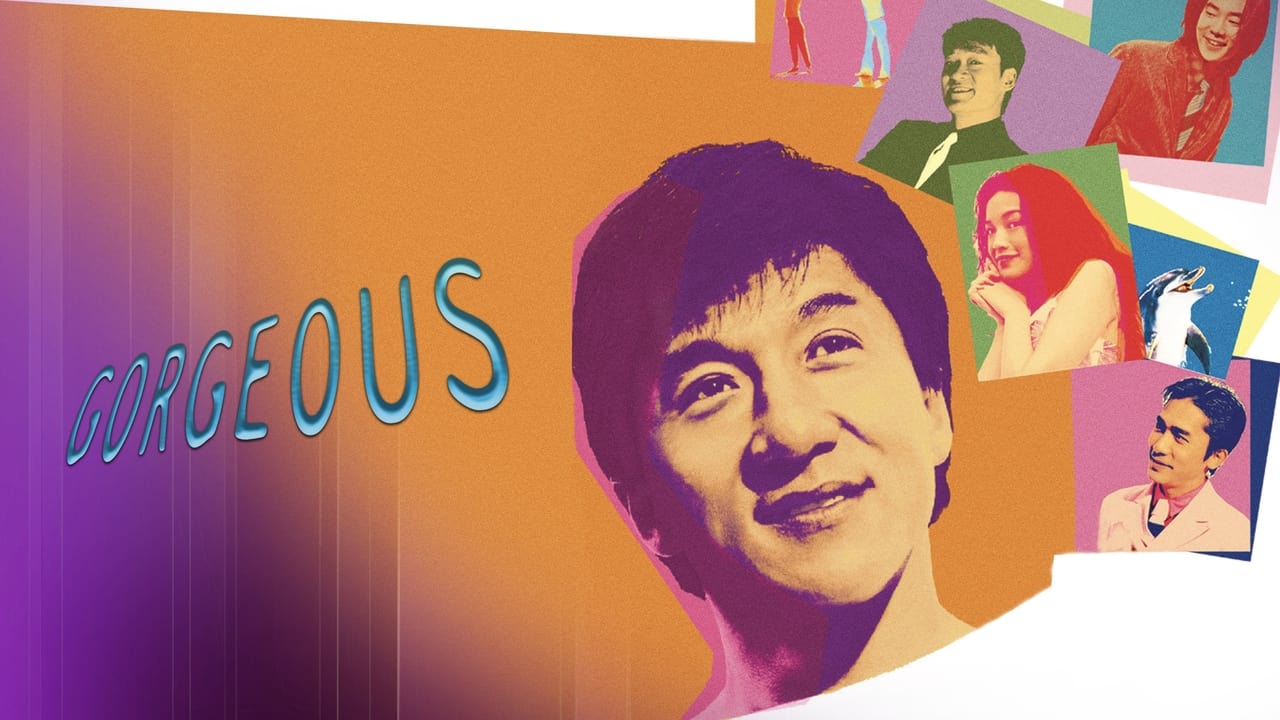
Okay, rewind your minds with me back to the late 90s. You’re browsing the packed shelves of your local video rental haven, the smell of popcorn and plastic tape cases thick in the air. You spot a new release with Jackie Chan’s beaming face on the cover. Instinct takes over – you grab it, anticipating another glorious symphony of intricate stunt work, comedic timing, and maybe a ladder fight or two. You get home, pop Gorgeous (1999) into the VCR... and discover something entirely unexpected. This wasn't quite the Police Story sequel you might have assumed; instead, Jackie Chan delivered something closer to a Hong Kong rom-com, albeit one where people still occasionally get kicked spectacularly in the face.
### Message in a Bottle, Meet Millionaire Brawler
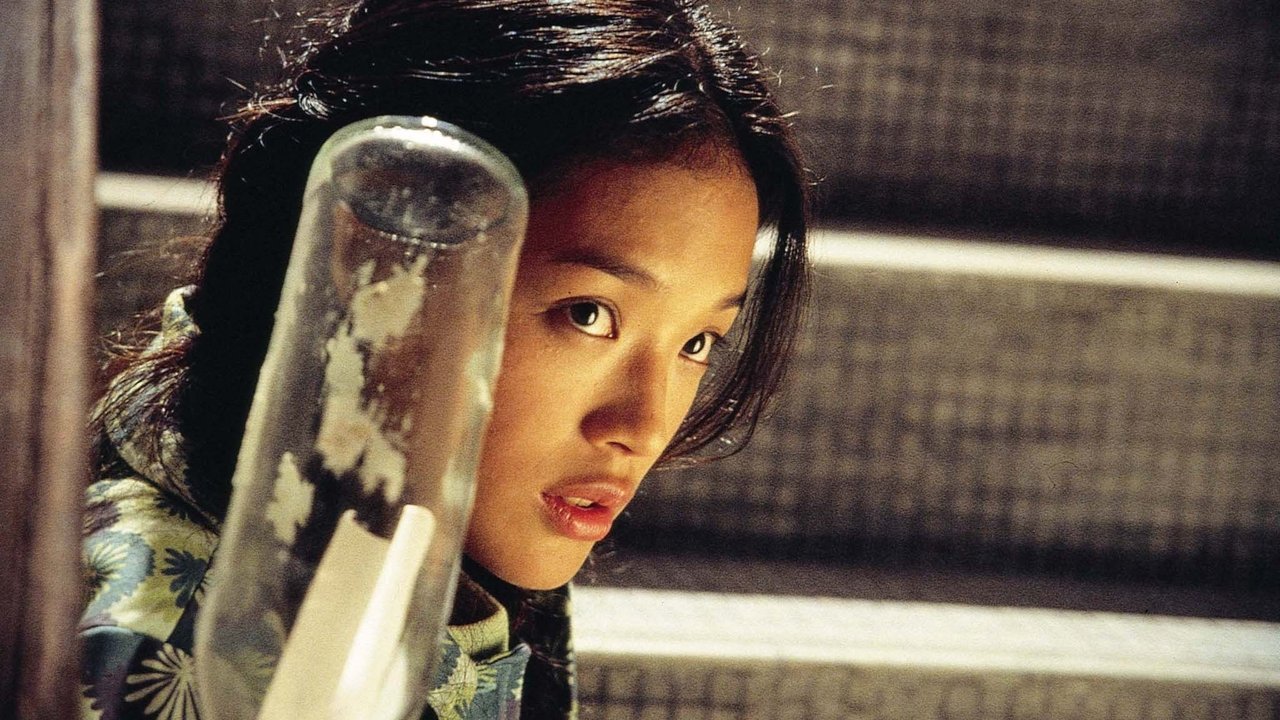
The setup is pure, whimsical fantasy straight out of a bygone era of filmmaking. We meet Bu (Shu Qi), a young woman from a small Taiwanese fishing village who stumbles upon a romantic message adrift in a glass bottle. Convinced it’s fate, she journeys to the dazzling metropolis of Hong Kong to find the sender. Instead of the intended recipient, she encounters C.N. Chan (Jackie Chan), a lonely, high-flying recycling tycoon with a penchant for sorting plastic and, apparently, fending off business rivals with his fists. Through a series of misunderstandings and deliberate deceptions (Bu initially pretends to be the jilted girlfriend of a gangster Chan previously pummeled), a tentative, unlikely romance blossoms.
It’s a premise that feels charmingly earnest, leaning heavily into the tropes of the romantic comedy genre. Much of the film’s success rests on the effervescent performance of Shu Qi, who was truly propelled into wider recognition by this role. She brings a captivating mix of innocence, cunning, and vulnerability to Bu, making her journey believable even when the plot takes fanciful turns. Her chemistry with Jackie Chan is surprisingly warm, shifting the focus from his usual physical prowess to a more gentle, character-driven dynamic. It was a deliberate choice; Jackie Chan, also a writer and producer here alongside director Vincent Kok (who later directed Chan again in Rob-B-Hood), reportedly wanted to prove he could carry a film with less reliance on life-threatening stunts and more on actual acting. He succeeds, mostly, portraying C.N. as a slightly awkward, good-hearted man adrift in his own wealth.

### When Opposites Attract... and Occasionally Throw Down
Of course, this is still a Jackie Chan movie from the 90s, so pure romance wasn't quite enough. Enter the rivals! We have Chan's corporate competitor L.W. Lo (Emil Chau, injecting some standard villainy), and more interestingly, the suave, openly gay photographer Albert, played with delightful against-type charm by none other than Tony Leung Chiu-wai. Yes, that Tony Leung Chiu-wai, the brooding dramatic powerhouse often seen in the atmospheric masterpieces of Wong Kar-wai like In the Mood for Love (2000). Seeing him here, vying playfully for Bu’s affection and trading witty barbs, is one of the film's unexpected joys. Rumour has it Leung took the role as a favour to Chan, and his presence adds a layer of playful sophistication.
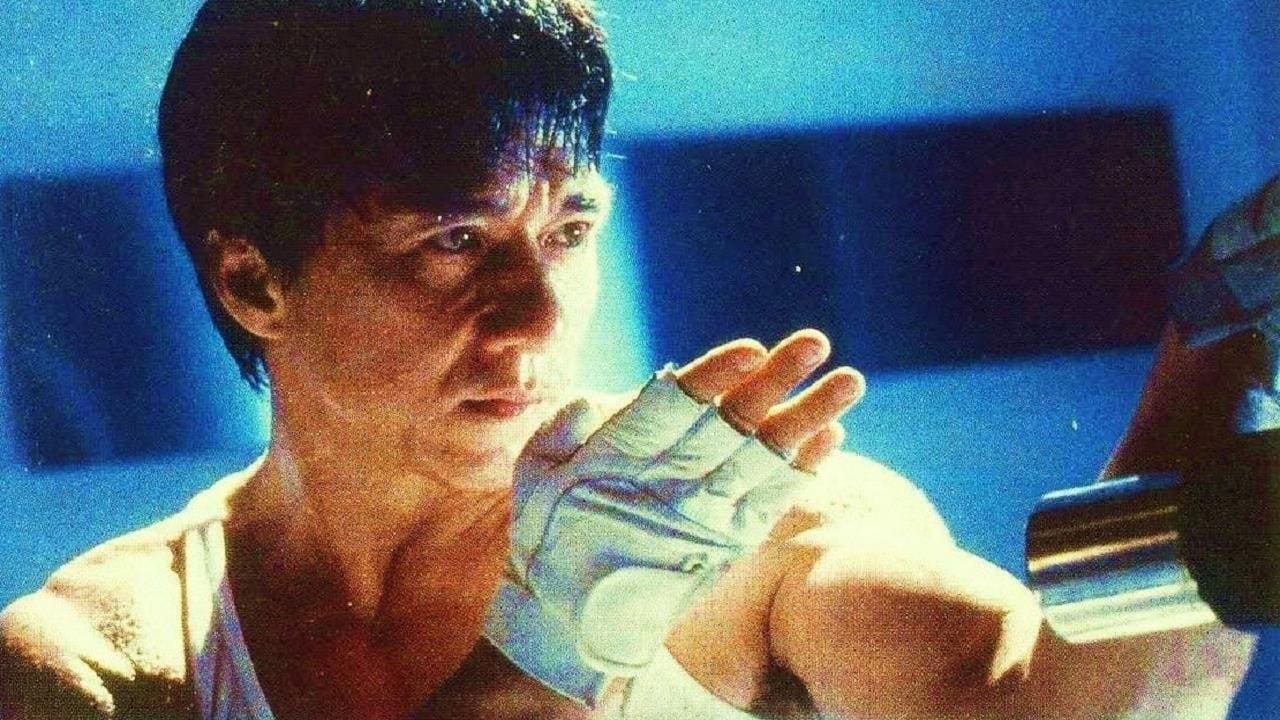
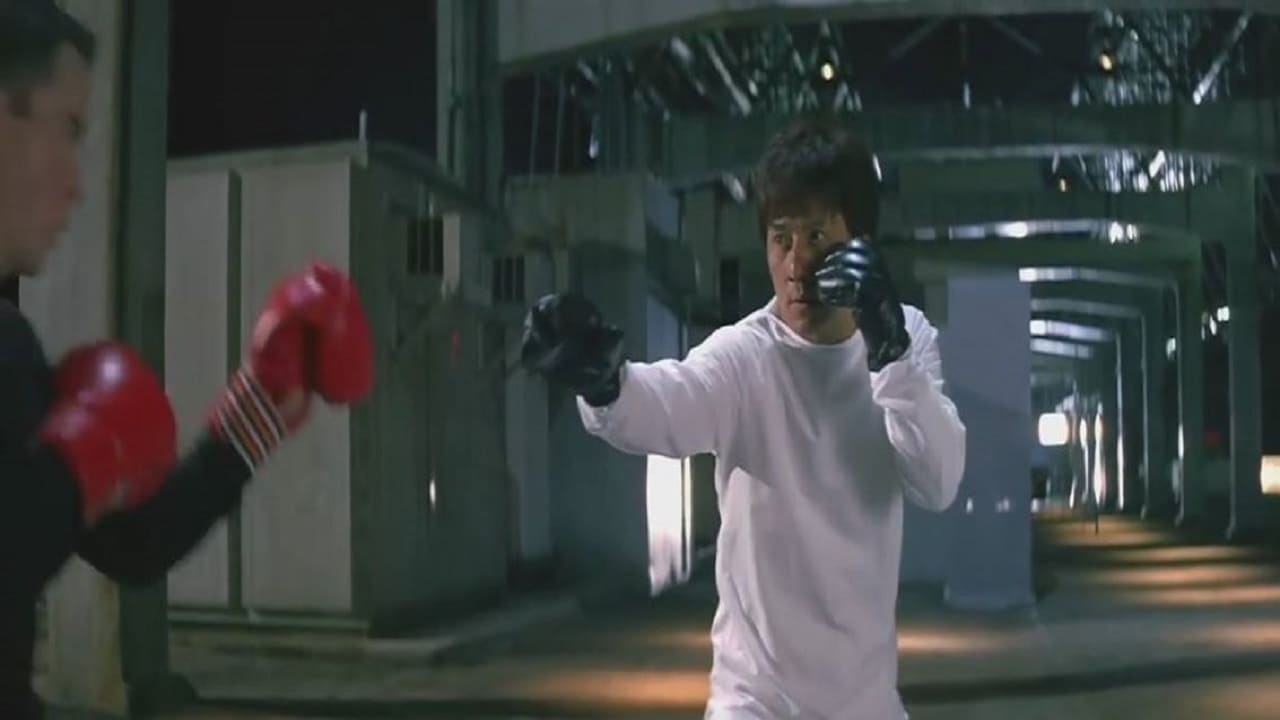
And what about the action? Die-hard fans looking for the relentless, bone-crunching set pieces of Chan's earlier work might feel a touch short-changed. The fights are less frequent, integrated more as plot points than the main event. However, when they do happen, the quality is undeniable. There's a fantastic, sharply choreographed duel between Chan and Bradley James Allan, a talented Australian martial artist who was a key member of Chan's stunt team (and sadly passed away far too young in 2021). This sequence, set in Chan’s recycling plant, feels like classic Jackie – inventive use of the environment, precise timing, and that tangible sense of impact that defined the golden age of practical stunt work. It’s a reminder that even when scaling back, Chan’s team operated on a different level. Fun fact: the climactic fight scene was reportedly added somewhat late in production, possibly at the urging of distributors who felt the film needed a bigger action payoff to satisfy audience expectations for a Jackie Chan vehicle.
### A Charming, Quirky VHS Find
Gorgeous feels very much like a product of late 90s Hong Kong cinema – a sometimes slightly uneven blend of sweet romance, broad comedy, and bursts of expertly crafted action. It doesn’t quite hit the highs of Chan’s action masterpieces, nor the deep emotional resonance of top-tier romantic dramas. Some might find the tonal shifts a bit jarring, bouncing from heartfelt moments to slapstick, then suddenly to a serious fight. It received a mixed reception upon release; fans were divided, though it performed decently at the Hong Kong box office. Jackie Chan himself has expressed reservations about the final film, feeling perhaps it tried to please too many different tastes at once.
Yet, there’s an undeniable charm to Gorgeous. It’s refreshing to see Chan stretch different muscles, and Shu Qi is luminous. Finding this on VHS back in the day felt like uncovering a secret detour in a beloved star’s career path. It wasn't the adrenaline rush you might have rented it for, but it offered something different: a sweet, slightly oddball story with moments of genuine warmth and, yes, still enough high-kicking brilliance to remind you who was headlining.
VHS Heaven Rating: 7/10
Justification: While not a flawless classic, Gorgeous earns its points for its charming lead performances (Shu Qi is captivating), the unexpected delight of Tony Leung Chiu-wai's comedic turn, and the high quality of its (less frequent) action sequences. It's docked points for its sometimes uneven tone and for potentially disappointing fans seeking wall-to-wall stunts, but its willingness to try something different within the Jackie Chan formula makes it memorable.
Final Take: A unique entry in the Jackie Chan library, Gorgeous is the cinematic equivalent of finding an unexpected flavour in your favourite brand of candy – maybe not what you were craving, but surprisingly sweet and worth revisiting for its unique blend of romance, comedy, and those signature flashes of physical genius that only the VHS era truly captured.