It starts with a noise, doesn't it? The specific cacophony of a crowded hotel lobby during a high school reunion. Laughter, overlapping conversations, the clinking of glasses – a comforting chaos until, in an instant, it becomes the soundtrack to a parent's deepest dread. That's the chilling pivot point in Ulu Grosbard's 1999 drama, The Deep End of the Ocean, a film that plunges us into the icy waters of unimaginable loss and the even more complex currents of reunion. Seeing this one again recently, after all these years since pulling it off the Blockbuster shelf, the initial shock still lands, but it's the long, turbulent aftermath that truly resonates now.
### A Disappearance That Echoes
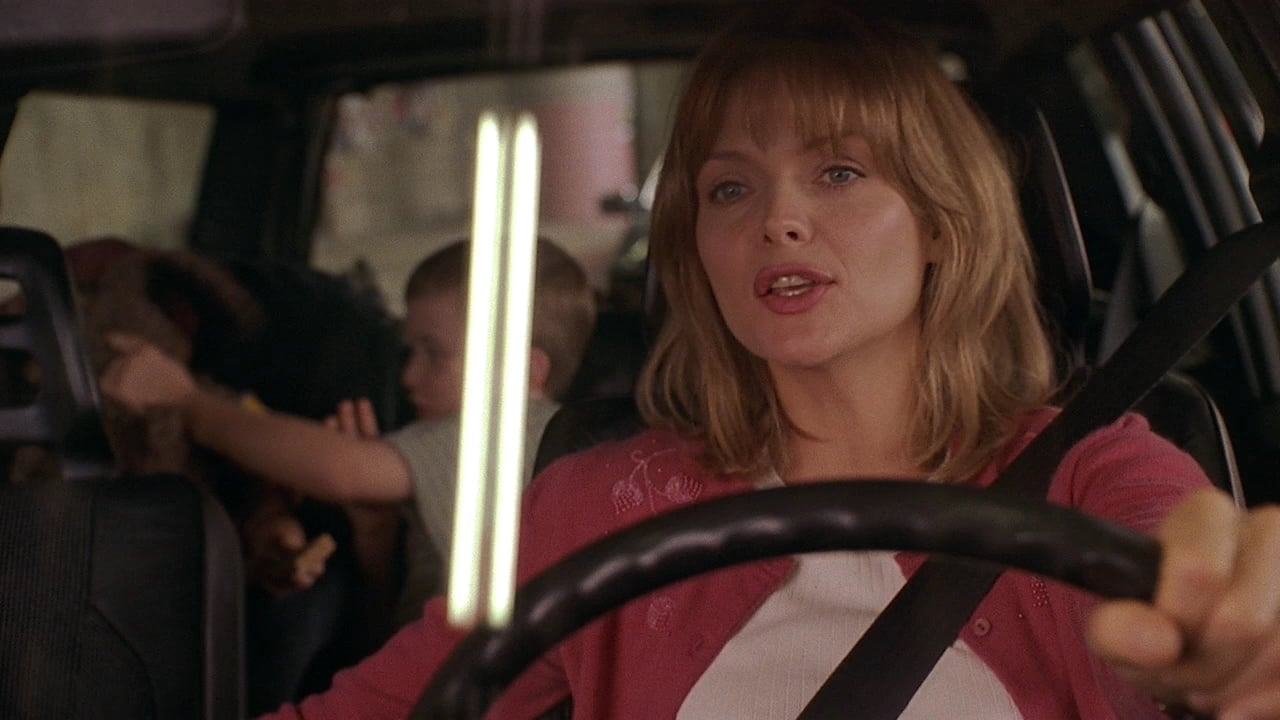
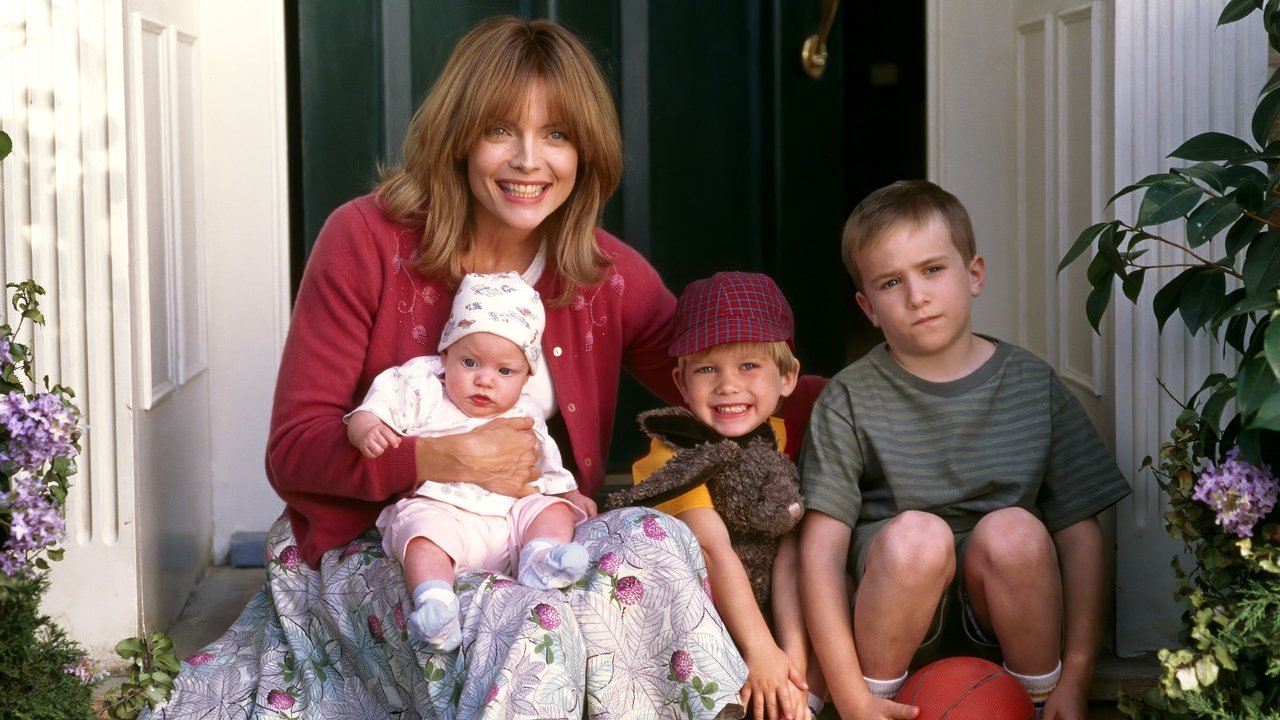
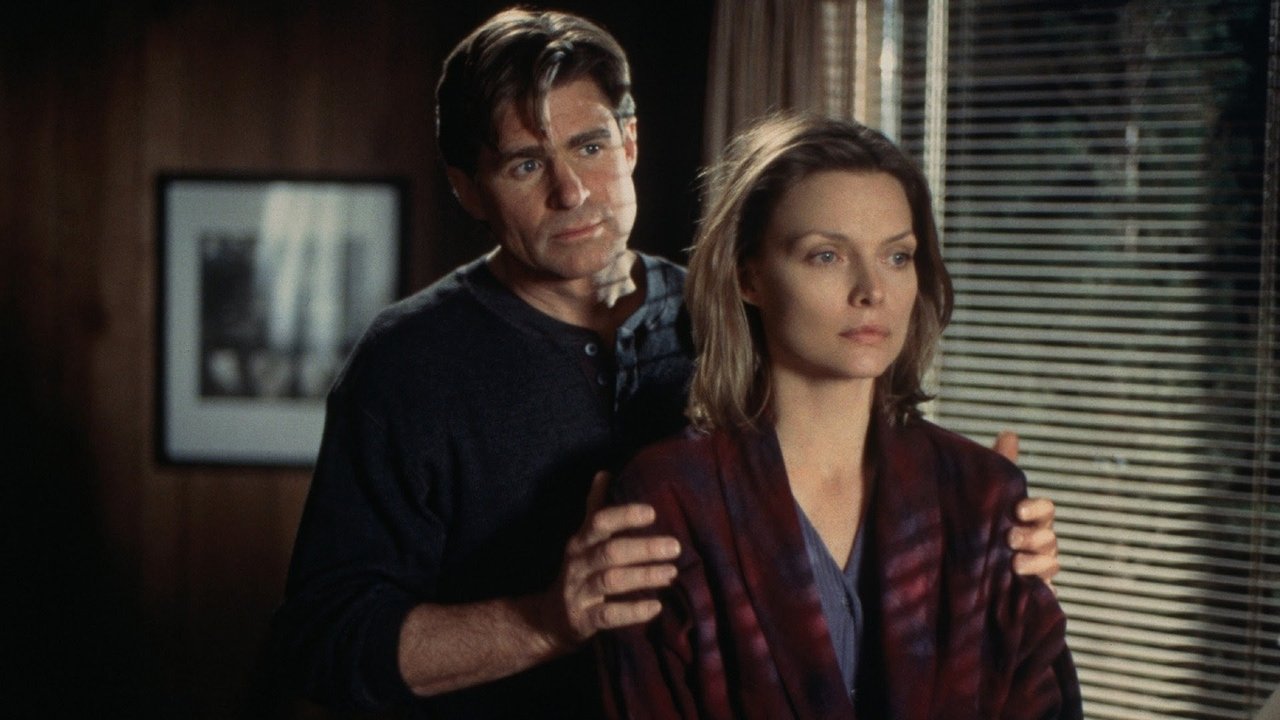
The setup is agonizingly simple: Beth Cappadora (Michelle Pfeiffer), wrangling three young children amidst the joyful bedlam of her 15-year reunion, turns her back for a moment. Just a moment. And three-year-old Ben is gone. Vanished. The frantic search, the dawning horror, the media frenzy – it’s all portrayed with a gut-wrenching immediacy. Pfeiffer, an actress always capable of conveying worlds of emotion behind her eyes, embodies Beth’s shattering grief and subsequent numbing guilt with devastating authenticity. We see the vibrant photographer recede, hollowed out by loss, navigating a world that suddenly feels alien and hostile. Her husband, Pat (Treat Williams, bringing a grounded sense of bewildered pain), tries to hold the remaining family together, but the absence of Ben becomes a phantom limb, an ache that never truly fades.
What makes The Deep End of the Ocean linger, though, isn't just the initial tragedy. It's the nine-year leap forward, finding the Cappadora family relocated, attempting a semblance of normalcy. They've survived, but the scars are evident, particularly in their eldest son, Vincent (played with simmering resentment and confusion by a young Jonathan Jackson). He’s the forgotten victim in many ways, the child left behind who carries the weight of his parents' fractured attention and his own hazy memories of that fateful day.
### The Shock of Recognition
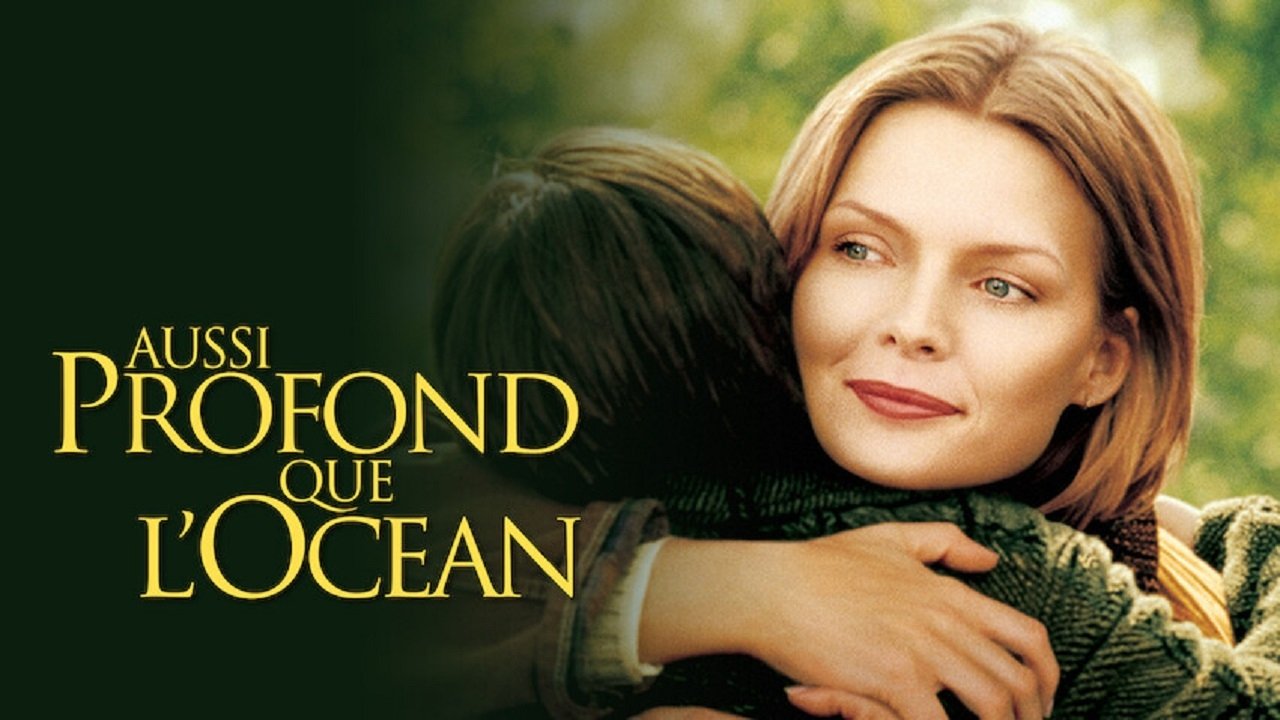
And then, the impossible happens. A twelve-year-old boy named Sam Karras (Ryan Merriman) knocks on their door, offering to mow the lawn. He looks strikingly familiar. He looks exactly like Ben would look. This second act pivot is where the film delves into truly murky, complex territory. The confirmation that Sam is Ben, kidnapped years ago and raised by a troubled woman (Brenda Strong) who genuinely loved him as her own, forces the Cappadoras – and the audience – to confront questions with no easy answers. What constitutes family? Can bonds forged by time and love be undone by biology? How does a child reconcile two identities, two families, two lives?
It’s a testament to the source material – Jacquelyn Mitchard's novel, famously the very first selection for Oprah's Book Club in 1996 which instantly catapulted it onto bestseller lists – that these questions feel so potent. The film adaptation, directed by the stage-and-screen veteran Ulu Grosbard in what would sadly be his final film, leans heavily on the performances to navigate this emotional minefield. Pfeiffer remains the anchor, her face a landscape of hope, fear, and fierce maternal conflict. Watching her struggle with reconnecting with a son who doesn’t remember her, while trying not to further damage Vincent, is genuinely moving. Whoopi Goldberg also offers welcome ballast as Detective Candy Bliss, the officer who worked the original case and provides a steady, pragmatic presence amidst the emotional storm. Her straightforward empathy cuts through some of the potential melodrama.
### Navigating Murky Waters
Let's be honest, watching this back then on VHS, maybe curled up on the couch, it felt heavy. This wasn't your typical late-90s popcorn fare. It tackled profound grief and ethical dilemmas head-on. While its $38 million budget didn't quite translate into box office gold (pulling in around $28 million domestically), its power wasn't really in spectacle, but in its quiet, often uncomfortable, examination of family trauma. Grosbard, known more for gritty dramas like True Confessions (1981), brings a certain realism to the proceedings, focusing intently on the actors' faces, letting the silence speak volumes.
Does it navigate these waters perfectly? Perhaps not. The second half, dealing with Ben/Sam's reintegration, occasionally feels rushed or resolves certain conflicts a bit too tidily for the complexity it establishes. Some character motivations, particularly surrounding the kidnapper, could arguably have been explored further. Yet, the core emotional dilemma remains gripping. The performances, especially from Pfeiffer and Jackson, carry the film through its less steady moments. There's a raw honesty there that transcends any scriptural bumps.
### Lasting Ripples
The Deep End of the Ocean isn't a film you watch for escapism. It's a film that asks you to sit with discomfort, to ponder the "what ifs" and the fragile nature of identity and belonging. It reminds us how quickly life can change and how the ripples of a single moment can spread across years, reshaping everything they touch. It’s a film that feels distinctly of its time – a serious studio drama aimed at adults, anchored by a major star tackling challenging material – something we see less often these days amidst the franchise frenzy.
Rating: 7/10
Justification: While sometimes uneven in its pacing and resolution, The Deep End of the Ocean is elevated by a powerhouse performance from Michelle Pfeiffer and strong supporting work. It tackles profound themes of grief, identity, and family with genuine sensitivity, anchored by Ulu Grosbard's character-focused direction. The film’s emotional core remains potent, effectively exploring the devastating impact of loss and the complex, messy reality of finding your way back.
Final Thought: It’s a film that stays with you, not necessarily for its plot twists, but for the haunting question it leaves behind: How do you rebuild a family when its very foundation has been irrevocably altered?