Sometimes, a film doesn't announce itself with explosions or grand pronouncements, but arrives quietly, like a stranger stepping off a bus into a town holding its breath. The Spitfire Grill (1996) is precisely that kind of arrival. Watching it again recently, peeling back the layers of time from that worn VHS clamshell memory, I was struck by how potent its understated power remains. It’s a film that asks profound questions about forgiveness, second chances, and the secrets buried beneath the placid surface of small-town America – questions that resonate just as deeply now as they did cluttering the "New Releases" wall at Blockbuster.
A Stranger in Gilead
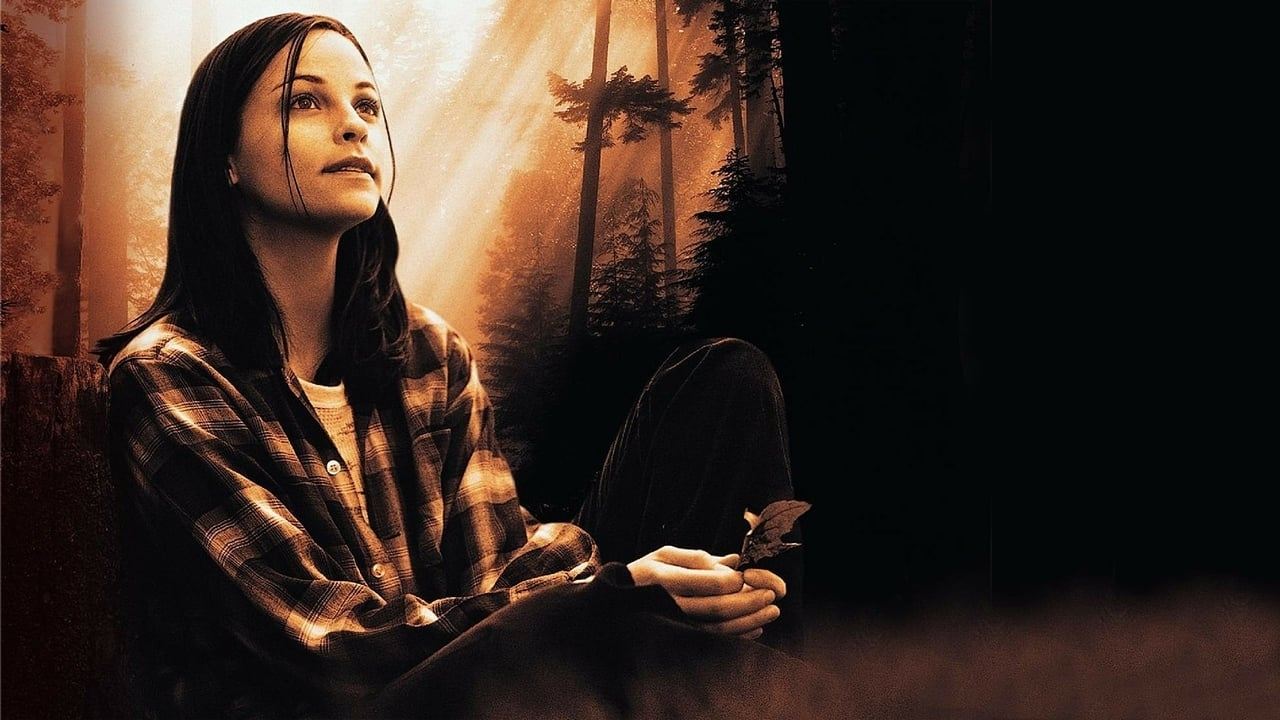
We meet Percy Talbot (Alison Elliott) as she's released from prison, seeking a fresh start in the remote, insular town of Gilead, Maine (beautifully realized, though actually filmed in the equally picturesque Peacham, Vermont). Gilead seems postcard-perfect, all autumnal hues and quiet streets, but there’s an undeniable tension in the air, a suspicion directed towards the newcomer. Percy finds work at the town's only eatery, the titular Spitfire Grill, run by the flinty, watchful Hannah Ferguson (Ellen Burstyn). The diner, much like its owner, seems weary, holding onto history and hurt.
The setup feels familiar, perhaps – the outsider disrupting a closed community. But writer-director Lee David Zlotoff (yes, the very same creative mind who gave us the perpetually resourceful MacGyver!) crafts something more nuanced here. This isn't just about Percy changing Gilead; it's about how Gilead, and specifically the relationships she forms, begin to reshape her. The dynamic between Percy, Hannah, and fellow waitress Shelby Goddard (Marcia Gay Harden), initially wary and brittle, gradually blossoms into a fragile, tentative sisterhood. It’s the heart of the film, and watching these three actresses navigate this emotional terrain is a masterclass in subtle, truthful performance.
Whispers and Wounds
Alison Elliott, relatively unknown at the time, is a revelation as Percy. She carries the weight of her past not with overt angst, but with a guarded quietness, a flicker of hope constantly warring with deep-seated fear. You see the walls she’s built, and you witness, scene by scene, the slow, painful process of them potentially coming down. Then there's Ellen Burstyn, an absolute titan. Her Hannah is etched with loss and bitterness, but Burstyn allows glimpses of the warmth buried deep beneath the crusty exterior. Her scenes with Elliott crackle with unspoken emotion. And Marcia Gay Harden, as the initially meek Shelby who finds her own voice partly through Percy's influence, provides a crucial counterpoint – a portrayal of quiet resilience blossoming under pressure.
The plot finds its engine when Hannah injures herself, forcing Percy and Shelby to take over the Grill. Facing Hannah’s long-held desire to sell the place (with no takers), Percy concocts an inspired, slightly audacious plan: a raffle. For $100 and an essay explaining why they want it, someone can win the Spitfire Grill. This seemingly simple idea becomes a catalyst, dredging up the town's hidden hopes, fears, and long-dormant stories. Doesn't it often take an outside perspective to shake us from our routines and force us to confront what we truly desire?
Sundance Buzz and Quiet Legacy
It's fascinating to recall the buzz surrounding The Spitfire Grill back in '96. It won the coveted Audience Award at the Sundance Film Festival and was snapped up by Castle Rock Entertainment for a staggering $10 million – reported at the time as the highest price ever paid for an independent film acquisition at a festival. I remember the surprise, seeing this quiet drama make such waves. That massive price tag perhaps set expectations that the film, in its gentle pacing and focus on character over spectacle, couldn't quite meet for mainstream audiences or some critics, leading to a more muted theatrical run ($12.7 million domestic gross) and mixed reviews. Yet, for those of us who discovered it on VHS, perhaps drawn by Burstyn's name or the intriguing premise, it often left a deeper, more lasting impression.
The film isn't without its moments that edge towards melodrama, particularly in its final act (Spoiler Alert: the revelation surrounding Hannah’s son and Percy's ultimate sacrifice lean heavily into poignant tragedy). But the core emotional truth, carried so effectively by the lead performances and enhanced by James Horner's evocative score, largely transcends these moments. Zlotoff's direction captures both the beauty and the isolation of the setting, making Gilead feel like a character in its own right. It’s a place where redemption feels possible, but never easy.
Worth Rewinding For?
The Spitfire Grill is a testament to the power of quiet storytelling. It’s a film that trusts its audience to connect with nuanced characters and complex emotional journeys. The performances, particularly from the central trio of women, are deeply affecting and feel remarkably authentic. While its Sundance hype might have overshadowed its gentle nature for some back in the day, revisiting it now reveals a thoughtful, well-crafted drama about the hard-won grace of second chances and the unexpected ways community can heal us. It reminds us that sometimes the most profound stories unfold not in grand gestures, but in shared cups of coffee, whispered secrets, and the courageous act of letting someone new into our lives.
Rating: 8/10
This rating reflects the film's powerful central performances, its resonant themes of redemption and connection, and its evocative atmosphere. While the ending might feel slightly heavy-handed to some, the emotional journey getting there is undeniably moving and expertly portrayed. It’s a standout piece of 90s independent filmmaking that rewards patient viewing.
Final Thought: What lingers most, long after the credits roll, is the quiet strength found in vulnerability, and the enduring hope that even in the most wounded places, new growth is possible.