Okay, fellow tapeheads, gather ‘round. Sometimes, a film lands on the rewind pile that sits just outside our usual 80s/90s hunting ground, yet feels so spiritually aligned with the era of worn-out VHS boxes and cathode ray glow that it demands inclusion. Ulf Malmros' Den Bästa Sommaren (released internationally as A Summer Tale) from 2000 is one such gem. It arrived at the dawn of a new millennium, but its heart beats with a timeless rhythm, echoing those simpler, sun-drenched coming-of-age stories that were staples of the video store shelves we knew so well. It captures a specific, almost dreamlike feeling – the endless possibility and quiet melancholy of a childhood summer.

An Unexpected Trio in Rural Sweden
Set not in the 80s or 90s, but further back in the idyllic, yet isolating Swedish summer of 1958, the film introduces us to two city kids sent to the countryside for the season. Annika (Rebecca Scheja) is quiet, observant, and carries the weight of her mother's recent institutionalization. Mårten (Anastasios Soulis) is more boisterous, a budding inventor masking his own abandonment issues. Their reluctant guardian? Yngve (Kjell Bergqvist), the town's perpetually grumpy, emotionally constipated funeral director, who only agreed to take one child, preferably a boy, and certainly didn't bargain for this mismatched pair disrupting his solitary routine. What unfolds isn't a story of grand adventure, but something quieter, more resonant: the slow, tentative formation of an unlikely family.
Performances That Ring True
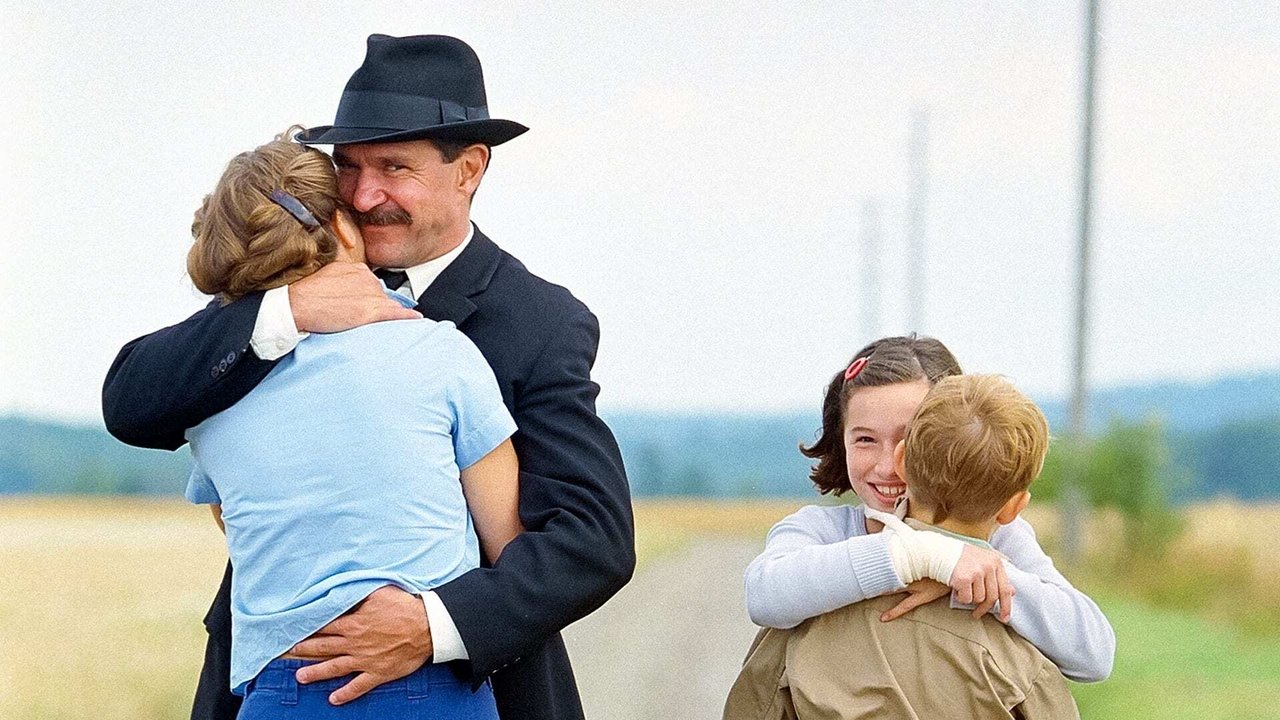
The soul of A Summer Tale resides in its central performances. Kjell Bergqvist, a stalwart of Swedish cinema, is magnificent as Yngve. He masterfully portrays a man walled off by routine and unspoken grief, his gruff exterior slowly, almost imperceptibly, chipped away by the persistent presence of these two children. It’s not a sudden transformation, but a believable thawing, revealed in small gestures – a reluctant smile, a moment of shared silence that speaks volumes. You see the loneliness behind his carefully constructed facade. Bergqvist deservedly won the Guldbagge Award (Sweden's equivalent of the Oscar) for Best Actor for this role, and it’s easy to see why. His Yngve feels utterly real, a man you might recognise from any small town, anywhere.
Equally impressive are the young actors. Rebecca Scheja brings a quiet intensity to Annika. Her watchfulness, her guarded vulnerability – it’s a remarkably nuanced performance for a child actor. She conveys so much with just her eyes, capturing the feeling of a child forced to grow up too soon. Anastasios Soulis provides the necessary spark as Mårten, his energy and often ill-advised schemes offering moments of levity, while subtly hinting at the hurt driving his need for attention. The chemistry between these three is the film's anchor; their interactions feel authentic, awkward, and ultimately, deeply touching. You believe in their gradual, hesitant bonding.
Capturing the Haze of Summer
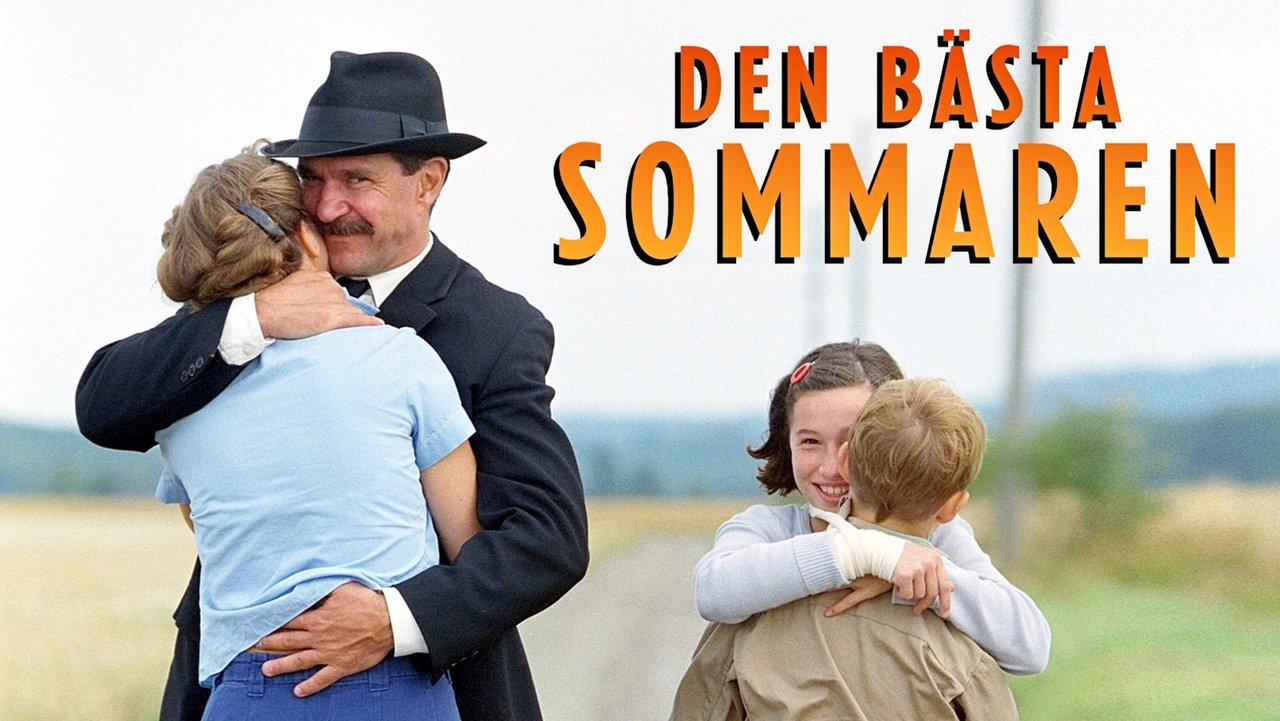
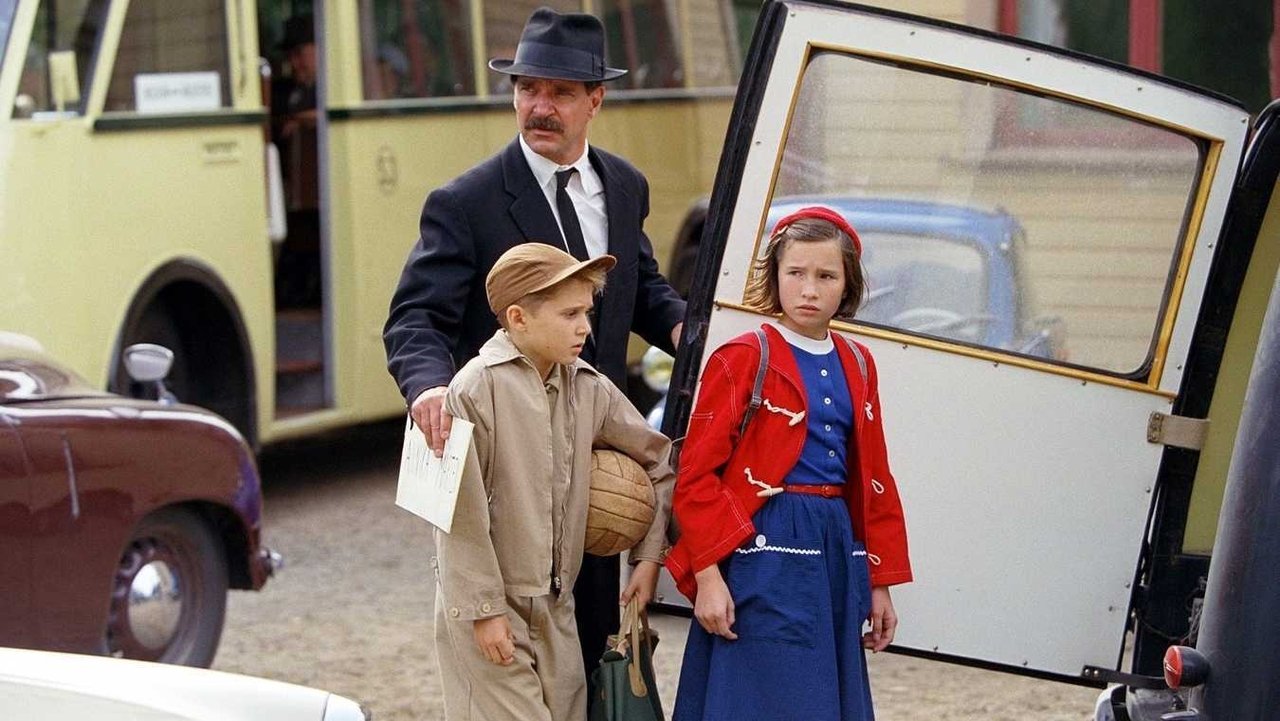
Director Ulf Malmros, who also penned the screenplay, demonstrates a wonderful feel for atmosphere. He doesn't just show us the Swedish summer; he makes us feel it – the long, lazy days, the buzzing insects, the slightly overgrown landscapes, the sense that time itself is slowing down. The film has a gentle pace, allowing moments to breathe and characters to simply exist within this specific time and place. It’s a film less concerned with intricate plotting than with capturing emotional truths and the subtle shifts in relationships. Malmros, known for often exploring youth and regional Swedish life (like in his later film Slim Susie (2003)), crafts a world here that feels both specific and universal. Doesn't that capture the essence of so many beloved childhood films – that blend of the unique setting and the universally relatable emotions?
Retro Fun Facts: More Than Just a Pretty Picture
While maybe not packed with explosions or synth scores like some VHS staples, A Summer Tale has its own behind-the-scenes charm. The film was a significant success in Sweden, not just critically (picking up several Guldbagge nominations including Best Film and Best Director, alongside Bergqvist's win) but also with audiences who connected to its warmth and gentle humour. Filming took place in the Västra Götaland region of Sweden, perfectly capturing that slightly sleepy, picturesque rural setting essential to the story. Interestingly, Rebecca Scheja wasn't primarily an actress; she later became well-known in Sweden as part of the electro-pop duo Rebecca & Fiona. It adds another layer to appreciate her naturalistic performance here. The film’s setting in 1958 also allows it to sidestep modern complexities, focusing purely on the human dynamics, giving it that classic, almost fable-like quality we often find comforting in older films.
Finding Connection in Unexpected Places
What lingers most after watching A Summer Tale? It’s the quiet power of human connection, especially among those who feel like outsiders. Yngve, Annika, and Mårten are all, in their own ways, adrift. Their summer together isn't about solving all their problems, but about finding solace and understanding in each other's company, however temporary. The film beautifully explores themes of loneliness, grief, the definition of family, and the bittersweet nature of summer itself – a season of growth and change that inevitably comes to an end. It poses a gentle question: can the bonds formed in these fleeting moments leave a lasting mark?
It avoids easy sentimentality, grounding its emotional beats in believable character work. There's humour, yes – often stemming from Yngve's exasperation or Mårten's antics – but it's laced with a poignant awareness of the sadness lurking beneath the surface.
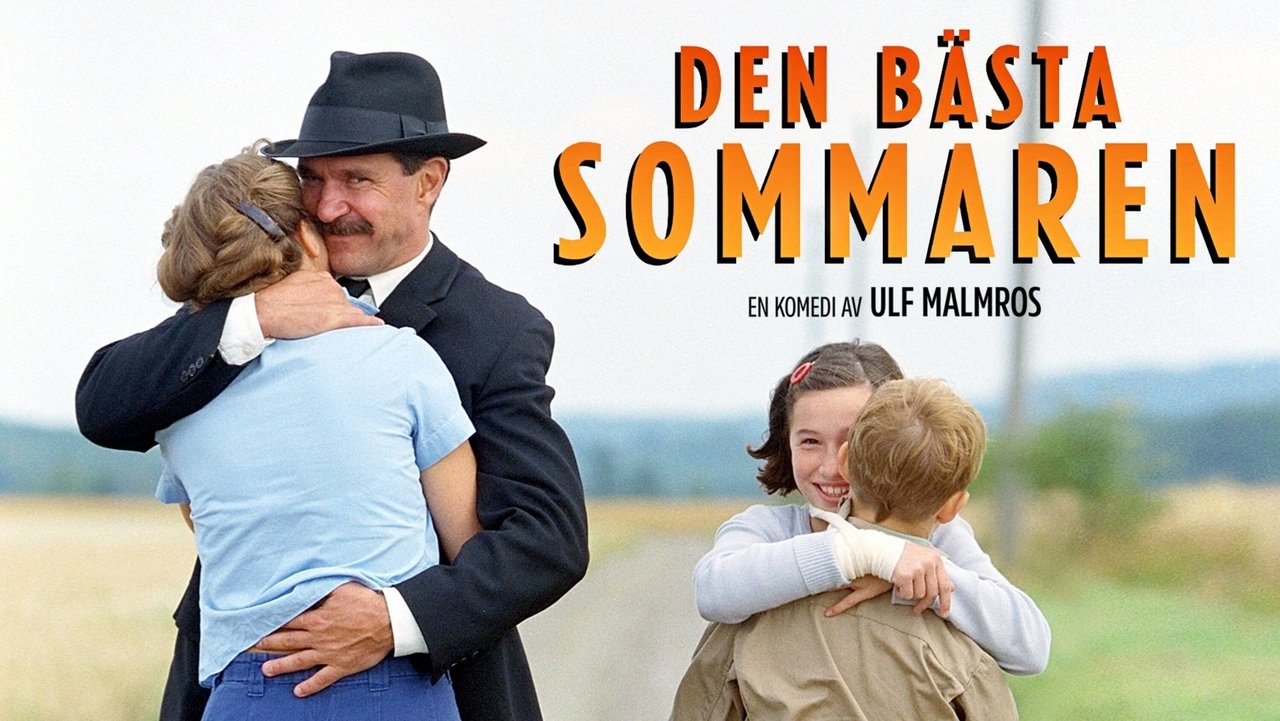
Rating: 8/10
A Summer Tale earns a strong 8 out of 10. While its gentle pace might not grip those seeking constant action, its emotional honesty, superb performances (especially from Bergqvist), and beautifully realised atmosphere make it incredibly rewarding. It captures the specific feeling of a childhood summer – the freedom, the boredom, the unexpected friendships, the underlying melancholy – with remarkable grace. The story is simple, perhaps predictable in its broad strokes, but executed with such warmth and sincerity that it overcomes any narrative familiarity. It feels earned.
Though technically a product of the year 2000, this film possesses the heart and soul of the kind of character-driven, evocative filmmaking that graced so many well-loved tapes from previous decades. It’s a reminder that sometimes the quietest stories resonate the loudest, leaving you with a warm, reflective feeling long after the credits roll – much like finding an unexpected favourite on a dusty video store shelf.