Some films don't shout their arrival; they glide in quietly, leaving a scent of perfume and melancholic observation in their wake. Venus Beauty Institute (Vénus beauté (institut)), released just as the millennium turned, is one such film. It arrived on shelves perhaps a little later than our usual 80s fare, often nestled in that intriguing 'World Cinema' section of the video store – a promise of something different. And different it was. Not quite a comedy, far from a tragedy, it exists in that uniquely French space where life’s small heartbreaks and fleeting connections are observed with unsentimental empathy.
A Sanctuary of Pink and Pain
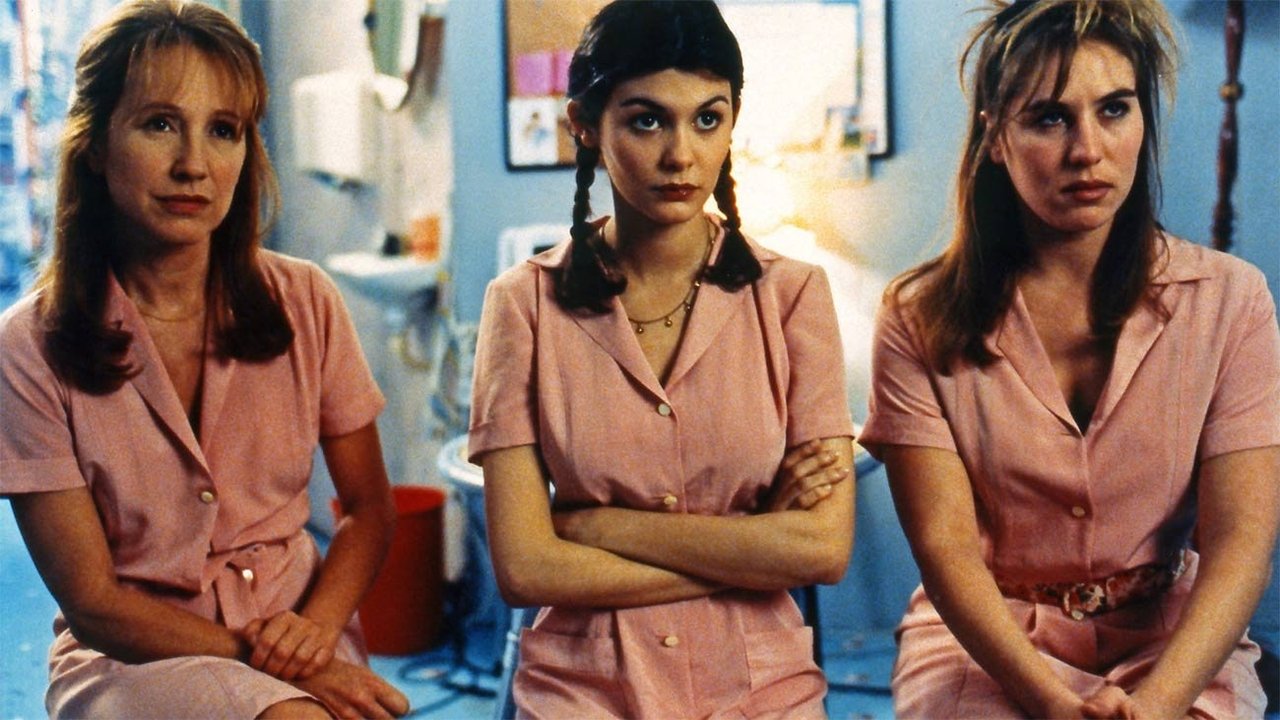
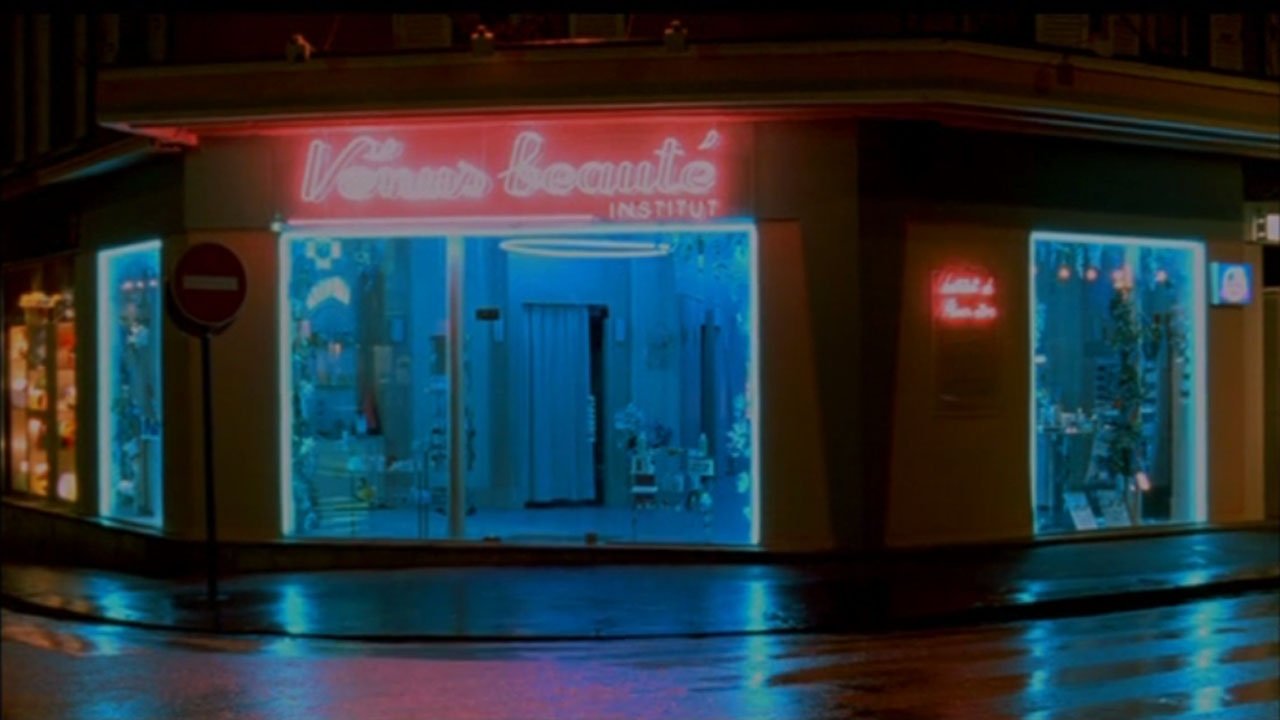
The film unfolds within the eponymous Parisian beauty salon, a world bathed in soft, almost womb-like pinks and calming blues. Director Tonie Marshall creates an atmosphere that’s both soothing and strangely artificial. This isn't just a place for waxing and facials; it's a confessional, a temporary refuge where women (and the occasional man) come not just to beautify the exterior, but perhaps to soothe something deeper within. We see snippets of clients' lives – their anxieties about aging, relationship woes, hidden desires – revealed in vulnerable moments under the hands of the aestheticians. The hum of machines and the gentle chatter form the backdrop to unspoken loneliness. Marshall masterfully uses this contained environment as a microcosm of broader human experience, particularly the complex inner lives of women navigating love, aging, and solitude.
Portraits in the Mirror
At the heart of the institute is Angèle, played with weary grace by the magnificent Nathalie Baye. Baye, already a giant of French cinema, embodies Angèle's profound loneliness and deep-seated mistrust of intimacy, stemming from past hurts we only glimpse. She’s skilled and professional, offering comfort to her clients, yet fiercely guards her own heart, seeking fleeting, anonymous encounters rather than risking genuine connection. Baye’s performance is a masterclass in subtlety; her eyes convey reservoirs of sadness and longing beneath a calm, capable surface. We feel her isolation acutely, the way she drifts through life, expert at tending to others' surfaces while neglecting her own emotional core.
Orbiting Angèle are her colleagues: the pragmatic, slightly eccentric owner Madame Nadine (Bulle Ogier, another icon, bringing her unique presence), and the young, naive Marie (Audrey Tautou, in a star-making turn just before Amélie would make her an international sensation). Tautou’s wide-eyed portrayal of Marie's burgeoning sexuality and tentative steps into adulthood provides a poignant counterpoint to Angèle's guarded weariness. Then there's Antoine (Samuel Le Bihan), a persistent, perhaps slightly unhinged, sculptor who falls hard for Angèle after a chance encounter. His raw, almost desperate pursuit challenges Angèle's carefully constructed defenses, forcing her to confront the possibility, and terror, of real connection. Does his intensity offer salvation or just another form of entrapment? The film leaves us pondering the fine line.
Beyond the Surface
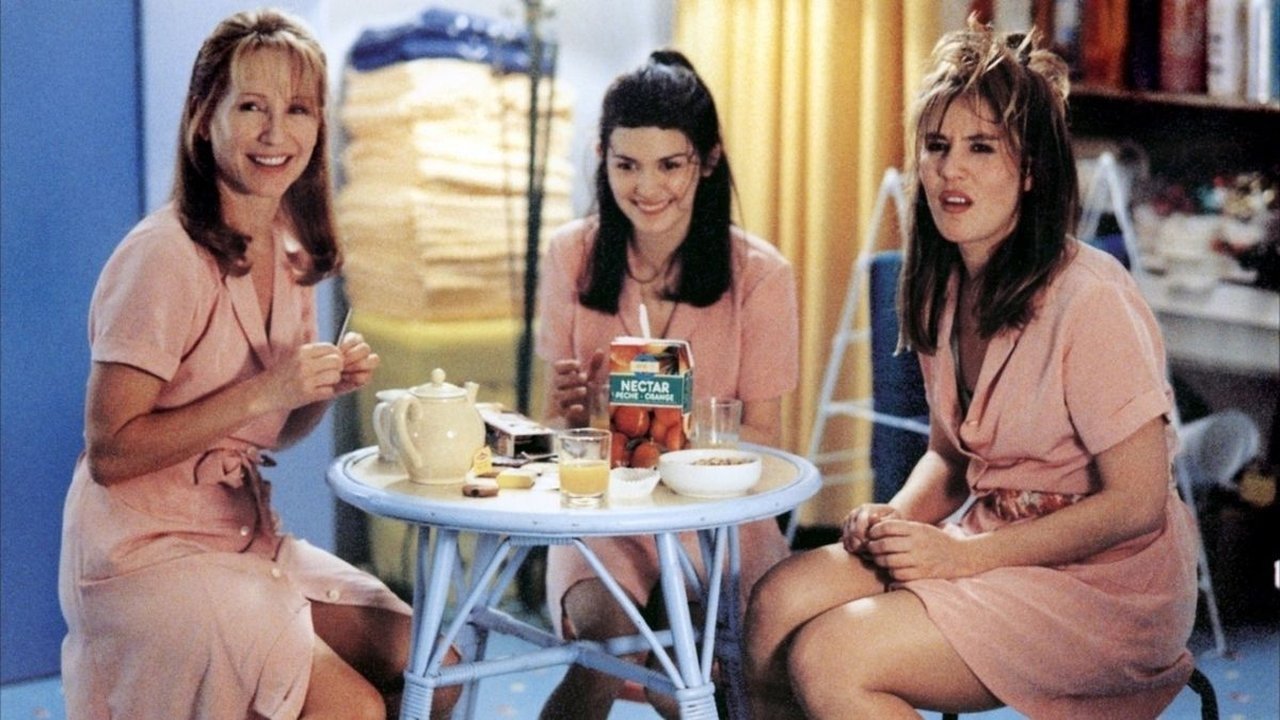
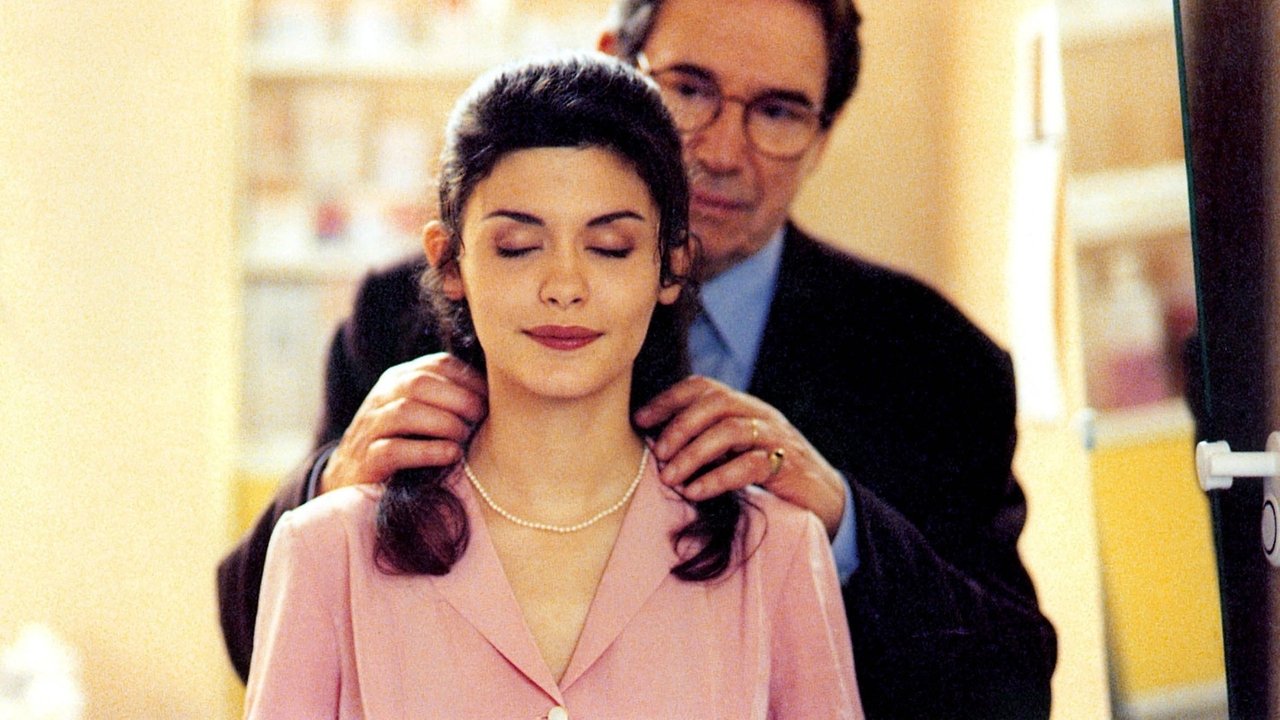
What makes Venus Beauty Institute linger is its refusal of easy answers or grand dramatic gestures. It's a film about the quiet rhythms of everyday life, the small acts of kindness, the shared vulnerabilities, and the persistent ache of loneliness that can exist even in a crowded room (or a bustling salon). Marshall observes her characters without judgment, capturing the rituals of beauty care – the lotions, the masks, the meticulous procedures – as both a form of self-care and, perhaps, a way of masking deeper insecurities. It asks us to consider what lies beneath the surfaces we present to the world. Is the pursuit of external beauty a comfort, a distraction, or a shield?
A Quiet Triumph and a Historic Win
It’s easy to forget now, but Venus Beauty Institute wasn't just a critical darling; it was a phenomenon in France. Against expectations, it swept the César Awards (the French Oscars) in 2000, winning Best Film, Best Screenplay, Best Director for Tonie Marshall, and Most Promising Actress for Audrey Tautou. Marshall's win was particularly historic: she became the first, and astonishingly still the only, woman ever to win the Best Director César. It's a fascinating piece of trivia that underscores the film's impact – a quiet, female-centric story resonating powerfully enough to break barriers. Marshall, herself the daughter of actress Micheline Presle, clearly poured a deep understanding of the female experience into this work. Seeing Tautou here, before the global fame of Amélie (2001), is also a treat – you can already see the spark and unique charm that would captivate audiences worldwide.
***
Rating: 8/10
This rating reflects the film's exceptional performances, particularly Nathalie Baye's deeply felt portrayal of Angèle, its beautifully realised atmosphere, and its thoughtful, nuanced exploration of complex themes. Tonie Marshall's direction is sensitive and observant, creating a world that feels both specific and universal. The pacing is deliberate, focusing on character and mood over plot mechanics, which might not suit all tastes, but perfectly serves the film's introspective nature. It loses a couple of points perhaps only because its quietness means it doesn't deliver the immediate dopamine hit of flashier fare, requiring a certain patience from the viewer.
Venus Beauty Institute is a film that rewards that patience. It’s a gentle, bittersweet, and profoundly human story that reminds us of the complexities hidden behind calm facades, and the enduring, often unspoken, search for connection. It’s one of those late-90s gems that might have slipped past you, but absolutely deserves rediscovery – a reminder that sometimes the most resonant stories are whispered, not shouted.