It begins with a stubborn old man, a faulty pair of legs, and an unwavering determination fueled by something deeper than pride. When you picked up the VHS box for The Straight Story (1999) back in the day, perhaps glancing at the Disney logo and the G rating, the name David Lynch in the director's chair likely caused a double-take. The mind behind Blue Velvet (1986) and Twin Peaks delivering a gentle, sun-dappled road movie about Alvin Straight riding a John Deere lawn tractor across Iowa and Wisconsin to see his estranged, ailing brother? It felt like finding a Norman Rockwell painting hidden within a Hieronymus Bosch triptych. And yet, the dissonance dissolves almost immediately upon watching, replaced by a profound, quiet beauty.
A Different Kind of Journey
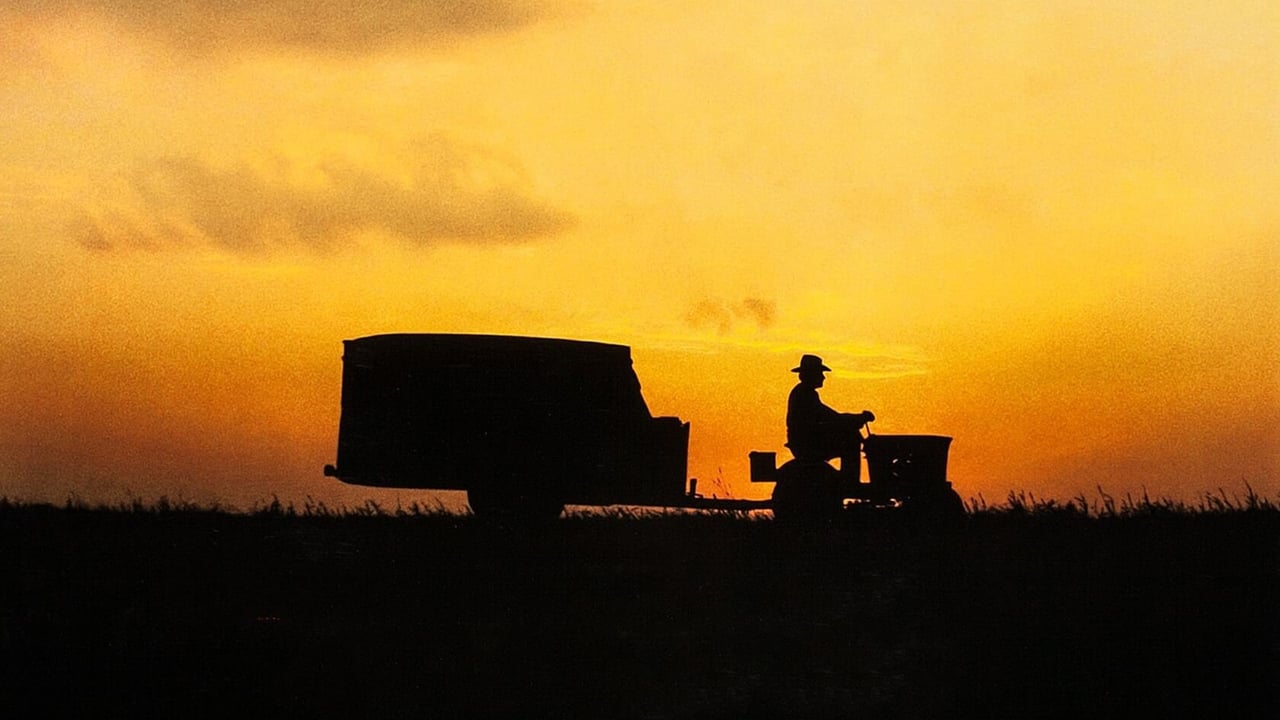
The premise is almost impossibly simple: 73-year-old Alvin Straight (Richard Farnsworth), living in Laurens, Iowa with his kind-hearted, speech-impaired daughter Rose (Sissy Spacek), learns his brother Lyle (Harry Dean Stanton) has suffered a stroke miles away in Wisconsin. Unable to drive a car due to poor eyesight and too proud (or perhaps just too Alvin) to accept a ride, he hitches a trailer to his trusty, if aged, riding mower and sets off at a top speed of five miles per hour. What unfolds is less a race against time and more a meditation on time – on the landscape slowly passing, on the weight of years, regrets, and the enduring bonds of family.
Lynch, working from a heartfelt script by his longtime collaborator Mary Sweeney (who also edited and produced) and John Roach, dials back his signature surrealism almost entirely. Instead, he lets the vast, open landscapes of the American Midwest, gorgeously captured by veteran cinematographer Freddie Francis (in his final film credit), become the canvas. The visual style is clean, direct, almost painterly. Paired with Angelo Badalamenti’s surprisingly gentle, folk-inflected score, the film creates an atmosphere of quiet dignity and deep-seated melancholy, punctuated by moments of unexpected warmth and connection.
Encounters on the Road
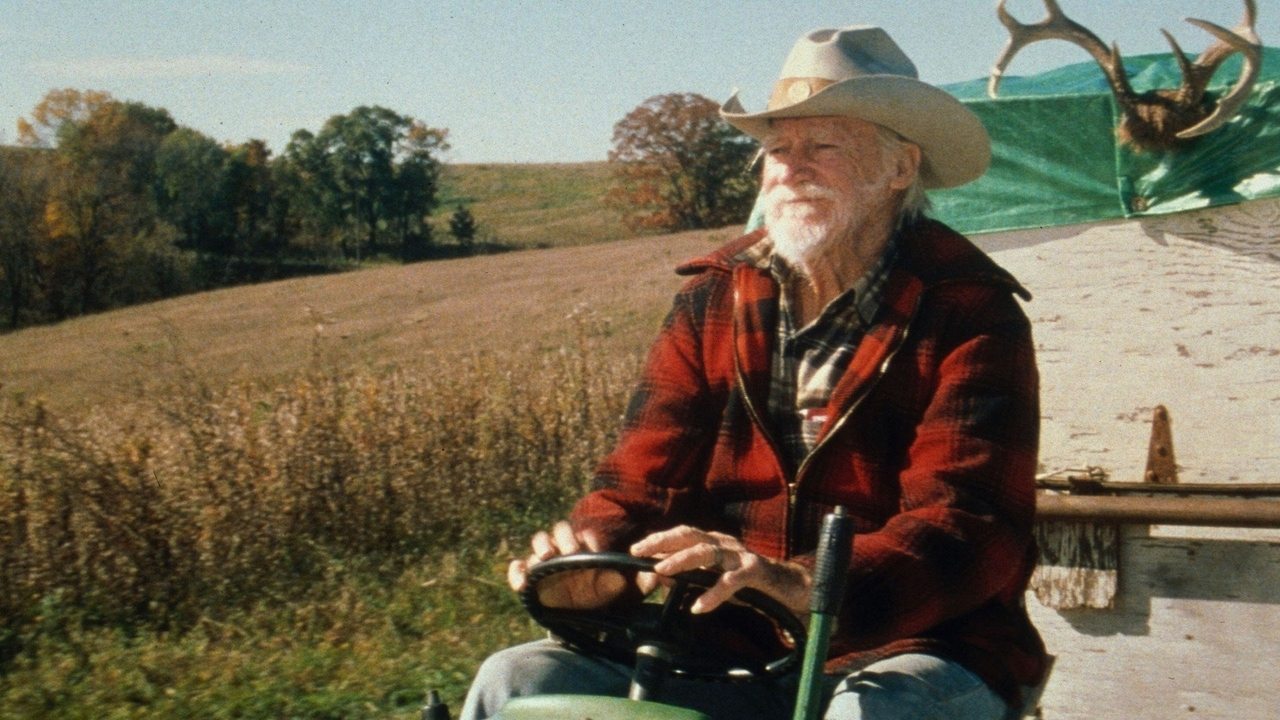
Alvin's slow pilgrimage isn't solitary. He encounters a cast of characters along his route – a runaway pregnant teenager, a group of competitive cyclists, a distraught woman who has just hit a deer, a fellow World War II veteran. These aren't quirky Lynchian archetypes; they feel like real people, their brief interactions with Alvin serving as small windows into different lives and shared human experiences. Each conversation, often taking place around a crackling campfire under a canopy of stars, peels back another layer of Alvin's past, revealing his regrets, his quiet wisdom, and the deep well of love that motivates his arduous journey. Sissy Spacek, too, delivers a wonderfully nuanced performance as Rose, her gentle presence and subtle expressions conveying volumes about her own quiet sorrows and fierce loyalty to her father.
The Unforgettable Alvin Straight
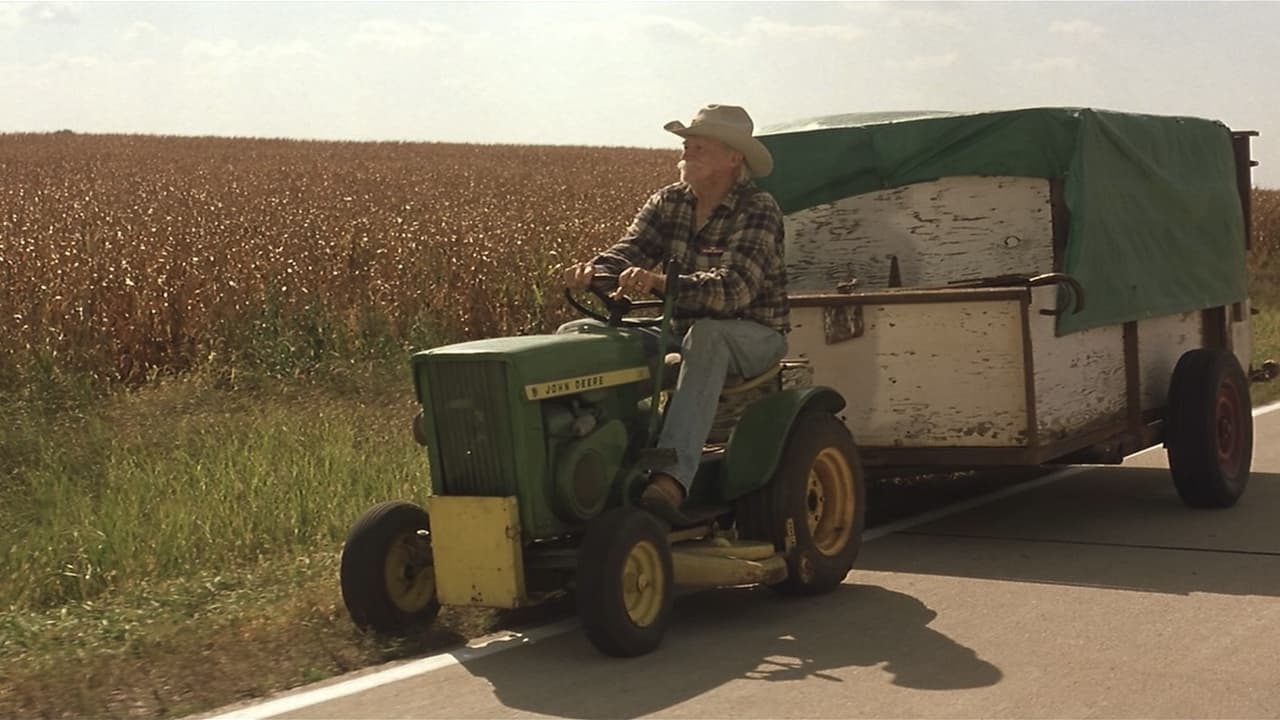
But the heart, soul, and unwavering core of The Straight Story is Richard Farnsworth. A former stuntman whose acting career blossomed late, Farnsworth is Alvin Straight. There's no visible 'acting'; it's a performance of profound authenticity, etched with the lines of a long life lived. His weathered face, the twinkle in his eye often clouded by unspoken pain, his deliberate movements – it all feels utterly true.
What makes his portrayal even more poignant is knowing the reality behind the performance. Farnsworth was battling terminal bone cancer during filming and suffered from painful leg paralysis, necessitating the use of the two canes Alvin often carries. Lynch reportedly insisted on casting Farnsworth, and the actor’s real physical struggles undeniably lend an almost unbearable layer of truth to Alvin’s determination and vulnerability. He poured everything into this role, earning a richly deserved Best Actor Oscar nomination at age 79 (making him the oldest nominee in that category at the time). Tragically, Farnsworth took his own life the following year, unable to bear the chronic pain any longer, leaving Alvin Straight as his final, indelible legacy. Knowing this adds a layer of deep respect and sorrow to re-watching the film; it feels like watching a man confront his own mortality on screen with grace and grit.
More Than Just Mowing the Lawn
Lynch’s decision to film largely chronologically, following the actual 240-mile route Alvin Straight took in 1994, further enhances the film's sense of lived experience. It wasn’t a cheap movie by indie standards ($10 million budget) but felt intimate, yielding a modest box office ($6.2 million) yet achieving significant critical acclaim. It stands as a testament to Lynch's versatility, proving he could master straightforward, emotional storytelling as adeptly as unsettling dream logic. It’s a Disney film, yes, but one infused with a quiet wisdom and emotional weight rarely found under that banner. The final scene, featuring a brief but incredibly potent appearance by fellow cinematic legend Harry Dean Stanton, is a masterclass in understated emotion, saying everything with barely a word spoken.
Final Thoughts

The Straight Story is a film that lingers long after the credits roll. It doesn’t shout; it whispers. It doesn’t rely on spectacle; it finds profundity in the simple act of one man trying to make amends before it’s too late, using the only means available to him. It's a film about aging, family, pride, forgiveness, and the vast, quiet beauty of the American heartland. Renting this back in the day, perhaps nestled between flashier action flicks or comedies on the shelf, felt like discovering a hidden gem.
Rating: 9/10
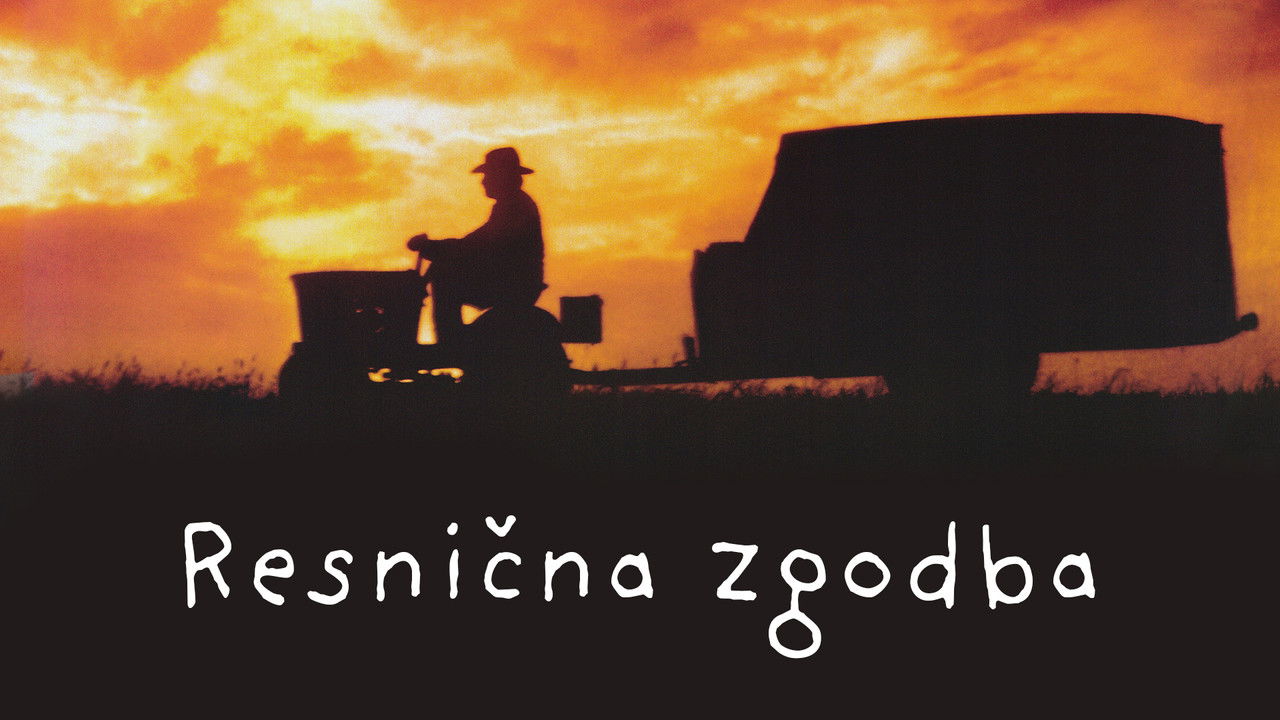
This near-perfect score reflects the film's profound emotional impact, Richard Farnsworth's unforgettable, career-capping performance imbued with real-life poignancy, David Lynch's masterful shift in tone, and the simple, enduring power of its narrative. It's a quiet masterpiece that reminds us sometimes the slowest journeys hold the most meaning. What stays with you most – the image of the lone mower against the horizon, or the unspoken understanding between two estranged brothers?