Okay, let's dim the lights, settle into that familiar worn spot on the couch, and rewind to a time when Hollywood still felt like it might hold some actual magic, albeit the peculiar, demanding kind. Remember 1999? The internet was noisy, the millennium loomed, and Albert Brooks offered us The Muse, a film that asks a question many creatives have probably pondered in desperation: what price would you really pay for pure, unadulterated inspiration?
### The Strange Bargain
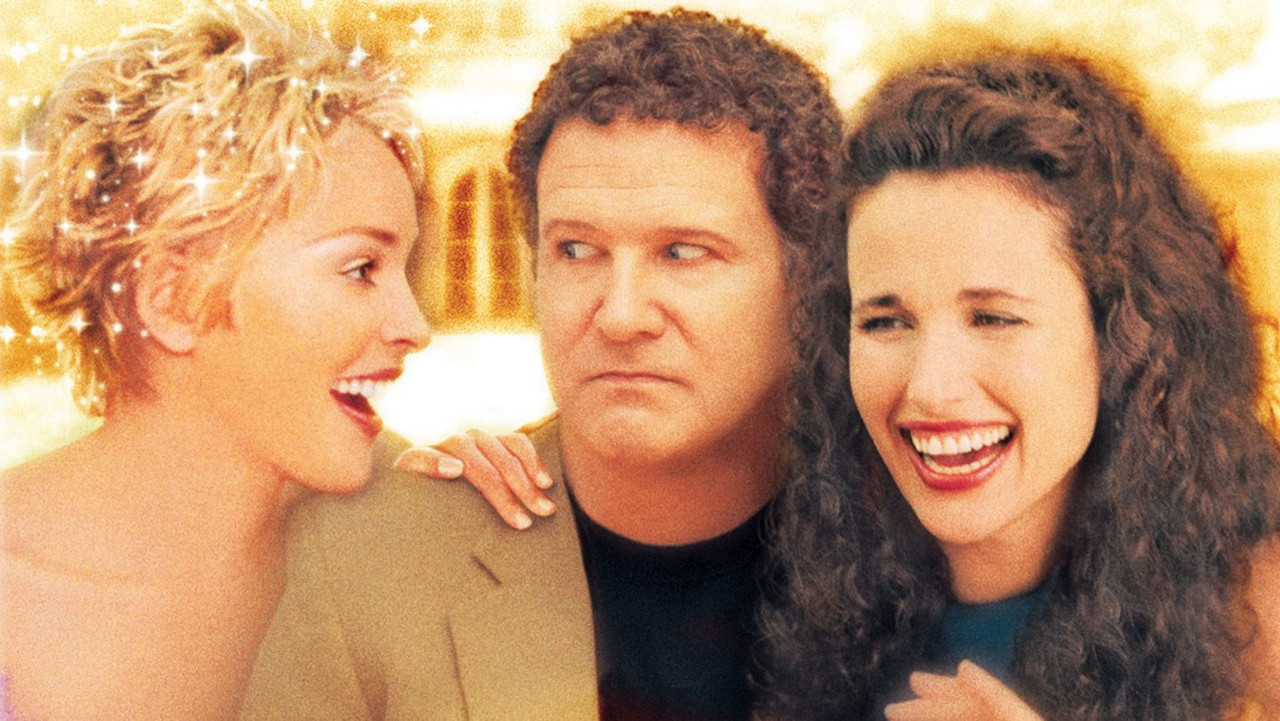
The premise itself has that classic Brooksian hook: screenwriter Steven Phillips (Albert Brooks) is losing his edge. A studio exec bluntly tells him his scripts lack fire, sending him spiraling into a professional crisis familiar to anyone who’s ever stared at a blank page. Enter Jack (Jeff Bridges), a successful writer friend who whispers a secret: his success comes courtesy of Sarah (Sharon Stone), a literal Muse, one of the nine daughters of Zeus, now residing in modern-day Los Angeles and occasionally doling out divine inspiration... for a price. Steven, initially skeptical but increasingly desperate, seeks her out. What follows isn’t quite the lightning strike of genius he expects, but rather a high-maintenance relationship built on vague advice, bizarre errands, and an increasingly demanding lifestyle funded entirely by him. It's less divine intervention, more celestial consulting gig with outrageous expenses.
### That Signature Brooks Touch
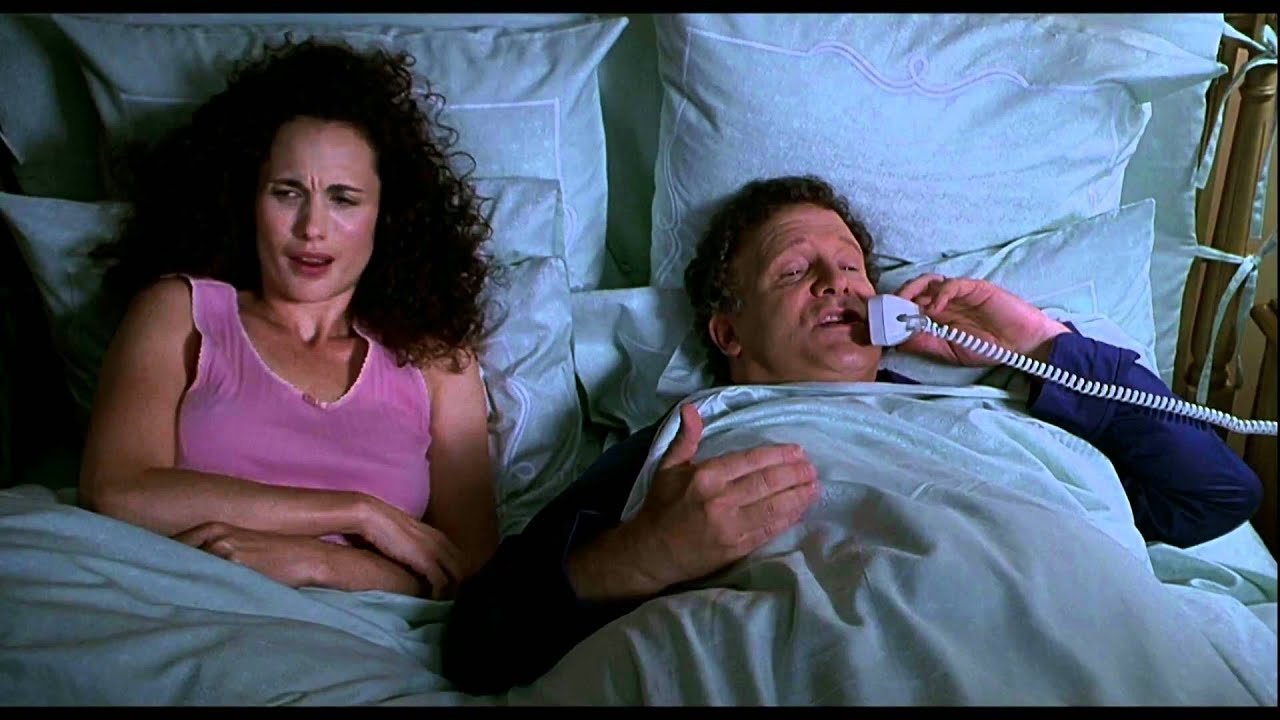
If you came to The Muse expecting laugh-a-minute slapstick, you likely ejected the tape halfway through. This is Albert Brooks territory, through and through. Known for his dry wit and explorations of neurosis in films like Lost in America (1985) and the wonderfully existential Defending Your Life (1991), Brooks, who also directed and co-wrote with his frequent collaborator Monica Johnson, approaches comedy with observational precision. Here, he plays his quintessential character: intelligent, anxious, slightly self-absorbed, and perpetually exasperated by the world's (and the Muse's) absurdities. His Steven Phillips is instantly relatable in his writer's block panic, even as his choices become increasingly bizarre. The humor doesn't come from punchlines, but from the uncomfortable truths embedded in the situations – the awkwardness of asking for favors, the desperation of needing validation, the slow erosion of boundaries when chasing success.
Brooks's direction is similarly understated, letting the performances and the inherent satire of the situation carry the weight. He captures a specific late-90s Los Angeles vibe – not glittering glamour, but the comfortable, sun-drenched sprawl where creative anxieties simmer beneath the surface.
### A Muse Unlike Any Other (And Hollywood Royalty)
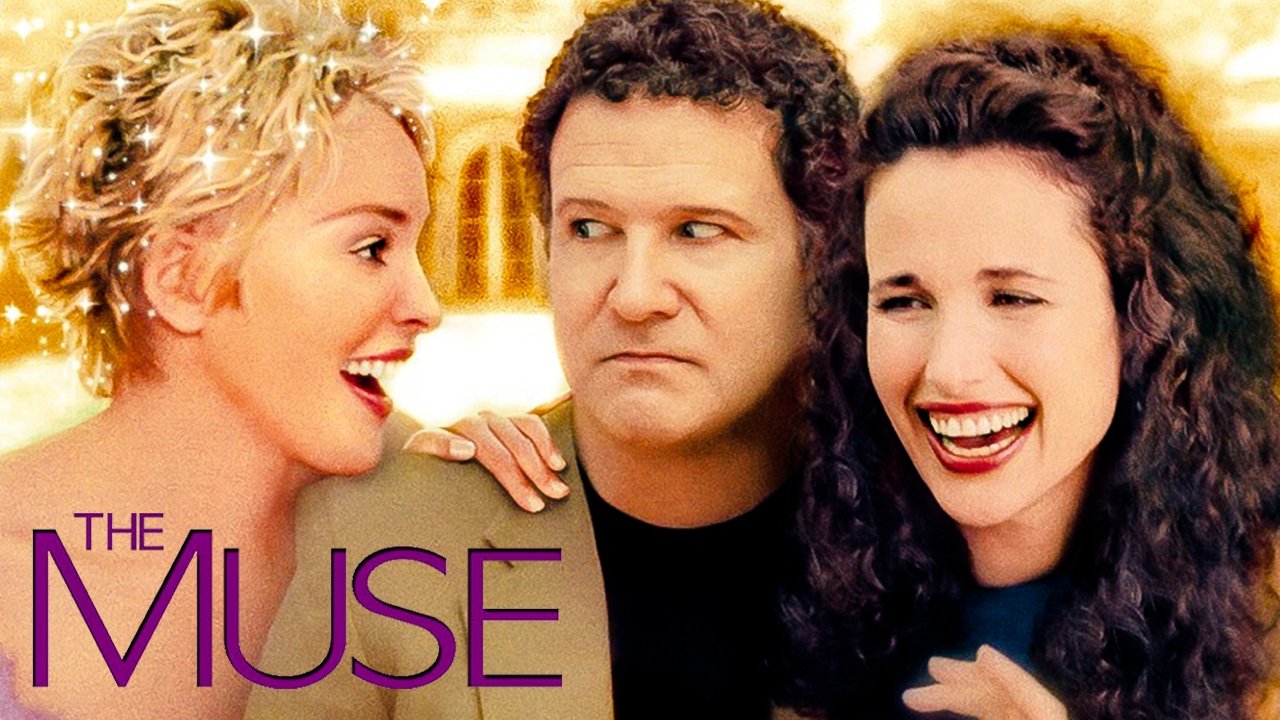
The casting of Sharon Stone as Sarah the Muse is arguably the film’s masterstroke. Known primarily for dramatic, often intense roles like her star-making turn in Basic Instinct (1992), Stone leans into the comedy with surprising flair. She plays Sarah not as an ethereal goddess, but as a slightly flighty, entitled, yet strangely enigmatic figure. Is she truly divine, or just an incredibly perceptive manipulator? Stone keeps you guessing. Her demands – specific Pellegrino water, rooms at the Four Seasons, endless gifts in Tiffany boxes – are hilarious in their specificity, a perfect parody of Hollywood entitlement bleeding into the mythical. Apparently, Stone was actively seeking comedic roles at the time, and she clearly relished the chance to play against type here.
And then there are the cameos. Oh, the cameos! Brooks leveraged his considerable Hollywood clout to populate the film with an astonishing roster of industry heavyweights playing themselves, all supposedly benefiting from Sarah’s influence. Seeing Martin Scorsese fret over his ending for Raging Bull, James Cameron casually mentioning Sarah gave him the idea for Titanic ("The ship sinks! Leo DiCaprio! Kate Winslet!"), and director Rob Reiner seeking her help adds layers of meta-commentary that are genuinely funny. Even folks like Lorenzo Lamas and Cybill Shepherd pop up. Securing these names reportedly wasn't too difficult given Brooks's standing, and they lend the film an insider authenticity that elevates the satire.
### Retro Fun Facts: Peeking Behind the Muse's Curtain
Diving into the VHS vault often unearths some gems about these productions. The Muse is no exception:
- Budget vs. Box Office: Made for a respectable $15 million, the film pulled in around $11.6 million domestically. Not a smash hit, reflecting perhaps its niche appeal and the somewhat mixed critical reception it received at the time (currently hovering around 52% on Rotten Tomatoes and a 5.8 on IMDb). It found its audience more comfortably on home video – precisely the kind of film you’d discover browsing the comedy aisle at Blockbuster.
- The Ending Twist (Spoiler Alert!): The reveal that Sarah might not be a Muse after all, but rather an escaped patient from a mental institution known for elaborate delusions, was apparently part of the plan, adding another layer of ambiguity. Does it undercut the magic, or reinforce the theme that inspiration often comes from unexpected, even unreliable sources? It certainly left audiences debating.
- Real-Life Satire?: One can't help but feel Brooks and Johnson were channeling years of observing Hollywood's unique ecosystem – the blend of genuine talent, desperate insecurity, and often baffling behavior required to navigate the industry. The Muse's demands feel like only slightly exaggerated versions of real-life star riders.
### Creativity, Commerce, and Quid Pro Quo
Beneath the dry humor, The Muse pokes at some interesting questions. What is the true nature of inspiration? Can it be bought or summoned on demand? The film suggests that creativity isn't just a lightning strike; it requires nurturing, patience, and sometimes, indulging the whims of a demanding houseguest who might (or might not) be channeling Zeus. It also serves as a gentle satire of Hollywood's transactional nature, where even divine gifts come with strings attached. The subplot involving Steven's wife, Laura (Andie MacDowell, bringing warmth and eventually her own inspired ambition), adds another dimension, exploring how creative energy can be contagious, or perhaps how easily we can project our desires onto others. MacDowell handles Laura's transition from supportive spouse to budding cookie mogul with believable charm.
### Does it Still Inspire?
Watching The Muse today feels like unearthing a curious time capsule from the cusp of the millennium. Its specific brand of insider Hollywood satire holds up surprisingly well, perhaps because the anxieties of creative struggle and the absurdities of fame are timeless. It lacks the emotional depth of Defending Your Life or the sharp road-trip observations of Lost in America, feeling perhaps a touch slighter than Brooks's best work. Yet, there's an undeniable charm to its quirky premise and the perfectly calibrated performances, especially Stone's delightful turn. It’s the kind of film I remember renting on a whim, perhaps drawn by the cast, and being pleasantly surprised by its unique flavor – a dry martini of a comedy, not a sugary cocktail.
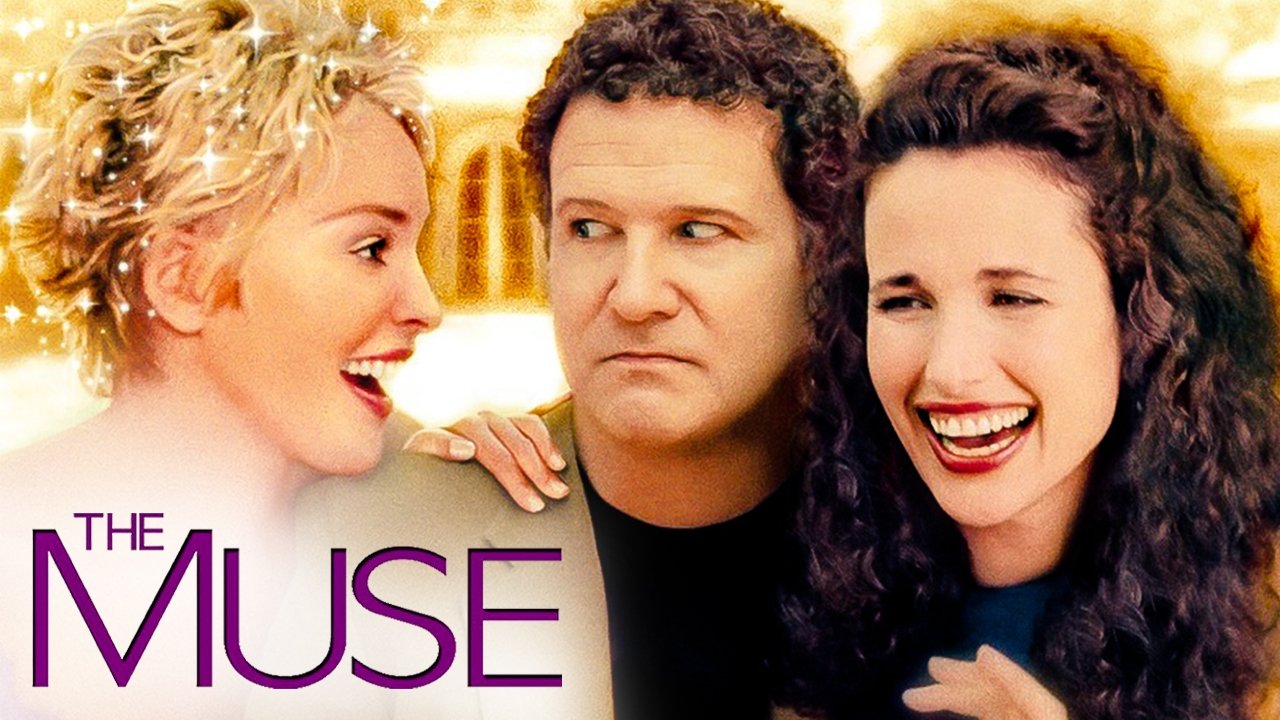
Rating: 7/10
Justification: The Muse earns a solid 7 for its clever premise, sharp satirical observations about Hollywood, Sharon Stone's wonderfully off-kilter performance, and that signature Albert Brooks deadpan charm. The incredible cameos are a huge bonus. It loses a few points for feeling slightly underdeveloped in places and for an ending that, while intriguing, might leave some viewers feeling a bit unsatisfied. It's not Brooks's absolute peak, but it's a genuinely witty and insightful comedy that captures a specific late-90s sensibility.
Final Thought: It leaves you pondering not just the source of creativity, but the often comical lengths we'll go to find it, even if it means stocking the fridge with very specific sparkling water for a potential goddess (or a charming escapee). A quirky gem worth rediscovering.