Okay, fellow tape travelers, let's rewind to a time when ambition sometimes outpaced audience expectation, landing us squarely in the strange, beautiful, and utterly baffling world of 1992's Toys. Flickering onto CRT screens from its chunky plastic cassette, this wasn't your typical holiday season release. It was a visual explosion, a surrealist dream wrapped in wrapping paper, and, let's be honest, a film that left more than a few of us scratching our heads back in the day.

### A Factory Unlike Any Other
Forget subtle. Toys opens its oversized, primary-colored doors and invites you into the Zevo Toys factory, a place that looks less like a manufacturing plant and more like René Magritte decided to collaborate with Willy Wonka after a particularly vivid dream. This wasn't just set dressing; it was world-building on an epic, almost defiant scale. Director Barry Levinson (who gave us vastly different gems like Rain Man (1988) and Diner (1982)) had reportedly nursed this passion project since the late 70s, and you can feel that long-held vision poured onto the screen. Every frame drips with meticulous, frankly gorgeous, production design courtesy of the legendary Ferdinando Scarfiotti (whose incredible work here, alongside Rick Simpson, snagged an Oscar nomination). We're talking vast, rolling green hills inside the factory, whimsical contraptions, and rooms that defy logic but delight the eye. It’s a tangible world, built with practical magic before pixels took over everything. You can almost smell the paint and polished wood.
### Whimsy Meets Warfare
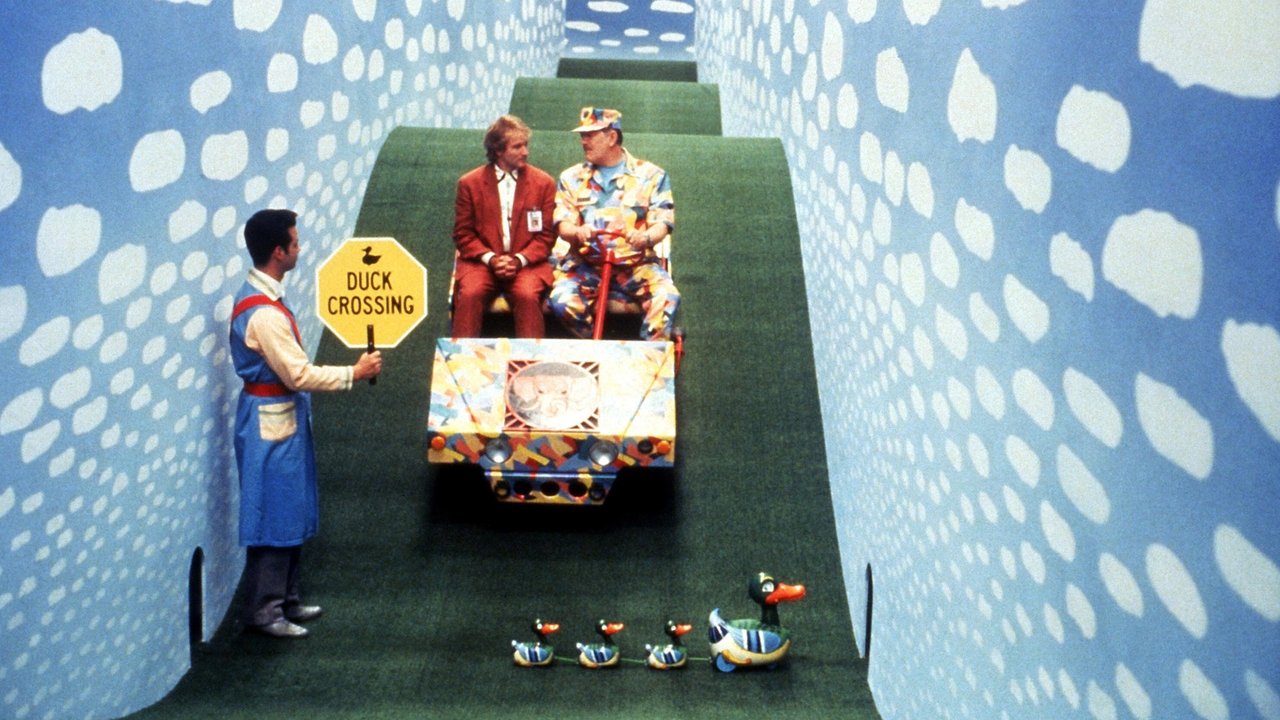
The premise is deceptively simple, yet handled with a peculiar blend of childlike innocence and jarringly dark undertones. When kindly old toy magnate Kenneth Zevo passes away, he leaves the factory not to his gentle, imaginative son Leslie (Robin Williams, playing surprisingly against his usual manic type), but to his estranged brother, Leland (Michael Gambon), a stern, three-star General. The General, utterly bewildered by joy and fun, sees only one application for the Zevo resources: miniaturized war machines. Leslie, aided by his quirky, robot-like sister Alsatia (Joan Cusack, stealing scenes with her delightful oddness) and the initially skeptical Captain Patrick Zevo (LL Cool J), must rally the existing, whimsical Zevo toys to fight back against the encroaching militarization.
It’s a fairy tale about the corruption of innocence, but Levinson, working from a script he co-wrote with Valerie Curtin, doesn’t always successfully navigate the tonal shifts. The film swings from moments of pure, sweet wonder to scenes depicting genuinely creepy surveillance toys and eventually, toy-on-toy violence that feels strangely unsettling beneath the colorful veneer. Was this clash intentional commentary? Absolutely. Did it always work? That’s where audiences and critics split sharply back in '92.
### A Visual Feast, A Narrative Puzzle
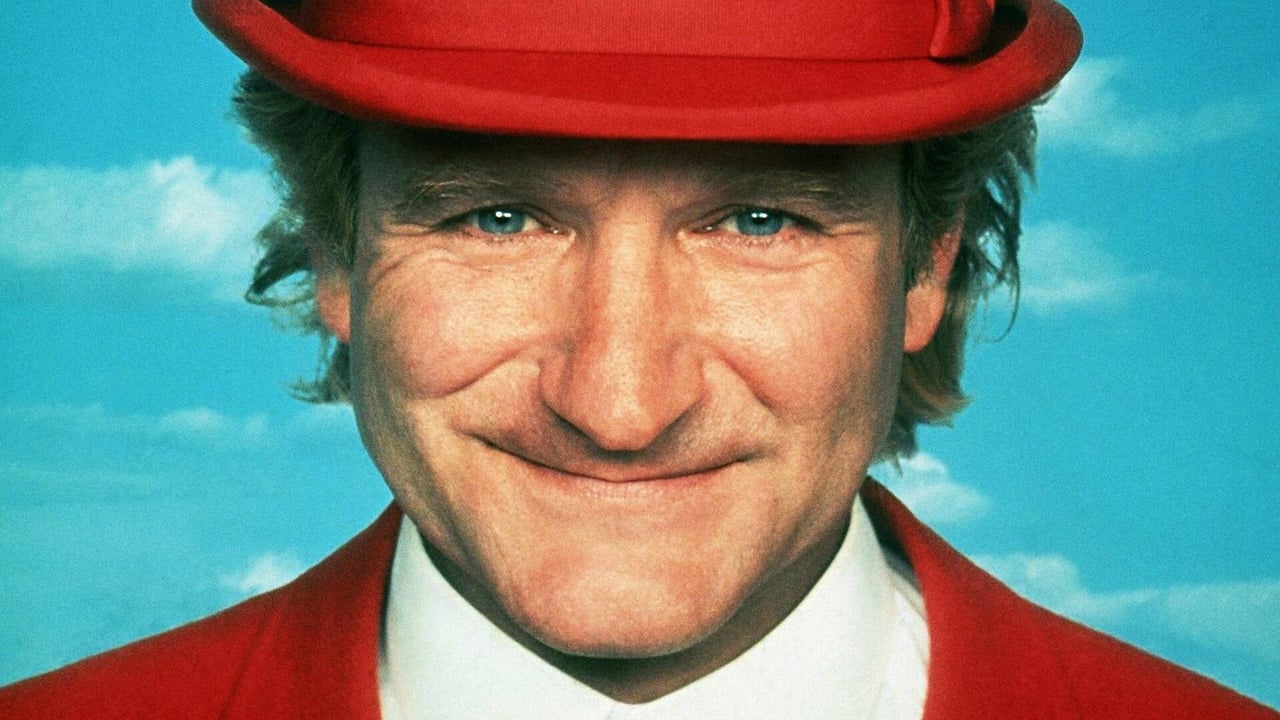
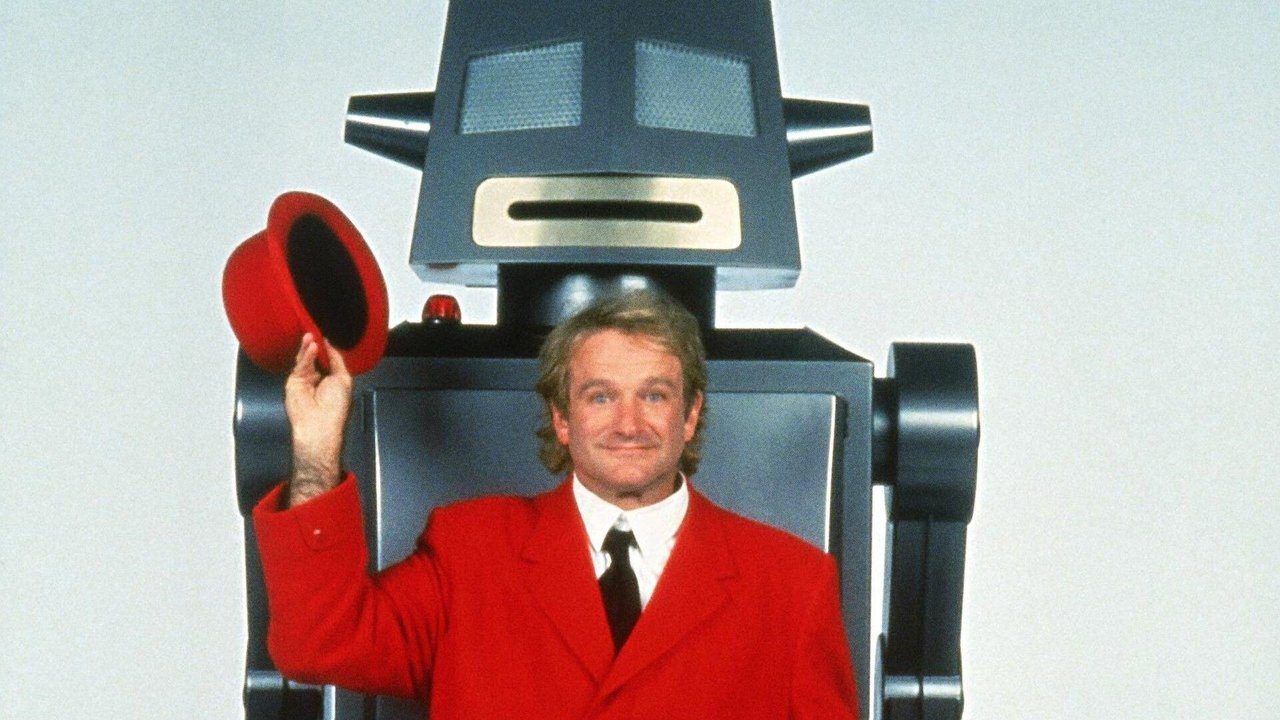
Let's talk about that Robin Williams performance. Fresh off hits like Aladdin (released the same year!) and Levinson's own Good Morning, Vietnam (1987), seeing him as the gentle, almost passive Leslie was unexpected. He’s the heart of the film, embodying the spirit of Zevo Toys, but the character sometimes feels adrift in the sheer spectacle surrounding him. Michael Gambon, however, absolutely revels in his role. His General Leland isn't just evil; he's baffled, frustrated, and dangerously committed to his destructive vision, making him a compelling, almost cartoonish antagonist. And Joan Cusack as Alsatia? Pure, inspired weirdness that provides some of the film's most memorable moments.
The production itself was a massive undertaking. With a budget hovering around $40-50 million (a hefty sum back then!), Fox poured resources into realizing Levinson's vision on their soundstages. The practical effects, the intricate miniatures used in the climactic battle, the Oscar-nominated costumes by Albert Wolsky – it’s all stunningly realized. Remember that sequence simulating a video game battle? Cutting-edge for its time, it involved complex motion control and miniatures, a far cry from today's slick CGI but possessing a unique, physical charm. The "Sea Swine" attack and the elephant drum – these were moments of pure, practical movie magic.
### The VHS Verdict: A Flawed Diamond in the Rough
So, why didn't Toys become the timeless classic its creators clearly hoped for? It tanked at the box office, pulling in less than half its budget, and critical reception was polarized, to say the least (Siskel & Ebert were notably unimpressed). Perhaps the mix of anti-war themes and childlike aesthetics was too jarring, the narrative too meandering, or maybe it was just too strange for mainstream audiences expecting a typical Robin Williams comedy.
Yet, viewed through the nostalgic lens of VHS Heaven, Toys holds a peculiar fascination. It’s a film of breathtaking visual ambition, a testament to a time when studios occasionally took massive swings on wildly original, personal projects. The craftsmanship is undeniable, even if the story stumbles. It feels like a beautifully illustrated storybook where some pages got stuck together. I distinctly remember seeing the oversized VHS box on the rental shelf, drawn in by the bizarre cover art, and being utterly captivated and confused in equal measure upon watching it.
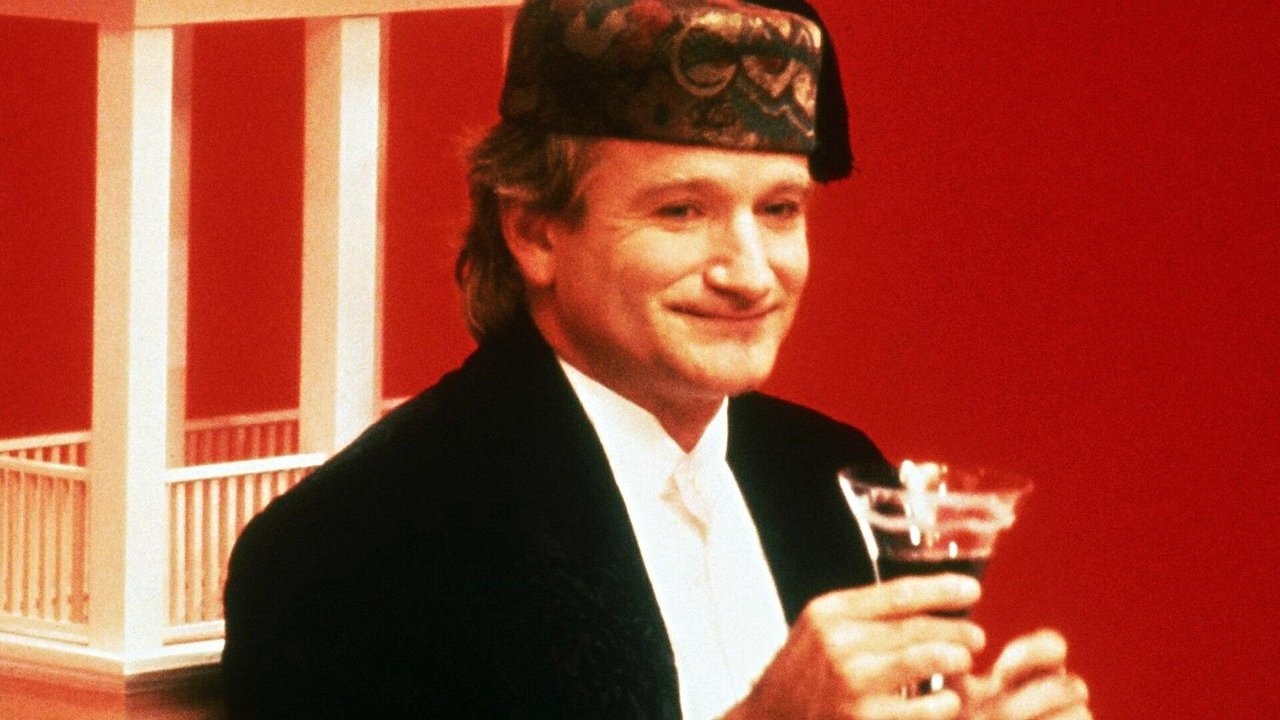
Rating: 6.5/10
Justification: The score reflects the film's undeniable, Oscar-nominated visual artistry and production design (a solid 9/10 territory) paired with a narrative and tonal execution that often feels disjointed and fails to fully connect (bringing the average down). The performances are memorable, particularly Gambon and Cusack, but the ambitious parts don't always add up to a satisfying whole.
Final Take: Toys remains a dazzling, baffling artifact from the twilight of large-scale practical filmmaking. It's a gorgeous, expensive folly you probably wouldn't see greenlit today, and for that alone, this strange cassette deserves a space on the shelf – a beautiful, flawed reminder of when cinematic toys felt truly handmade. Worth revisiting? Absolutely, especially if you appreciate audacious visual design over perfect storytelling.