That persistent hum. Not just the CRT warming up, but the low thrum of doubt the film plants deep in your skull, the one that lingers long after the tape ejects. The Matrix wasn’t just a movie you watched in 1999; it felt like a download, a paradigm shift delivered via coaxial cable and a rented cassette. It arrived draped in black leather and mirrored sunglasses, whispering a chilling question that resonated unsettlingly with the dawn of a new, hyper-connected millennium: What if none of this is real?
### The Splinter in Your Mind
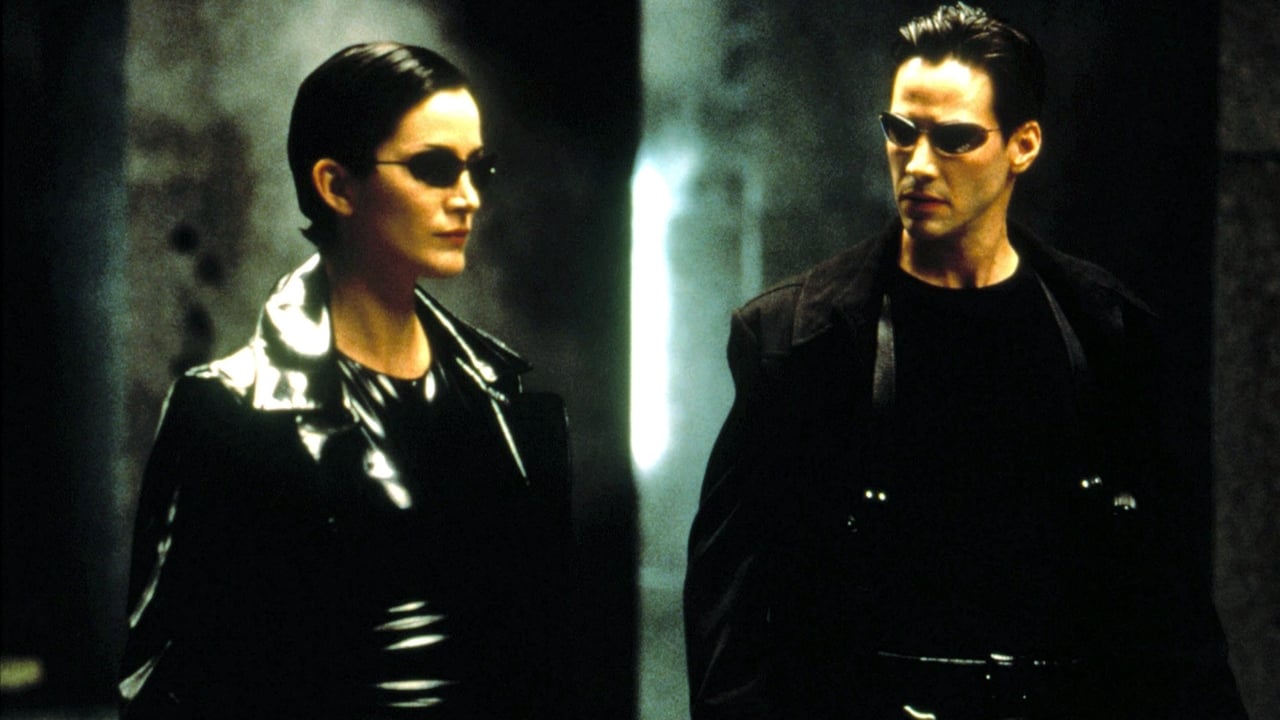
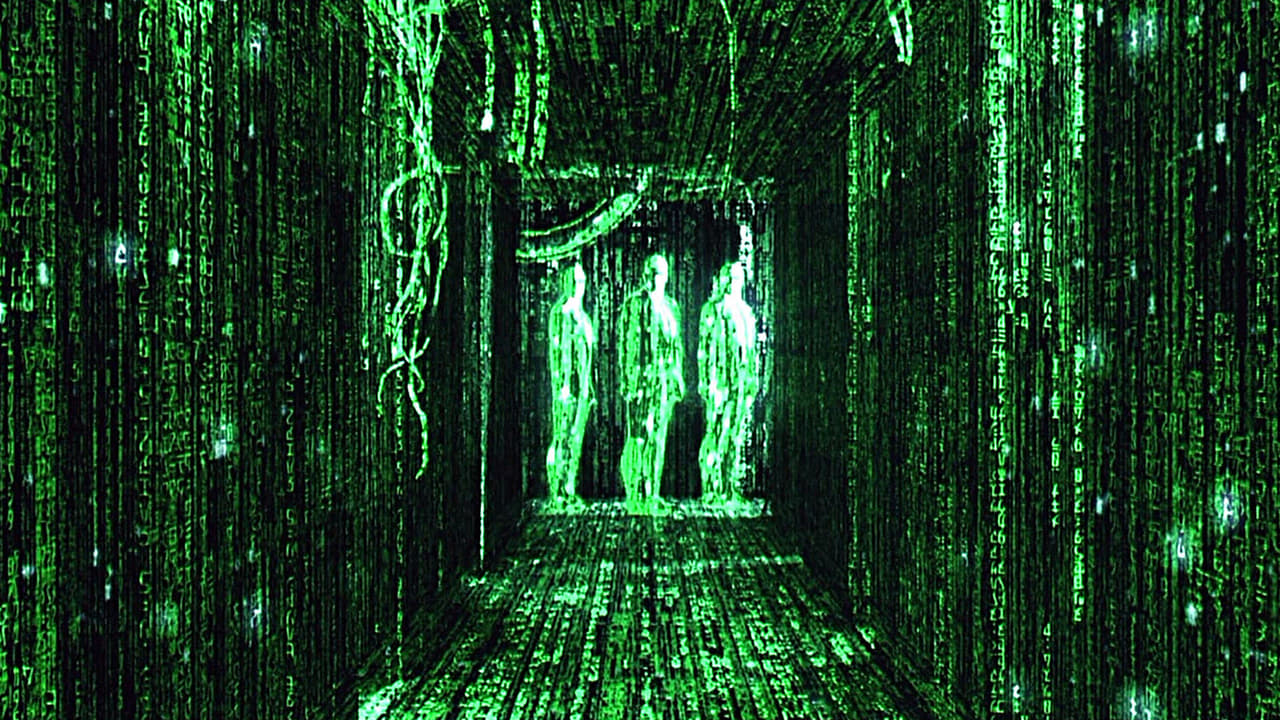
Forget the easy comforts of chosen one narratives; the film plunges you headfirst into the suffocating normalcy of Thomas Anderson's life, a cubicle drone haunted by a feeling that something is fundamentally wrong. The Wachowskis, previously known for the stylish neo-noir Bound (1996), crafted an atmosphere thick with digital dread. The sickly green tint overlaying scenes within the Matrix itself wasn't just a stylistic choice; it was visual shorthand for the artificiality, the sickness of the simulated world. This contrasted sharply with the cold, harsh blues and grays of the ravaged 'real world,' aboard the cramped confines of the Nebuchadnezzar – a choice that immediately tells you neither option is paradise. The film doesn't just present a conspiracy; it taps into that gnawing, late-90s existential anxiety, the feeling of being trapped in a system you don't understand, manipulated by unseen forces.
### Welcome to the Desert of the Real
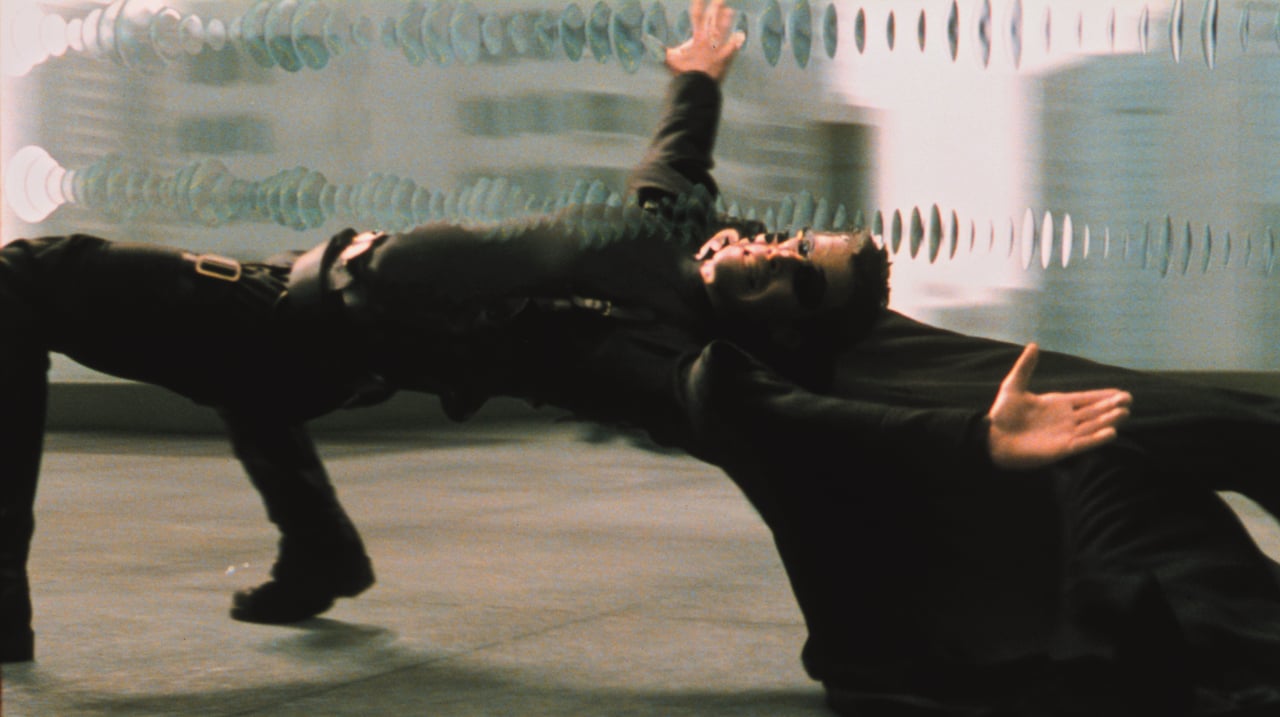
Then comes the choice, the iconic red pill/blue pill dilemma offered by the imposing, yet strangely calming Laurence Fishburne as Morpheus. Once Neo (Keanu Reeves) takes that plunge down the rabbit hole, the film unleashes a visual language unlike anything mainstream audiences had seen before. Forget shaky-cam realism; this was hyper-stylized, meticulously choreographed chaos. The fusion of Hong Kong wire-fu, courtesy of the legendary Yuen Woo-ping (who famously trained the actors for four arduous months), with groundbreaking CGI created moments forever burned into cinematic memory. Remember the first time you saw "bullet time"? That jaw-dropping effect, reportedly inspired by sources as diverse as Japanese animation and the stop-motion photography of Eadweard Muybridge, wasn't just cool; it changed the visual grammar of action filmmaking overnight. It was a spectacle that demanded to be seen, talked about, rewound, and analyzed frame-by-frame on your VCR.
### Agents of Change, Embodiments of Fear
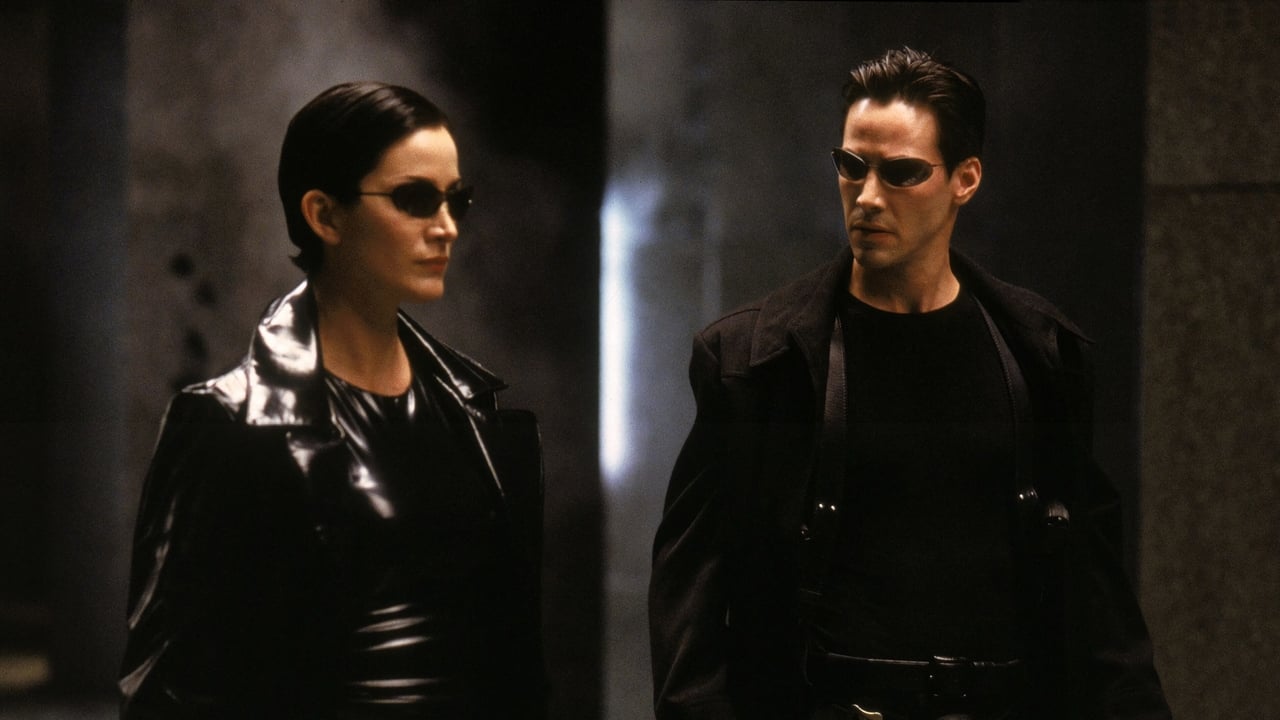
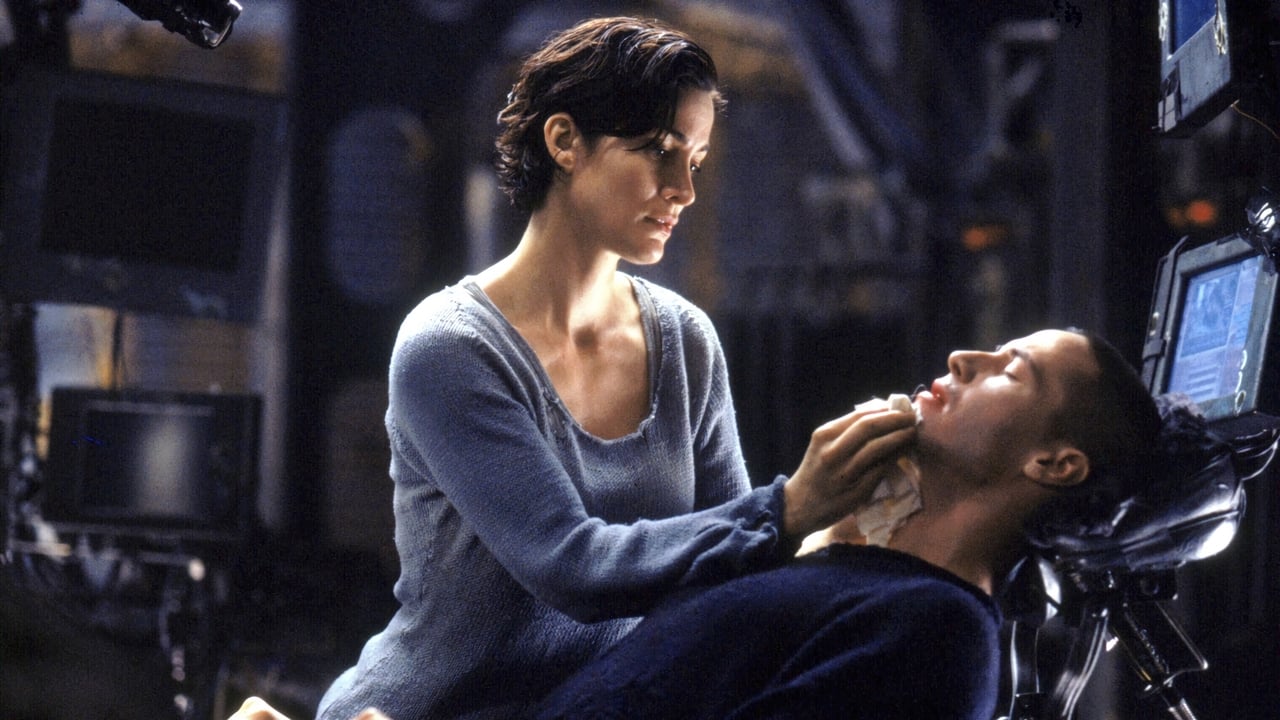
The casting felt like destiny. Keanu Reeves, often criticized for stoicism, was perfect as the initially bewildered, ultimately transcendent Neo. His journey from confused hacker to cyber-messiah provides the audience's anchor. It’s fascinating to think that Will Smith famously turned down the role of Neo to make Wild Wild West (1999) – a sliding doors moment for 90s cinema if ever there was one. Carrie-Anne Moss instantly became an icon as Trinity, radiating lethal competence and cool intelligence in that black vinyl suit. And then there's Hugo Weaving as Agent Smith. Not just a villain, but the chilling embodiment of the system – relentless, adaptive, utterly devoid of humanity, his monotone delivery sending shivers down your spine. His speeches about humanity being a virus are pure, distilled contempt, making him one of the era's most terrifying antagonists. The chemistry and conviction of this core cast sell the impossible stakes.
### More Than Just Kung Fu
Beneath the revolutionary action and stylish visuals lies a surprisingly dense tapestry of philosophical and mythological ideas. Gnosticism, Buddhism, simulation theory, critiques of consumerism, the nature of free will versus determinism – it's all swirling in the code. The Wachowskis layered the film with meaning, from character names (Neo as an anagram for 'One', Morpheus the Greek god of dreams, the Nebuchadnezzar the vessel of a Babylonian king who experienced prophetic dreams) to the intricate production design. The contrast between the slick, anonymous cityscape of the Matrix (actually Sydney, Australia, chosen partly for its more 'generic' American look and favourable budget conditions) and the grimy, industrial functionality of the 'real world' ship underscores the film's themes. Even the score by Don Davis masterfully blends orchestral swells with electronic pulses, mirroring the film's fusion of the organic and the artificial. It’s a film that rewards repeat viewings, revealing new layers with each session – something many of us discovered wearing out our VHS copies.
### The Glitch Heard 'Round the World
The production itself is legendary. With a hefty $63 million budget, the studio (Warner Bros.) was initially nervous, reportedly demanding the Wachowskis prove their concept by filming the opening Trinity sequence first. The intricate lobby shootout scene alone took ten days to film, utilizing practical effects and meticulously planned destruction alongside the digital wizardry. The iconic 'bullet time' rig involved a complex array of still cameras firing in sequence around the action, a technique painstakingly developed for the film. The Matrix wasn't just a hit; it was a phenomenon, grossing over $467 million worldwide and becoming a cultural touchstone. Its influence is undeniable, seen in countless action films, parodies, fashion trends, and even philosophical discussions that continue today. Phrases like "red pill," "blue pill," and "glitch in the Matrix" entered the popular lexicon. It spawned sequels of varying quality (The Matrix Reloaded, The Matrix Revolutions, the much later The Matrix Resurrections) and the excellent animated anthology The Animatrix (2003), but the power and near-perfection of the original remain undiluted.
***
VHS Heaven Rating: 9.5/10
This rating reflects the film's groundbreaking technical achievements, its profound cultural impact, its stellar performances, and its enduring thematic resonance. It perfectly blended high-concept sci-fi with revolutionary action, creating something genuinely new and electrifying. While the sequels may have muddied the waters for some, the 1999 original stands as a near-flawless execution of a bold vision. It didn't just entertain; it made you think, wrapping complex ideas in the coolest package imaginable.
The Matrix wasn't just the future of action cinema; it felt like a glimpse into the future of consciousness itself, a chillingly stylish warning that still feels unnervingly relevant decades later. Did any other film from that era rewire your brain quite like this one?