The glow of the screen flickers, painting the room in the harsh neon and perpetual twilight of Mega-City One. There's a suffocating density to the air, even through the cathode ray tube – a future crammed into towering city blocks, where grime coats every surface and justice is dispensed from the barrel of a Lawgiver. This isn't just a setting; it's a warning, rendered in concrete and steel, a vision of urban decay so potent you could almost smell the ozone and desperation wafting from the speakers. This is the world of 1995’s Judge Dredd, a film that promised the definitive take on 2000 AD's iconic lawman and delivered... something else entirely.
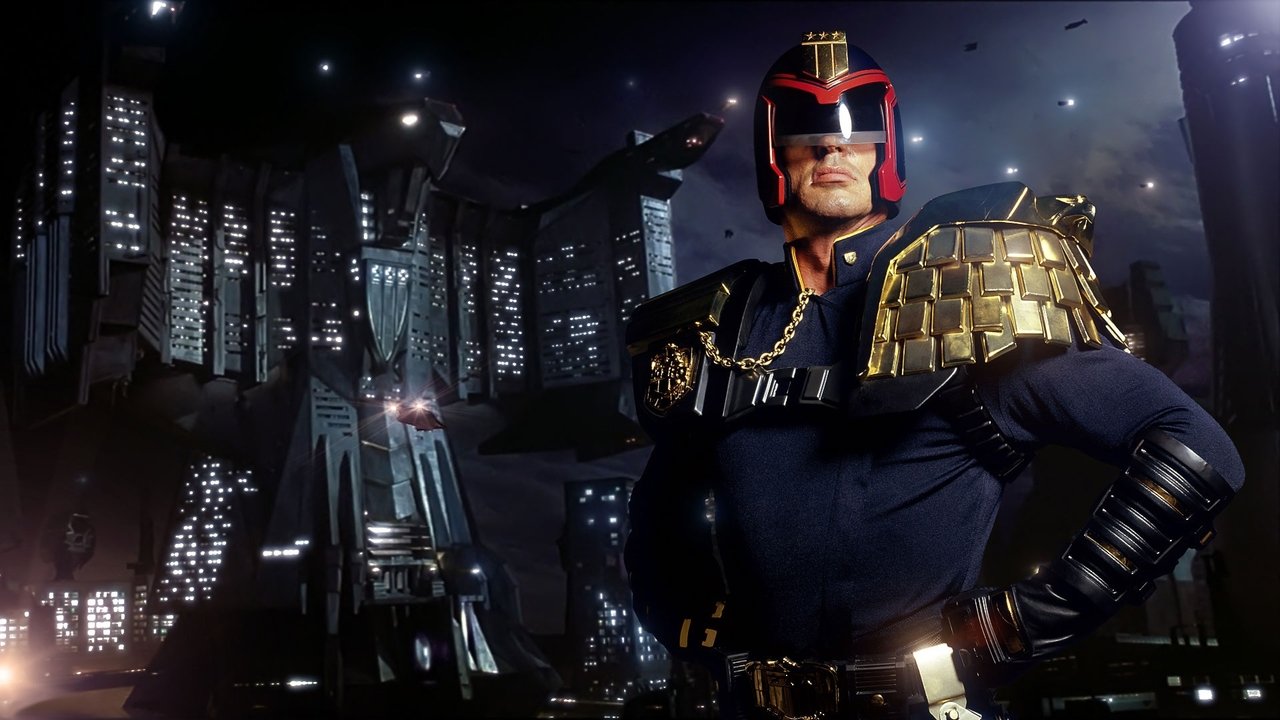
Concrete Jungle Where Laws Are Made Of
Right from the outset, the film looks incredible. Director Danny Cannon, a young British filmmaker entrusted with a colossal $90 million budget (around $180 million today!), clearly understood the visual language of the comics. The production design is staggering. Mega-City One feels tangible, a sprawling, oppressive labyrinth brought to life with breathtaking practical sets, intricate miniatures, and costumes that, perhaps surprisingly, had input from Gianni Versace. Remember those imposing Judge uniforms, particularly the exaggerated shoulder pads? Pure 90s power-dressing filtered through a dystopian lens. The Lawmaster bikes, the towering architecture – it was, and in many ways still is, a feast for the eyes, a testament to what practical effects could achieve just before the digital wave fully broke. They even built full-scale Aspen prison interiors and massive city block sections at Shepperton Studios in the UK.
The Law... and the Face Beneath the Helmet
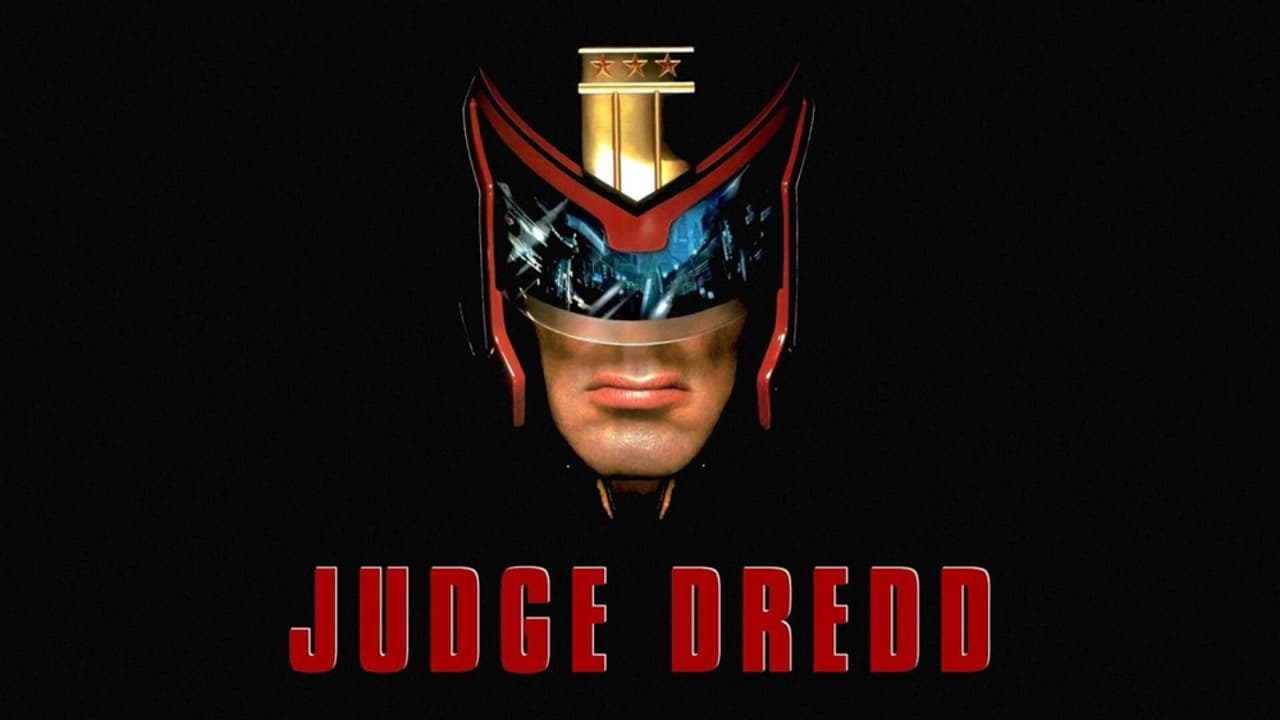
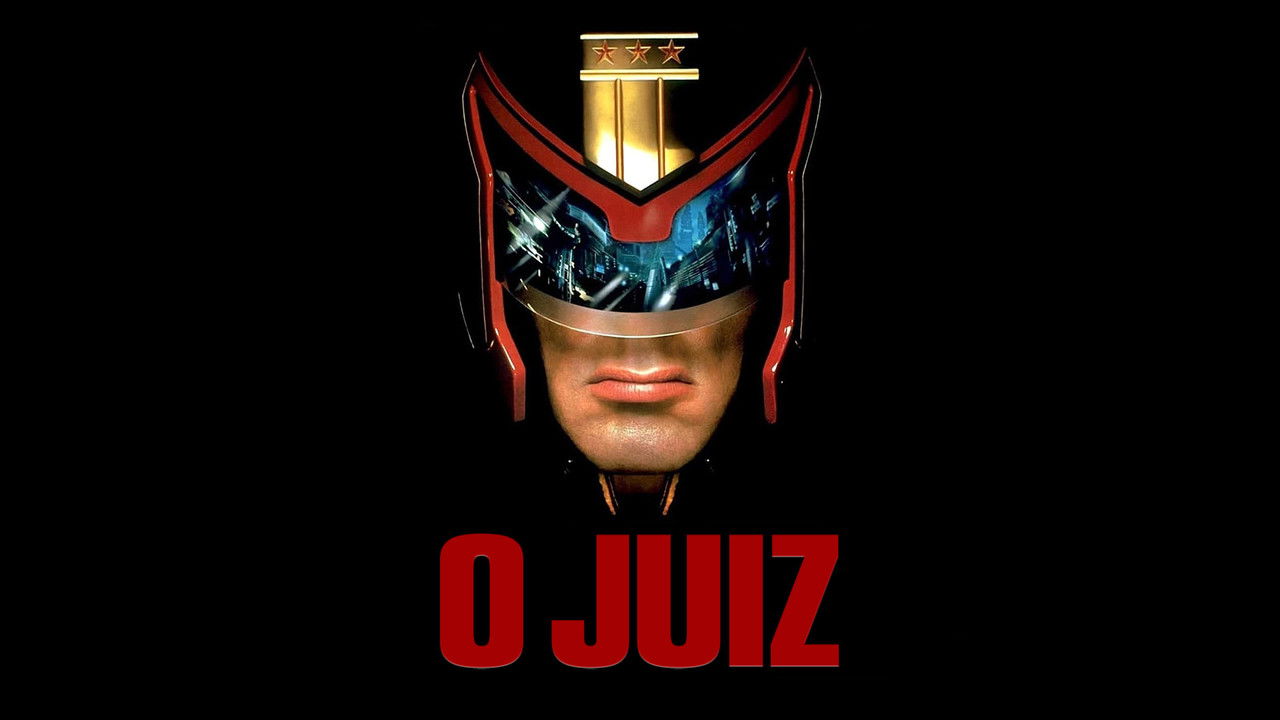
And then there's Sylvester Stallone. Embodying Judge Joseph Dredd, the toughest lawman in a city teeming with crime, Stallone certainly possessed the requisite chin and granite-like presence. He nails the grimace, the posture, the barked commands. But famously, and much to the chagrin of comic purists then and now, the helmet comes off. A lot. Rumors have swirled for decades about Stallone's insistence on significant face time, viewing the helmet as obscuring his star power. Whether studio pressure or star ego, the decision fundamentally alters the character, stripping away the enigmatic, faceless symbol of absolute law that defined Dredd in the comics. It’s a compromise that haunts the film, turning an icon into just another action hero – albeit one trapped in a truly wild future.
A Tale of Two Dredds (and One Fergee)
The plot pits Dredd against his psychotic clone brother, Rico, played with scenery-devouring relish by Armand Assante. Fresh out of Aspen prison, Rico frames Dredd for murder, leading to Dredd's exile into the Cursed Earth and a desperate fight to return and expose a conspiracy reaching the highest levels of the Justice Department, involving the respected Chief Justice Fargo (Max von Sydow). Assante throws himself into the role, delivering lines like "You want fear? I'm fear!" with maximum operatic intensity. It’s entertaining, but contributes to the film’s tonal seesaw between gritty sci-fi and almost cartoonish villainy.
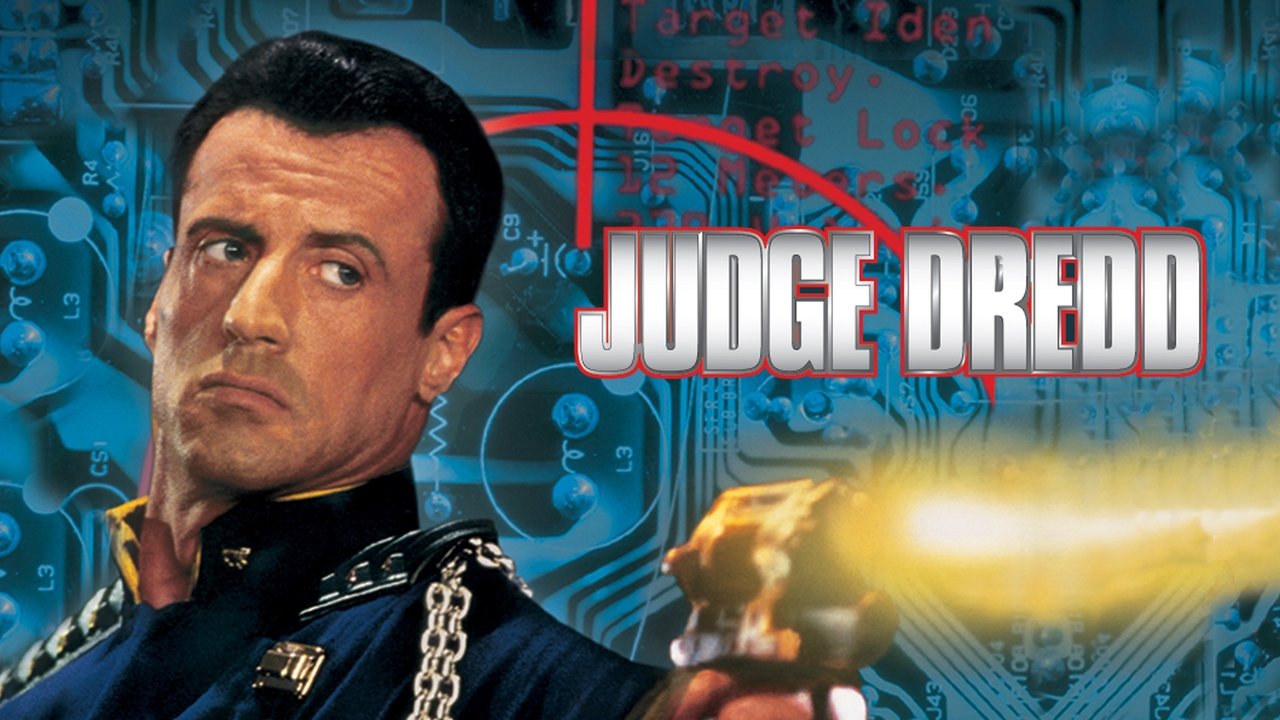
And speaking of tone... enter Fergee. Played by Rob Schneider, fresh off Saturday Night Live, Fergie is the mandatory 90s comic relief sidekick, a recently released hacker who gets tangled up with Dredd. While Schneider does what he’s asked, his frantic energy often feels jarringly out of place amidst the grim backdrop and violent action. His inclusion feels like a studio note personified, a desperate attempt to lighten a fundamentally dark concept for broader appeal, and arguably one of the film’s biggest missteps. Did anyone really feel the need for wisecracks while facing down the Angel Gang in the Cursed Earth? It’s a question that still lingers. Meanwhile, Diane Lane as Judge Hershey provides capable support, though she’s largely sidelined by the chaotic plot and the focus on Stallone and Schneider.
Behind the Blast Doors
The production itself was reportedly fraught with tension. Cannon envisioned a darker, more violent film (an early cut apparently flirted with an NC-17 rating before significant cuts), often clashing with Stallone and the studio over the film's direction. This push-and-pull is palpable on screen – moments of genuine atmospheric dread and impressive action sequences sit awkwardly alongside goofy humour and plot contrivances. The script, credited to veteran action scribes William Wisher Jr. (Terminator 2: Judgment Day) and Steven E. de Souza (Die Hard, Commando), feels like it underwent numerous rewrites, struggling to reconcile the bleak source material with blockbuster demands. There's a fascinating 'what if?' surrounding Cannon's original vision.
Despite its flaws, the film does boast some memorable sequences. The opening street battle, the Cursed Earth encounter with the Angel Gang (featuring a gnarly practical cannibal family), and the climactic confrontation featuring the genuinely cool ABC Warrior robot stand out. Alan Silvestri’s score, too, is appropriately bombastic and brooding, lending weight to the visuals. It’s a film where the craft often impresses even when the storytelling falters.
The Verdict from the Council of Judges
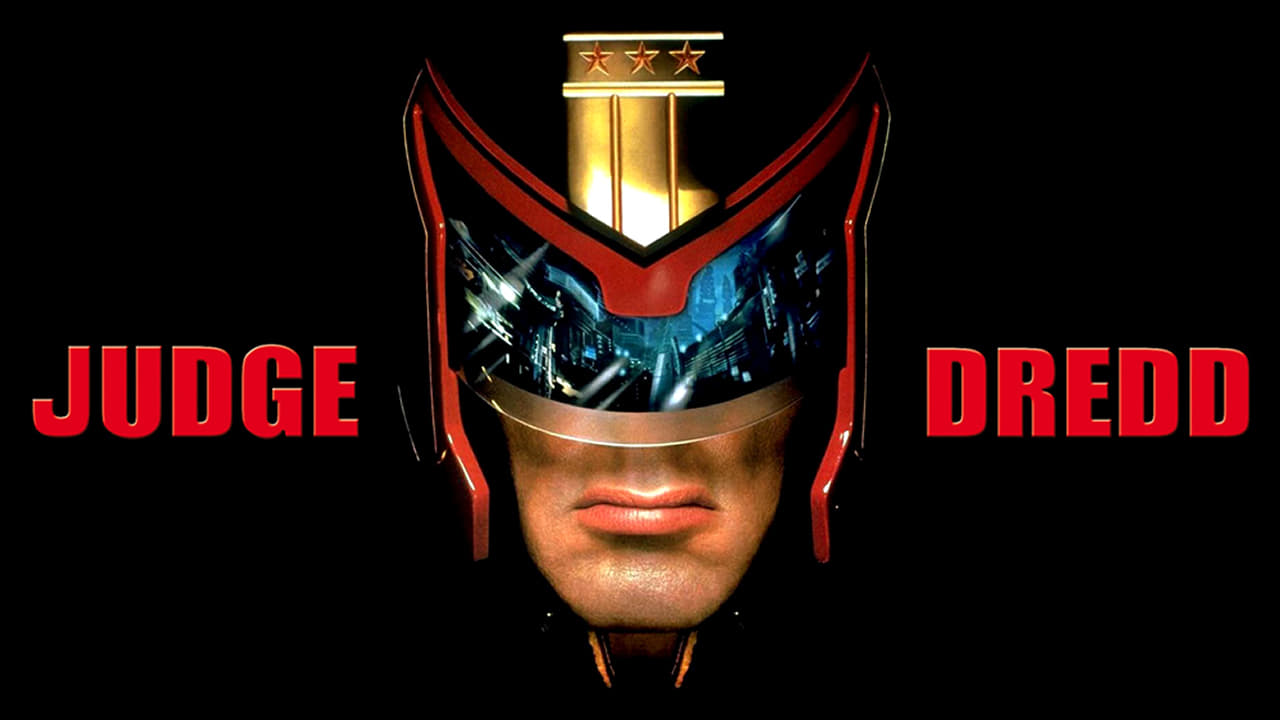
Judge Dredd (1995) is the quintessential flawed blockbuster from the VHS era. It’s big, loud, visually ambitious, and packed with practical effects that still hold a certain charm. Yet, it's also tonally inconsistent, hampered by questionable casting choices (sorry, Fergee), and fundamentally misunderstands key aspects of its source material, particularly the significance of the helmet. I distinctly remember renting this, drawn in by the imposing cover art and the promise of futuristic mayhem, and feeling a mixture of awe at the spectacle and confusion at the comedic elements. It tried to be Blade Runner meets Demolition Man but never quite synthesized its influences effectively. Its box office failure (grossing $113.5 million worldwide against that hefty $90 million budget) ensured this vision of Dredd wouldn't return, paving the way eventually for the leaner, meaner, and arguably more faithful Dredd (2012).
Rating: 5/10
Justification: The score reflects the film's stunning production design, impressive practical effects, and Armand Assante's enjoyably over-the-top villainy (worth 3 points alone). The ambition and scale earn another point. However, it loses significant points for the tonal inconsistency, the miscasting of Rob Schneider, the infamous helmet removal undermining the core concept, and a script that feels compromised and uneven. It's a visual spectacle dragged down by narrative fumbles.
Final Word: A fascinating, frustrating relic of 90s blockbuster excess. Visually spectacular but narratively clumsy, Judge Dredd remains a must-watch for fans of the era's unique brand of sci-fi action, even if only to marvel at its glorious, expensive missteps and wonder what might have been. It’s a reminder that sometimes, even with all the money and talent in the world, capturing the true spirit of the law requires keeping the helmet firmly on.