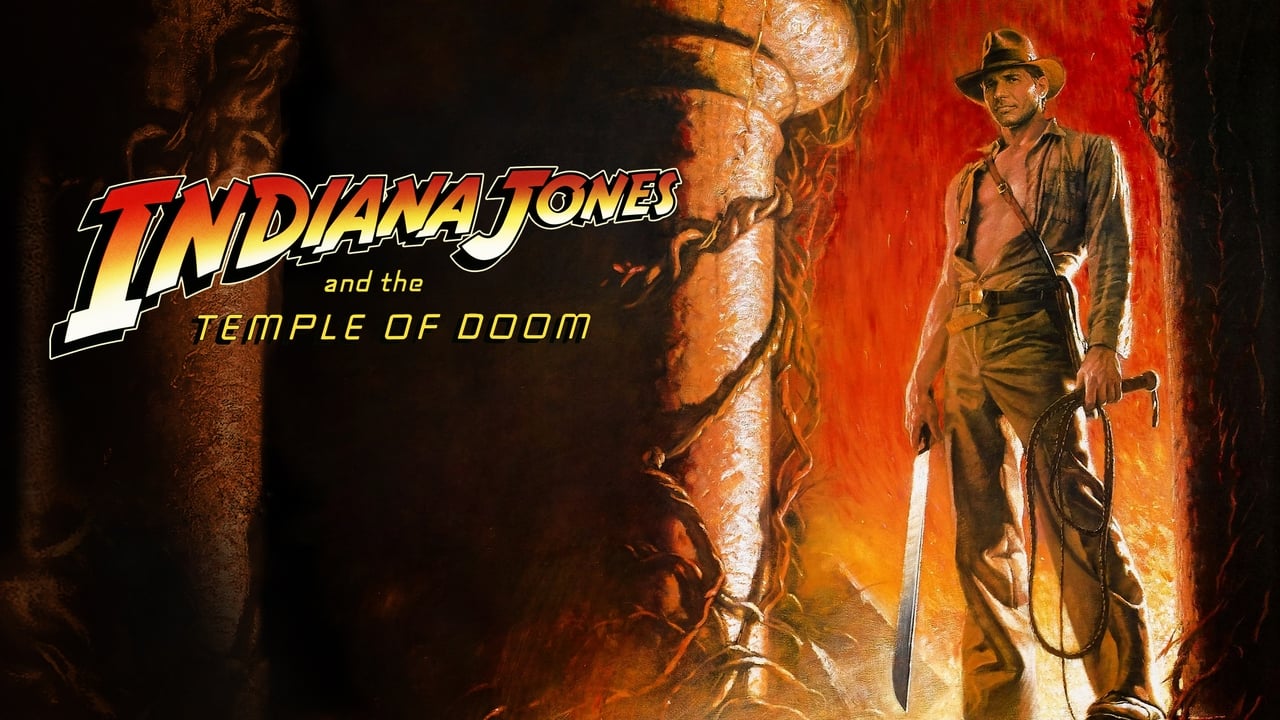
Okay, pop that tape in the VCR, adjust the tracking just so, and settle in. Forget the Raiders March fanfare for a moment, because the opening notes of Indiana Jones and the Temple of Doom immediately signal something different. We’re plunged straight into a dazzling, Busby Berkeley-esque musical number in Shanghai’s Club Obi Wan – a gloriously unexpected start that quickly descends into pure, unadulterated chaos. This wasn't quite the Indy we met in Raiders, was it? This 1984 adventure felt… darker, faster, somehow more frantic, and boy, did it leave an impression back in the day.
### Anything Goes, Including the Kitchen Sink
Directed once again by the maestro Steven Spielberg, from a story hatched by George Lucas (reportedly during a period of personal upheaval for both men, which might explain the mood shift), Temple of Doom throws caution, logic, and sometimes good taste to the wind. It’s actually a prequel, set a year before the events of Raiders of the Lost Ark, though you’d be forgiven for forgetting amidst the whirlwind. After a poison-and-antidote scramble involving gangsters and a diamond, Dr. Jones (Harrison Ford, effortlessly embodying rugged charm even in a white tuxedo), finds himself escaping Shanghai aboard a doomed cargo plane. His companions? The perpetually distressed lounge singer Wilhelmina "Willie" Scott (Kate Capshaw) and his fiercely loyal young sidekick, Short Round (Ke Huy Quan, in a star-making debut bursting with energy).
Their unplanned landing in rural India sets the stage for the main event: villagers pleading for help retrieving their sacred Sankara Stone and kidnapped children from the opulent but sinister Pankot Palace. What follows is less archaeological dig and more descent into a subterranean nightmare ruled by the terrifying Thuggee cult leader, Mola Ram (Amrish Puri, truly chilling). Forget Nazis; we've got heart-ripping rituals, enslaved children, and dinner courses that likely sent many a younger viewer hiding behind the sofa. I distinctly remember the collective gasp in the living room during that dinner scene – monkey brains, anyone?
### Spectacle Over Story, But What Spectacle!
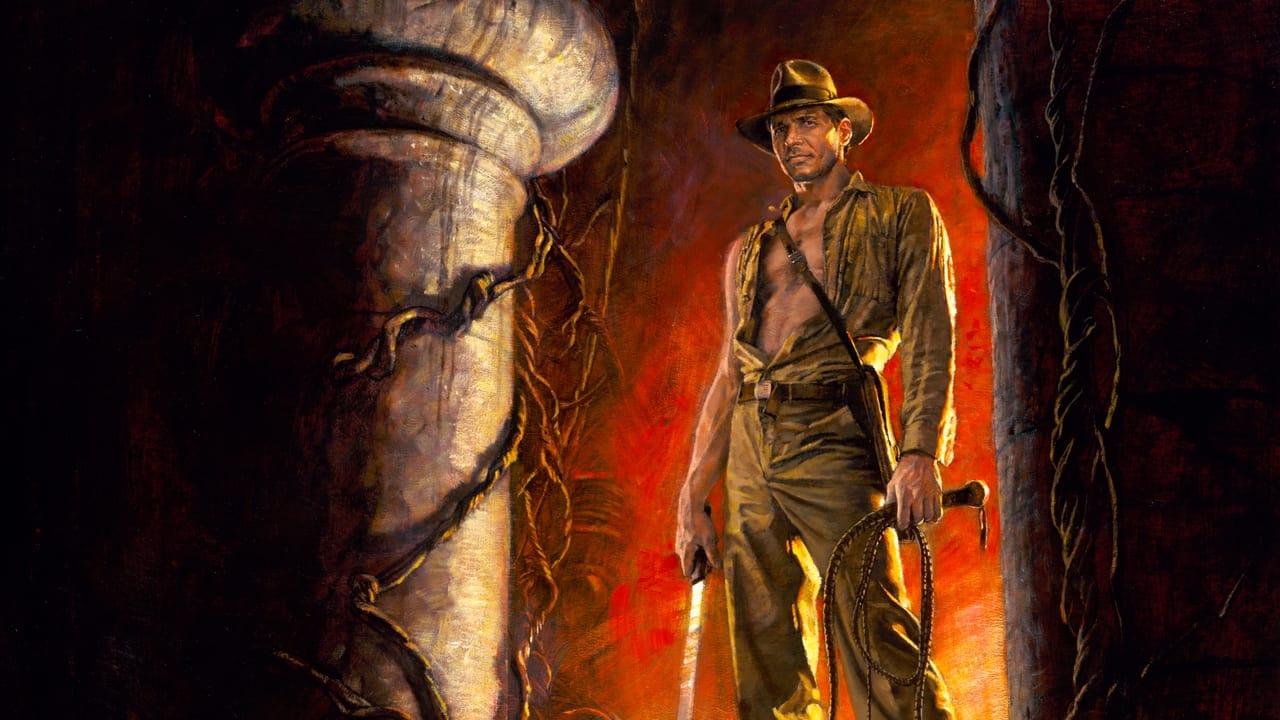
Let's be honest, the script by Willard Huyck and Gloria Katz (who also collaborated with Lucas on American Graffiti) prioritizes breakneck pacing and set pieces over the tighter plotting of its predecessor. Willie Scott, often criticized as shrill or a damsel-in-distress stereotype, can be a divisive character. While Kate Capshaw certainly committed to the physical comedy and the screaming, Willie lacks the fiery independence of Marion Ravenwood. Yet, viewed through the lens of 80s adventure tropes and the film's almost slapstick approach to peril at times, she serves her purpose as the audience's (often terrified) surrogate. And the dynamic between Indy and the resourceful Short Round is genuinely heartwarming – their bond feels authentic, adding a necessary emotional anchor.
But where Temple of Doom truly shines, cementing its place in VHS history, is in its sheer, jaw-dropping spectacle. Spielberg orchestrates action sequences with unparalleled energy. The escape from Club Obi Wan, the harrowing raft ride down a Himalayan mountain (after jumping from a plane!), the claustrophobic bug-filled tunnel (Capshaw reportedly needed serious convincing for this scene, understandably!), and of course, the legendary mine cart chase. That sequence alone – a breathtaking blend of miniatures, clever camera work, and full-scale sets built across multiple soundstages at Elstree Studios – remains a masterclass in practical effects wizardry and kinetic filmmaking. It’s the kind of scene that made you rewind the tape again and again, just to try and figure out how they did it.

### Retro Fun Facts & Lasting Ripples
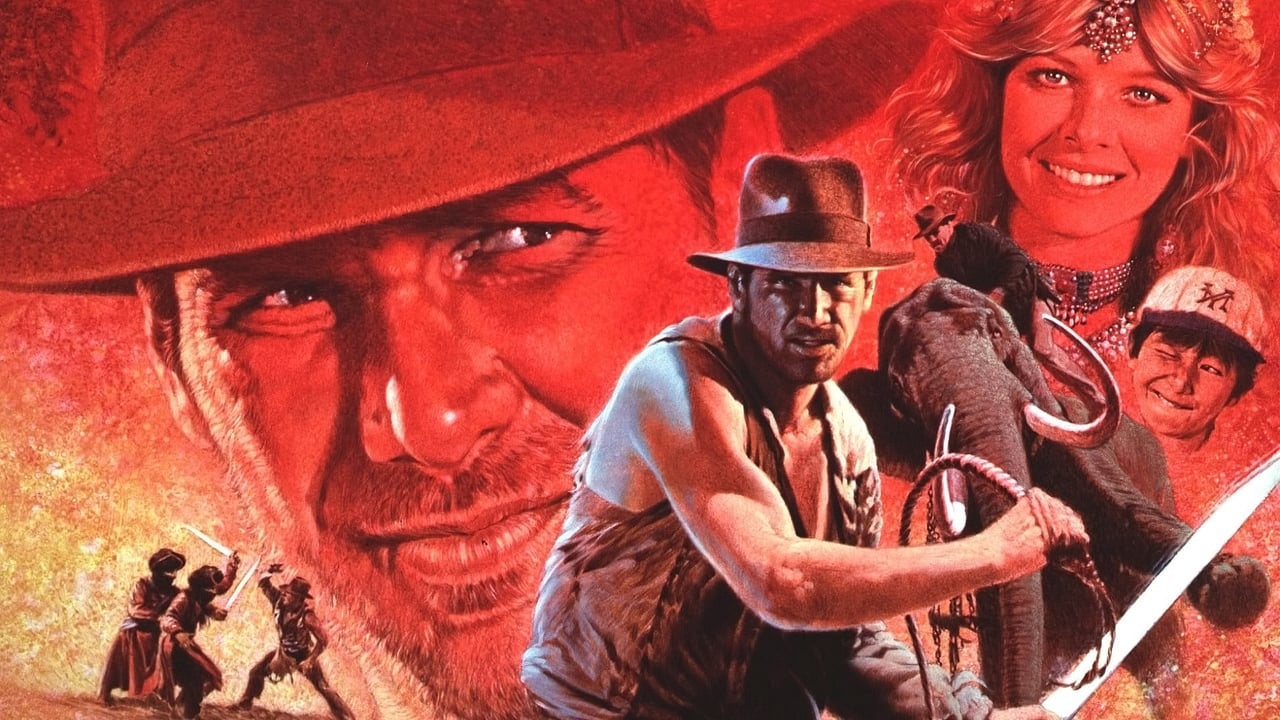
Temple of Doom wasn't just a thrilling ride; it literally changed the movies. Its intense violence and scary themes (human sacrifice, child slavery, those bugs!) courted significant controversy upon release. Alongside Gremlins (released the same summer, funnily enough, also produced by Spielberg!), the backlash led directly to the Motion Picture Association of America (MPAA) creating the PG-13 rating. Before this film, your choices were basically PG or R! It's a fascinating piece of film history born from Pankot Palace's dark rituals.
Despite the controversies and some critical reservations about its tone compared to Raiders, the film was a box office behemoth, pulling in over $333 million worldwide against its $28 million budget. Audiences clearly craved Indy's brand of adventure, even served darker. Ke Huy Quan's infectious performance launched his beloved 80s career (leading straight into The Goonies the following year), and the film’s relentless action heavily influenced adventure movies for years to come. Even the film's score by the indispensable John Williams feels distinct – darker, more ominous, but still punctuated by moments of soaring heroism.
### Final Verdict
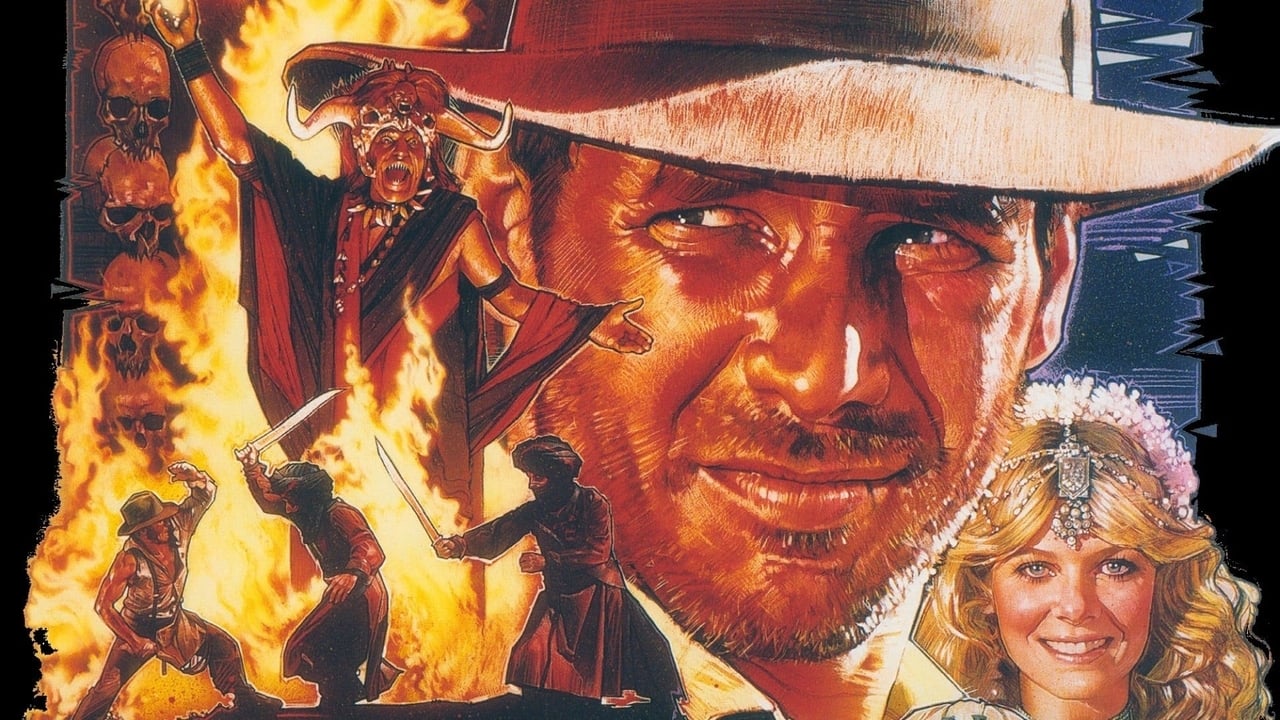
Indiana Jones and the Temple of Doom is undeniably the odd duck of the original trilogy. It’s messier, meaner, and occasionally sillier than its predecessor. The portrayal of India is certainly viewed through a very specific, pulpy 1930s adventure lens that hasn't aged perfectly. Yet, its relentless energy, iconic set pieces (that bridge climax!), groundbreaking practical effects, and the sheer commitment of its cast make it an unforgettable, visceral experience. It might not be the best Indy film, but it’s arguably the most intense adventure of the initial trio, a rollercoaster ride fueled by Kali-Ma chants and pure adrenaline.
Rating: 8/10 – While the tonal shifts and Willie Scott's characterization might grate slightly more now, the film remains a stunning piece of action filmmaking. The mine cart chase alone bumps the score, delivering pure, unadulterated cinematic thrill that defined blockbuster entertainment in the 80s. It’s a darker, wilder ride, but undeniably Indy.