Okay, fellow adventurers, gather 'round the flickering glow of the metaphorical CRT. Remember that feeling in the mid-90s when syndicated television was brimming with possibilities? Before the full-blown phenomenon of Hercules: The Legendary Journeys took over our screens, there was the Universal Action Pack – a bold experiment dropping feature-length pilots, testing the waters for new weekly series. And right there, flexing its potential, was 1994's Hercules and the Lost Kingdom. This wasn't just another movie rental; it felt like witnessing the birth of something, a promise of mythic quests beamed directly into our homes.
### A Hero Finds His Sandals
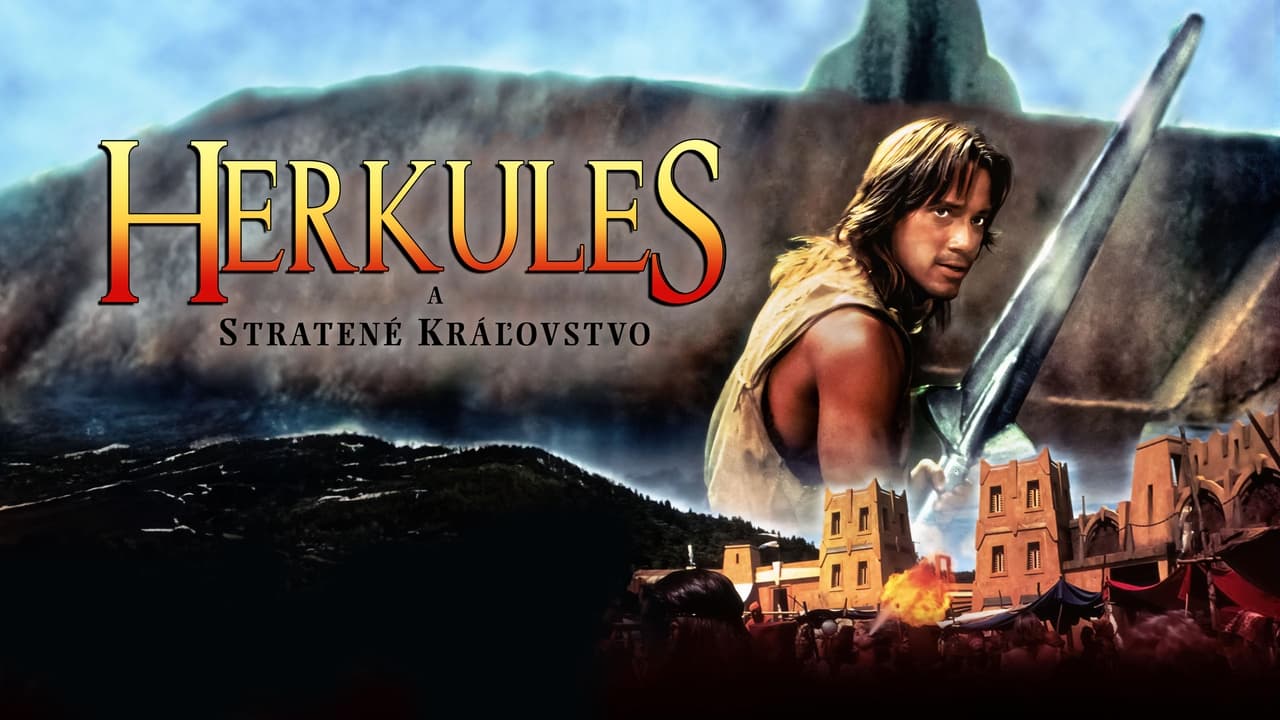
This second of five initial Hercules TV movies sees our favorite demigod, played with burgeoning charm by Kevin Sorbo, embarking on a quest that feels classic yet refreshingly grounded compared to some later series antics. When a distressed messenger reveals people are mysteriously vanishing, Hercules discovers the lost city of Troy is somehow involved, now ruled by a vengeful Hera cult. His mission: find the city, rescue the captives, and maybe punch a few monsters along the way. Directed by Harley Cokeliss, who already had genre cred with films like Black Moon Rising (1986) and the underrated Rutger Hauer actioner Malone (1987), the film sets a template: a capable hero, a clear quest, and a distinctly 90s blend of action and fantasy.
Kevin Sorbo truly starts to settle into the role here. While the first TV movie, Hercules and the Amazon Women, introduced him, Lost Kingdom lets him showcase more of the easygoing charisma and wry humor that would define his portrayal. He wasn't the brooding muscleman of past interpretations; Sorbo's Herc felt approachable, like a genuinely good guy who just happened to possess godly strength. It was a smart move, making the character relatable even amidst the fantastical elements. It’s fascinating to watch him solidify the character that would soon become a global sensation.
### Before Xena, There Was Deianeira
One of the absolute joys of revisiting Lost Kingdom is seeing a pre-Xena Renée O'Connor. Here, she plays Deianeira, a spirited young woman initially resistant to Hercules but eventually becoming his companion and romantic interest on this specific quest. Forget Gabrielle's bō staff and earnest loyalty for a moment; O'Connor imbues Deianeira with a fiery independence that’s captivating in its own right. There's a definite spark between her and Sorbo, and watching their dynamic unfold is a treat, knowing the different path O'Connor's career would soon take alongside Lucy Lawless in the Hercules spin-off, Xena: Warrior Princess. It's a fantastic bit of "before they were stars" viewing.
And let's not forget the sheer gravitas brought by the legendary Anthony Quinn reprising his role as Zeus. Appearing in ethereal, fatherly visions, Quinn lends an immediate weight and legitimacy to the proceedings. Getting an actor of his stature (an Oscar winner for Viva Zapata! (1952) and Lust for Life (1956)) for these TV movies was a significant coup, adding a touch of old Hollywood class to the burgeoning syndicated universe. His presence signaled that this wasn't just low-budget fantasy fluff; there was ambition here.

### Kiwi Landscapes and TV Budgets
Filmed back-to-back with the other initial Hercules movies in the stunning landscapes of New Zealand (long before Peter Jackson made it synonymous with Middle-earth), Lost Kingdom certainly benefits from its scenic backdrop. The lush forests and dramatic coastlines provide a convincing stand-in for mythical Greece. Sure, you can sometimes feel the constraints of the television budget – the effects are charmingly practical, the monster encounters might feel a little brief – but there's an earnestness to it all. Director Cokeliss makes the most of his resources, focusing on solid action choreography and character moments over expensive, sprawling set pieces.
Think about it: these films were essentially high-stakes bets by Universal to launch syndicated programming. They had to look decent, tell a complete story, and, most importantly, make audiences want more. Hercules and the Lost Kingdom, along with its brethren, absolutely succeeded. They proved there was a massive appetite for this kind of lighthearted fantasy adventure, paving the way for six seasons of Hercules and the equally successful Xena. Its IMDb score might sit at a modest 6.1/10, but its impact far outweighs that number.
### The Foundation Stone of a Legend
While perhaps not as polished or zany as the weekly series would become, Hercules and the Lost Kingdom is essential viewing for understanding the origins of that 90s fantasy TV boom. It has heart, decent action, and the key ingredients that made the subsequent series work: Sorbo's winning portrayal, mythological roots treated with adventurous fun, and that unmistakable New Zealand scenery. It successfully established the tone and template, offering a complete, satisfying adventure while leaving you eager for Hercules' next legendary journey.
Rating: 7/10
This rating reflects its crucial role as a successful pilot and a genuinely enjoyable slice of 90s fantasy television. It perfectly captured the spirit needed to launch a beloved series, introduced key players (both in front of and behind the camera, many crew members transitioned to the series), and provided a solid couple of hours of heroic adventure. It might feel modest compared to today's epics, but its charm and historical importance in the syndicated TV landscape are undeniable. For fans of the era, it's like finding a treasured map – it points the way to even greater adventures that followed.