Okay, fellow tapeheads, dim the lights, maybe adjust the tracking slightly in your mind's eye, and let's talk about a slice of pure, unadulterated 80s fantasy that hit video store shelves with the force of a flung broadsword projectile: 1982's The Sword and the Sorcerer. Forget Conan's brooding stoicism for just a moment. In the glorious sword & sorcery boom sparked that same year, there strode another hero, Talon, armed not just with roguish charm but with a blade that defied all sensible weapon design. This film wasn't subtle, it wasn't particularly deep, but man, was it fun.
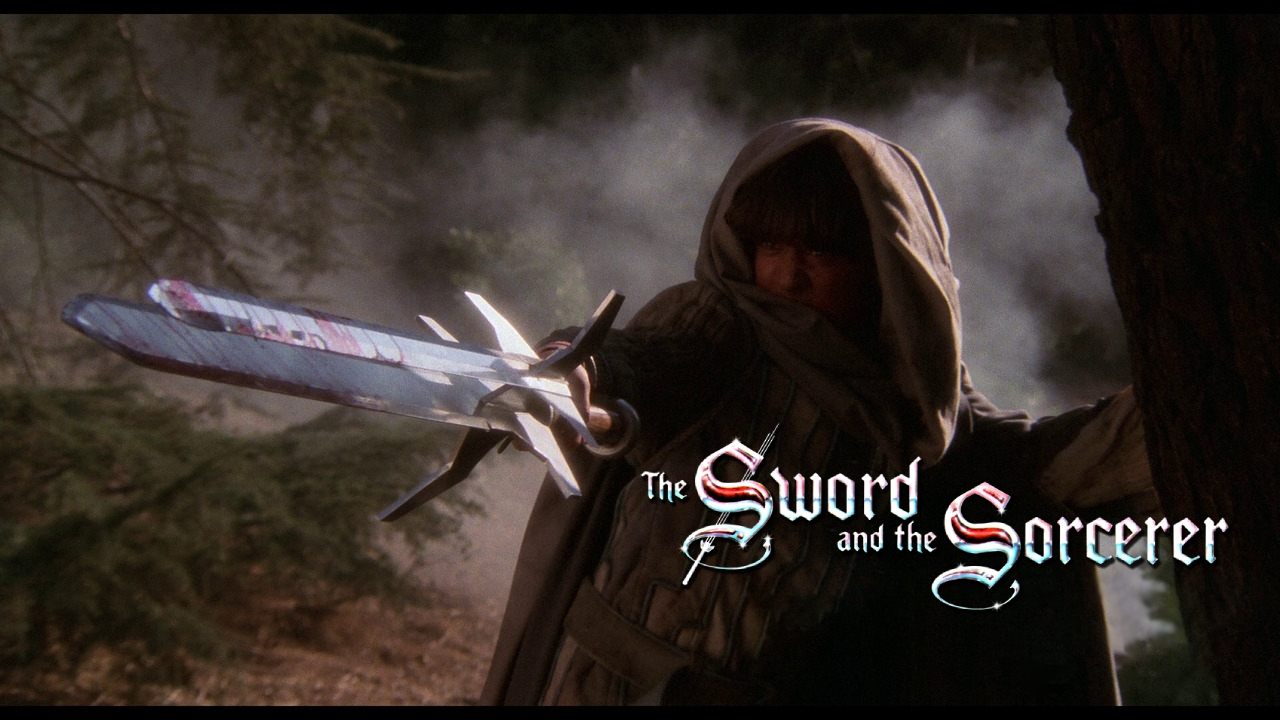
Finding this tape back in the day felt like uncovering forbidden treasure. The cover art promised dark magic, gleaming steel, and maybe a damsel in distress – and director Albert Pyun, in his feature debut, delivered exactly that, albeit with a scrappy, B-movie energy that was utterly infectious. This was the kind of movie you rented on a Friday night, popped in after the parents went to bed, and felt like you were getting away with something.
### A Hero with a Trick Up His Sleeve (Literally)
Our hero is Talon, played with infectious swagger by Lee Horsley. He’s less a stoic barbarian and more a swashbuckling mercenary, quick with a quip and even quicker with his absolutely bonkers triple-bladed sword. Let’s just pause and appreciate that weapon. A sword that could launch its side blades as projectiles? It’s gloriously absurd, the kind of thing only the 80s could dream up and commit to film with such earnestness. I vividly remember rewinding the tape just to see those blades thwip out again. How did they even achieve that effect practically back then? Likely a mix of clever editing, spring-loaded props, and maybe a bit of wire work, but on that fuzzy CRT screen, it looked ridiculously cool.
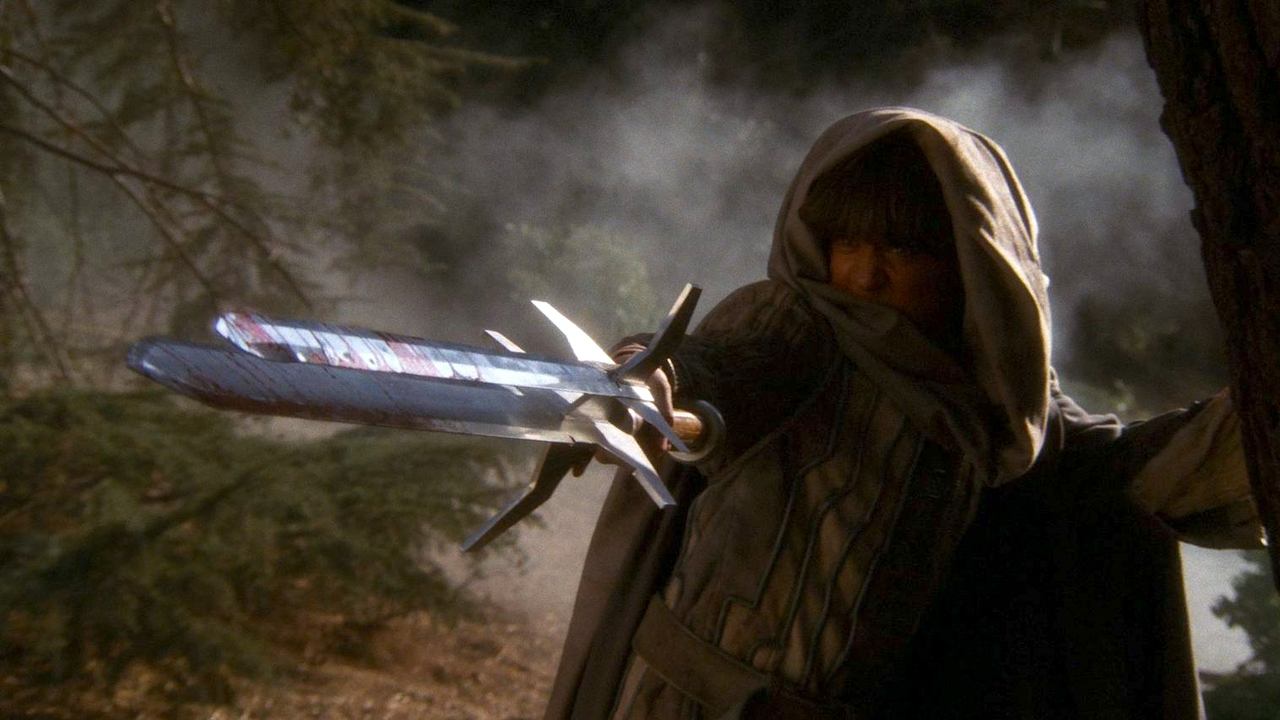
The plot is classic revenge fantasy: the tyrannical King Cromwell (Richard Lynch, bringing his signature chilling intensity) conquers the kingdom of Ehdan, aided by the resurrected, decomposing sorcerer Xusia (Richard Moll, yes, Bull from Night Court!). Young Talon escapes the massacre of his family and vows vengeance. Years later, he returns as a seasoned warrior, gets entangled in a rebellion led by the rightful princess, Alana (Kathleen Beller), and generally causes mayhem for Cromwell's forces.
### Raw, Pulpy, Practical Mayhem
What really makes The Sword and the Sorcerer sing, especially viewing it through a nostalgic lens, is its commitment to gritty, practical action. This was Albert Pyun cutting his teeth, showing the flair for kinetic, low-budget spectacle that would define much of his career (think Cyborg (1989) or Nemesis (1992)). Forget smooth, weightless CGI battles; here, the sword fights feel clunky and dangerous in the best way. You see stunt performers taking real falls, sparks flying from actual metal (or convincingly painted plastic), and squibs erupting with satisfyingly messy bursts of stage blood. Remember how real those impacts felt back then?
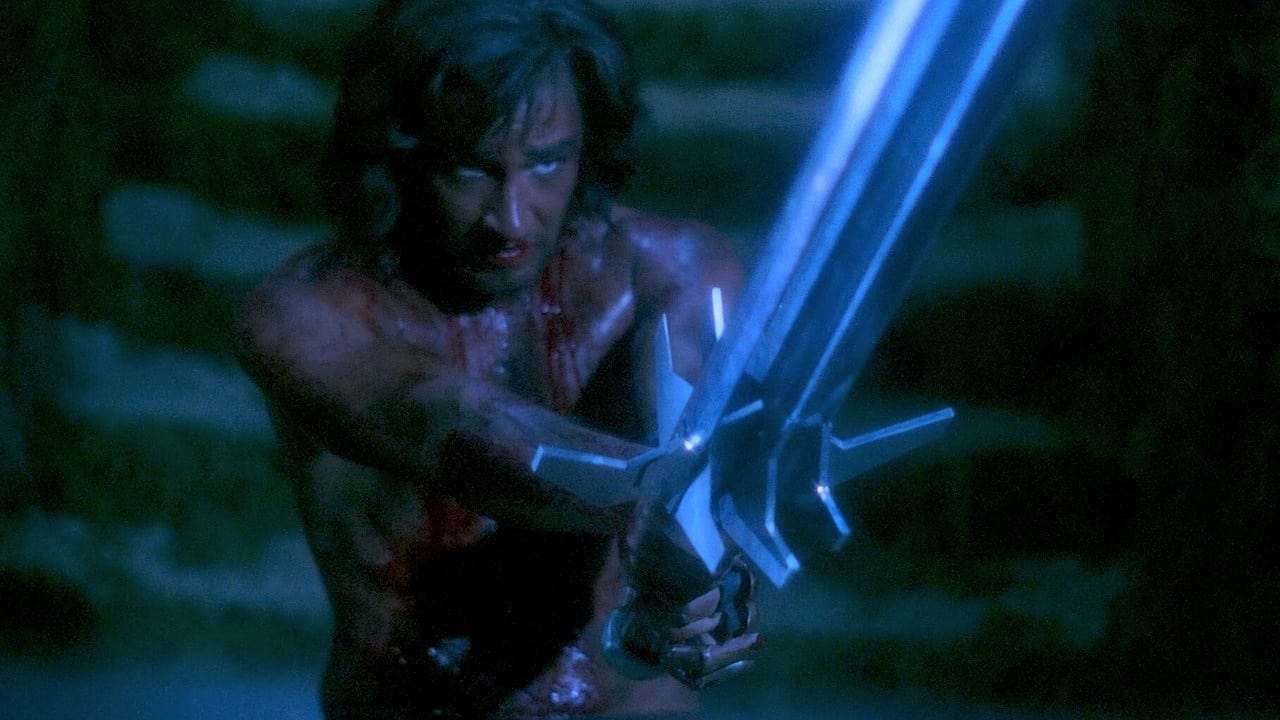
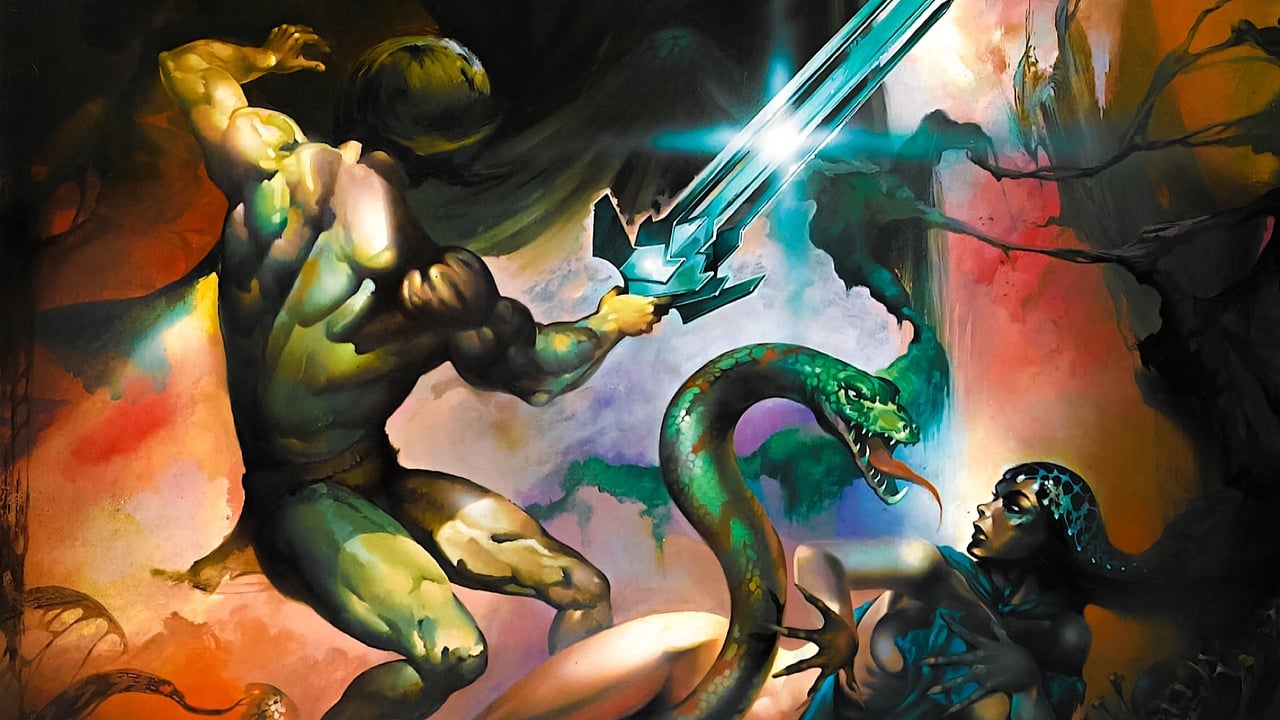
There’s a certain raw energy here that modern, digitally-smoothed action often lacks. The film revels in its R-rating, offering up impalements, gruesome makeup effects for Xusia’s decay (courtesy of the legendary John Carl Buechler, who'd later direct Friday the 13th Part VII), and a generally mean streak that felt quite potent compared to more sanitized fantasy fare. There's even a delightfully weird sequence involving Talon navigating a crucifixion maze – pure pulp fantasy invention.
It’s fascinating to learn this was made for around $4 million but pulled in nearly $40 million domestically. That's roughly $12.5 million turning into $122 million in today's money! Audiences were clearly hungry for this kind of R-rated fantasy adventure, even if critics at the time were somewhat dismissive. It tapped into something primal and fun, hitting that sweet spot between epic scope (suggested, if not always shown) and down-and-dirty action. It wasn't trying to be high art; it was trying to be a blast, and largely succeeded.
### More Than Just Muscles and Magic
While Horsley carries the film with undeniable charisma, the supporting cast adds flavor. Richard Lynch as Cromwell is genuinely menacing, a cold and calculating tyrant who makes a perfect foil for Talon’s bravado. Simon MacCorkindale (of Manimal fame!) appears as Prince Mikah, Alana's brother, adding another layer to the rebellion plot. And Richard Moll's Xusia, buried under layers of latex, provides the requisite creepy sorcery threat, even if his motivations are standard "evil wizard" stuff.
The score by David Whitaker is suitably bombastic, hitting all the right heroic and ominous notes. It might not be Basil Poledouris's iconic Conan score (released the same year!), but it gets the job done, amplifying the onscreen action effectively. The production design might look a bit like repurposed sets at times, and the dialogue occasionally dips into pure cheese, but it all contributes to the film's undeniable charm. It feels hand-made in a way few big genre films do today.
### The Verdict
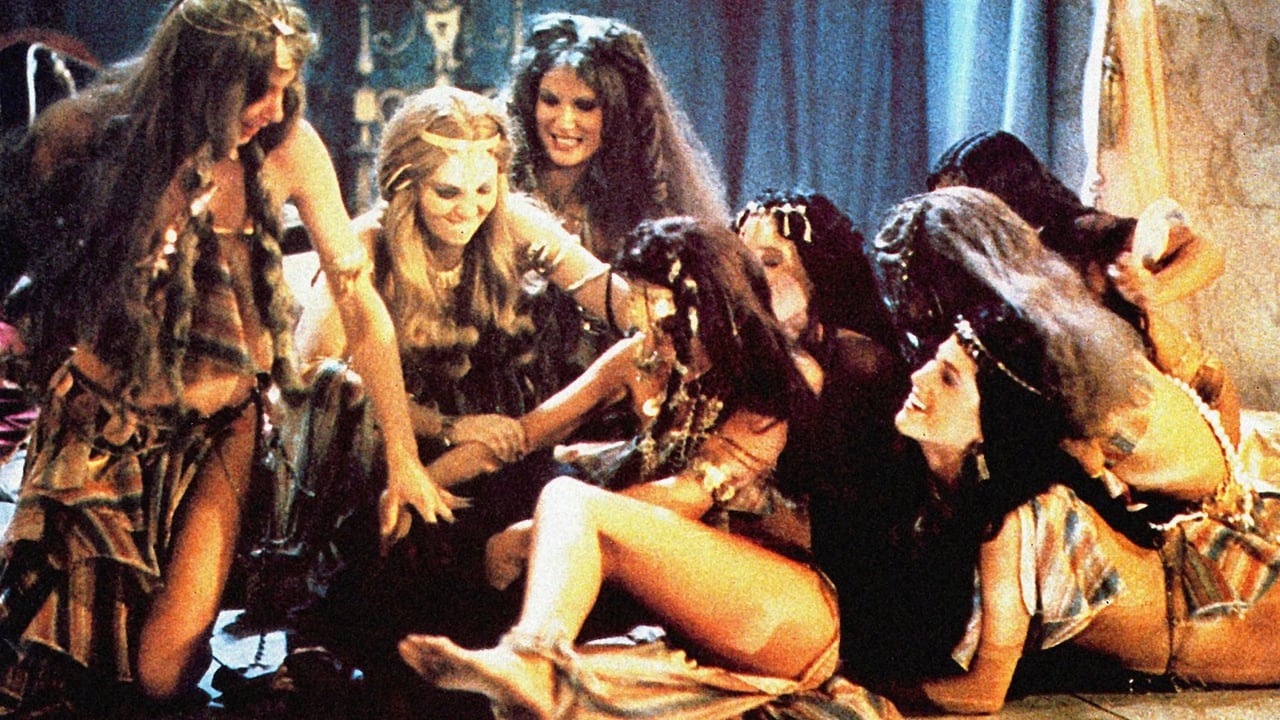
The Sword and the Sorcerer isn't a flawless masterpiece. Its pacing can be uneven, some performances veer into camp, and the plot relies heavily on fantasy tropes. But viewed as a product of its time – a scrappy, ambitious, and surprisingly successful slice of early 80s fantasy filmmaking – it’s a joy. It wears its pulp heart on its sleeve, delivering sword fights, sorcery, and a hero who's just plain fun to watch. That Triple Sword alone is worth the price of admission (or the imaginary rental fee).
Rating: 7/10 - The score reflects its standing as a highly entertaining cult classic. It hits the nostalgic sweet spot with its practical effects, charismatic lead, and pure B-movie energy, even with its obvious budgetary limitations and dated elements. It delivers exactly what it promises on the battered VHS box.
Final Thought: In an era before digital polish smoothed over every rough edge, The Sword and the Sorcerer remains a gloriously gritty testament to practical effects, pulpy storytelling, and the sheer audacity of giving your hero a sword that shoots other swords. Still a ridiculously fun watch after all these years.