Some bargains are struck not in bustling marketplaces, but in hushed, shadowed rooms, sealed with desperate whispers rather than signatures. Firelight, the 1998 directorial debut from acclaimed writer William Nicholson (who would later pen epics like Gladiator), opens with such a stark, almost chillingly pragmatic arrangement. It immediately sets a tone not of grand historical sweep, but of intimate, deeply personal stakes played out against the imposing backdrop of 19th-century England. This isn't your typical Austen-esque courtship drama; it delves into something far more complex and emotionally raw.
A Pact Forged in Shadow
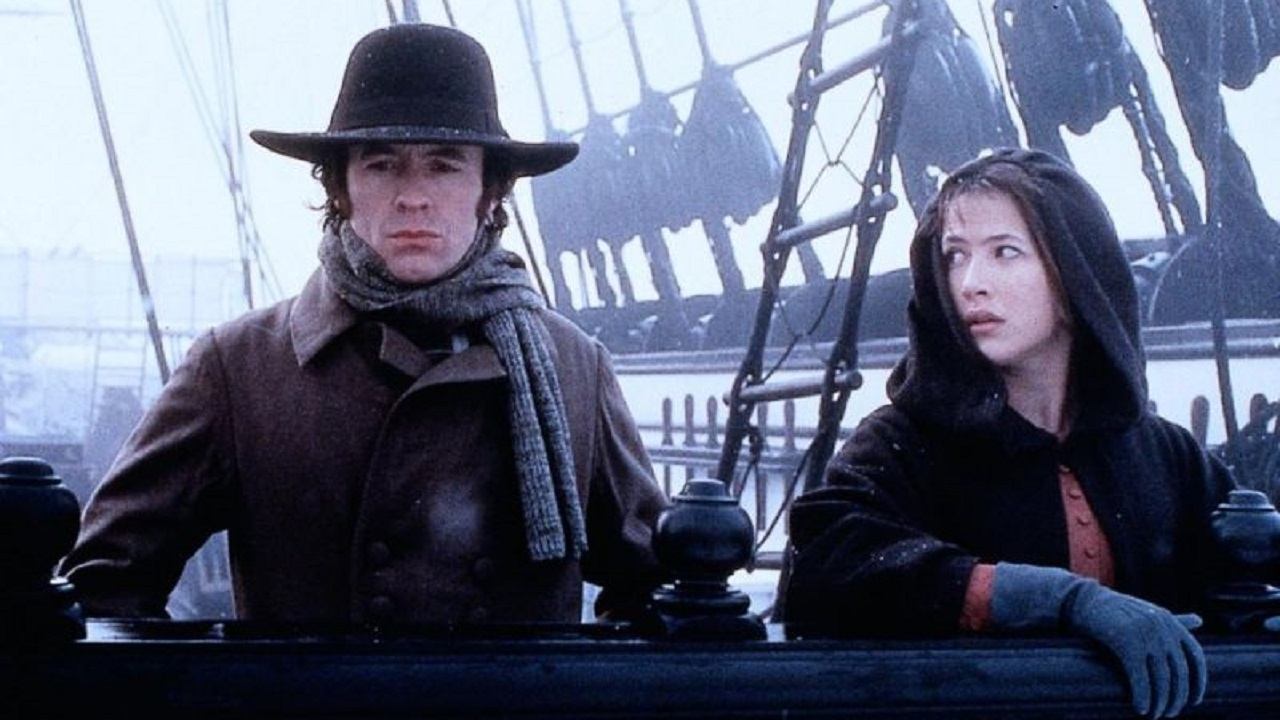
The premise is stark, almost scandalous for its time: Elisabeth Laurier (Sophie Marceau), a fiercely intelligent Swiss woman burdened by her father's debts, agrees to anonymously bear a child for a wealthy, stoic English landowner, Charles Godwin (Stephen Dillane). The transaction is conducted with minimal sentiment – three nights together, a child conceived, payment rendered, and a vow of eternal separation. It’s a premise that immediately forces uncomfortable questions about commodification, desperation, and the lengths one might go to for survival or legacy. Watching it again now, years after first finding it tucked away on a video store shelf likely near Merchant Ivory classics, the boldness of that opening still resonates.
Seven years pass. Driven by an unquenchable maternal longing, Elisabeth tracks down her daughter, Louisa (Dominique Belcourt), living on a remote, emotionally frozen Sussex estate. She cleverly secures the position of governess, entering the household of the very man whose life she irrevocably altered, though neither initially recognizes the other's true connection. What unfolds is a slow-burn story of secrets, repressed desires, and the painful, tentative thawing of frozen hearts.
Sussex Secrets and Smoldering Embers
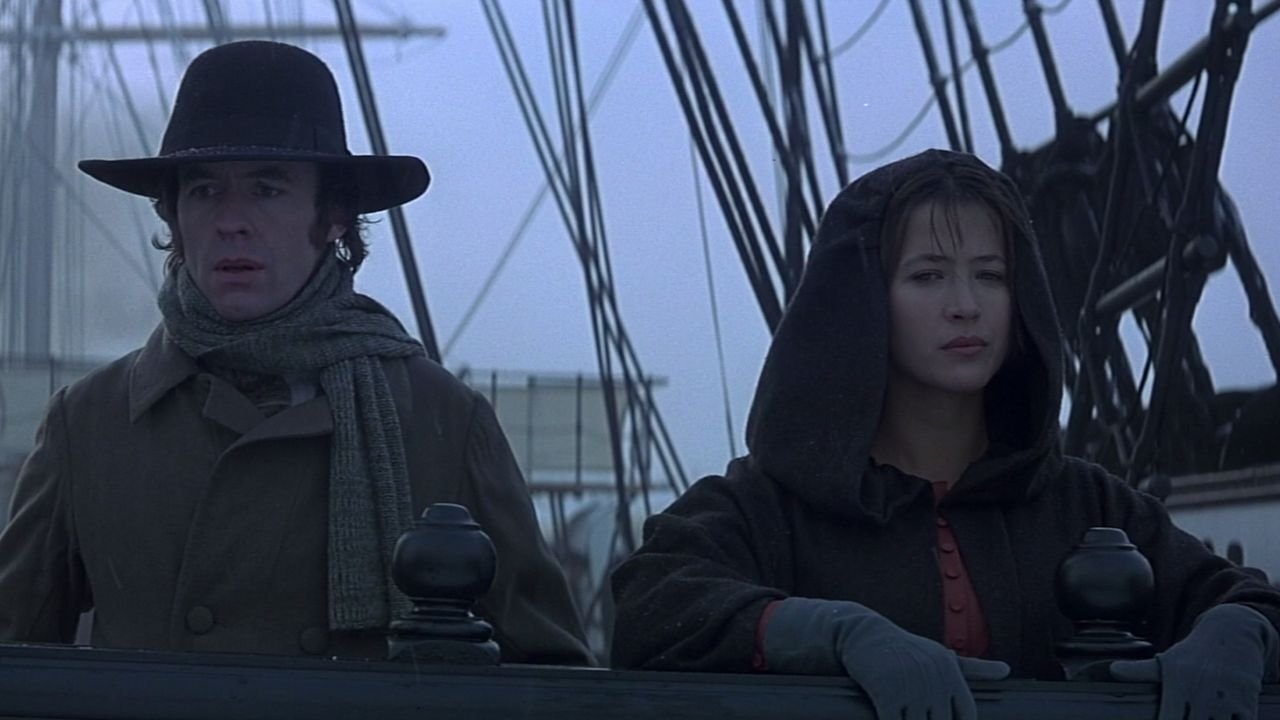
William Nicholson, stepping behind the camera for the first time, brings a writer's sensibility to the direction. The film is less concerned with elaborate plotting than with internal landscapes. He uses the setting – the isolated grandeur of Firle Place in Sussex serving as the primary filming location – to mirror the emotional isolation of the characters. Cinematographer Nic Morris masterfully utilizes natural light, particularly the titular firelight and candlelight, creating scenes steeped in shadow and intimacy. The atmosphere is thick with unspoken words, lingering glances, and the oppressive weight of societal expectation. It’s a film that feels cold, even as embers of passion begin to glow beneath the surface.
It's fascinating to remember that Firelight's journey to viewers wasn't straightforward. Reportedly intended for a wider theatrical release via Miramax, it ended up premiering on Hallmark Hall of Fame television in the US after disagreements following Disney's acquisition of Miramax. This might explain why, for many of us, discovering Firelight felt like uncovering a hidden gem on VHS or cable, rather than experiencing it as a major cinema event. That slightly unconventional path perhaps adds to its cult appeal among fans of thoughtful period drama.

The Weight of Performance
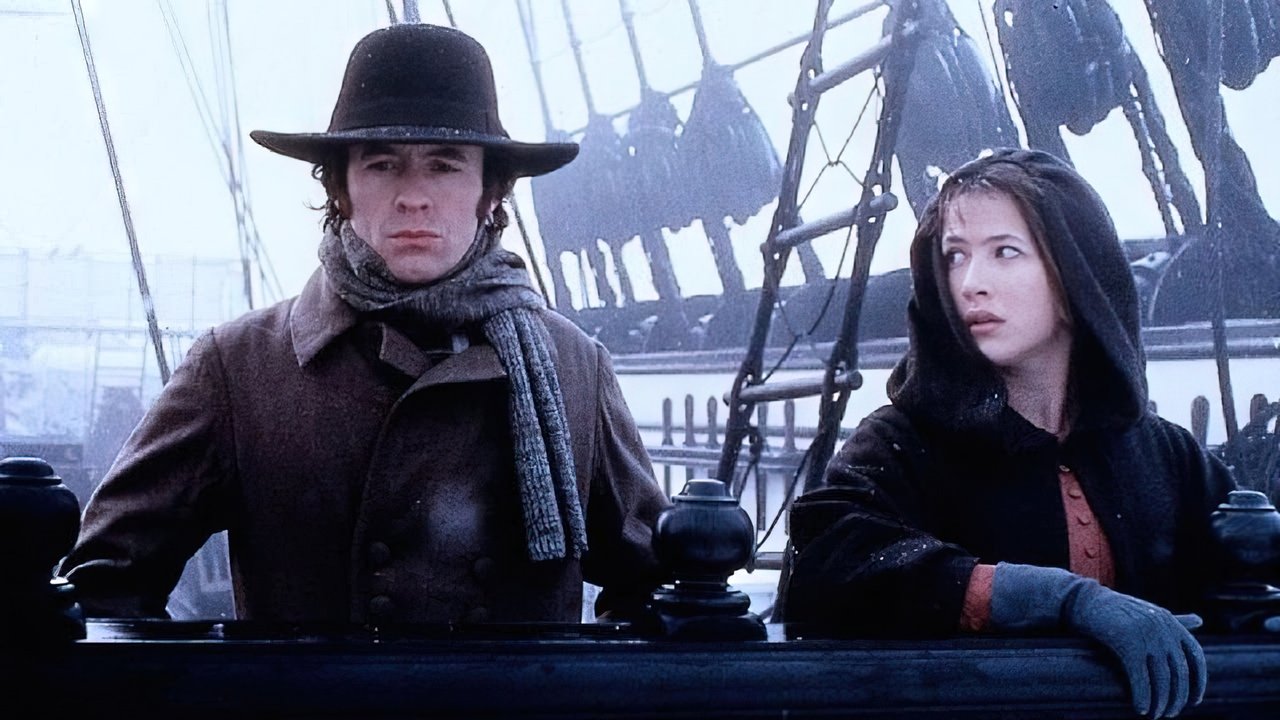
The film rests heavily on the shoulders of its two leads, and they carry it with remarkable grace and intensity. Sophie Marceau, already an international star thanks to films like Braveheart (1995), is captivating as Elisabeth. She embodies a compelling mix of vulnerability, intelligence, and fierce maternal resolve. You see the constant calculation behind her eyes, the pain of separation warring with the hope of connection. Her portrayal avoids easy sentimentality; Elisabeth's love for Louisa feels primal and undeniable.
Stephen Dillane, an actor whose mastery of nuance would later gain wider recognition in shows like Game of Thrones, is equally brilliant as Charles Godwin. He presents a man almost entirely encased in ice – duty-bound, emotionally repressed, haunted by his wife's condition (she resides in the house, incapacitated after an accident). Dillane conveys Charles's internal turmoil through the subtlest shifts in expression, the tightening of his jaw, the flicker of warmth that Elisabeth slowly ignites. The chemistry between Marceau and Dillane is palpable, built not on overt declarations but on charged silences and stolen moments. Young Dominique Belcourt also deserves mention for her challenging role as Louisa, initially resistant and hostile towards the newcomer governess.
Beyond the Corsets
What elevates Firelight beyond a simple forbidden romance is its exploration of deeper themes. It scrutinizes the rigid societal structures that confined women, the complexities of motherhood born from unconventional circumstances, and the very nature of love and connection. Can a bond forged in a transaction transform into genuine affection? What defines a family? The film doesn't offer easy answers, preferring to let the emotional currents play out with quiet authenticity. It makes you ponder the sacrifices made, not just by Elisabeth, but by Charles as well, trapped within his own gilded cage.
There aren’t grand action sequences or dazzling special effects here – this is character-driven drama, pure and simple. The "effects" are the emotional sparks generated by the actors, the atmosphere conjured by the direction and cinematography. Remembering watching this on a CRT television, the flickering firelight scenes probably felt even more immersive, drawing you into those shadowed rooms alongside the characters.
Rating: 8/10
This rating reflects the film's exceptional performances, particularly from Marceau and Dillane, its beautifully rendered atmosphere, and its thoughtful exploration of complex emotional territory. William Nicholson's direction is assured, creating a mood piece that lingers long after the credits roll. While some might find the pacing deliberately measured, this deliberation serves the story, allowing the unspoken emotions to build. It’s a film that rewards patience and empathy, standing as a testament to the power of quiet intensity.
Firelight remains a beautifully crafted, emotionally resonant period drama from the late 90s. It’s a film that perhaps didn't shout from the rooftops upon release but continues to glow warmly in the memories of those who discovered its quiet fire. It leaves you contemplating the enduring power of connection, even when born from the most unlikely, and perhaps coldest, of beginnings.