Where does the spark of creation ignite, and how close does it flicker to the flames of deep-seated psychological pain? It's a question that haunts the edges of artistic biography, but few films have dared to plunge into its murky depths with the unflinching, almost unbearable honesty of Terry Zwigoff's 1994 documentary, Crumb. Watching it again after all these years, pulling that well-worn tape from its sleeve (or, okay, maybe streaming it now, but the memory is VHS!), feels less like revisiting a film and more like unearthing a time capsule filled with raw nerves, uncomfortable truths, and the startling, often disturbing, art of Robert Crumb.
Beyond the Counter-Culture Icon
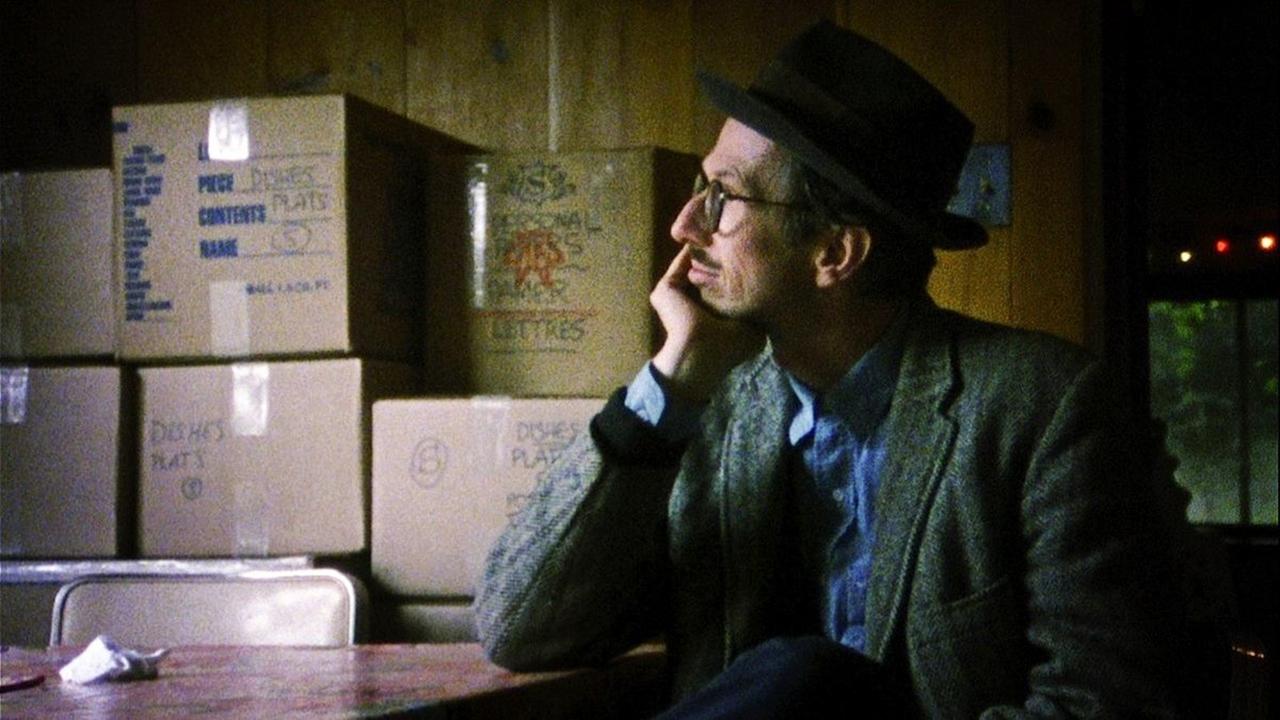
Many knew Robert Crumb as the progenitor of Fritz the Cat and Mr. Natural, a key figurehead of the underground comix movement whose work dripped with satire, visceral sexuality, and a kind of grotesque, exaggerated reality. His style was instantly recognizable, his influence undeniable. But Zwigoff, a friend of Crumb's, wasn't interested in merely crafting a hagiography of a counter-culture hero. Instead, he turned his camera toward the source, not just of the art, but perhaps of the artist himself: the Crumb family.
What unfolds is less a celebration and more an excavation. We spend significant time not just with Robert, who comes across as surprisingly thoughtful and self-aware amidst his own eccentricities, but with his brothers, Charles and Maxon. And it’s here the film transforms into something far more profound and unsettling.
The Ghosts in the Attic
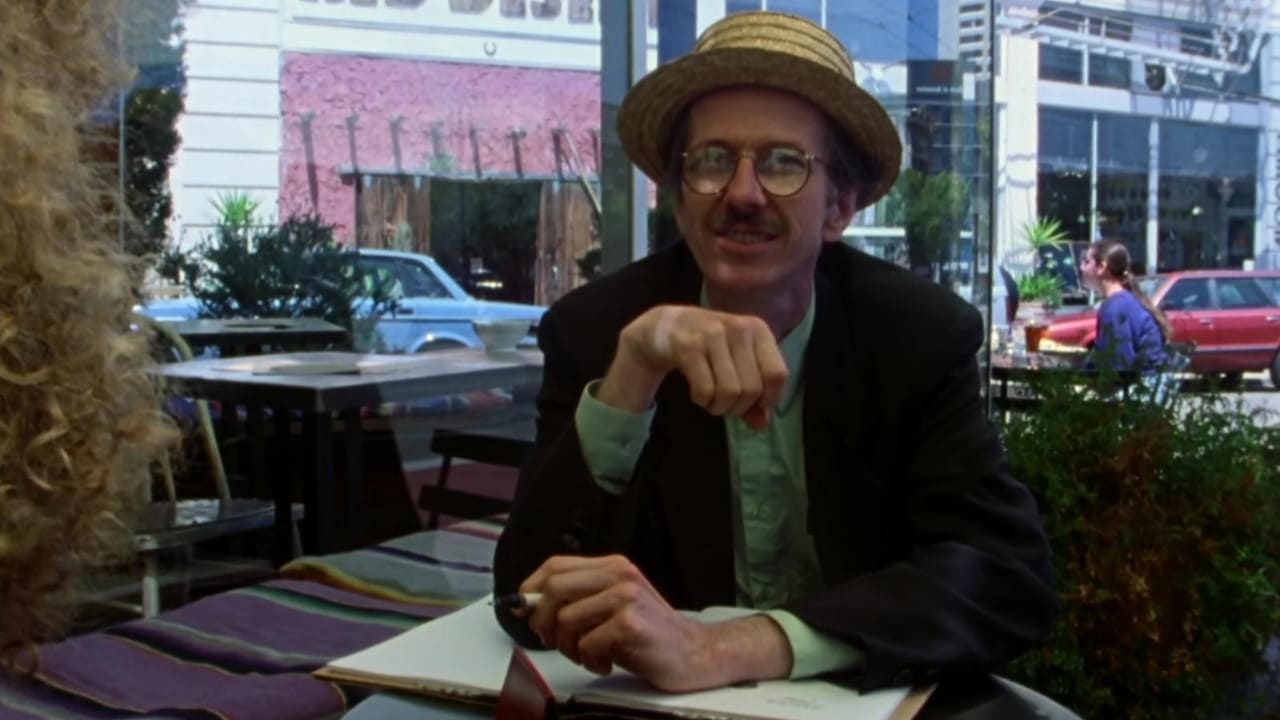
The sequences with Charles, Robert's older brother, are among the most haunting captured in documentary film. Brilliant, articulate, and profoundly mentally ill, Charles lives a hermit's existence with their mother. He rarely leaves his room, surrounded by books and memories, a gifted artist in his own right whose life seemingly stalled decades prior. His insights into their shared childhood, the pressures, the abuse, the strange alchemy that produced one famous artist and two brothers consumed by their inner demons, are delivered with a chilling lucidity. There's a palpable sense of waste, of potential tragically unrealized, that lingers long after the screen goes dark. I recall first seeing these scenes back in the 90s, likely rented from the 'Documentary' shelf at Blockbuster, and feeling stunned by their intimacy and raw power. It felt worlds away from slicker profiles.
Maxon, the younger brother, presents a different facet of the family's struggles. His life is marked by peculiar behaviors, seizures, and periods spent institutionalized, yet he continues to create his own intense, often disturbing art. His interactions with Robert are complex – a mix of fraternal affection, resentment, and shared understanding of a past that shaped them all in drastically different ways. Aline Kominsky-Crumb, Robert's wife and fellow artist, provides crucial grounding, offering both supportive partnership and sharp, necessary observations about Robert's work and psyche.

Zwigoff's Unflinching Gaze
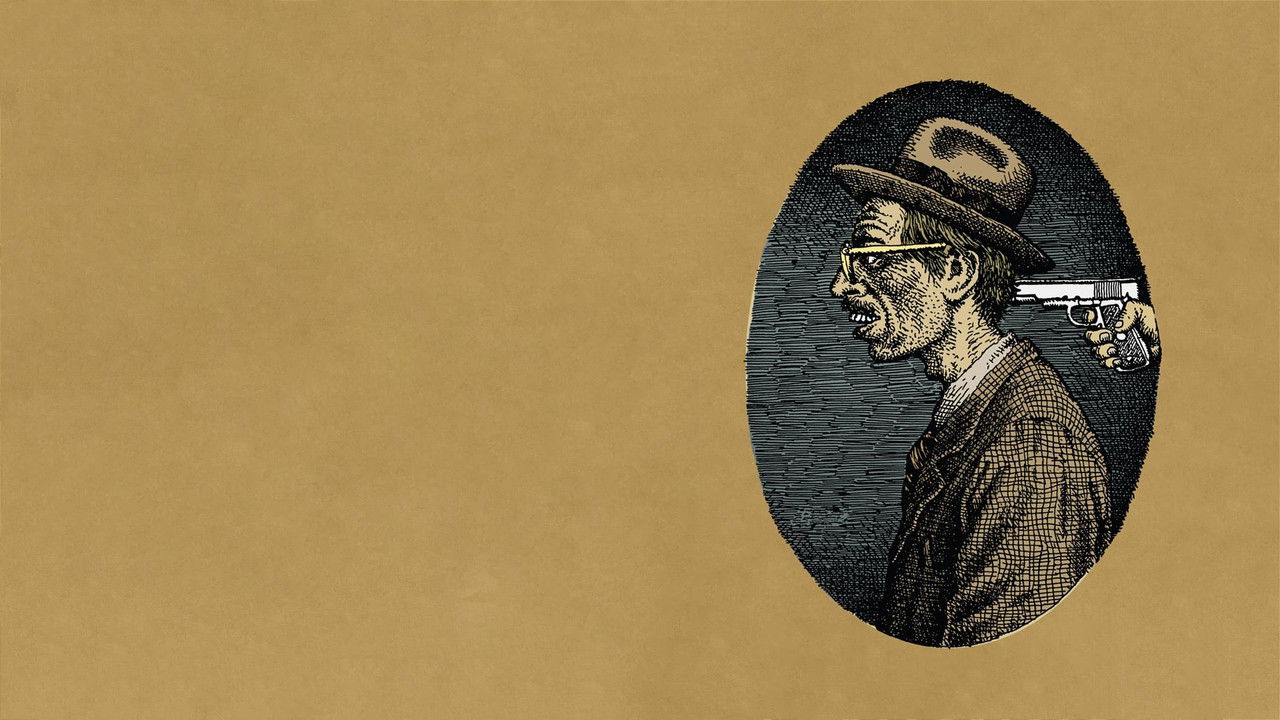
It's a testament to Terry Zwigoff's skill and persistence that Crumb even exists. He reportedly spent nearly a decade bringing the film to fruition, facing funding difficulties precisely because of its potentially disturbing and controversial subject matter. He doesn't shy away from the more problematic aspects of Robert Crumb's art – the often violent, racially charged, and misogynistic imagery. The film allows critics and Crumb himself to address these elements, leaving the viewer to grapple with the relationship between the artist's undeniable talent, his personal obsessions, and the often offensive nature of his output. Does the trauma explored within the family somehow excuse or merely explain the art? The film wisely offers no easy answers.
Zwigoff, who would later direct the wonderfully melancholic Ghost World (2001), brings a certain insider's empathy but maintains a crucial directorial distance. He lets the Crumbs speak for themselves, capturing moments of awkwardness, vulnerability, and unsettling candor. The simple, almost cinéma vérité style allows the subjects' personalities and the weight of their shared history to dominate. The way Zwigoff occasionally overlays Robert's drawings onto the screen, animating the anxieties and obsessions being discussed, is a particularly effective touch, bridging the gap between the inner life and the external reality.
The Legacy of Raw Honesty
Crumb wasn't just a documentary; it felt like an event upon its release. It garnered significant critical acclaim, winning the Grand Jury Prize at Sundance, yet was notoriously snubbed for an Academy Award nomination, sparking controversy and rule changes within the Academy's documentary branch. Its impact, however, transcends awards chatter. It pushed the boundaries of biographical documentary, demonstrating a willingness to explore the darker, more complex facets of creativity and family dysfunction without sentimentality or easy resolution.
It forces us to consider the price of art, the legacy of trauma, and the thin, porous membrane between genius and madness. It’s not comfortable viewing – how could it be? But its power lies in its refusal to look away. Revisiting Crumb isn't like putting on an old favorite sweatshirt; it's more like cautiously opening a box containing fragile, potentially dangerous artifacts. It demands engagement, reflection, and perhaps a long, quiet moment afterward to simply process it all. What lingers most is the profound sadness interwoven with the stark, strange beauty of survival and creation against overwhelming odds.
Rating: 9/10
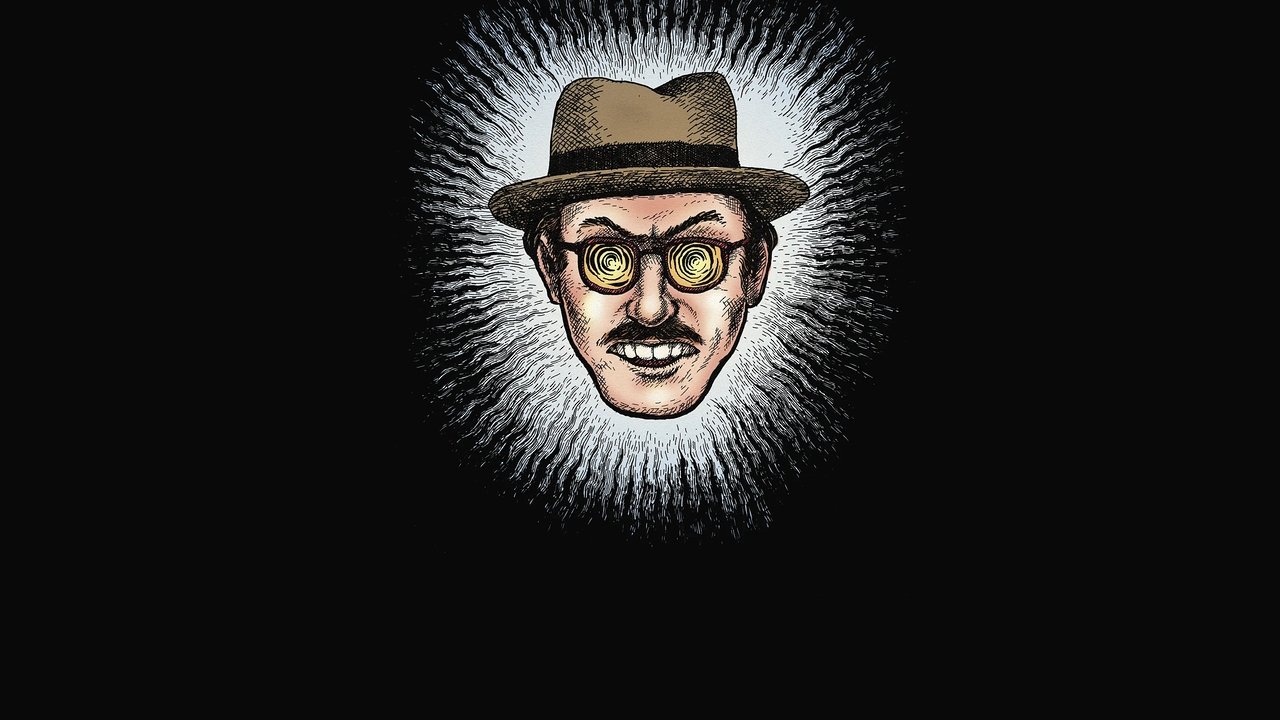
This near-perfect score reflects the film's incredible power, honesty, and masterful construction as a piece of documentary filmmaking. It’s a difficult, challenging watch that offers no easy answers, but its unflinching portrait of the Crumb family, the complexities of art, and the shadows of mental illness is unforgettable and deeply impactful. It’s a landmark work that justifies its place not just in the annals of documentary, but as a profound exploration of the human condition.
Crumb remains a singular, haunting experience – a film that burrows under your skin and stays there, making you question everything you thought you knew about where art comes from.