Alright, settle in, rewind your memories, and adjust the tracking. Sometimes, tucked away in the 'World Cinema' or maybe even the mislabelled 'Action' section of the old video rental store, you’d stumble across a VHS tape that just radiated pure, unadulterated danger. The cover art might be lurid, the title inscrutable (maybe even slightly misspelled on the spine label), but something told you this wasn't your usual Hollywood fare. For many of us discovering Asian genre cinema in the 90s, Takashi Miike's Fudoh: The New Generation (1996) (originally Gokudō Sengokushi: Fudō) was exactly that kind of illicit discovery – a shock to the system delivered via magnetic tape and CRT glow.
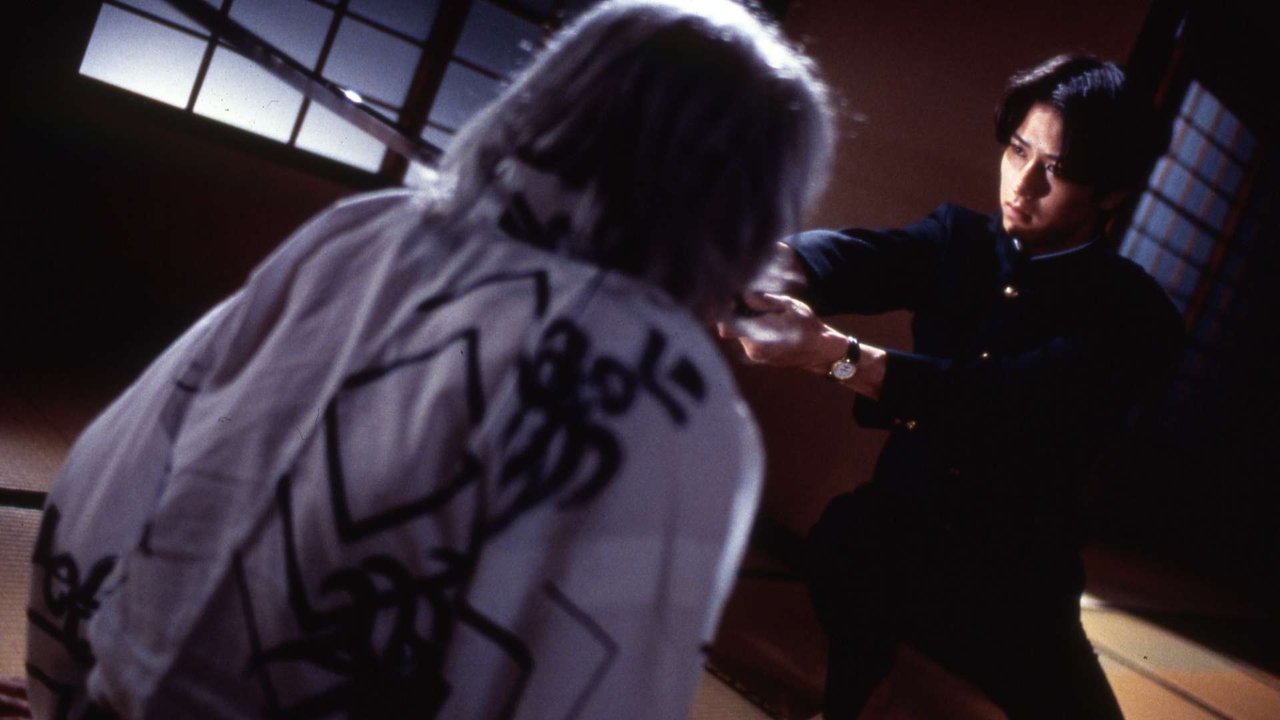
This wasn't just another yakuza flick; it felt like someone had mainlined espresso, watched too many cartoons, read some brutal manga (which, indeed, it was based on), and then decided to rewrite the rules of cinematic violence with a wicked grin. Forget subtle hints of menace; Fudoh throws you headfirst into a world where high school hallways are just as deadly as back-alley gang meetings.
School's Out... Forever
The premise alone is pure pulp gold: Riki Fudoh (Shosuke Tanihara, carrying a chillingly cool demeanor) is, on the surface, a model high school student. Secretly, he's the ruthless leader of a gang comprised entirely of underage assassins – kids wielding deadly yo-yos, weaponized stationery, and other implements of adolescent destruction. Their mission? To avenge the death of Riki’s older brother, orchestrated by their own treacherous yakuza boss father. Yes, it's that kind of movie.
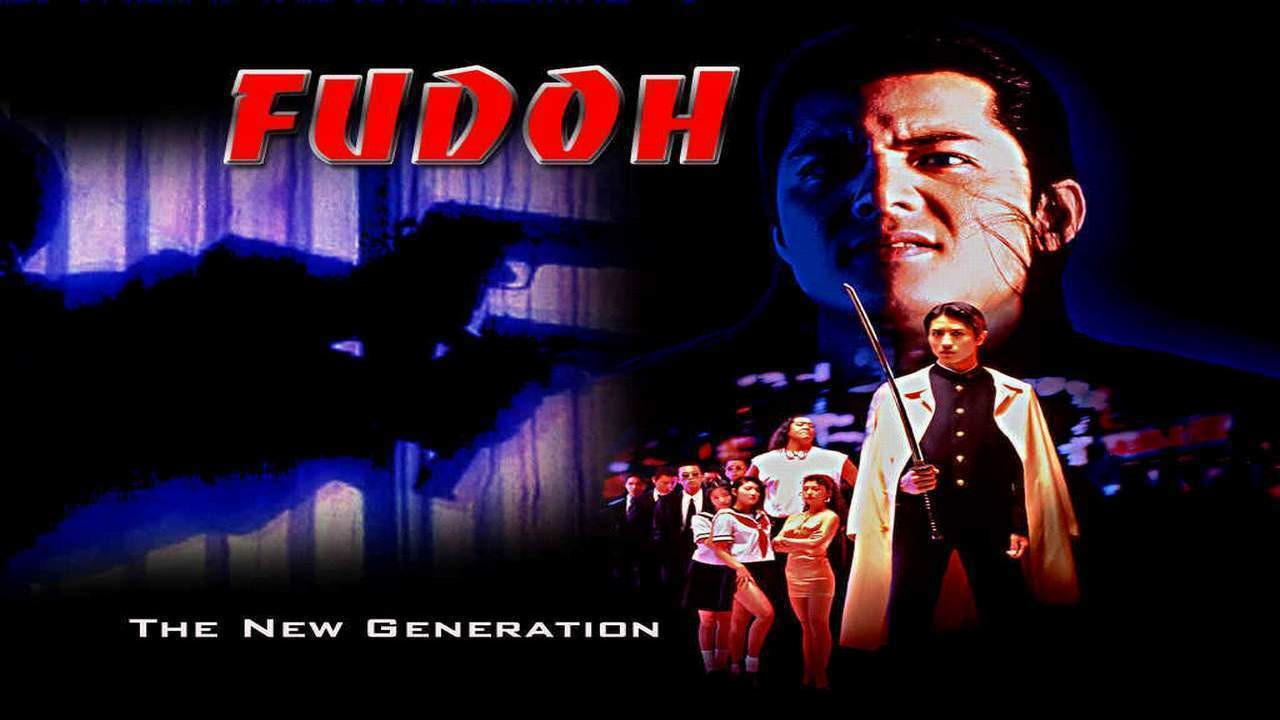
This juxtaposition of youthful innocence (or the appearance of it) and extreme, stylized violence is the engine that drives Fudoh. Takashi Miike, even relatively early in his staggeringly prolific career (seriously, the man's output in the 90s V-Cinema boom was legendary, sometimes churning out multiple films a year!), showed his knack for pushing boundaries. He wasn't just depicting violence; he was orchestrating chaotic, almost balletic sequences of mayhem that were equal parts shocking and darkly hilarious. Remember, this was the wild west of Japanese direct-to-video (V-Cinema), where directors often had tight budgets but considerable creative freedom, leading to some truly audacious filmmaking.
When Practical Effects Meant Practical Insanity
Let's talk about that action. Forget the smooth, often weightless CGI physics we see today. Fudoh hails from the era of squibs, Karo syrup blood, and stunt performers putting their bodies on the line. The violence here feels messy, visceral, and often completely bonkers. When someone gets hit, the impact feels physical, even when the situation itself is utterly absurd. Remember the sheer, gobsmacked disbelief watching that scene with the exploding pencil? Or the infamous sequence involving a stripper with a... unique projectile weapon? (Yes, THAT scene.) It wasn’t about seamless realism; it was about impact, shock value, and a kind of hyper-kinetic energy that grabbed you by the collar.
These weren't just gore gags; they were integral to Miike's emerging style. He uses the extreme violence almost satirically, pushing yakuza film tropes to their absolute limit and beyond. The practical effects, sometimes rough around the edges by today’s standards, felt incredibly potent back then. Watching it on VHS, maybe with the picture slightly fuzzy, somehow amplified the grimy, underground feel. It felt dangerous because, in a way, the filmmaking itself felt dangerous – unrestrained and unpredictable.
Beyond the Bloodshed
While the ultra-violence is the main draw, Shosuke Tanihara deserves credit for his portrayal of Riki. He’s got this icy calm that makes the surrounding chaos even more effective. He’s a strategist, a leader, and utterly ruthless, yet Tanihara imbues him with a quiet intensity that holds the film together. The supporting cast, playing his gang of killer kids and the various sleazy adult yakuza, fully commit to the madness, understanding the assignment completely.
Miike, even here, shows his skill beyond just shock tactics. There's a frenetic energy to the editing, a willingness to experiment with visuals, and a score that pulses along with the escalating insanity. It might not have been a mainstream blockbuster – V-Cinema rarely was – but Fudoh quickly gained a rabid cult following internationally, showcasing Miike's unique voice to a wider audience and becoming a cornerstone entry for fans exploring extreme Asian cinema. It was the kind of film passed around on copied tapes, whispered about in online forums (remember Usenet, anyone?), a true hidden gem unearthed from the video store depths.
The Verdict
Fudoh: The New Generation isn't subtle, it isn't polite, and it certainly isn't for everyone. It’s a hyper-violent, darkly comedic, and utterly unique slice of 90s Japanese genre filmmaking. It assaults the senses with its blend of high school drama and brutal yakuza warfare, delivered with Takashi Miike’s signature gonzo energy. The practical effects are gloriously messy, the tone is wildly uneven in the best possible way, and the whole thing feels like a transmission from a crazier cinematic dimension.
Rating: 8/10 - This score reflects its status as a vital, influential piece of extreme cult cinema and a key early work from a major director. It fully earns its reputation for shocking content, but does so with undeniable style, energy, and a satirical edge. The sheer audacity and raw, practical mayhem make it a must-see for genre fans, even if its rough edges and extreme nature might alienate others.
Fudoh is pure, uncut 90s V-Cinema adrenaline – the kind of beautiful madness that flourished on VHS, long before algorithms decided what you should watch next. Grab some popcorn, maybe a barf bag (just kidding... mostly), and witness the glorious chaos.