Ah, 1999. The dial-up was screeching, frosted tips were everywhere, and the teen movie genre was hitting a fever pitch not seen since the Hughesian heights of the 80s. Just as we were catching our breath from She’s All That and 10 Things I Hate About You, along came Drive Me Crazy, a film whose very title screams its end-of-millennium origins, forever linked to that inescapable Britney Spears track that dominated the airwaves and, crucially, the film’s soundtrack. It felt like the perfect Friday night rental, promising familiar high school hijinks with faces we already knew and loved.
From Page to Prom Night
Based on the novel "How I Created My Perfect Prom Date" by Todd Strasser, the film adaptation, penned by Rob Thomas (who would later gift us the whip-smart Veronica Mars) and directed by John Schultz, originally carried the less catchy title "Next to You." The story goes that the studio, smelling synergy, wisely opted for the title change to capitalize on the massive success of Britney's song "(You Drive Me) Crazy," featured prominently in the movie (with Spears and star Melissa Joan Hart even appearing in the music video together!). It’s a prime example of late-90s marketing savvy, tying a film directly to a pop culture phenomenon.
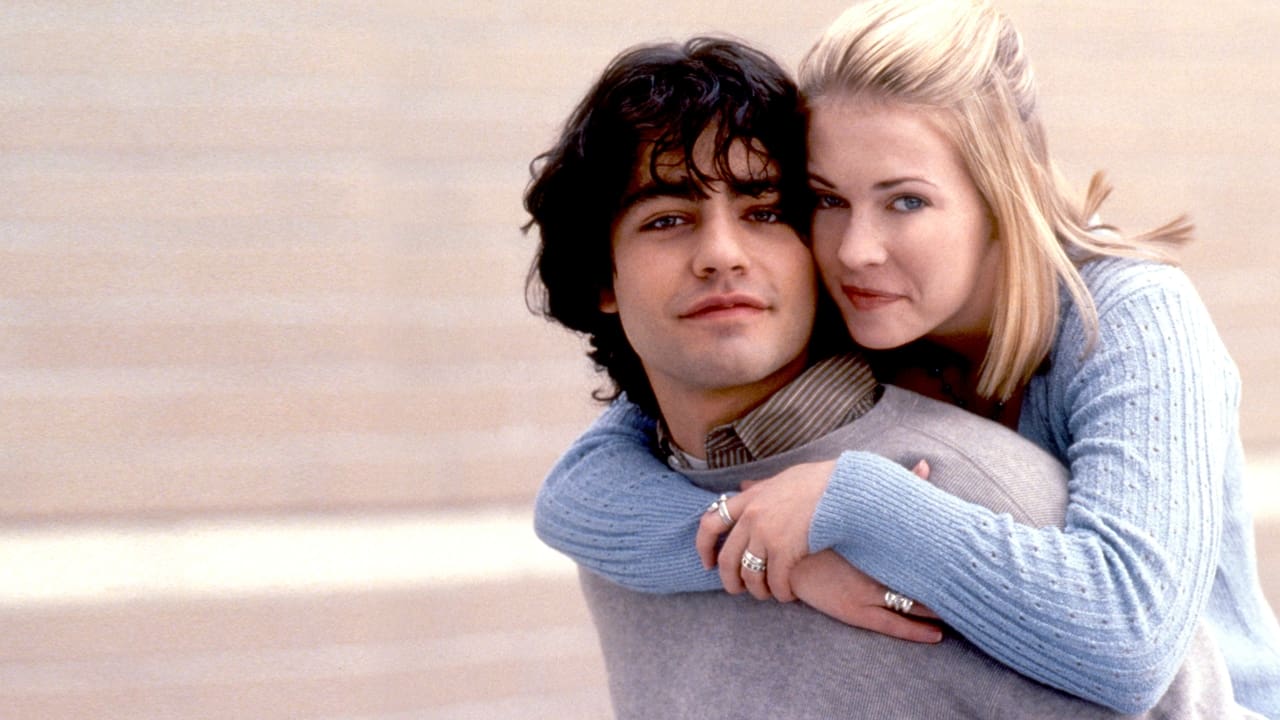
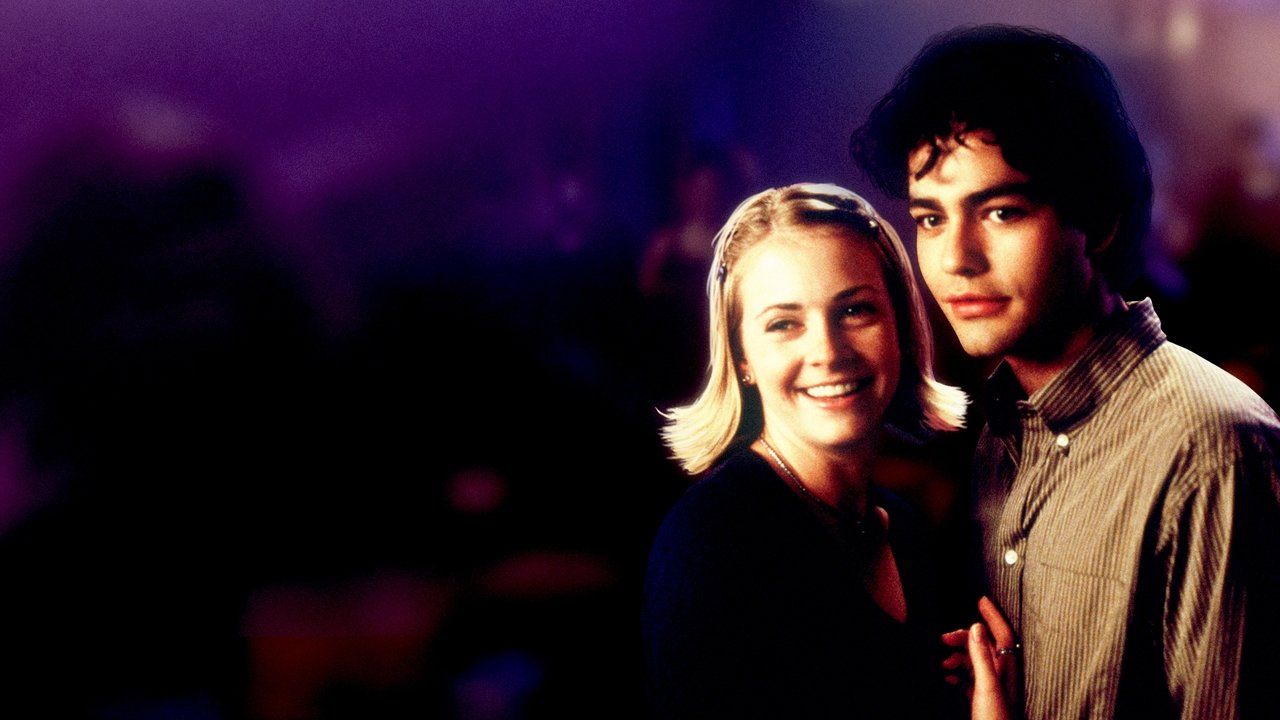
The premise is pure teen movie gold: Nicole Maris (Melissa Joan Hart) is the quintessential popular girl, obsessed with planning the perfect Centennial prom, only to be dumped by her jock boyfriend right before the big dance. Her next-door neighbor, Chase Hammond (Adrian Grenier), is the brooding, anti-establishment rebel type (complete with strategically ripped jeans and a cynical worldview) whose politically active girlfriend also breaks up with him. Seeing a mutual opportunity to incite jealousy in their respective exes, Nicole and Chase hatch a plan: pretend to date each other to win back their former flames. You can probably guess where this is heading, right?

Sabrina Goes Preppy, Entourage Goes Grunge (Sort Of)
At the time, Melissa Joan Hart was an absolute teen icon, thanks to the enduring popularity of Sabrina the Teenage Witch. Seeing her step into the role of the meticulously organized, slightly high-strung Nicole felt like a natural fit, trading magic spells for seating charts. She embodies that specific brand of late-90s popular girl – driven, perhaps a little superficial on the surface, but ultimately good-hearted. It was a chance for her legion of fans to see her navigate the treacherous waters of high school romance without the aid of a talking cat.
Opposite her, Adrian Grenier, years before becoming Vincent Chase in Entourage, smolders effectively as Chase. He nails the detached cool and the occasional flicker of vulnerability beneath the prankster exterior. The chemistry between Hart and Grenier is the linchpin of the film. It's not explosive, perhaps, but it's believable and sweet. You buy their initial friction and the slow thaw into genuine affection. We also get reliable support from Stephen Collins (pre-scandal, known then as the comforting dad from 7th Heaven) as Nicole's father.
A Time Capsule of Teen Tropes
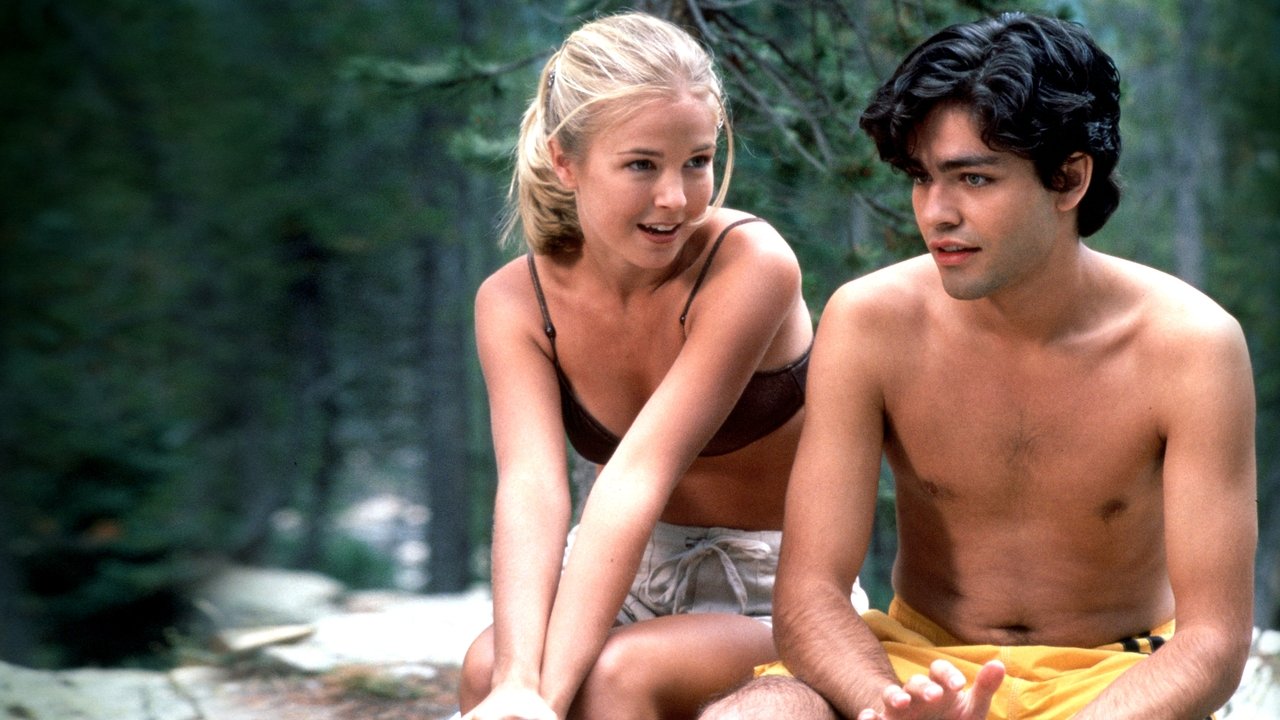
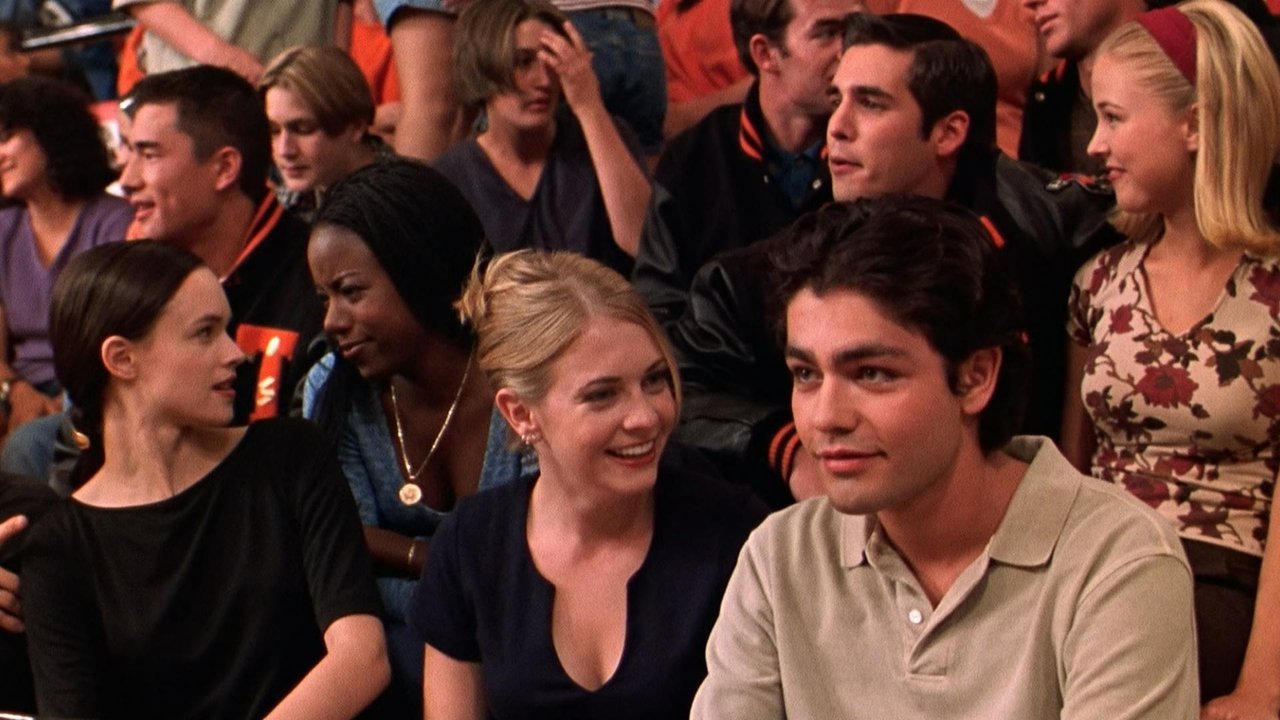
Drive Me Crazy leans heavily into the beloved tropes of the genre, particularly the "fake dating" scenario and the inevitable makeover (though here, it's more about sanding down Chase's rebellious edges than a Pygmalion-style transformation). It doesn't break new ground, but it executes the formula with sincerity and charm. Filmed largely in Utah, like many teen flicks seeking that quintessential American suburbia look, it captures the aesthetics and anxieties of its specific moment – the pressure of prom, the rigid social cliques, the desperate desire to fit in or pointedly stand out.
One fun tidbit: Rob Thomas originally set his script in the fictional Neptune, California – the same setting he'd later use so brilliantly for Veronica Mars. While Drive Me Crazy is far lighter fare, you can catch glimpses of the sharp observational humor about high school social structures that would become his trademark.
The film doesn't shy away from the inherent silliness of its premise, but it also treats its characters' feelings with respect. Nicole's obsession with the perfect prom isn't just vanity; it's tied to her deceased mother and a desire for connection. Chase's rebellious streak masks genuine disillusionment. These layers, while not profoundly deep, elevate it slightly above pure fluff. Remember those elaborate "prom-posals" that started becoming a thing? This movie feels like it was right there at the dawn of that particular trend.
Why It Still Holds Up (Mostly)
Watching Drive Me Crazy today is like opening a time capsule sealed right before the Y2K panic truly set in. The fashion, the music (that soundtrack!), the pre-social media high school dynamics – it’s a potent dose of nostalgia. Sure, some elements feel dated, and the plot follows a well-trodden path. It lacks the biting wit of Clueless or the sharp edge of Heathers. But its earnestness is endearing. It aims to be a sweet, funny romantic comedy about unlikely connections, and on that level, it succeeds.
It wasn’t a box office juggernaut (earning around $22 million worldwide against a modest budget), but it found its audience on home video and cable, becoming a staple for sleepovers and lazy afternoons. For many who grew up in that era, it remains a fond memory, a comfortable watch that delivers exactly what it promises. It captured that specific feeling of being on the cusp – the end of high school, the end of the decade, the end of a certain kind of teen movie innocence before the genre shifted again.
---
VHS Heaven Rating: 7/10
Justification: Drive Me Crazy scores a solid 7 for perfectly capturing the late-90s teen rom-com zeitgeist. While it follows a familiar formula (+1 for classic trope execution), the genuine charm and chemistry between Melissa Joan Hart and Adrian Grenier (+1) make it work. It benefits from Rob Thomas's witty script touches (+1) and serves as an excellent time capsule of the era's fashion, music, and high school culture (+1). The strategic title change linked to the Britney Spears hit adds a fascinating layer of pop culture synergy (+1). It's elevated by treating its characters' underlying motivations with sincerity (+1) and delivers exactly the kind of feel-good, nostalgic comfort food viewing it promises (+1). It doesn't reinvent the wheel, and some aspects feel undeniably dated, preventing a higher score, but its earnestness and execution within its genre confines make it a fondly remembered entry.
Final Thought: Pop this one in when you need a dose of pure, unadulterated 1999 nostalgia – it’s sweeter than Bubble Tape and just as satisfyingly familiar.