Can love truly blossom without the spark of physical attraction? It’s a question that feels almost quaint now, in our hyper-visual age, but it sits right at the heart of Barbra Streisand's 1996 directorial effort, The Mirror Has Two Faces. Arriving on VHS shelves nestled amongst the grittier thrillers and burgeoning CGI spectacles of the mid-90s, this film felt like something of a throwback even then – a romantic comedy-drama more interested in conversation and internal struggle than flashy set pieces. I remember picking up that tape, intrigued by the pairing of Streisand and Jeff Bridges, wondering if this glossy Columbia Pictures release could really grapple with such a thorny premise.
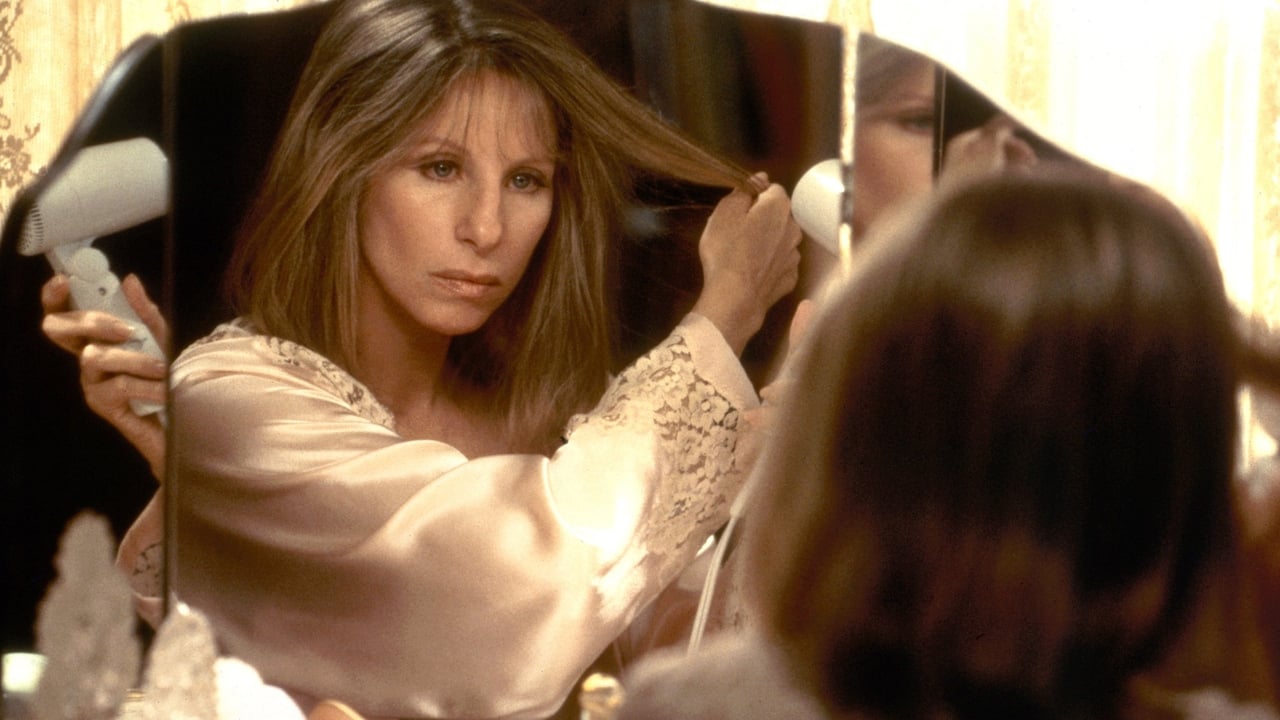
The setup is deceptively simple, yet rich with potential for both comedy and pathos. Streisand, pulling double duty as star and director (her first time back in the director's chair since 1991's The Prince of Tides), plays Rose Morgan, a bright, witty, but insecure literature professor at Columbia University. She's resigned herself to a life focused on the mind, overshadowed by her conventionally beautiful sister (played with sharp vulnerability by Mimi Rogers) and constantly under the critical gaze of her glamorous, aging beauty queen mother, Hannah (Lauren Bacall). Enter Gregory Larkin (Jeff Bridges), a mathematics professor burned by passionate relationships who decides his only path to happiness is a marriage based purely on intellectual companionship and shared interests – sex explicitly off the table. He places a personal ad, Rose's sister answers it for her, and an unusual courtship begins.
A Meeting of Minds, and Hearts?
What unfolds is less a typical rom-com and more a character study draped in romantic clothing. Richard LaGravenese’s screenplay, adapted from the 1958 French film Le Miroir à deux faces, gives the leads plenty to chew on. Streisand portrays Rose's deep-seated insecurities and longing with palpable authenticity. We see the flickering hope in her eyes when Gregory seems to genuinely appreciate her intellect, and the quiet hurt when his clinical detachment reinforces her fears. It’s a performance that leans into her strengths – the sharp comedic timing, the vulnerability beneath the capable exterior. Directing herself is always a tricky proposition, but Streisand seems keenly aware of Rose's emotional landscape.
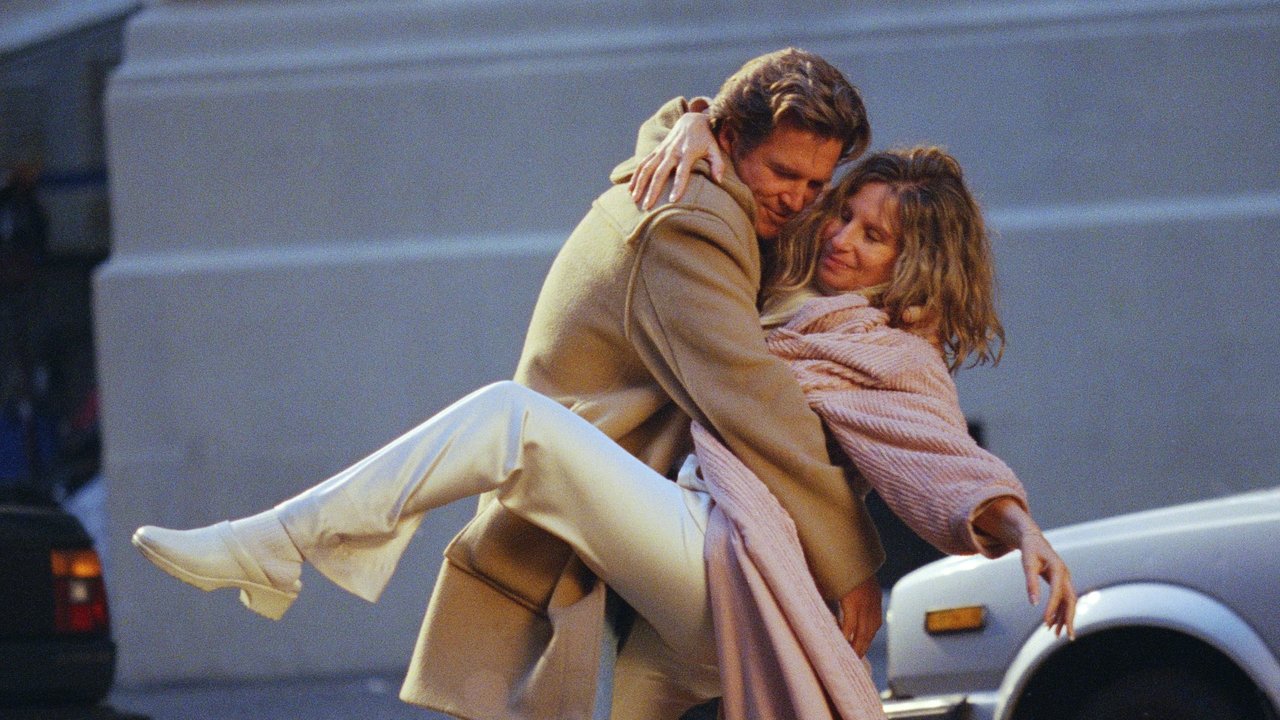
Jeff Bridges, meanwhile, is perfectly cast as the handsome but emotionally stunted Gregory. He embodies the character's awkwardness and intellectual arrogance, making Gregory frustrating yet somehow understandable. His insistence on a platonic marriage stems from past pain, and Bridges lets us see the cracks in his carefully constructed theory, the moments where genuine affection threatens to derail his experiment. Remember Bridges in Starman (1984) or The Fisher King (1991)? He has this incredible ability to convey complex internal states with subtle shifts in expression, and it’s fully on display here.
Bacall Steals the Show
While the central pairing provides the film's engine, it's Lauren Bacall who walks away with every scene she’s in. As Hannah Morgan, Rose’s brutally honest, impeccably dressed mother, Bacall is simply magnificent. Delivering lines laced with vanity, regret, and unexpected wisdom, she creates a character who is far more than a caricature. It’s a performance layered with the weight of her own legendary Hollywood past, yet utterly present and vibrant. It felt like a rediscovery for audiences at the time, earning her a Golden Globe and her first and only Oscar nomination – a nod many felt was long overdue, even if she ultimately didn't win (losing to Juliette Binoche for The English Patient in what was considered a major upset). Her presence elevates the entire film, providing a crucial, sharp counterpoint to Rose’s earnestness.

Retro Fun Facts: Crafting the Reflection
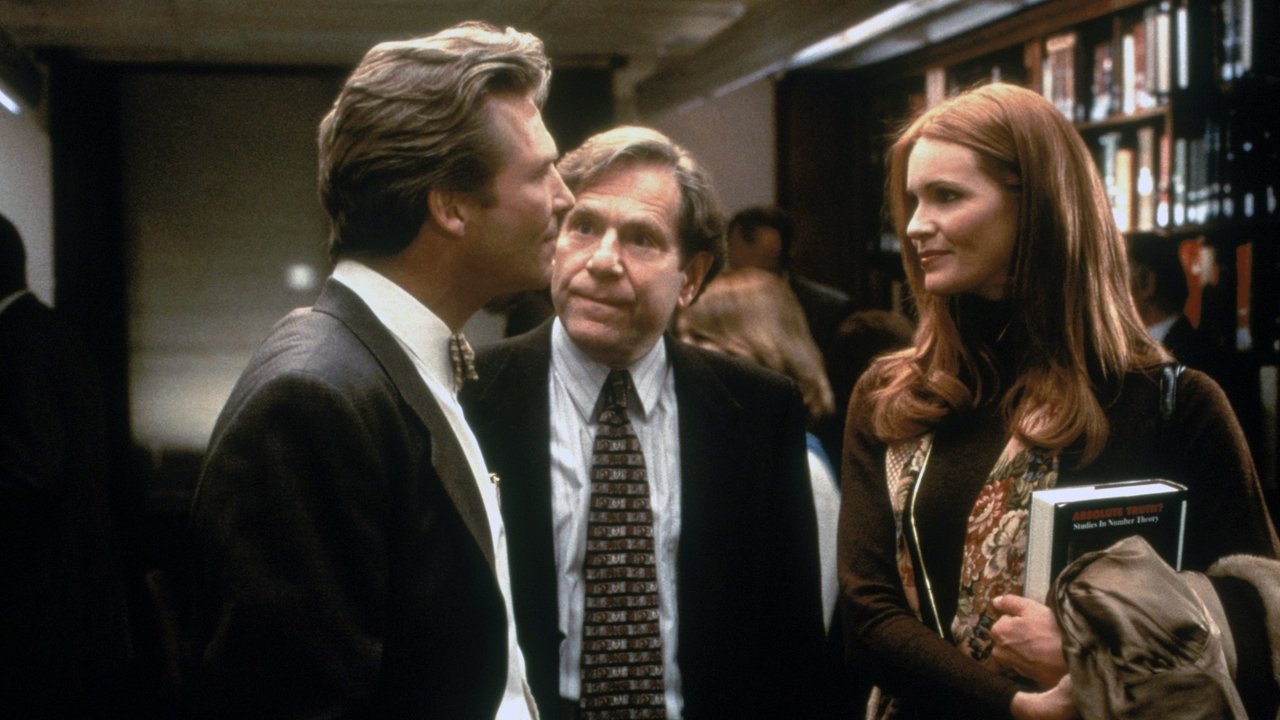
Getting this film made was clearly a passion project for Streisand. It wasn't just a directorial comeback; she oversaw many aspects, including famously clashing with composer Marvin Hamlisch over the score, leading to significant changes and the inclusion of that ubiquitous hit duet with Bryan Adams, "I Finally Found Someone". While maybe not a critical darling across the board (initial reviews were mixed, though many praised the performances), the film resonated with audiences, turning its respectable $42 million budget into a solid $110 million+ worldwide gross. Seeing Columbia University and iconic New York City locations provide the backdrop adds a layer of authenticity that grounds the sometimes heightened emotions. It feels very New York, in that specific way 90s films often did. And it’s interesting to note that Streisand initially considered Dudley Moore for the role of Gregory – a casting choice that would have resulted in a drastically different film!
The Transformation: Empowerment or Concession?
Of course, you can't discuss The Mirror Has Two Faces without addressing the transformation. Spoiler Alert! Frustrated by the limitations of their platonic arrangement, Rose undergoes a significant makeover – embracing glamour, fitness, and a new confidence. This pivot raises questions that linger long after the credits roll. Is it an empowering act of self-discovery, Rose finally claiming her own desirability? Or does it subtly undercut the film's initial premise, suggesting that intellectual connection isn't enough, that conventional attractiveness is ultimately necessary for romantic fulfillment? The film seems to want it both ways, celebrating Rose's newfound confidence while still ensuring she gets the guy after the physical change. It’s a complex point, and perhaps reflects the often contradictory messages women faced (and still face) regarding beauty and self-worth. Doesn't this tension still feel relevant today?
Final Thoughts
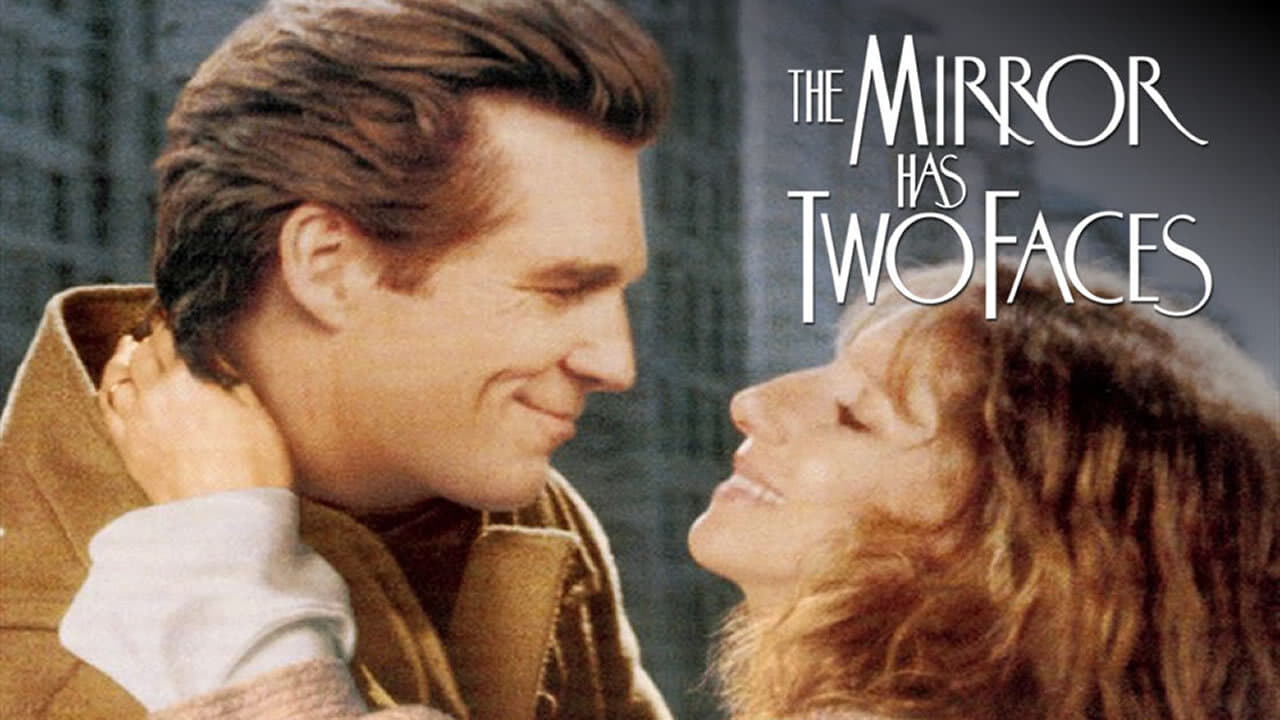
Watching The Mirror Has Two Faces again on a format far removed from the slightly fuzzy VHS tape I first saw it on, I find its charms endure, even as its complexities become clearer. It’s a film that tries to balance old-fashioned Hollywood romance with more thoughtful questions about love, self-esteem, and the unrealistic expectations we place on ourselves and others. The performances, particularly Streisand's vulnerability, Bridges' nuanced awkwardness, and Bacall's sheer star power, remain compelling. It might wrap things up a little too neatly, and the central transformation might spark debate, but it possesses a warmth and sincerity often missing from modern equivalents. It invites reflection on what truly connects us, beyond the surface.
Rating: 7/10 This score reflects the film's strong performances (especially Bacall's Oscar-nominated turn), its engaging premise, and its genuine warmth, balanced against a somewhat predictable romantic trajectory and a central transformation that raises as many questions as it answers. It’s a thoughtful, well-acted piece of 90s romantic drama that still offers plenty to consider.
What lingers is the film's earnest attempt to explore the messy space between intellectual compatibility and physical desire, all wrapped up in that glossy, star-powered package so characteristic of its time. It's a mirror reflecting not just its characters, but perhaps some of our own enduring questions about love.