It's a title that practically hums with caution, a phrase whispered across generations: Fools Rush In. Yet, the 1997 romantic comedy of the same name invites us to consider that maybe, just maybe, sometimes the foolish path is the one leading somewhere truly worthwhile. Watching it again now, decades removed from its initial release, the film feels like a warm, slightly faded photograph from the peak 90s rom-com era – familiar, comforting, yet still holding a spark of unexpected sincerity.
An Unlikely Beginning
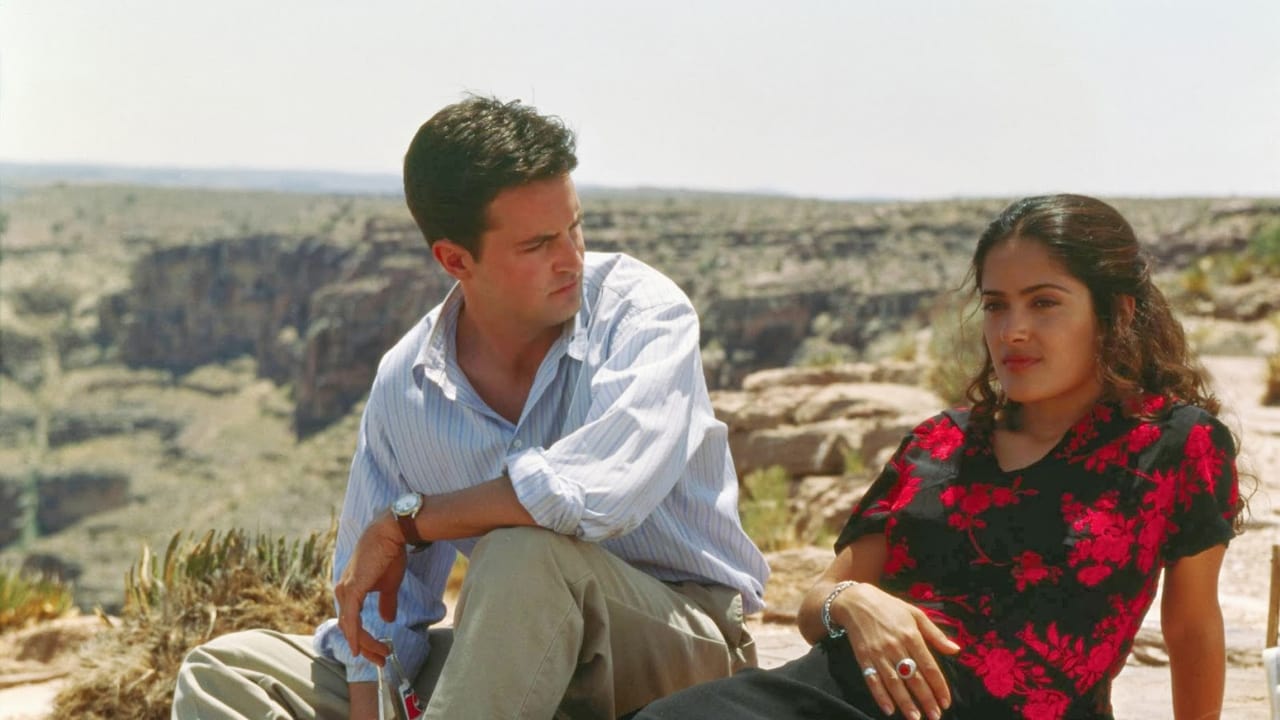
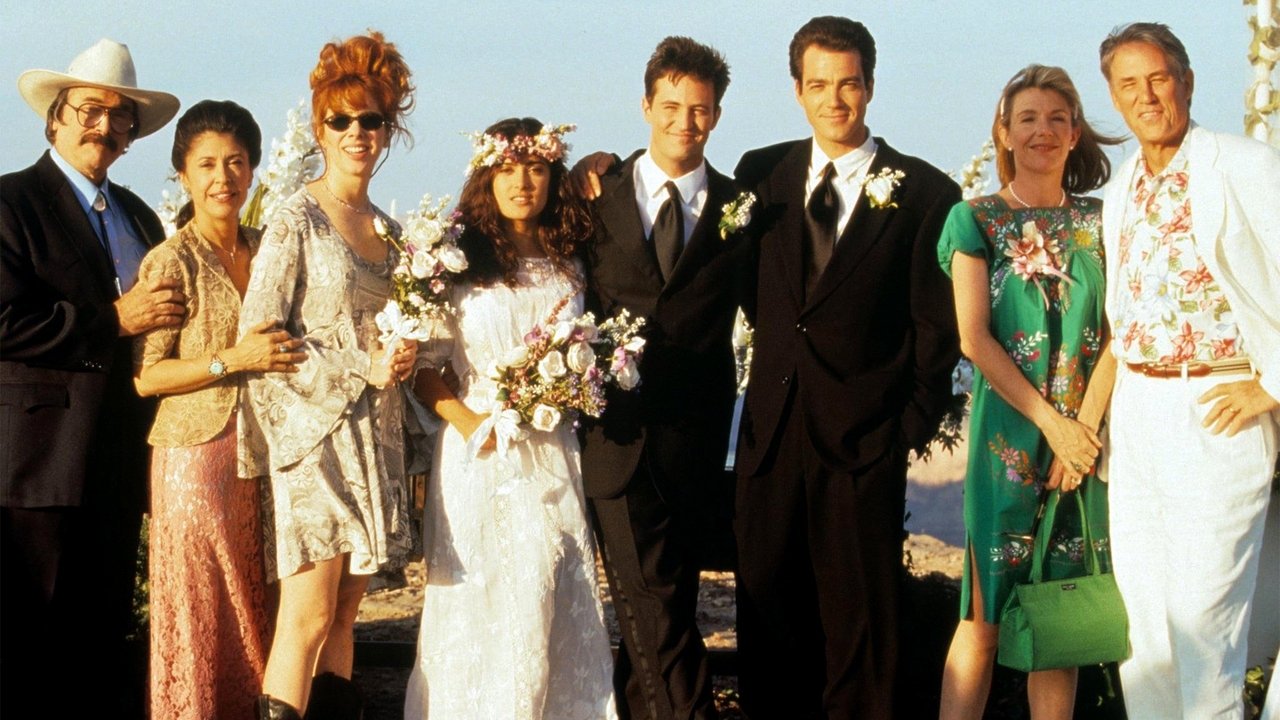
The setup is classic Hollywood serendipity mixed with consequence. Alex Whitman (Matthew Perry), a straight-laced New York architect temporarily overseeing a nightclub construction project in Las Vegas, meets Isabel Fuentes (Salma Hayek), a free-spirited Mexican-American photographer with deep family roots in the Nevada desert. A night of undeniable chemistry leads to an unexpected pregnancy, revealed three months later. What follows isn't the typical rom-com dithering, but a surprisingly swift decision: they decide to get married. It’s this impulsive leap, this titular rushing in, that sets the stage for the film's central conflict and charm.
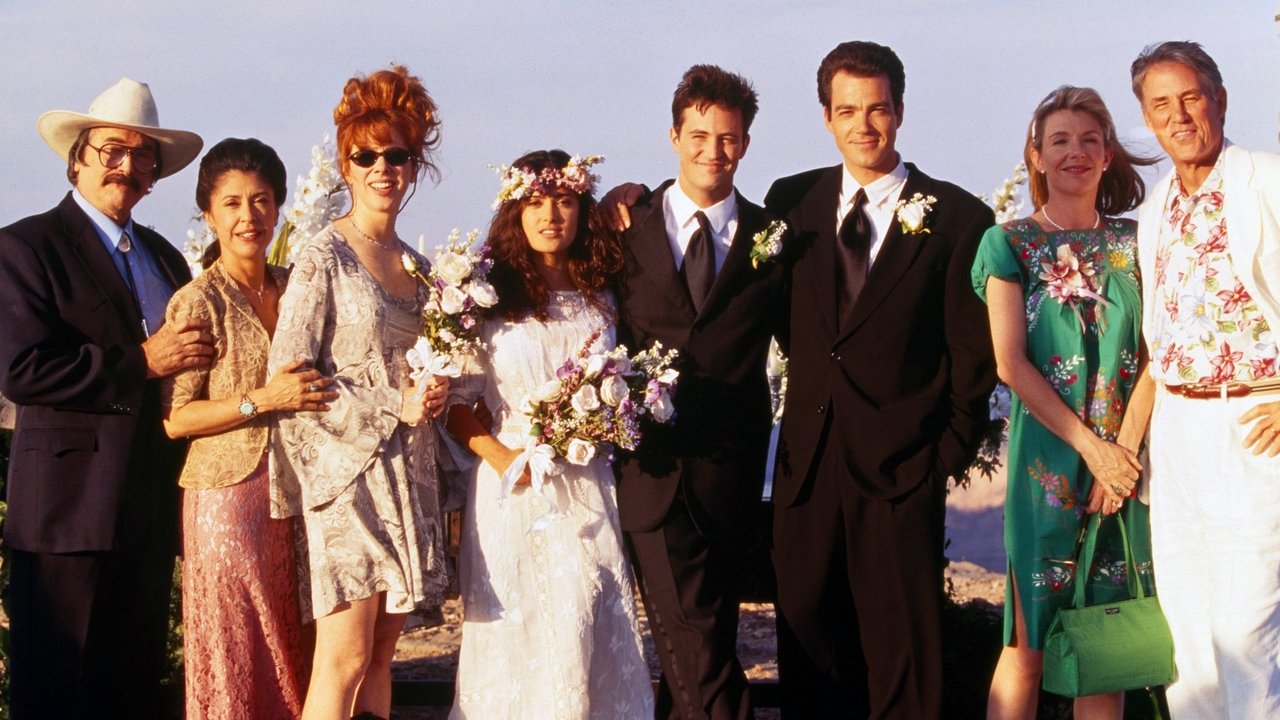
We see Alex, a man whose life seems mapped out on blueprints, suddenly navigating the vibrant, messy, deeply interconnected world of Isabel's family. It's here the film finds much of its heart and humor. The culture clash is played for laughs, certainly – Alex’s WASPy, reserved parents (Jill Clayburgh offering perfectly pinched disapproval) meeting Isabel's large, boisterous, deeply Catholic clan led by her proud father Tomas (Tomas Milian, bringing real warmth and gravitas). But beneath the surface-level jokes about differing customs and awkward introductions, there’s a genuine exploration of what it means to merge two vastly different lives and families. Doesn't that initial spark, that powerful connection, sometimes feel strong enough to bridge any divide?
Beyond the Laughs: Finding the Heart
What elevates Fools Rush In beyond a standard fish-out-of-water comedy are the performances, particularly from its leads. Matthew Perry, stepping away briefly from the Central Perk sofa during a Friends hiatus, brings more than just his signature sarcastic charm. While the Chandler Bing mannerisms are certainly present (that slightly bewildered head tilt, the emphasis on certain words), Perry finds a vulnerability in Alex. We see his fear, his confusion, but also his growing, genuine affection for Isabel and the unexpected life they're building. It’s a reminder of Perry's talent for conveying submerged emotion beneath a comedic facade.
And then there's Salma Hayek. In what felt like a true breakout role showcasing her leading lady potential, Hayek is luminous. She imbues Isabel with fiery passion, intelligence, and a deep sense of self rooted in her culture and family. It’s easy to see why Alex is captivated; Hayek makes Isabel feel like a force of nature, someone whose energy could genuinely redraw the lines of Alex's carefully planned life. Their chemistry is palpable, making the central romance believable even when the plot throws predictable obstacles their way. It’s this connection that anchors the film, making us root for them despite the sheer improbability of it all.

Weaving Reality into Romance
Interestingly, the core premise wasn't entirely spun from Hollywood fantasy. The story holds a kernel of truth, being loosely based on the real-life experience of producer Doug Draizin’s parents, who apparently did have a similarly whirlwind courtship and marriage. Knowing this adds a subtle layer of authenticity, suggesting that maybe these grand romantic gestures aren't solely the stuff of screenplays.
Director Andy Tennant, who would later helm other successful romances like Ever After (1998) and Sweet Home Alabama (2002), guides the film with a steady hand. He balances the comedic elements with the more heartfelt moments effectively, allowing the emotional beats to land without becoming overly saccharine. The visual contrast between Alex’s sleek, impersonal New York world and the warm, earthy tones of Isabel’s life near the Hoover Dam (a significant location in the film) underscores the cultural and personal shifts Alex undergoes. It’s a visual language that supports the narrative nicely. And who could forget that UB40 cover of "Can't Help Falling in Love" playing over the credits? It became almost synonymous with the film, perfectly capturing that slightly sweet, slightly unexpected romantic feeling.
Nostalgia and Nuance
Sure, watching Fools Rush In today, some elements feel distinctly of their time. Certain cultural jokes might land differently now, and the rom-com structure holds few genuine surprises. Yet, there's an earnestness to it, a lack of cynicism that feels refreshing. It tackles themes of family obligation, cultural identity, and the terrifying, exhilarating leap of faith required by love with a surprising degree of sincerity for a mainstream studio comedy. It reminds me of browsing the aisles at Blockbuster, picking up a tape based on the cover and the stars, hoping for a couple of hours of charming escapism – and sometimes finding something with a little more heart than expected. This was definitely one of those finds.
Rating: 7/10
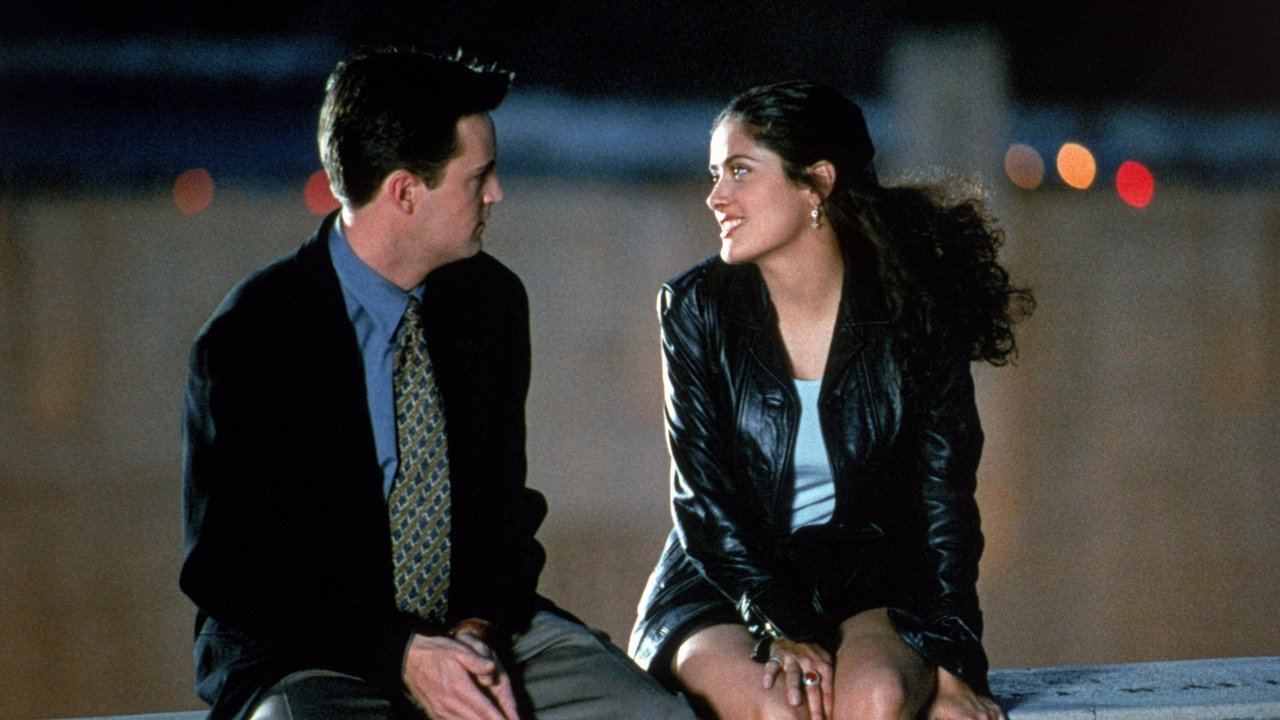
Fools Rush In earns a solid 7. While it adheres closely to the 90s rom-com formula and occasionally leans on stereotypes, the undeniable chemistry between Matthew Perry and Salma Hayek, combined with its genuine warmth and surprisingly earnest exploration of cultural differences and impulsive love, makes it rise above the average. It doesn't reinvent the wheel, but it rolls along with considerable charm and heart, anchored by two stars shining brightly.
It leaves you pondering not just the nature of whirlwind romance, but the ways in which unexpected connections can fundamentally change the blueprint of our lives, often for the better. And sometimes, isn't rushing in exactly what the heart needs?