It’s funny how certain films become quiet landmarks, not necessarily through earth-shattering box office numbers or awards, but by capturing a specific feeling, a particular moment in time, almost like a well-loved photograph. Greg Berlanti’s directorial debut, The Broken Hearts Club: A Romantic Comedy (2000), feels exactly like that. Landing right at the turn of the millennium, it might technically be outside our usual 80s/90s wheelhouse, but it carries the lingering spirit of late-90s indie filmmaking and definitely occupied space on those fading video store shelves. For many, I suspect, discovering this film felt like finding a reflection – perhaps imperfect, perhaps a little idealized – of friendship and navigating life in your twenties, specifically within the gay community of West Hollywood.

A Circle of Friends, A Snapshot of Life
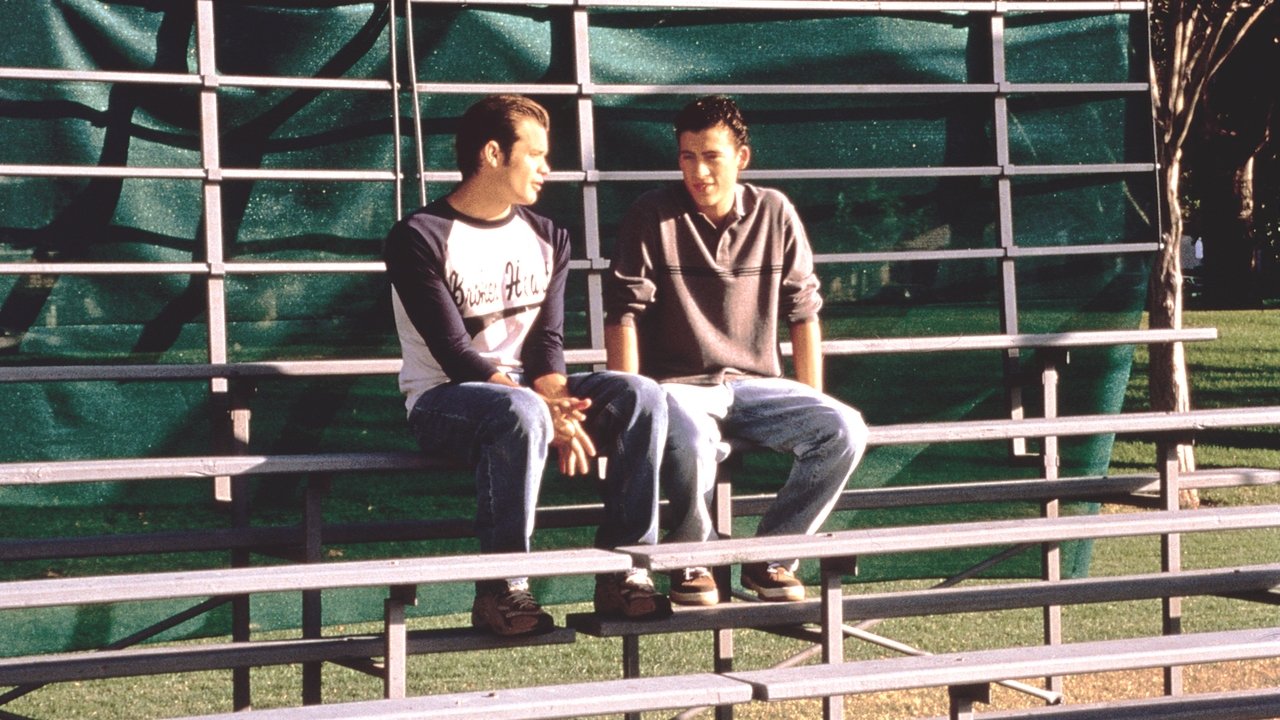
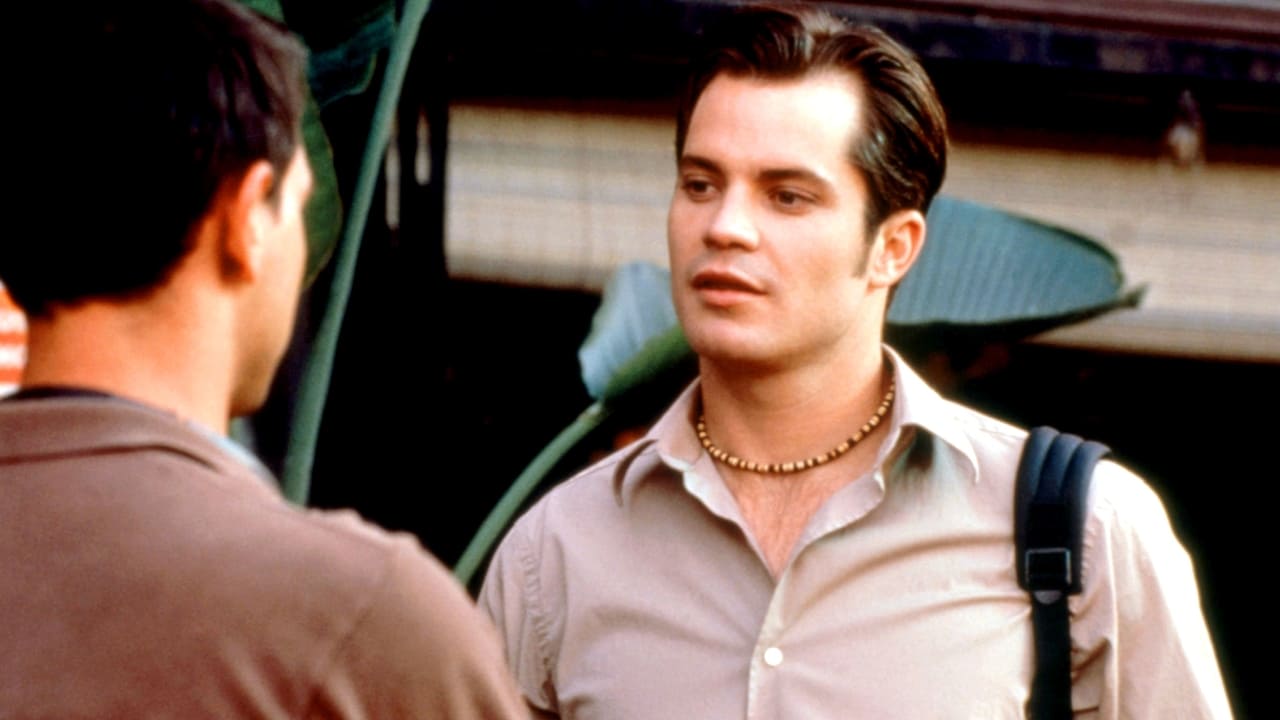
The film centers on Dennis (Timothy Olyphant, radiating easy charm years before Justified or Deadwood), a photographer who serves as our narrator and emotional anchor. He's part of a close-knit group of gay friends who orbit around the wise, paternal restaurant owner Jack (John Mahoney, bringing his signature warmth familiar from Frasier). Their lives intertwine through softball games, relationship dramas, career anxieties, and shared meals at Jack’s place, aptly named "Jack's Broken Hearts Club." The plot isn’t driven by high stakes, but rather the gentle, often funny, sometimes poignant ebb and flow of everyday life within this chosen family.
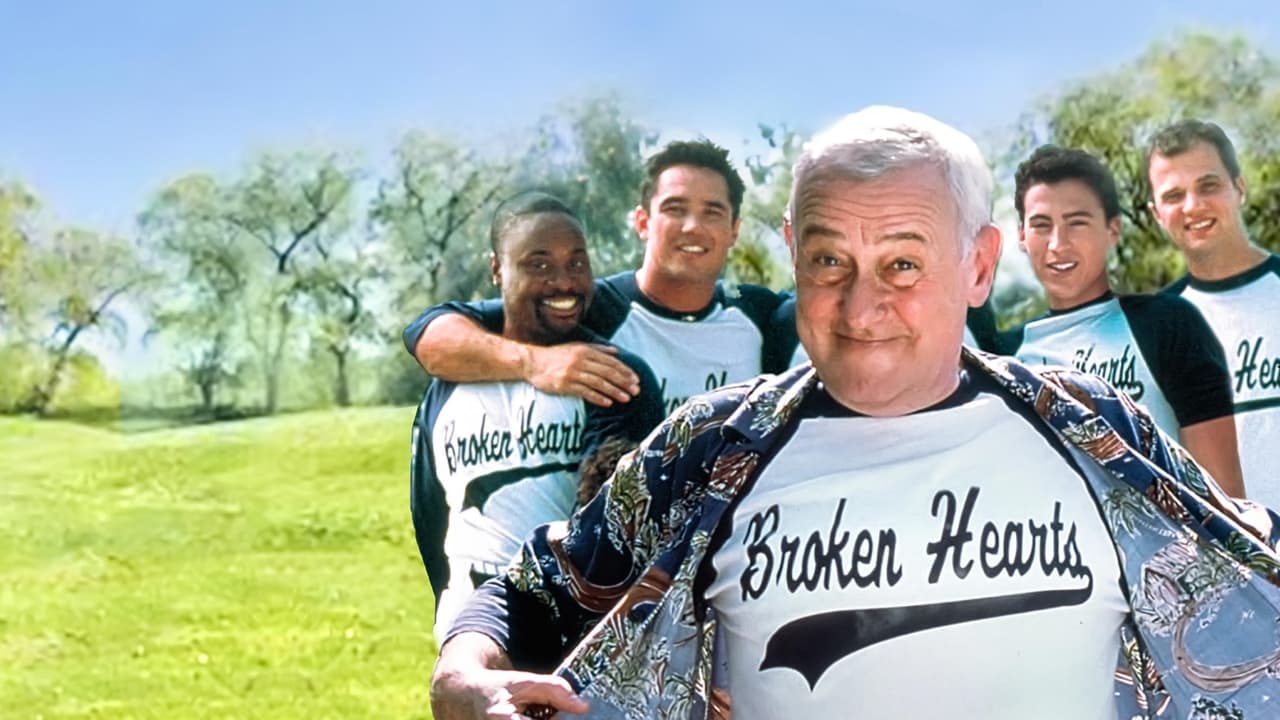
We meet the hopeful romantic Howie (Matt McGrath), grappling with a breakup; the endearingly naive and very blonde Benji (Zach Braff, pre-Scrubs, already showing his knack for puppy-dog earnestness); the cynical Taylor (Billy Porter, years before his Pose stardom, commanding attention even then); the handsome, seemingly perfect actor Cole (Dean Cain, playing intriguingly against his Lois & Clark Superman image); the fitness-obsessed muscle-head Patrick (Ben Weber); and the newcomer Kevin (Andrew Keegan). Their interactions form the core of the film, a tapestry woven with inside jokes, shared histories, and the kind of comfortable intimacy that defines long-term friendships.
The Warmth of Authenticity
What truly makes The Broken Hearts Club resonate, even over two decades later, is its sincerity. Berlanti, who also wrote the screenplay, famously drew inspiration from his own circle of friends. This personal connection bleeds through the screen. It wasn't trying to be edgy or overtly political; its quiet power lay in portraying these men’s lives with a refreshing normality. They weren't tragic figures or sassy sidekicks; they were just guys dealing with love, loss, ambition, and the messy business of growing up. I remember seeing this on the shelf at Blockbuster, probably nestled between broader comedies and heavier dramas, and feeling drawn to its promise of something relatable.
The ensemble cast is key to this warmth. Olyphant anchors the film beautifully, his narration providing a reflective, slightly melancholic counterpoint to the group's banter. Mahoney, as Jack, is the heart of the group, offering gentle wisdom and stability. His speech about the importance of being a "giver" in relationships is a standout moment, delivered with understated grace. The chemistry between the actors feels genuine; you believe these men have history, that they needle each other because they care. It’s a film built on character moments rather than narrative twists.
Behind the Scenes: An Indie Heart
Made on a modest budget of around $1 million, The Broken Hearts Club has that distinct early 2000s indie feel. It premiered at the Sundance Film Festival in 2000, where it received positive notices for its gentle humor and positive representation – something that felt particularly welcome at the time. Berlanti, who would go on to become a major force in television with shows like Dawson's Creek (which he wrote for prior) and the Arrowverse, showed an early talent for balancing ensemble dynamics and emotional sincerity. It’s interesting to think this was his first time directing a feature; there’s a confidence in the storytelling, even if the visual style is fairly straightforward. It wasn't aiming for cinematic fireworks; it was aiming for connection. The locations, primarily West Hollywood landmarks, add another layer of authenticity, grounding the story in a real place and time.
Does It Hold Up?
Watching it now, does The Broken Hearts Club feel dated? In some ways, inevitably, yes. The specific cultural references, the fashion, the technology (or lack thereof) firmly place it at the cusp of the new millennium. Some might find its portrayal a little too clean-cut or perhaps lacking the diversity and complexity that later LGBTQ+ narratives would explore. And yet, the core themes – the enduring power of friendship, the search for love and belonging, the bittersweet pang of seeing friends move on – remain universal.
It avoids easy stereotypes for the most part, offering a spectrum of personalities within the group. What lingers most isn't necessarily the plot points, but the feeling of hanging out with these characters, sharing their highs and lows. Doesn't that feeling – the comfort of a chosen family – resonate regardless of the era? It’s a film that offers warmth and a gentle optimism, a reminder that even amidst heartbreak and uncertainty, connection matters most.
Rating: 7/10
This score reflects the film's genuine heart, strong ensemble performances, and its significance as a warm, positive piece of mainstream LGBTQ+ representation at the time. While it might lack dramatic punch for some and feels distinctly of its era, its sincerity and focus on the enduring power of friendship give it a lasting, comforting appeal. It earns its place as a beloved touchstone for many who discovered it during those final days of the video store era.
It’s a film that feels like a comforting chat with old friends – familiar, perhaps a little faded around the edges, but leaving you with a welcome sense of warmth.