The flickering static clears, revealing a rain-slicked New Orleans street. There's a palpable weight in the air, a sense of deals made in shadows and secrets buried just beneath the surface. That's the immediate pull of A Murder of Crows (1999), a film that feels less like a straightforward thriller and more like a descent into a particularly humid, southern-gothic nightmare. It arrived near the tail-end of the VHS era, often discovered lurking on the 'New Releases' shelf, perhaps overlooked but possessing a coiled tension that lingers.
Devil in the Details
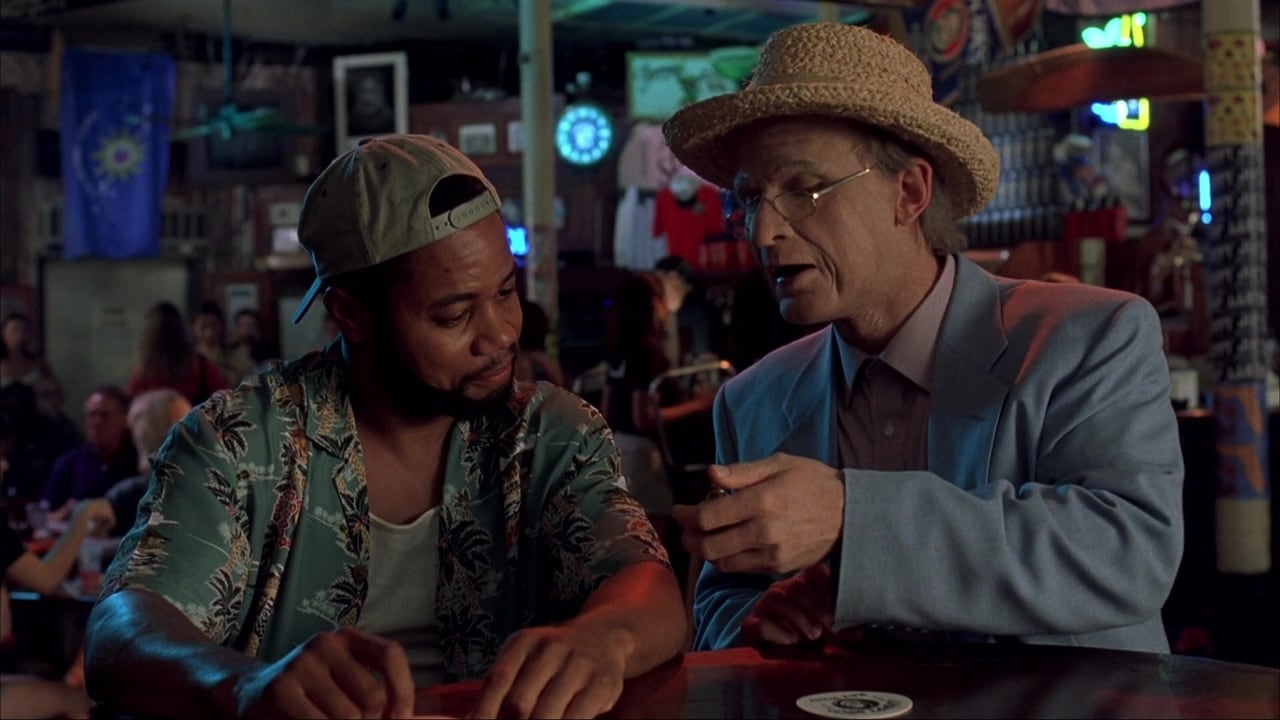
The premise hooks you with grim efficiency: Lawson Russell (Cuba Gooding Jr., not long after his Oscar win for Jerry Maguire), a promising lawyer disbarred after a moment of ethical compromise, retreats to Key West to lick his wounds and attempt to write the great American novel. He befriends an elderly man, Christopher Marlowe (a perfectly evocative name choice), who shares his own unpublished manuscript – a chillingly detailed account of multiple murders. When Marlowe suddenly dies, Lawson, desperate for redemption and success, makes a fateful choice: he publishes the book under his own name. Fame arrives, but so does Detective Clifford Dubose (Tom Berenger, embodying grizzled weariness), because the 'fictional' murders in the book mirror real, unsolved killings with uncanny accuracy. Did Lawson stumble upon a confession, or is he the architect of his own elaborate downfall?
Southern Discomfort

Director Rowdy Herrington, who previously gave us the macho B-movie brilliance of Road House (1989) and the waterlogged Bruce Willis thriller Striking Distance (1993), crafts a tangible sense of place here. The film uses its New Orleans and Key West locations effectively, moving beyond mere backdrop to become characters in themselves. The heat feels oppressive, the shadows seem deeper, and the sense of history – both elegant and decaying – adds layers to Lawson's mounting paranoia. You can almost smell the chicory coffee and the damp decay. For a film that went direct-to-video in the US market (a common fate for many interesting mid-budget thrillers in the late 90s), it boasts a surprisingly rich atmosphere, foregoing flashy set pieces for a slow-burn dread. This wasn't a flick that relied on explosions; its power lay in the tightening knot in Lawson's stomach, mirrored in the viewer.
A Cast Caught in the Web
Cuba Gooding Jr. carries the film with a convincing portrayal of encroaching panic. He charts Lawson's journey from cynical opportunist to hunted man with skill, letting the desperation seep through his initial bravado. It's a reminder of his range beyond the roles that made him a household name. Opposite him, Tom Berenger is perfectly cast as the methodical, seen-it-all detective. There’s no flashiness here, just a quiet intensity that makes Dubose a formidable obstacle. His scenes with Gooding Jr. crackle with suspicion and unspoken accusations. Marianne Jean-Baptiste also provides solid support as the detective heading the investigation, adding another layer of professional scrutiny that tightens the net around Lawson.
Retro Fun Facts: Unmasking the Manuscript
- The choice of "Christopher Marlowe" as the original author's name is, of course, a literary wink, nodding to the Elizabethan playwright often suggested as a possible ghostwriter for Shakespeare – a fitting parallel for a story about stolen authorship.
- Director/Writer Rowdy Herrington was known for delivering solid, often gritty genre pictures. While A Murder of Crows didn't set the box office alight (being DTV in the States certainly didn't help visibility), it showcases his ability to build suspense within the confines of a twisty plot. Remember finding gems like this unexpectedly at Blockbuster? This had that satisfying "hidden find" quality.
- The direct-to-video route often meant tighter budgets and quicker shoots, but sometimes this fostered a lean efficiency. A Murder of Crows feels focused, wasting little time in setting up its central dilemma and letting the consequences unfold. It’s a prime example of the kind of competent, engaging thriller that thrived in the home video market of the era. Doesn't that title itself just sound like a perfect VHS discovery?
Truth, Lies, and Videotape
Beneath the thriller mechanics, A Murder of Crows toys with compelling ideas about identity, intellectual property, and the seductive danger of taking shortcuts. Lawson's sin isn't just plagiarism; it's the appropriation of another man's life (or perhaps, his crimes) for personal gain. The film cleverly keeps you guessing – is Marlowe's manuscript a confession, a fabrication, or something else entirely? The ambiguity fuels the suspense right up until the final act. While some twists might feel familiar to seasoned thriller fans, the execution remains effective, largely thanks to the committed performances and the pervasive mood Herrington cultivates. Did that final reveal truly land for you back then, or did you see it coming?
Final Verdict
A Murder of Crows is a sturdy, atmospheric late-90s thriller that overcomes its direct-to-video origins with a compelling premise, strong lead performances, and a palpable sense of southern gothic dread. It might not reinvent the genre, but it executes its central conceit with suspenseful confidence. It’s the kind of film that burrowed under your skin after a late-night rental, the central moral quandary and the sticky, humid atmosphere lingering long after the credits rolled and the VCR whirred to a stop.
Rating: 7/10 - A well-crafted and genuinely suspenseful thriller that makes the most of its cast and atmospheric locations. It's a prime example of a quality DTV find from the era, delivering solid genre entertainment that still holds up as a moody, engaging watch. It might just be the best Rowdy Herrington film you haven't thought about in years.