It’s a strange, almost unsettling loop of fate, isn't it? When a filmmaker becomes intertwined with the very subject they later bring to the screen. That’s the extraordinary backstory lurking behind John Boorman’s sharp, monochrome crime drama, The General (1998). Boorman, known for vastly different cinematic journeys like Deliverance (1972) or the lush fantasy of Excalibur (1981), had his own Dublin home burgled years earlier by the notorious Martin Cahill – the charismatic, audacious, and ultimately doomed criminal mastermind at the heart of this film. That personal connection permeates every frame, lending an air of authenticity and perhaps even a grudging, complex understanding to the portrait of a man who defied easy categorization.
### Shades of Grey in Dublin’s Underworld
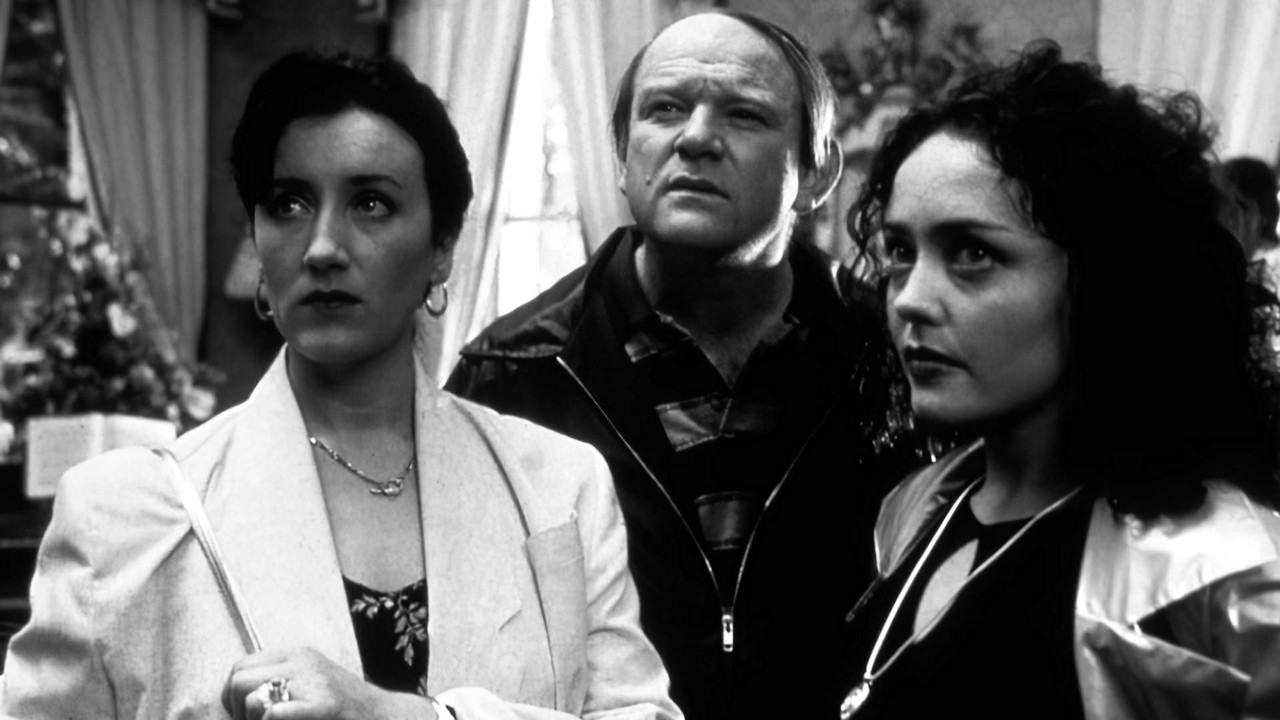
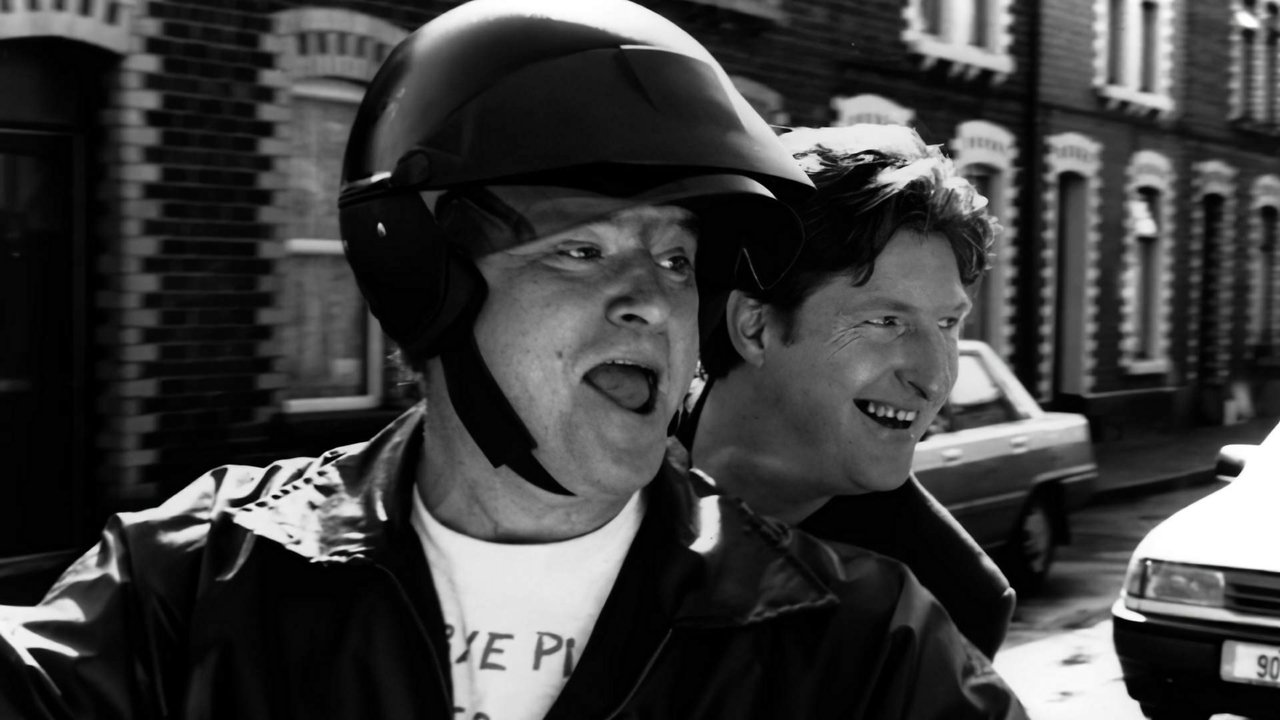
Shot entirely in a crisp, evocative black and white, The General immediately sets itself apart. This wasn't just an aesthetic flourish; Boorman reportedly chose it to reflect Cahill's own stark view of the world – us versus them, the Gardaí versus the chancers – but it also masterfully paints Dublin not as a tourist postcard, but as a gritty, lived-in city of backstreets, council estates, and smoky pubs. The monochrome palette strips away distraction, forcing focus onto the faces, the textures, the barely concealed tensions simmering beneath the surface. I remember seeing this on tape, likely rented from one of those smaller shops that stocked more interesting fare beyond the blockbusters, and the lack of color felt defiant, demanding you pay closer attention. It wasn't the usual glossy 90s crime thriller; it felt rougher, more grounded, more real.
### The Unforgettable Rise of Brendan Gleeson
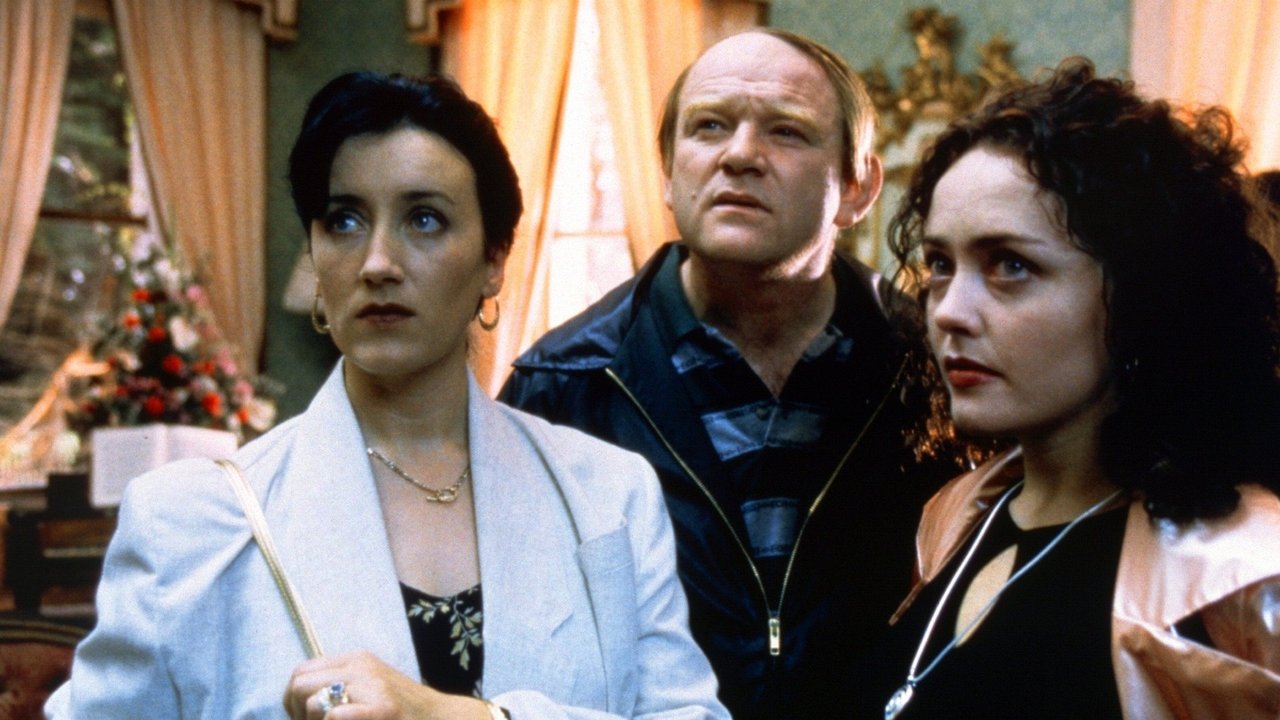
At the absolute core of the film’s power is Brendan Gleeson's transformative performance as Martin "The General" Cahill. For many of us outside Ireland, Gleeson wasn't yet the household name he’d become through roles in Braveheart (1995) or the Harry Potter series. Here, he is Cahill. It’s not mimicry; it’s a full-bodied inhabitation. Gleeson captures the man's undeniable charisma, his working-class wit, his fierce loyalty to his own code, and the unsettling flashes of brutality that underpin his criminal empire. Watch his eyes – the mischievous twinkle one moment, the cold assessment the next. He portrays Cahill's almost pathological need to defy authority, pulling off audacious heists (like the Beit paintings or stealing Boorman's own gold record for Deliverance, a detail wryly included) often seemingly just for the sheer pleasure of thumbing his nose at the establishment. It's a performance built on nuance, avoiding the trap of lionizing the criminal while still making us understand why this man became a peculiar sort of folk hero to some in Dublin. It deservedly launched Gleeson onto the international stage.
### A Director's Personal Reckoning
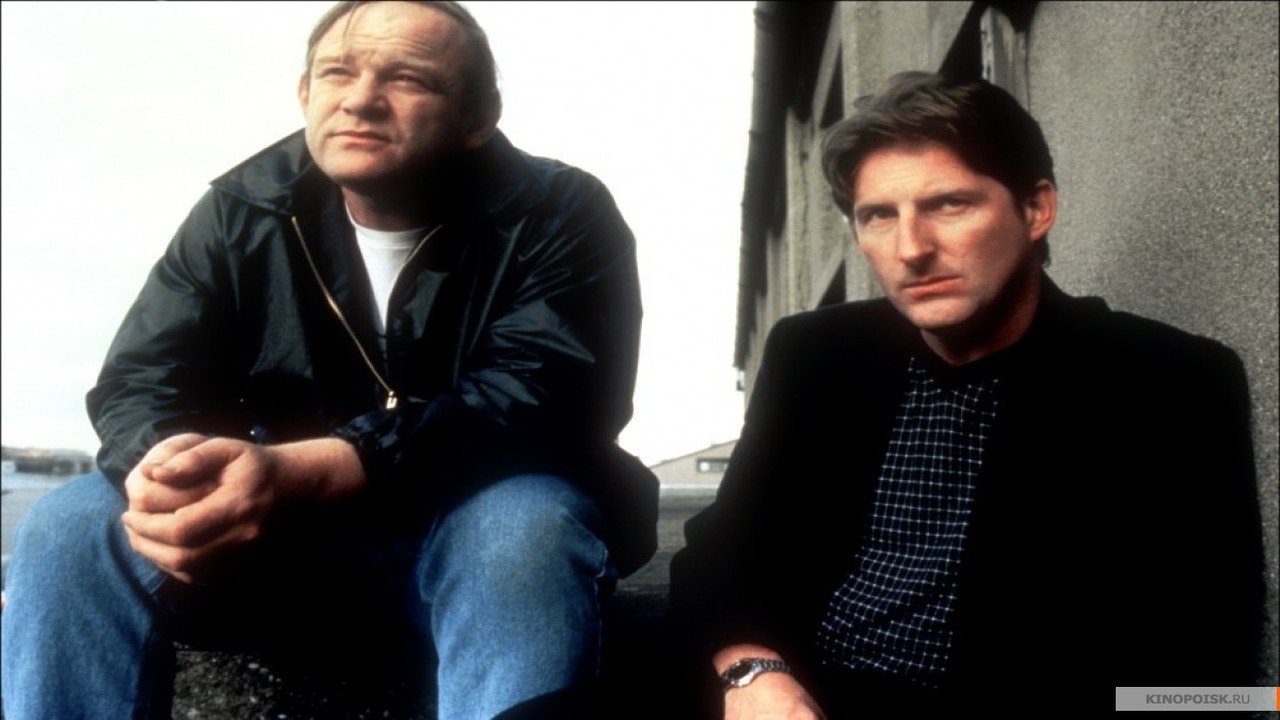
Boorman directs with a steady, almost journalistic hand, yet you feel his personal history woven into the fabric. He doesn't shy away from Cahill's ruthlessness or the fear he inspired, but there’s also an exploration of the societal context – the poverty, the perceived injustices, the anti-establishment sentiment – that allowed a figure like Cahill to flourish. The supporting cast is strong, particularly Adrian Dunbar as Cahill's loyal lieutenant Noel Curley, providing a counterpoint to Cahill’s volatility. Jon Voight, an interesting casting choice as Inspector Ned Kenny, the dogged policeman obsessed with bringing Cahill down, mostly holds his own, though his accent sometimes feels slightly adrift in the authentically Dublin milieu. It's a minor quibble in a film anchored so firmly by Gleeson and Boorman's vision.
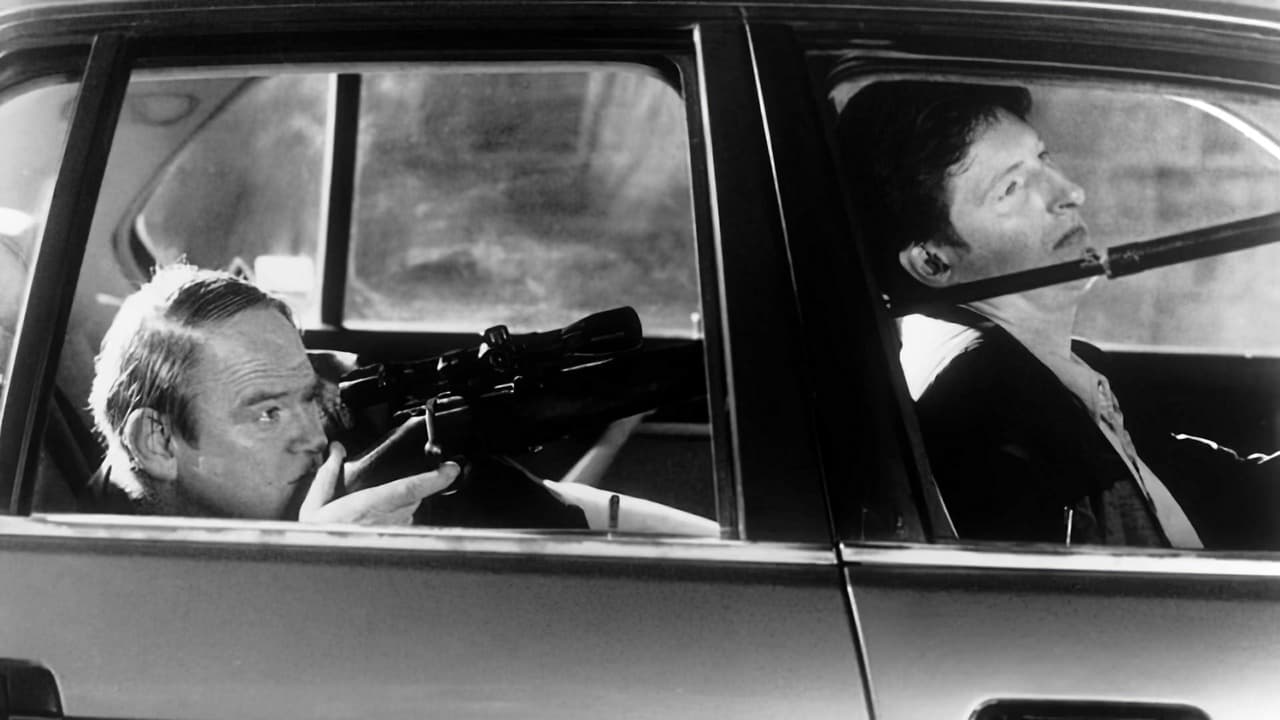
One fascinating production tidbit is that Boorman managed to film in many of the actual locations frequented by Cahill, including the housing estates of Rathmines where he lived, adding another layer of verisimilitude. This commitment to authenticity, combined with the stark visuals and Gleeson’s powerhouse turn, earned Boorman the Best Director award at the 1998 Cannes Film Festival – a significant achievement that brought the film, and Cahill's story, wider attention. It wasn't a massive box office smash ($1.2 million domestic against a reported £4 million budget), but its critical acclaim cemented its place as a standout Irish film of the decade.
### Beyond the Heists
What lingers long after the VCR whirred to a stop wasn't just the memory of the daring robberies or Cahill's confrontational charm. It's the film's exploration of that murky space between criminal and folk hero, between defiance and destruction. How does a community react when someone brazenly challenges the systems they feel failed by, even if that person operates entirely outside the law? The General doesn't offer easy answers. It presents Cahill, flaws and all – charming, intelligent, manipulative, violent – and leaves you grappling with the contradictions. It’s a character study disguised as a crime film, far more interested in the why than just the what.
Rating: 8.5/10
This score reflects the film's powerful central performance, its atmospheric direction and cinematography, and its intelligent handling of a complex real-life figure. Gleeson is simply magnetic, and Boorman's personal connection adds a unique depth. While Voight's casting feels slightly off-key at times, it doesn't derail the film's overall impact. The General remains a potent, thought-provoking piece of late 90s filmmaking, a standout Irish crime drama that felt like a blast of cold, bracing air amidst the era's more conventional offerings. It’s a reminder that sometimes the most compelling stories are the true ones, especially when told with such skill and unsettling honesty.