Sometimes, the films that stick with you aren't the ones that shout the loudest. They aren't always the blockbusters that dominated the multiplex or the cult favorites endlessly quoted. Sometimes, it's a quieter film, one that maybe slipped past your local video store's "New Releases" wall, that ends up echoing in your thoughts years later. For me, Takashi Miike's The Bird People in China (1998) is precisely that kind of movie – a surprising, lyrical journey from a director many associate with anything but gentle introspection.
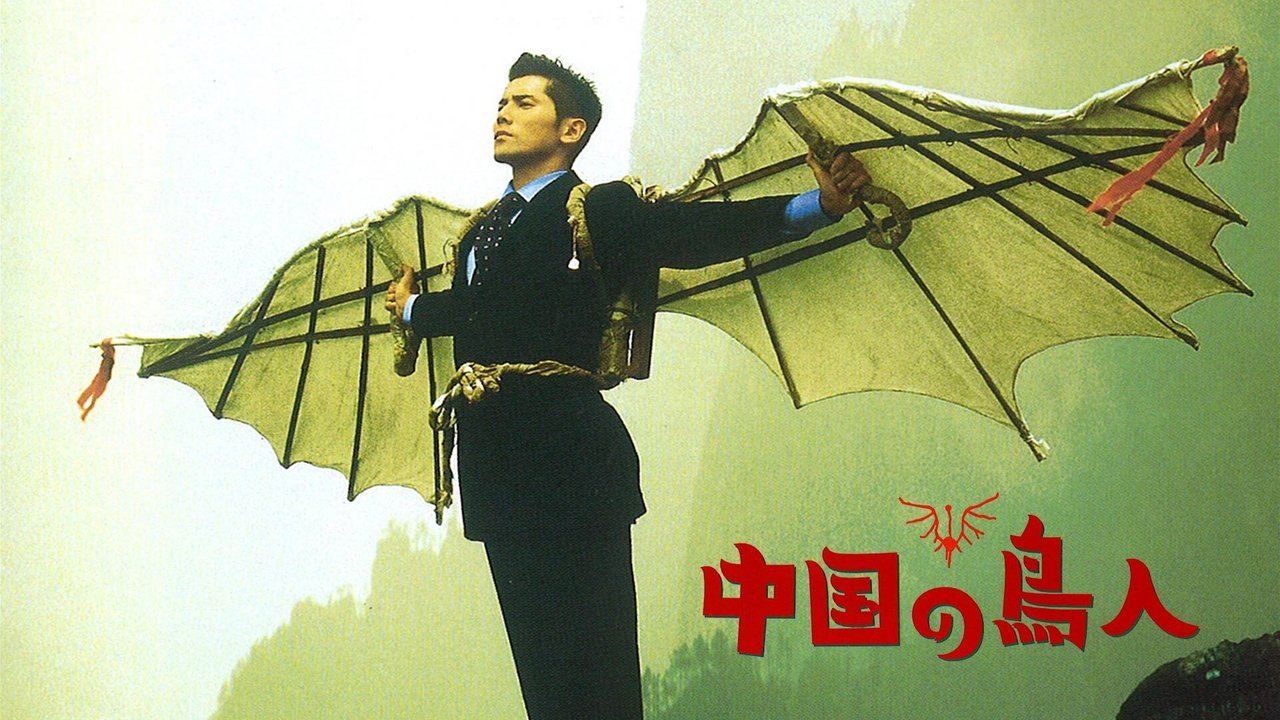
If the name Takashi Miike immediately brings to mind the visceral shocks of Audition or Ichi the Killer for you, hold that thought. This film, released just a couple of years before those notorious works cemented his reputation for extreme cinema, showcases a completely different side of his directorial talent. It’s like discovering a hidden track on a favorite album – familiar artist, unexpectedly different, yet captivating sound.
An Unlikely Journey to the Unknown
The setup is deceptively simple: Wada (Masahiro Motoki), a young, somewhat disillusioned Japanese salaryman, is dispatched by his company to assess a potential jade mine in a remote, almost mythical region of China's Yunnan province. Tagging along, much to Wada's initial dismay, is Ujie (Renji Ishibashi), a gruff, world-weary yakuza debt collector hoping to squeeze the company. This odd couple, burdened by their respective duties and mutual suspicion, embark on a grueling trek far beyond the reach of modern convenience. Their local guide navigates them through stunning, mist-shrouded landscapes, pushing them further and further away from everything they know.
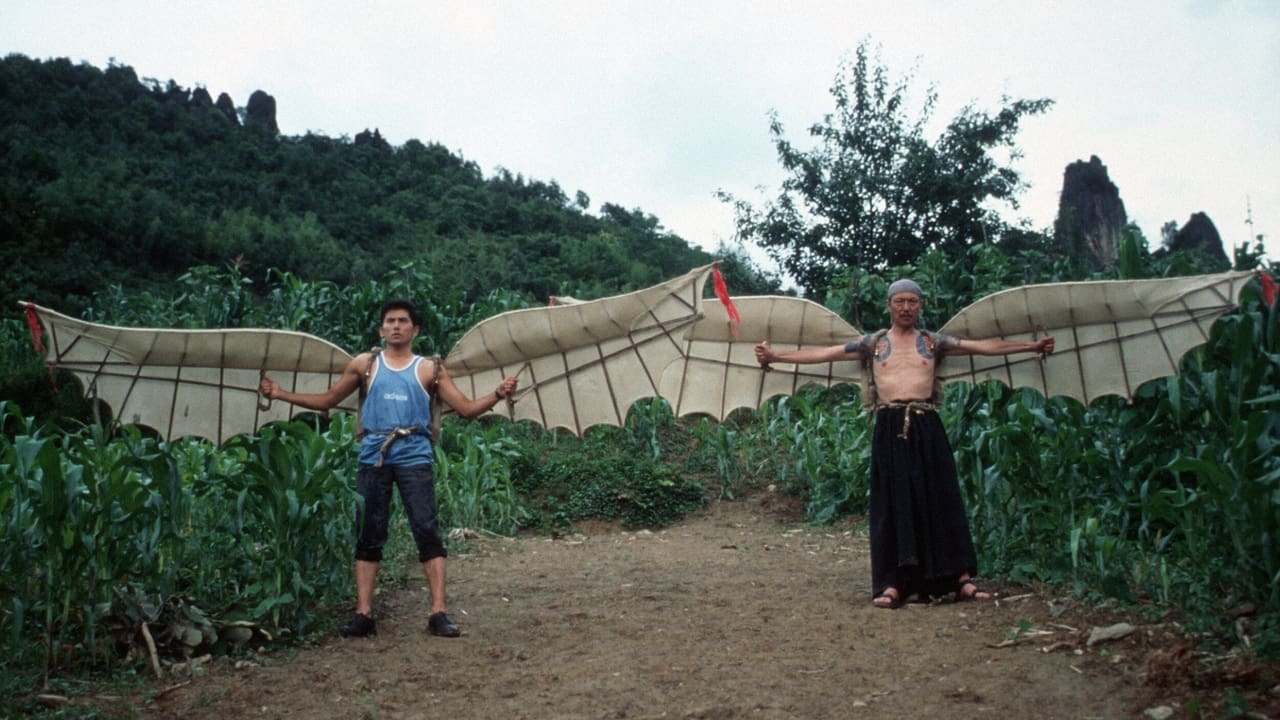
What unfolds isn't a typical adventure film, nor is it the kind of violent clash Miike’s name might suggest. Instead, it’s a film about discovery, both external and internal. The physical journey mirrors a deeper, spiritual one as Wada and Ujie, stripped of their urban identities and forced into reliance on each other and the natural world, begin to shed their cynicism. The sheer beauty and isolation of the Yunnan locations, captured breathtakingly by cinematographer Hideo Yamamoto (who would later shoot Audition and Ichi the Killer for Miike, showcasing incredible range), become characters in themselves. You can almost feel the damp air, smell the woodsmoke, and sense the immense quiet of the mountains.
Where Myth Takes Flight
The heart of the film lies in their eventual arrival at a hidden village, a place seemingly untouched by time, where legends speak of people who have learned to fly. Here they meet Shen (Mako), an old man who claims to be the descendant of a crashed WWII American pilot, now integrated into this unique community. The film doesn't necessarily confirm or deny the literal truth of the flying; rather, it uses the possibility as a catalyst for wonder and a re-evaluation of what matters. Does the truth of the myth matter as much as its power to inspire hope and preserve a way of life?
The performances are key to the film's gentle power. Masahiro Motoki (who later gained international acclaim for Departures) perfectly embodies Wada's transformation from a stiff, duty-bound employee to someone genuinely moved by the experience, questioning the soullessness of his corporate existence. Renji Ishibashi, a frequent Miike collaborator, brings a surprising warmth and depth to Ujie, the tough yakuza who finds unexpected peace and connection far from the life he knew. And Mako, a legendary character actor instantly recognizable to Western audiences from films like The Sand Pebbles or Conan the Barbarian, lends a crucial sense of gravitas and gentle mystery as Shen. His presence feels like a bridge between worlds, grounding the fantastical elements in recognizable humanity.
Retro Fun Facts & Miike's Departure
It's fascinating to consider The Bird People in China within Takashi Miike's notoriously prolific and eclectic filmography.
- Location, Location, Location: Filming deep in China's Yunnan province presented significant logistical challenges, far from the familiar infrastructure of Japanese studio filmmaking. This remoteness, however, is precisely what gives the film its incredible authenticity and visual splendor. The landscapes aren't just backdrops; they are integral to the story's themes of isolation and discovery.
- Source Material: The film is based on a novel by Makoto Shiina, an author and explorer known for his travelogues and adventures, lending a basis of real-world exploration to the film's fantastical elements.
- Thematic Depth: Beyond the surface adventure, the film subtly explores themes of cultural imperialism (Wada's company seeking resources), the erosion of tradition by modernity, and the universal human search for meaning and wonder in a disenchanted world. Wada's video camera, initially a tool of corporate assessment, becomes a way to capture something precious and perhaps intangible.
- Miike's Chameleon Career: This film stands as a powerful testament to Miike's versatility. Released between the yakuza antics of Fudoh: The New Generation (1996) and the escalating intensity leading to Audition (1999), it shows a director capable of profound gentleness and visual poetry alongside the transgressive work he's more famous for. For viewers only familiar with his shockers, Bird People is often a revelation, showcasing a deep humanism.
Finding Wonder on a Worn-Out Tape
Watching The Bird People in China again recently, it felt less like revisiting a specific plot and more like returning to a feeling – a sense of quiet awe, of being transported somewhere truly different. It evokes that feeling of discovering a hidden gem on the video store shelf, something unexpected that stays with you long after the credits roll. It asks us, subtly, what we've lost in our relentless pursuit of progress and efficiency. Is there still room for myth, for wonder, for the possibility of flight in our modern lives? The film doesn't offer easy answers, but the journey it takes us on is unforgettable.
It lacks the high-octane thrills or visceral horror some might seek from a late-90s find, but its deliberate pacing allows the atmosphere and the characters' internal shifts to resonate deeply. It’s a film that rewards patience, immersing the viewer in its world and leaving them with lingering questions about connection, purpose, and the magic that might still exist just beyond the map's edge.
Rating: 8.5/10
Justification: This score reflects the film's stunning cinematography, deeply felt performances, and its unique, resonant exploration of profound themes. It stands out as a beautiful anomaly in Takashi Miike's filmography, showcasing his incredible range. While its deliberate pace might not suit all viewers, its meditative quality and visual poetry create a truly memorable and moving cinematic experience. It's a near-perfect execution of a gentle, thought-provoking adventure.
Final Thought: The Bird People in China reminds us that sometimes the most fantastic journeys lead not to treasure, but to a rediscovery of the human spirit itself, hidden away in the most unexpected places.