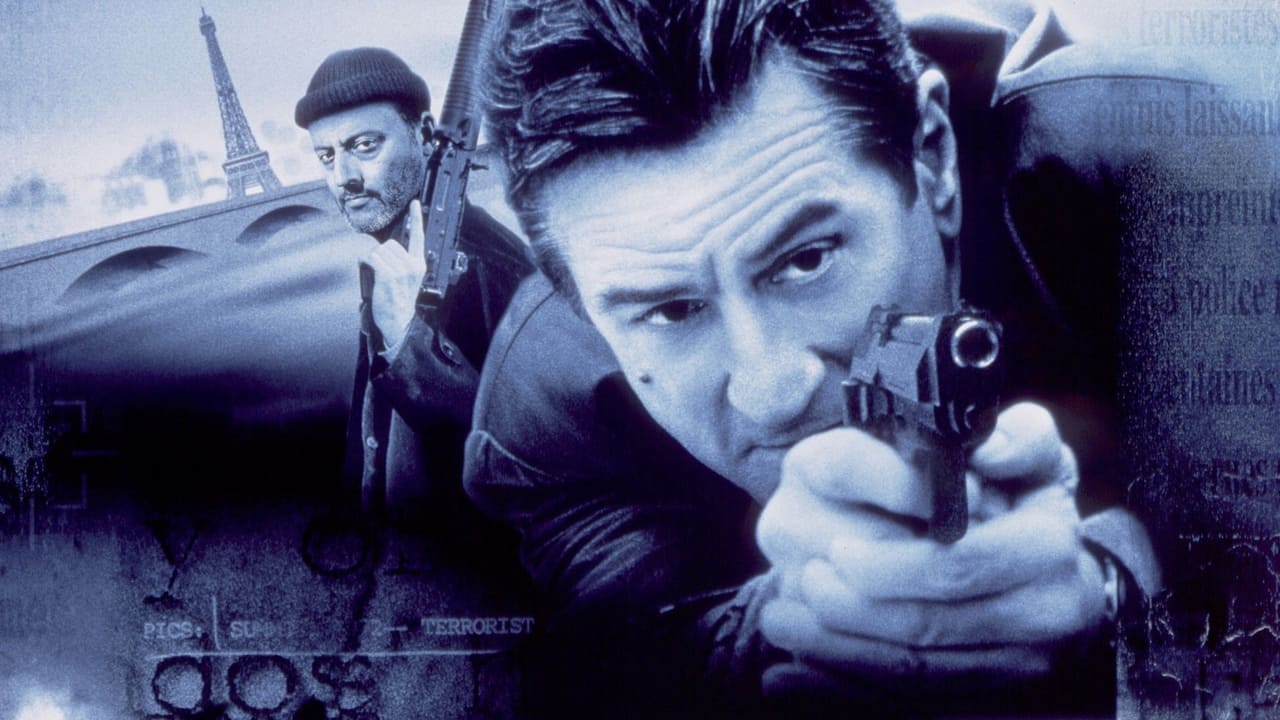
There's a chill in the air of certain films, a low hum of dread and professional detachment that settles deep in your bones. Ronin (1998) carries that chill. It doesn’t announce itself with jump scares or operatic villains; instead, it unfurls like a coiled viper in the shadowy corners of post-Cold War Europe, a world populated by ghosts chasing ghosts, where loyalty is a currency traded and inevitably devalued. Forget grand ideologies; this is about the job, the money, and surviving the next double-cross.
No Cause, Only Cash
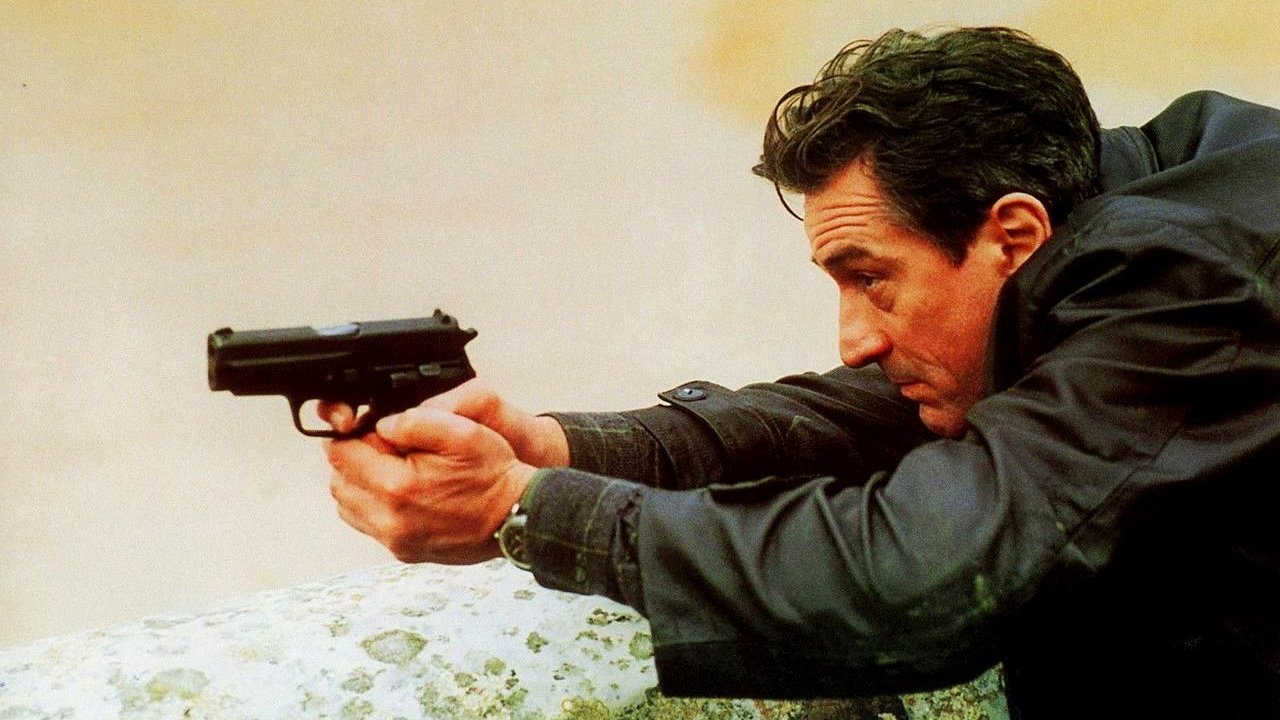
The premise is elegantly simple, deceptively so. A shadowy Irish operative, Deirdre (Natascha McElhone), assembles a team of international mercenaries in a Parisian warehouse. The lineup reads like a who's who of stoic professionals: the wary American strategist Sam (Robert De Niro), the pragmatic French coordinator Vincent (Jean Reno), the German electronics expert Gregor (Stellan Skarsgård), the British weapons specialist Spence (Sean Bean), and the American driver Larry (Skipp Sudduth). Their mission? To forcefully acquire a heavily guarded metal briefcase. What’s inside? Who truly wants it? The film, refreshingly, cares less about the MacGuffin itself than the devastating chain reaction its pursuit ignites. This deliberate ambiguity, this focus on process and paranoia over payload, is the film's cold, beating heart. It mirrors the mercenaries themselves – individuals defined solely by their skills and their willingness to operate outside the lines, masterless warriors in a modern age.
Frankenheimer's Final Masterclass
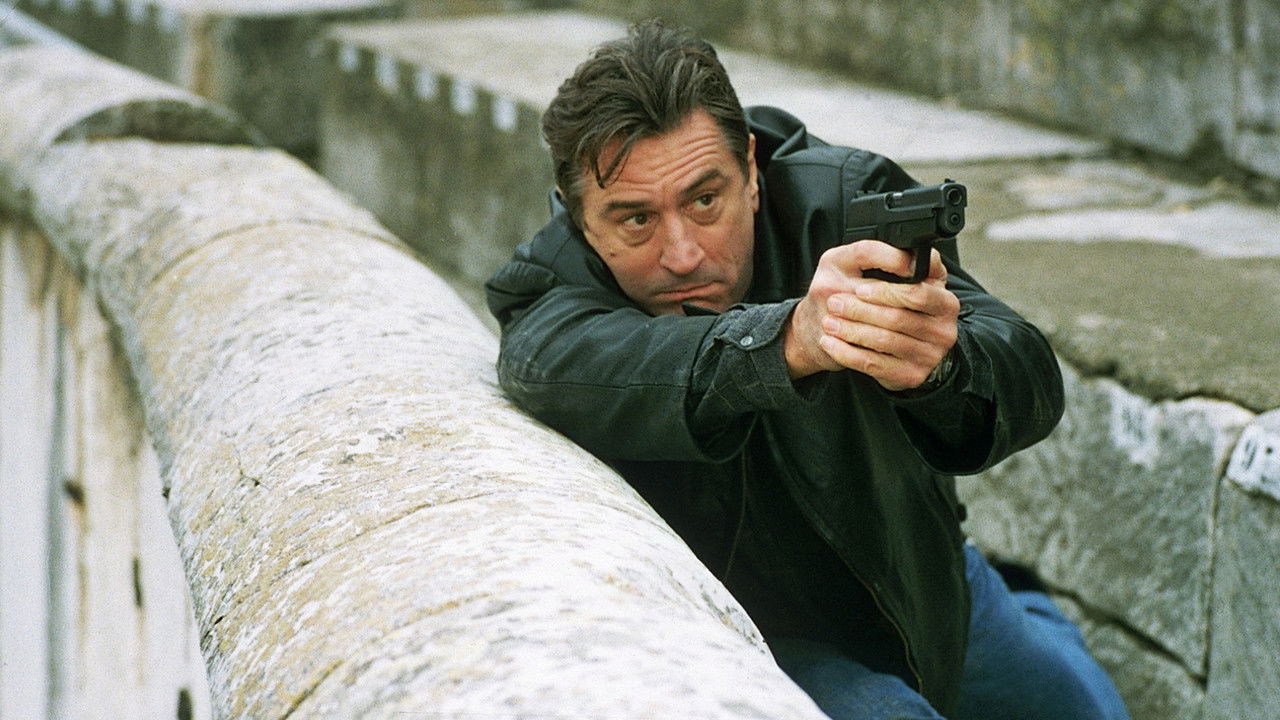
Steering this ship through treacherous waters was the legendary John Frankenheimer, a director whose name alone evokes tense classics like The Manchurian Candidate (1962) and Seven Days in May (1964). Ronin felt like a powerful return to his roots, a gritty, grounded thriller built on practical craft rather than digital trickery. You feel his experience in every frame – the taut pacing, the focus on character nuance amidst chaos, and, of course, the jaw-dropping action sequences. There’s a palpable weight to the proceedings, an authenticity that was already becoming rare by the late 90s. Interestingly, Frankenheimer insisted on minimal CGI, wanting the audience to feel the reality of the danger, a commitment that shines through most vividly in the film's signature element.
The Symphony of Screeching Tires
Let’s be honest: when you think Ronin, you think car chases. And rightfully so. Forget the floaty physics of later franchises; these pursuits through the streets and tunnels of Nice and Paris are masterpieces of practical stunt work, kinetic energy, and pure, unadulterated vehicular V-effing-iolence. Frankenheimer, drawing perhaps on his experience with Grand Prix (1966) and French Connection II (1975), orchestrates automotive ballets of destruction that feel terrifyingly real. Reportedly, up to 300 stunt drivers were employed, and around 80 cars were intentionally wrecked during filming. Key vehicles like the Audi S8 (with Sam often behind the wheel, De Niro having attended performance driving school) and the Peugeot 406 became characters in their own right. Remember watching that reverse-direction chase through the tunnel on your old CRT? Didn't the sheer impact feel different, more visceral, than anything else at the time? It’s controlled chaos elevated to an art form, setting a benchmark that many modern action films still struggle to meet.
Words as Weapons
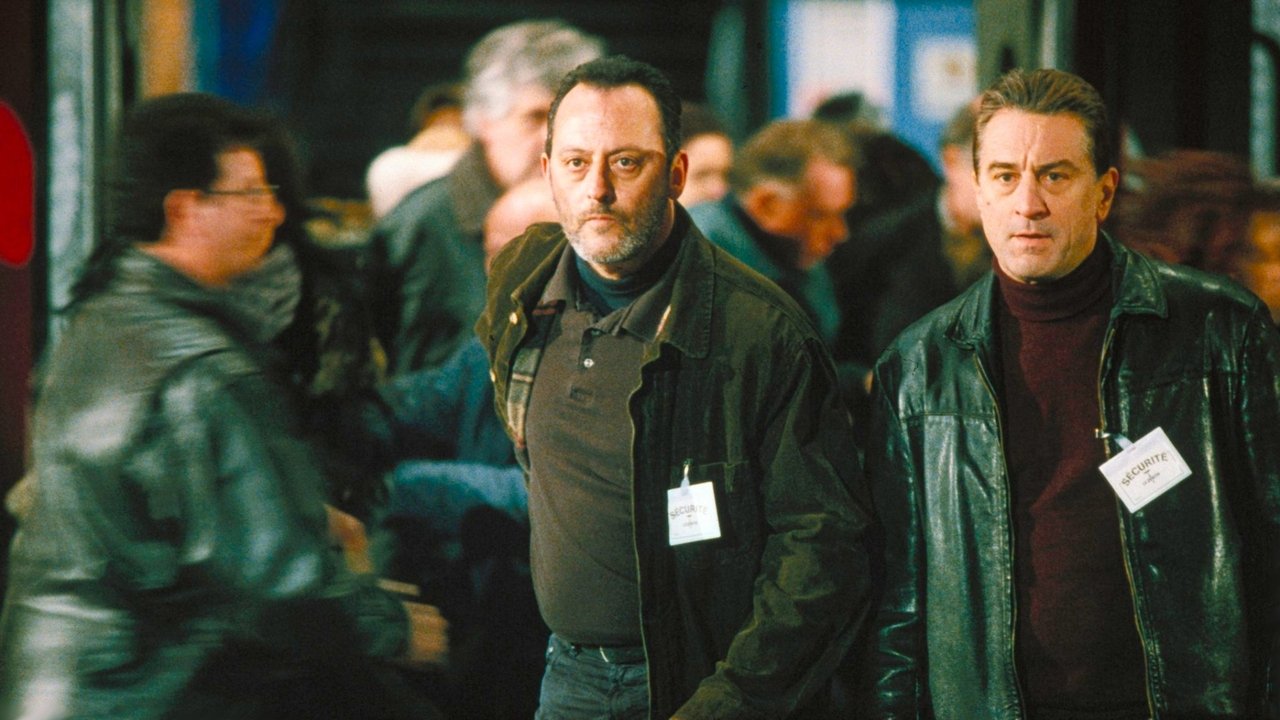
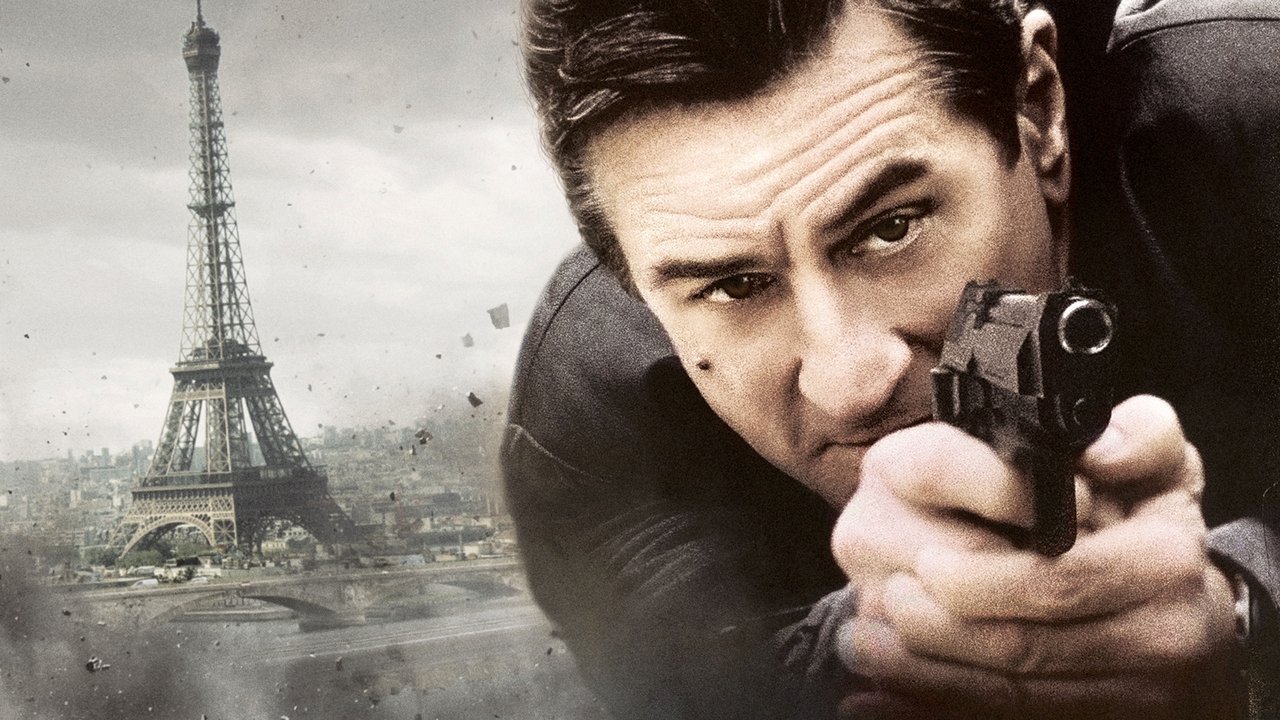
Beyond the action, Ronin crackles with sharp, cynical dialogue. While J.D. Zeik receives primary screenwriting credit, it’s an open secret in Hollywood that acclaimed playwright and filmmaker David Mamet (Glengarry Glen Ross, Wag the Dog) performed significant, uncredited rewrites under the pseudonym "Richard Weisz". His fingerprints are all over the terse exchanges, the professional jargon, and the underlying themes of mistrust and the transactional nature of loyalty. The script wisely avoids excessive exposition, forcing the audience to piece things together alongside the characters. It trusts you to understand the unspoken codes and the constant threat assessment happening behind those stoic eyes, particularly in the weary camaraderie between De Niro's Sam and Reno's Vincent – a partnership that forms the film's quiet emotional core. Their chemistry is undeniable, a believable bond forged in shared danger.
A Cast of Cold Professionals
De Niro, fresh off roles exploring different facets of masculinity in films like Heat (1995) and Casino (1995), brings a quiet intensity and world-weariness to Sam. He's the consummate professional, always observing, calculating, his calm demeanor barely concealing a coiled readiness for violence. Jean Reno, already an international star thanks to Léon: The Professional (1994), is equally compelling as Vincent, the grounded Frenchman who provides a moral (or perhaps pragmatic) anchor. McElhone navigates Deirdre's shifting allegiances effectively, while Skarsgård embodies slippery techno-betrayal. And yes, poor Sean Bean... well, let's just say his character Spence has a memorable, if brief, arc that reinforces the brutal realities of this profession. Rumor has it an alternate ending where his character played a larger role was considered, but the final cut delivers a sharper lesson about competence (or lack thereof).
Enduring Echoes
Ronin wasn't a box office juggernaut upon release (grossing around $70 million worldwide on a $55 million budget), but its reputation has only solidified over time. It stands as a high-water mark for the grounded, pre-Bourne era spy thriller. Watching it again on a format perhaps closer to its original presentation – maybe not VHS, but certainly without the pristine gloss of modern 4K – you recapture that late-90s feeling: the thrill of practical effects, the weight of real stakes, the satisfaction of a complex plot navigated by intelligent, dangerous characters. The slightly grainy image, the tangible sense of place provided by filming entirely on location in France, the haunting, melancholic score by Elia Cmiral... it all contributes to an atmosphere that lingers.
---
Rating: 9/10
Ronin earns its high marks through sheer mastery of craft. John Frankenheimer delivers a taut, intelligent, and relentlessly gripping thriller powered by phenomenal practical action sequences that remain benchmarks today. The stellar cast, particularly the central pairing of De Niro and Reno, inhabit their roles perfectly, selling the world-weariness and lethal professionalism. While the MacGuffin remains intentionally vague, the sharp dialogue (thanks, Mamet!) and focus on the human cost of espionage keep the narrative compelling. It's a film that respects its audience's intelligence and rewards attention with layers of tension and tradecraft.
Final Thought: In an age often saturated with digital noise, Ronin remains a potent reminder of the visceral thrill of grounded action and the dark allure of the spy game, a true gem from the twilight of the practical effects era. It’s the kind of film that makes you lean forward, heart pounding, feeling every near-miss and sharp turn right alongside the pros.