Alright, rewind your minds with me. Flick past the shiny Hollywood blockbusters on the imaginary rental shelf for a second. Remember stumbling upon those slightly battered tapes, maybe with a foreign title, promising something… different? Something with a raw energy that slicker productions often ironed out? That’s the exact feeling Peter Thorwarth’s Bang Boom Bang – Ein todsicheres Ding (often just Bang Boom Bang) from 1999 evokes. This isn't your polished American crime caper; this is a gloriously chaotic, rough-and-tumble blast straight outta Germany's Ruhr Valley, and finding it felt like uncovering a hidden gem.
### Welcome to Unna: Where Plans Go Sideways
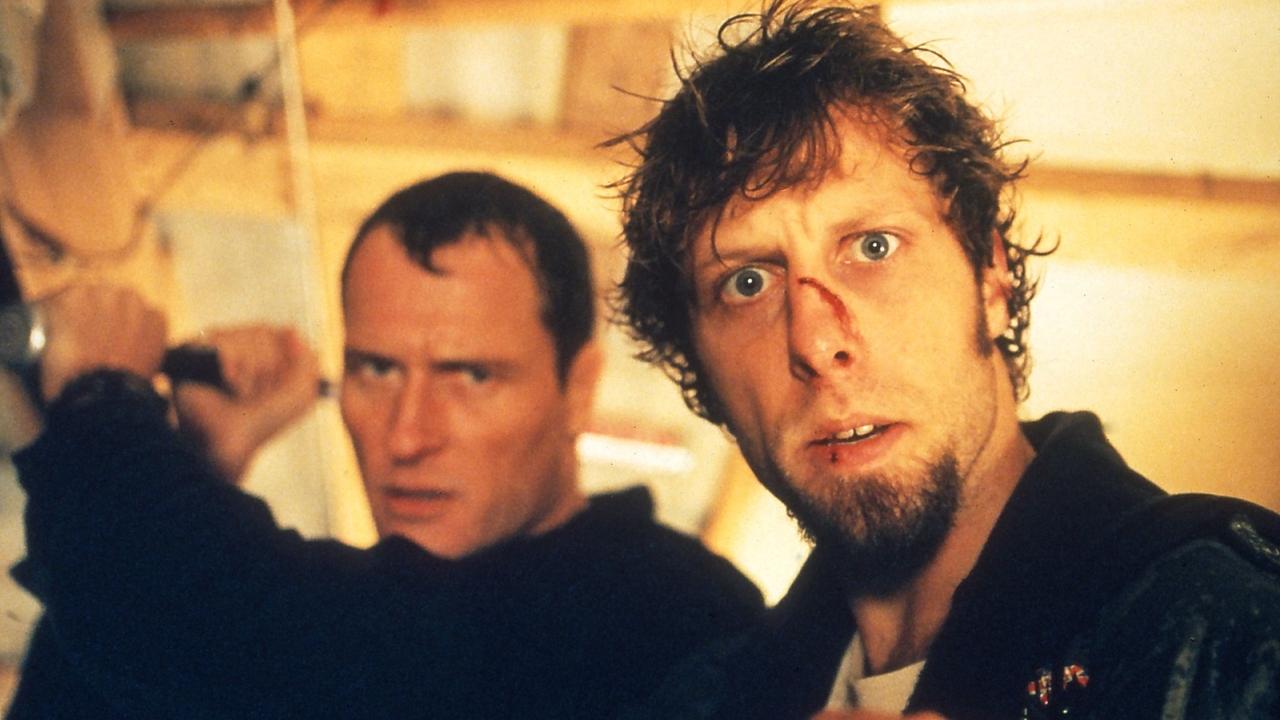
Forget L.A. noir or New York grit. Bang Boom Bang throws us headfirst into the distinctly unglamorous world of Unna, a town in the industrial heartland of Germany. Our "hero," if you can call him that, is Keek (Oliver Korittke), a slacker whose idea of a good time involves lounging around, watching videos (meta!), and generally avoiding any form of responsibility. His relatively peaceful existence – funded by his share of a past robbery stashed safely in a bank deposit box – gets royally screwed up when his hapless accomplice, Kalle Grabowski (Ralf Richter), escapes prison early and demands his cut now. Problem is, Keek's kinda... accidentally... used Kalle's key to access his own box after losing his key betting on horses. Cue escalating panic, increasingly desperate schemes, and a cast of characters that feel both utterly specific and universally recognisable in their flawed humanity.
Peter Thorwarth, directing his debut feature (and part one of his loose "Unna Trilogy"), doesn't just film the Ruhrpott; he captures its soul. There's a certain bluntness, a dark humour mixed with genuine desperation, that feels incredibly authentic. You can practically smell the stale beer and cigarette smoke. It’s a vibe far removed from the neon sheen of many late-90s Hollywood flicks, opting instead for a lived-in, slightly grimy realism that makes the escalating absurdity even funnier.
### Kalle Grabowski: An Icon is Born
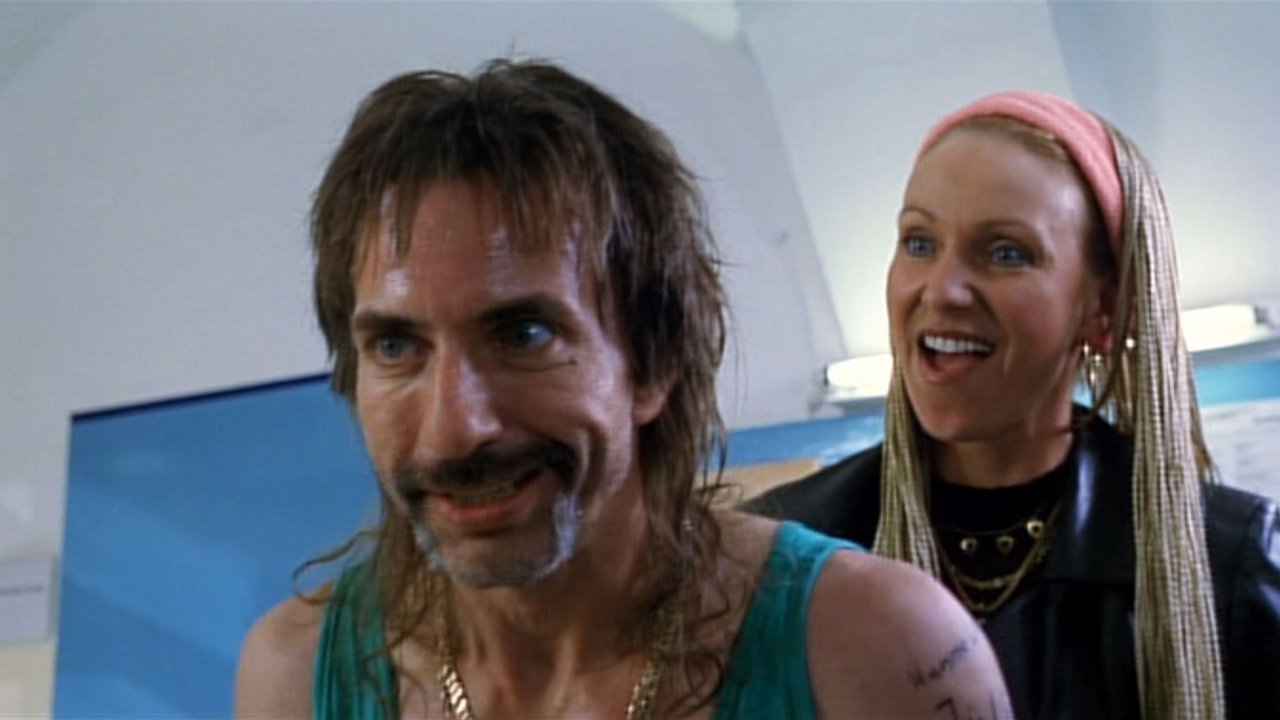
Let's be honest, while Oliver Korittke anchors the film with Keek's relatable panic and Markus Knüfken provides solid support as the more pragmatic Andy, Bang Boom Bang belongs to Ralf Richter as Kalle Grabowski. Richter doesn't just play Kalle; he inhabits him. Kalle is a force of nature – loud, perpetually pissed off, surprisingly sentimental about his prize racehorse, and utterly terrifying when crossed. Richter, already a familiar face in German cinema often playing tough guys (you might recognise him from Wolfgang Petersen's Das Boot (1981)), found his defining role here. It’s a performance so iconic in Germany that lines from the film are still quoted constantly, and Kalle became a genuine cult figure. Retro Fun Fact: Richter reportedly drew heavily on his own Ruhrpott background and acquaintances to flesh out Kalle, giving him that undeniable authenticity. He makes Kalle menacing, pathetic, and hilarious, often all in the same scene.
The film’s relatively modest budget (reportedly around 3 million Deutsche Marks) likely contributed to its grounded feel. There are no massive Michael Bay explosions here. The "action," when it comes, is messy, desperate, and often darkly comic. Think less balletic gun-fu, more frantic scrambling, poorly planned heists, and consequences that feel painfully real (or hilariously inept). Remember how thrilling a frantic, slightly shaky car chase felt back then, before everything was smoothed out by CGI? This film has that raw, unpredictable energy in spades. The violence isn't gratuitous, but it has a weight and awkwardness that feels more impactful than hyper-stylised gore.
### More Than Just Laughs
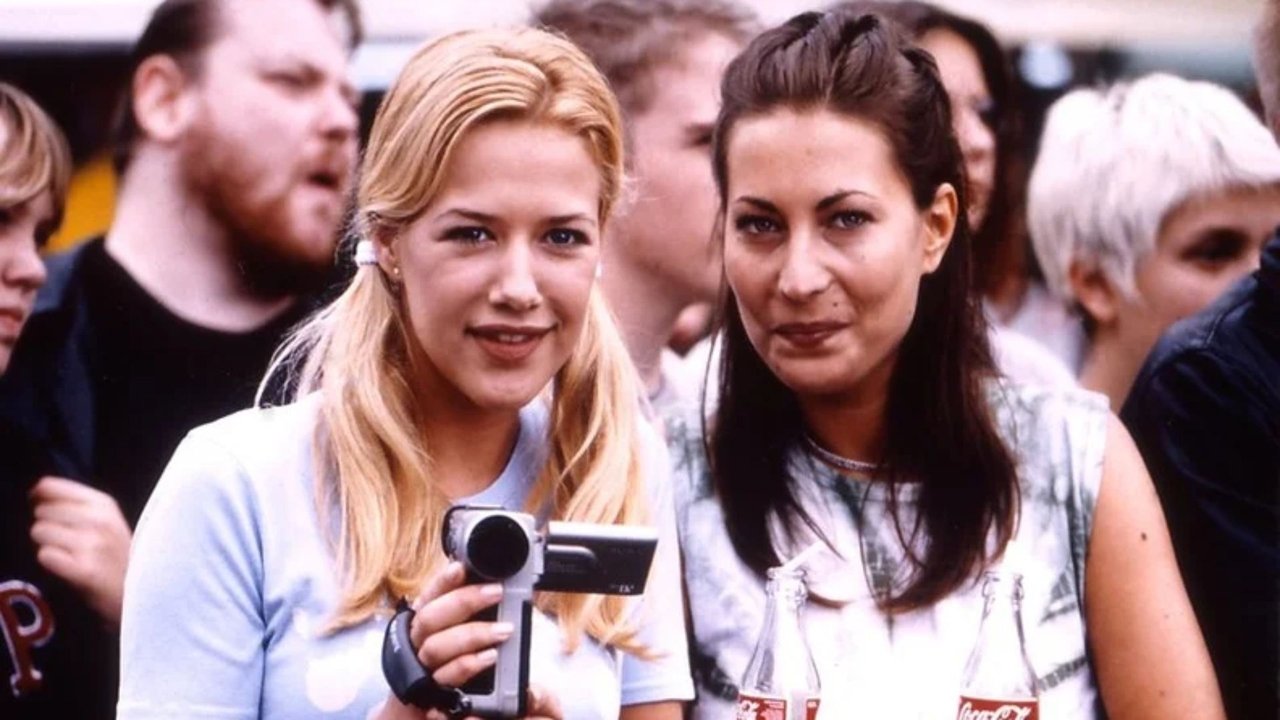
While it’s packed with quotable lines and laugh-out-loud moments stemming from sheer incompetence, Bang Boom Bang isn't just a screwball comedy. There's an underlying current of melancholy, a sense of limited horizons and dreams deferred that’s characteristic of its setting. Characters make bad choices born of desperation as much as stupidity. Retro Fun Fact: The film's enduring popularity in Germany is quite remarkable. It wasn't a massive initial blockbuster, but word-of-mouth built it into a cult phenomenon, particularly through late-night TV screenings and packed outdoor summer cinema showings ('Sommerkino') that continue to this day in some regions. It tapped into something specific about the regional identity and the universal desire to break free, even if you haven't got a clue how.
Thorwarth and co-writer Stefan Holtz craft a plot that keeps twisting and turning, piling complications onto Keek with relentless glee. Supporting characters, like the sleazy video store owner Werner Kampmann (Martin Semmelrogge, another Das Boot alum) or the imposing gangster Schlucke (Diether Krebs in one of his final roles), add further layers of delightful scumbaggery. The dialogue crackles with regional flavour and sharp wit – though some nuances might be lost in translation, the universal language of idiots getting in over their heads shines through.
### The Verdict on this German Gem
So, popping Bang Boom Bang into the VCR (or, let's be real, firing up whatever streaming service might miraculously have it these days) is like revisiting a specific corner of late-90s European cinema that feels both dated and timeless. Its fashion and tech are firmly rooted in the era, but the core story of desperation, friendship (however strained), and monumentally bad decisions is eternal. The film's energy is infectious, its characters memorable (especially Kalle!), and its humour dark and surprisingly effective. It avoids Hollywood gloss in favour of something much more specific and, arguably, more interesting.
Rating: 8.5 / 10
Justification: This score reflects the film's phenomenal success as a cult classic within its target culture, its brilliant character work (especially Richter's Kalle), its sharp writing, and its undeniable energy. It perfectly captures a specific time and place with humour and grit. It loses a point or so perhaps for international accessibility (some humour is very local) and the slightly rough-around-the-edges production values inherent to its budget and era, though these are also part of its charm.
Final Thought: Forget slick precision; Bang Boom Bang is the glorious, beer-soaked, slightly chaotic energy of 90s indie filmmaking captured on tape – a reminder that sometimes the most memorable rides are the bumpiest ones. Seek it out if you want a taste of something genuinely different from the Hollywood machine.