Alright cinephiles, grab your Jolt Cola and settle in. Remember that feeling at the tail end of the 90s, when indie film felt like it was buzzing with a nervous energy, trying to out-cool itself after Pulp Fiction? Well, buckle up, because we're revisiting Doug Liman's frantic, funny, and surprisingly dark 1999 gem, Go. This wasn't your standard Blockbuster fare; finding this on the shelf felt like uncovering a slightly illicit secret, a promise of something wilder than your average teen comedy.
One Night, Three Stories, Zero Brakes
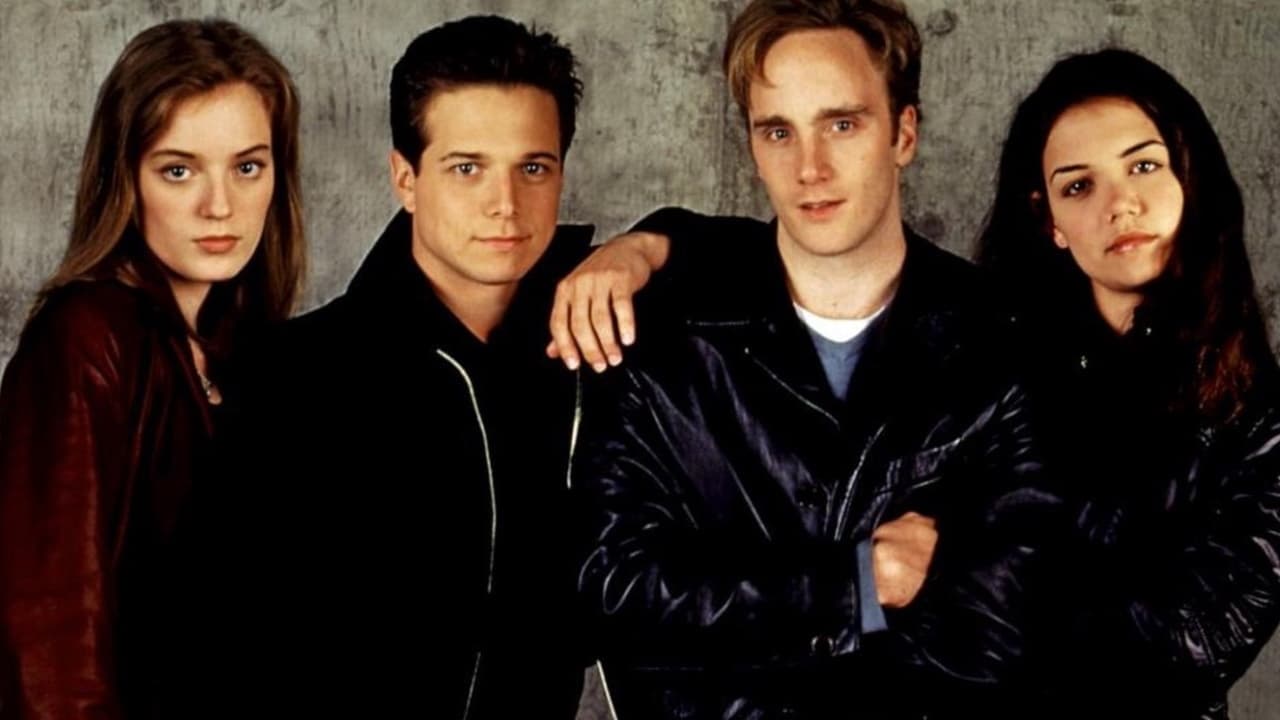
Go throws us headfirst into 24 hours of chaos spiraling out from a Los Angeles grocery store. Structured a bit like Kurosawa's Rashomon fed through an MTV blender, it presents three interconnected perspectives on a drug deal gone wrong, a disastrous trip to Vegas, and some seriously awkward encounters. Forget a slow burn; Liman, fresh off the low-budget success of Swingers (1996), throws us right into the fire with jittery handheld cameras and editing that feels like it’s perpetually chasing the next beat, perfectly capturing the "oh crap" moments stacking up for our protagonists. This wasn't the slick, polished action of a Bruckheimer flick; this felt messy, immediate, and dangerously relatable in its cascade of bad decisions.
The Players in the Mayhem

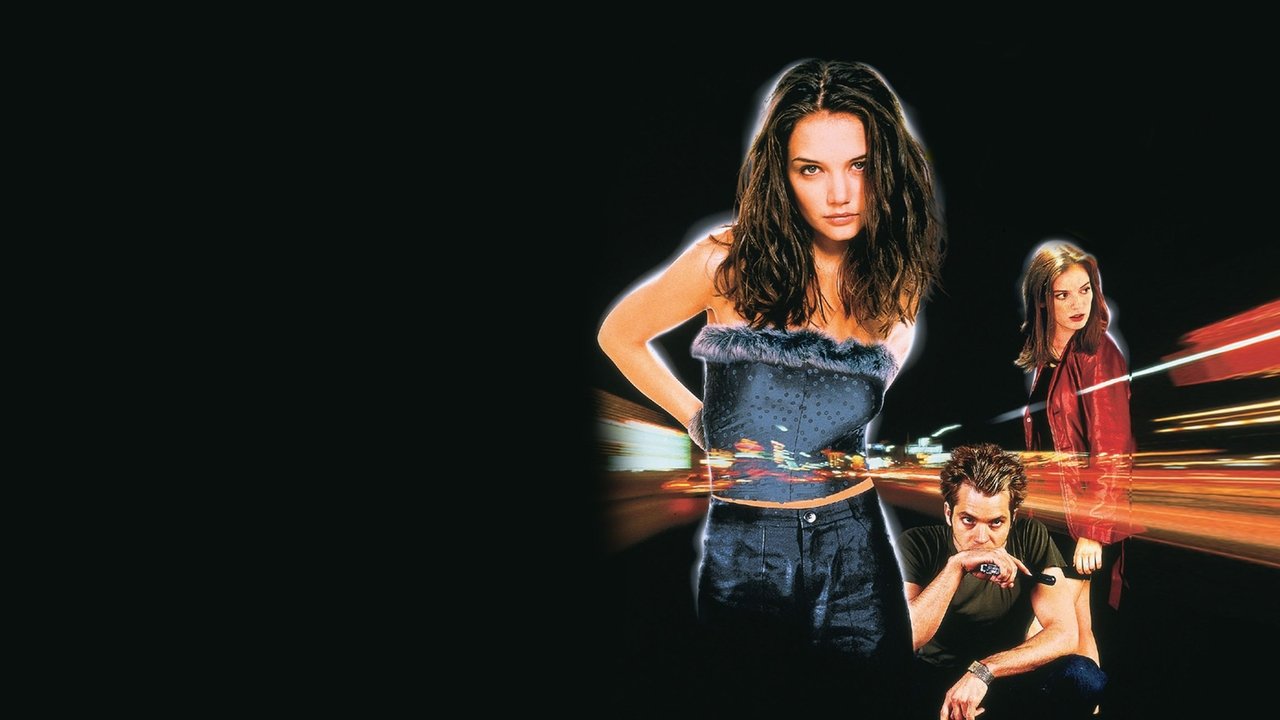
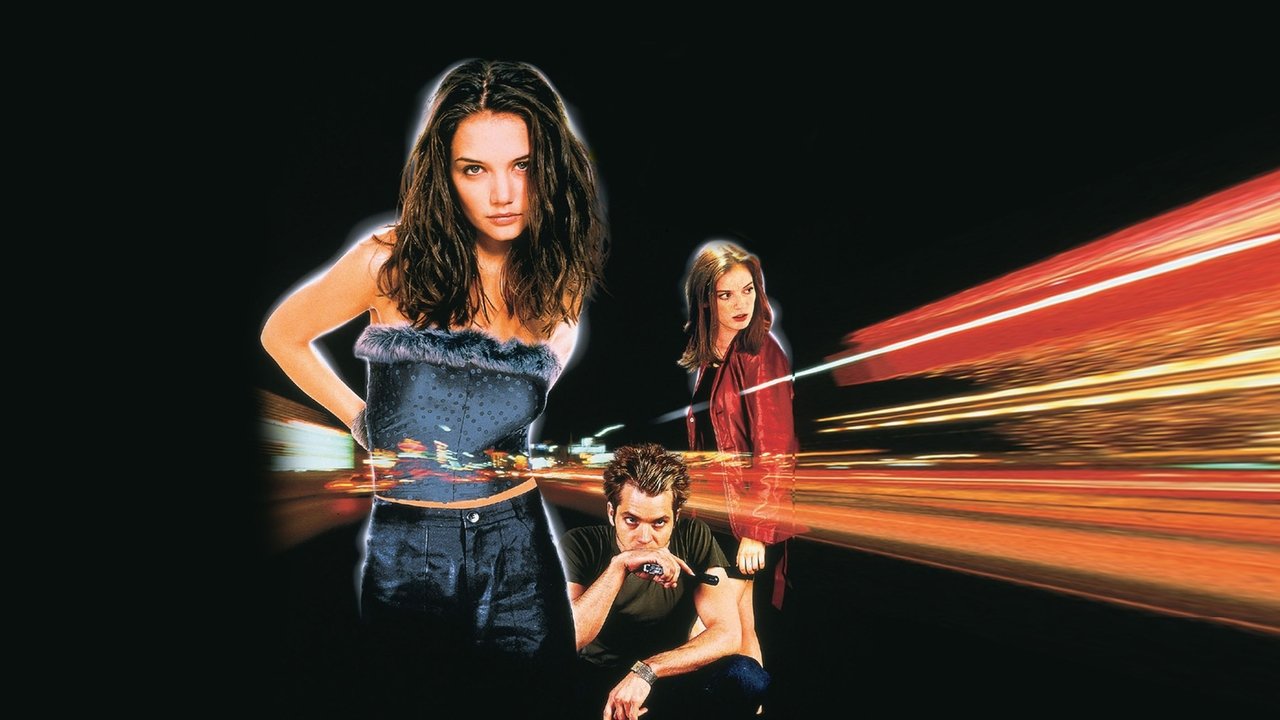
Our entry point is Ronna (Sarah Polley), a cashier desperate for rent money who impulsively steps in to cover a drug deal for her flakey co-worker Simon (Desmond Askew). Polley, even then showing the intelligence and depth that would mark her later career, grounds the film's most harrowing segment. You feel her mounting panic as things inevitably spiral. It’s a performance that anchors the film's more outrageous moments. Fun fact: Katie Holmes, playing Ronna's reluctant accomplice Claire, nearly turned down the role due to the script's drug use and edgy content, but writer John August's sharp dialogue and complex characters won her over. It's a role that showed a different side to the Dawson's Creek star, adding a layer of nervous energy that plays perfectly off Polley's pragmatism.
Then we rewind and follow Simon, the actual instigator of the drug deal, ditching his responsibilities for a hedonistic trip to Las Vegas with his pals. This segment dials up the absurdity – think stolen Ferraris, accidental overdoses, and a genuinely alarming encounter with some very unhappy strip club owners. Desmond Askew embodies the kind of charmingly irresponsible friend we probably all knew (or were?) back then, bouncing through chaos with a blissful lack of self-awareness. It’s pure, unadulterated youthful idiocy, captured with a kinetic flair that makes you simultaneously laugh and cringe.
Where Things Get Weird (and Wonderful)
The third storyline, focusing on soap opera actors Adam (Scott Wolf) and Zack (Jay Mohr), initially feels like a detour but quickly becomes one of the film's most memorable and darkly funny threads. Caught in a bizarre undercover sting orchestrated by the unnervingly intense Detective Burke (William Fichtner) and his equally strange wife Irene (Jane Krakowski), their segment delivers some of the script's sharpest, most quotable lines. Fichtner is simply magnetic here – calm, slightly creepy, and utterly unpredictable. The palpable discomfort Mohr and Wolf convey in that extended dinner scene? Pure gold. It's a masterclass in awkward tension bleeding into unexpected comedy. John August, whose script was originally titled "X" and buzzed around Hollywood, absolutely nailed the distinct voices and escalating stakes for each narrative thread.
That Late 90s Vibe
Go is practically a time capsule of its era. The rave scenes pulse with authentic energy (and probably authentic sweat – filming those must have been intense), the fashion is a glorious mix of pre-millennium trends, and the soundtrack absolutely pops with electronic beats and alternative rock that fueled many a late-night drive back then. Remember how distinctive soundtracks were on VHS? This was one you noticed. Liman's direction, using techniques he would later refine for the much bigger-budgeted The Bourne Identity (2002), gives the whole thing a raw, almost documentary feel at times, plunging you directly into the characters' anxieties. The film didn't break the bank upon release, earning a respectable $28.5 million against its $20 million budget, but it quickly cemented its status as a cult favourite on video, passed around between friends like forbidden knowledge. Its non-linear structure drew obvious comparisons to Pulp Fiction, but Go carved its own niche with its younger cast and focus on everyday desperation curdling into criminal chaos.
Final Verdict
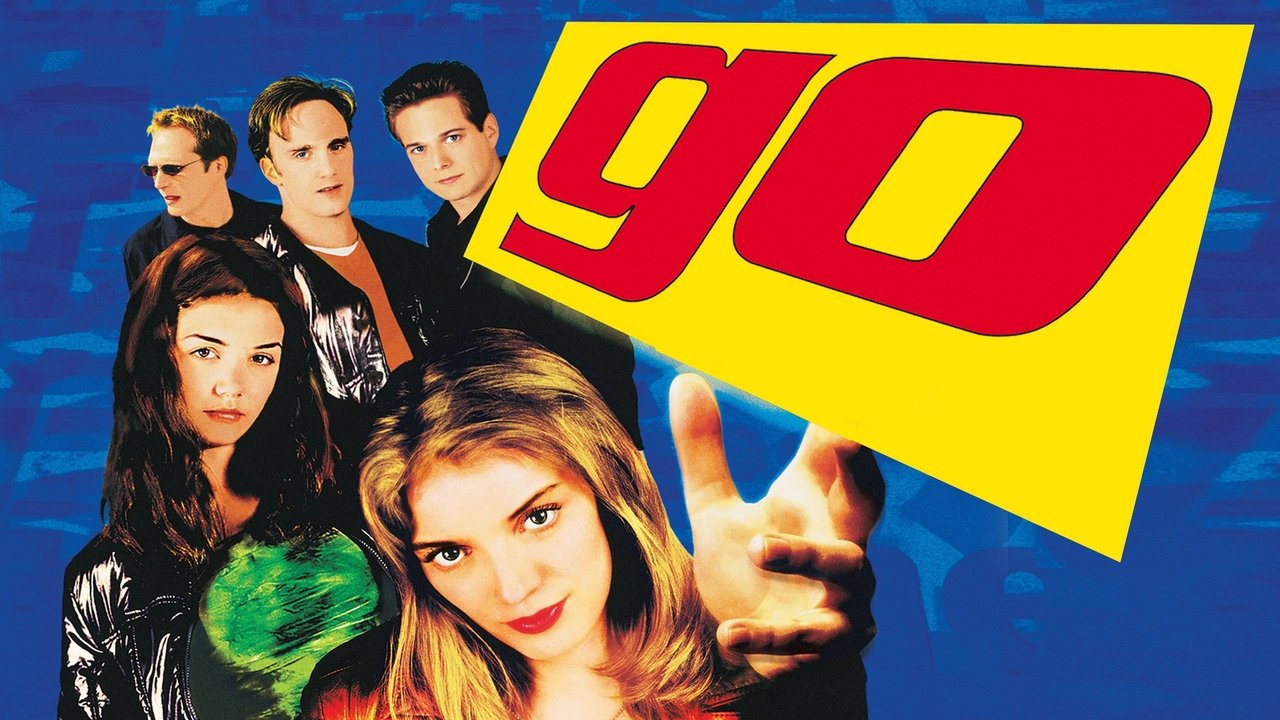
Go remains a thrilling, funny, and sharply observed snapshot of youthful recklessness teetering on the edge. The performances are fantastic across the board, with Sarah Polley, Timothy Olyphant (as the dangerously charismatic dealer Todd Gaines), and William Fichtner leaving indelible marks. Doug Liman's hyperactive direction and John August's clever script combine to create something that still feels fresh and invigorating. It perfectly captures that feeling of a night rapidly spinning out of control, fueled by bad choices and desperate energy. It’s not just nostalgia; the filmmaking holds up remarkably well.
Rating: 8.5/10
This rating reflects the film's whip-smart script, fantastic ensemble cast, kinetic direction, and enduring cult appeal. It loses a tiny fraction for some dated elements, but its core energy and dark humour are timeless.
Rewatching Go is like finding that perfectly worn-in mixtape from '99 – exhilarating, a little dangerous, and guaranteed to get your heart racing all over again. A true standout from the late VHS era indie boom.